THE NATURAL NEXT SOPHISTICATION
Bhutan as the trip after Japan — Seven nights in Bhutan, for the traveller who has done Kyoto.
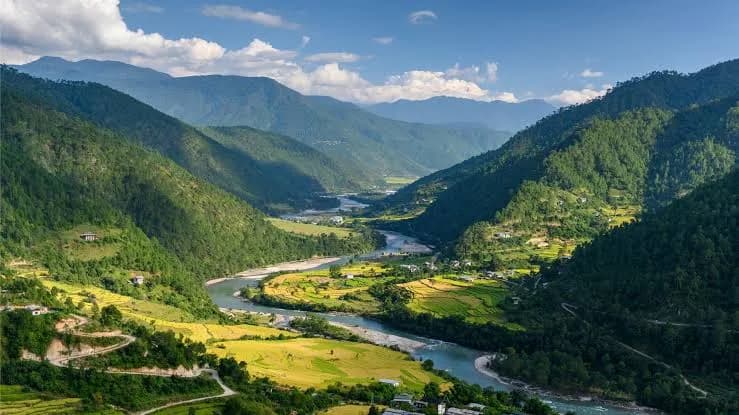
A Bhutan journey for travellers who have substantially done Japan — Kyoto in cherry blossom, the Nakasendo, the temple stays at Mt Koya — and want the next step. Bhutan is what comes after; a quieter Asia-Buddhist register at altitude, with the cultural depth that Japan readers tend to value most.
7 nights · Luxury tier · from USD 15,000 per couple
- Nights
- 7
- From
- USD 15,000per couple
- Tier
- Luxury
- Best season
- Autumn
- Suits
- Couple
- Departing
- Tokyo
Why Bhutan, specifically after Japan
Travellers who have substantially done Japan — Kyoto's principal temples, Mt Koya for the Shingon temple stay, the Nakasendo, the Buddha at Kamakura, Ise, the Zen circuit at Kamakura and Kyoto — typically arrive at a particular moment: the Japanese aesthetic is fully internalised, and the question becomes what comes next. Bhutan is the natural next sophistication. The Buddhist tradition is parallel but distinct (Tibetan Vajrayana rather than Japanese Zen / Pure Land); the architectural is similar in attention but at higher altitude with substantially different colour palette; the food tradition is sharper and more layered; the country's GNH framework offers the kind of philosophical thread that Japan readers tend to recognise.
What the week is built around
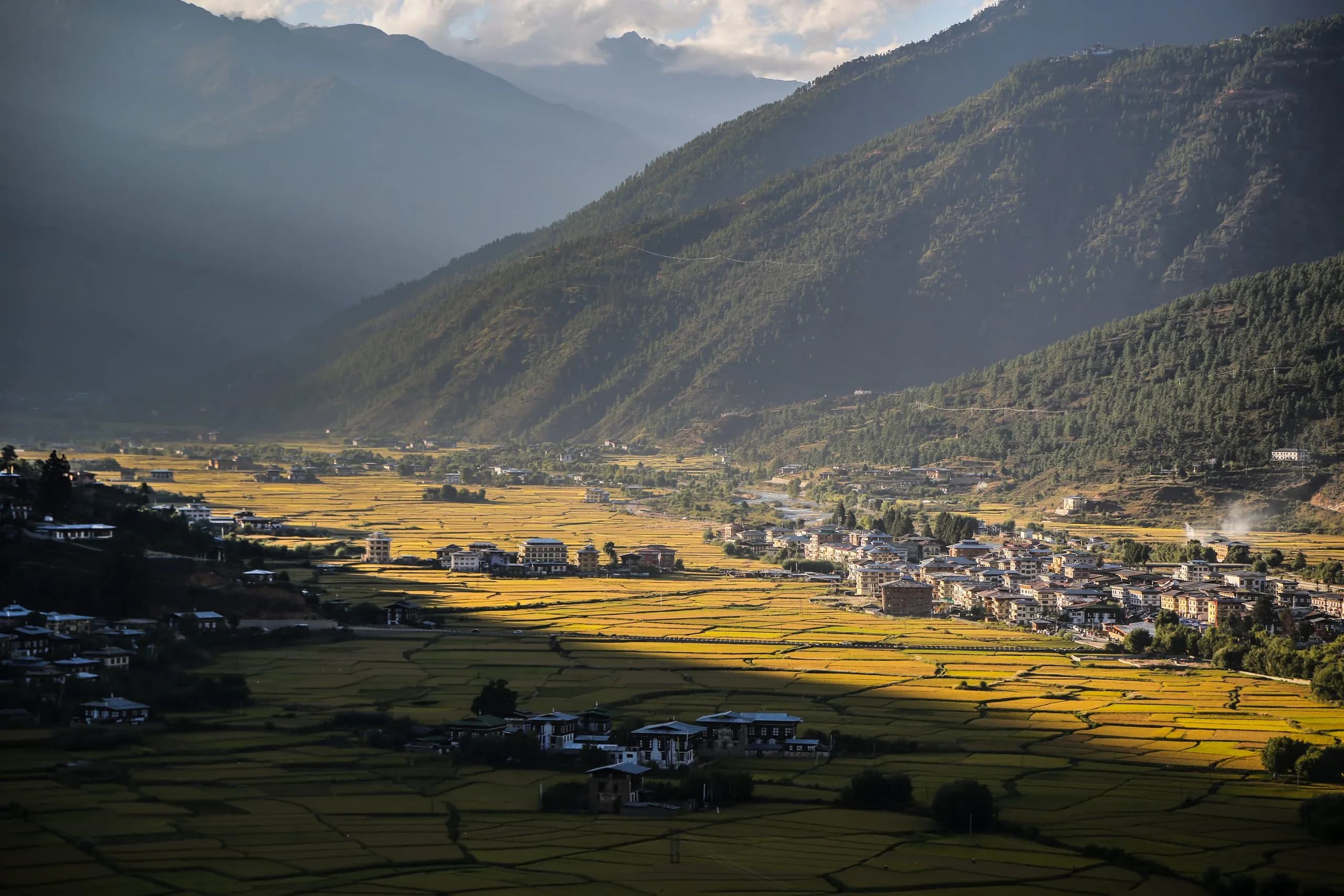
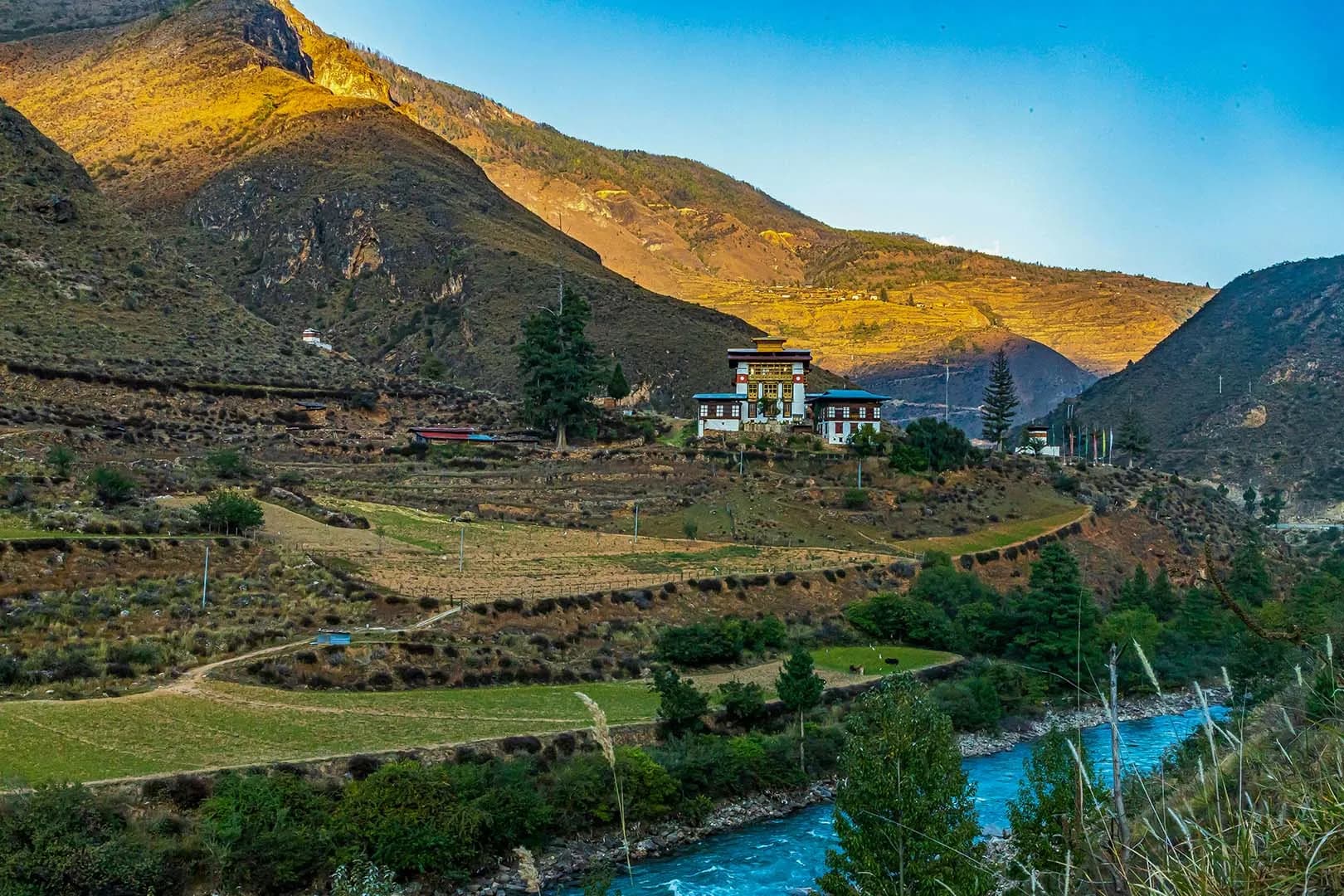
We pace this trip for the Japan-saturated traveller — meaning short, substantive, anchored in named places rather than wide-net sampling. Two nights in Paro for the long arrival and the principal dzong sites; two in Thimphu for the capital taken slowly and the Memorial Chorten at the right hour; two over Dochu La in Punakha at the warm-valley confluence; one return to Paro for the Taktsang climb. We don't try to cover Bumthang or Phobjikha in seven nights — the Japan-saturated traveller will want to come back for those rather than rush through them now.
The matched guide and the conversational register
Japan-experienced travellers tend to value a particular kind of conversation — the religious-philosophical depth without lecture, the comparison with other Asian traditions handled deftly, the silence held when it should be. Our matched guides for Japan-fluent travellers are typically the half-dozen in our network with substantial Japan-travel experience themselves (or with monastic-tradition training that lets them speak fluently across Zen, Pure Land, and Tibetan Vajrayana). The matched guide is named in your proposal before you confirm.
The route
A sample shape of the week
DAY 01
Arrival in Paro — recovery
Met at PBH after the Bangkok-or-Singapore morning Drukair; twenty minutes to the lodge; a slow afternoon and an early supper.
DAY 02
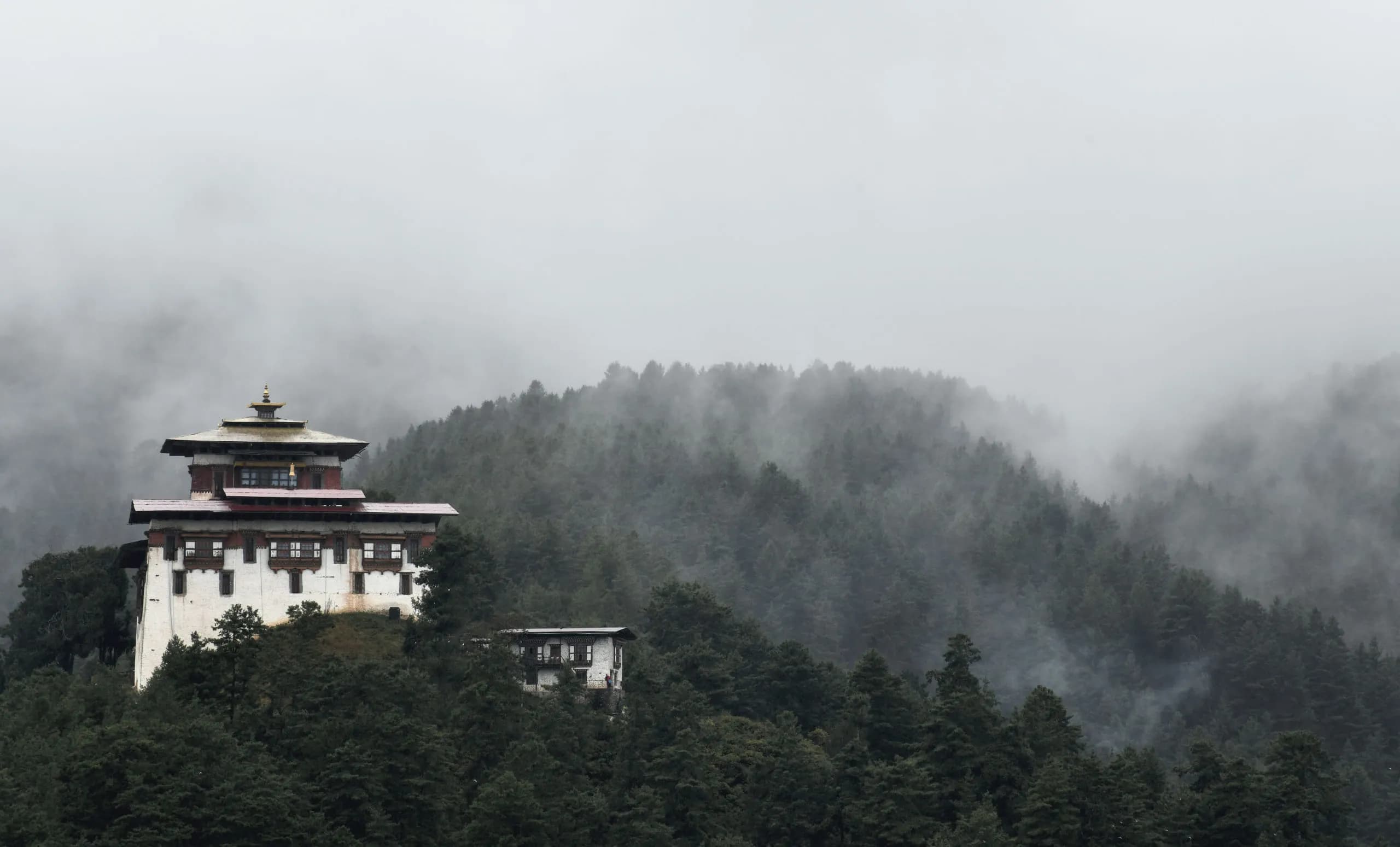
Paro day — Rinpung Dzong and Kyichu
The principal dzong in morning light; the National Museum at Ta Dzong; an afternoon at Kyichu Lhakhang, which Japan-readers tend to find interesting against the Japanese hondo register.
DAY 03
Across to Thimphu
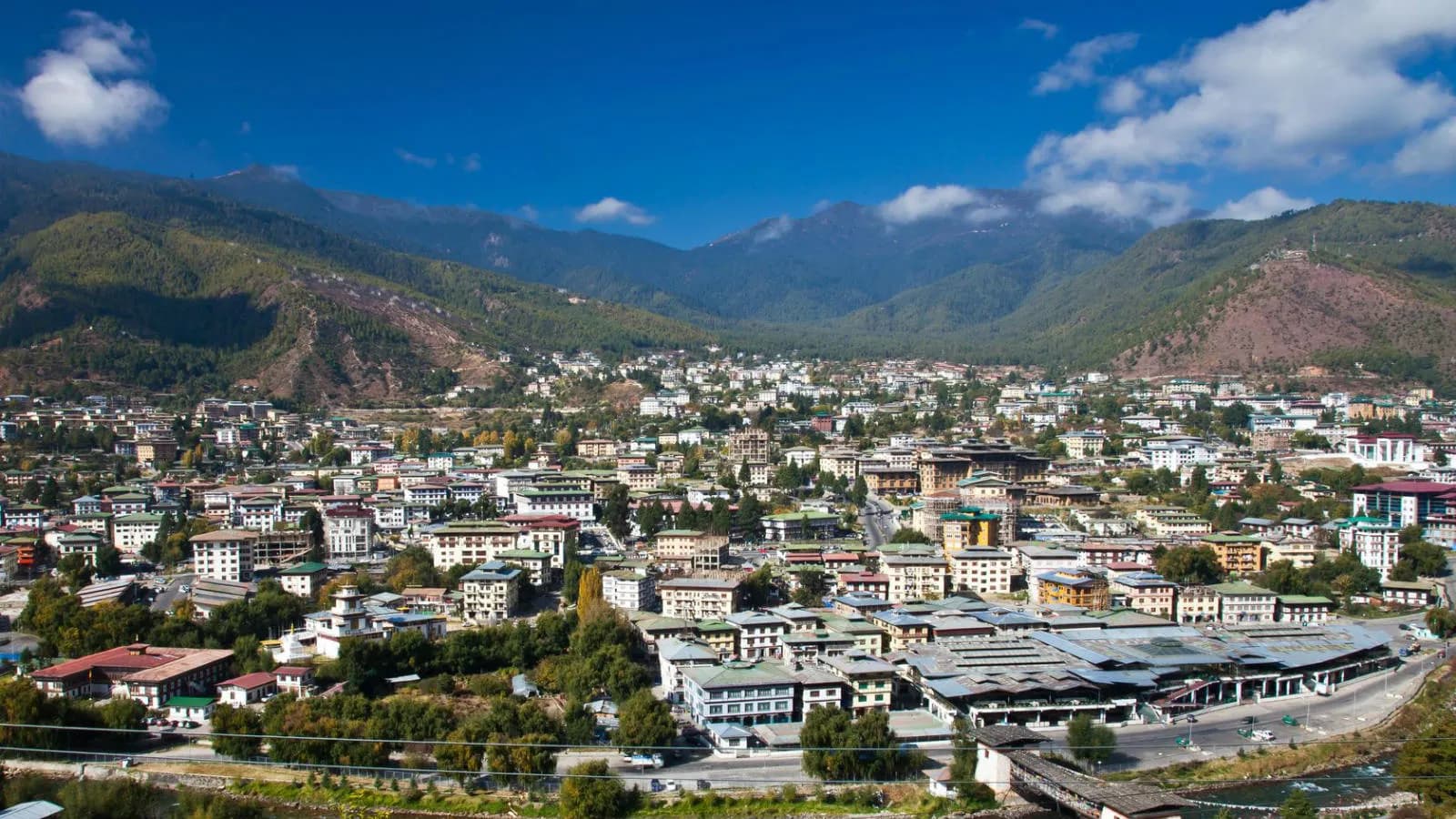
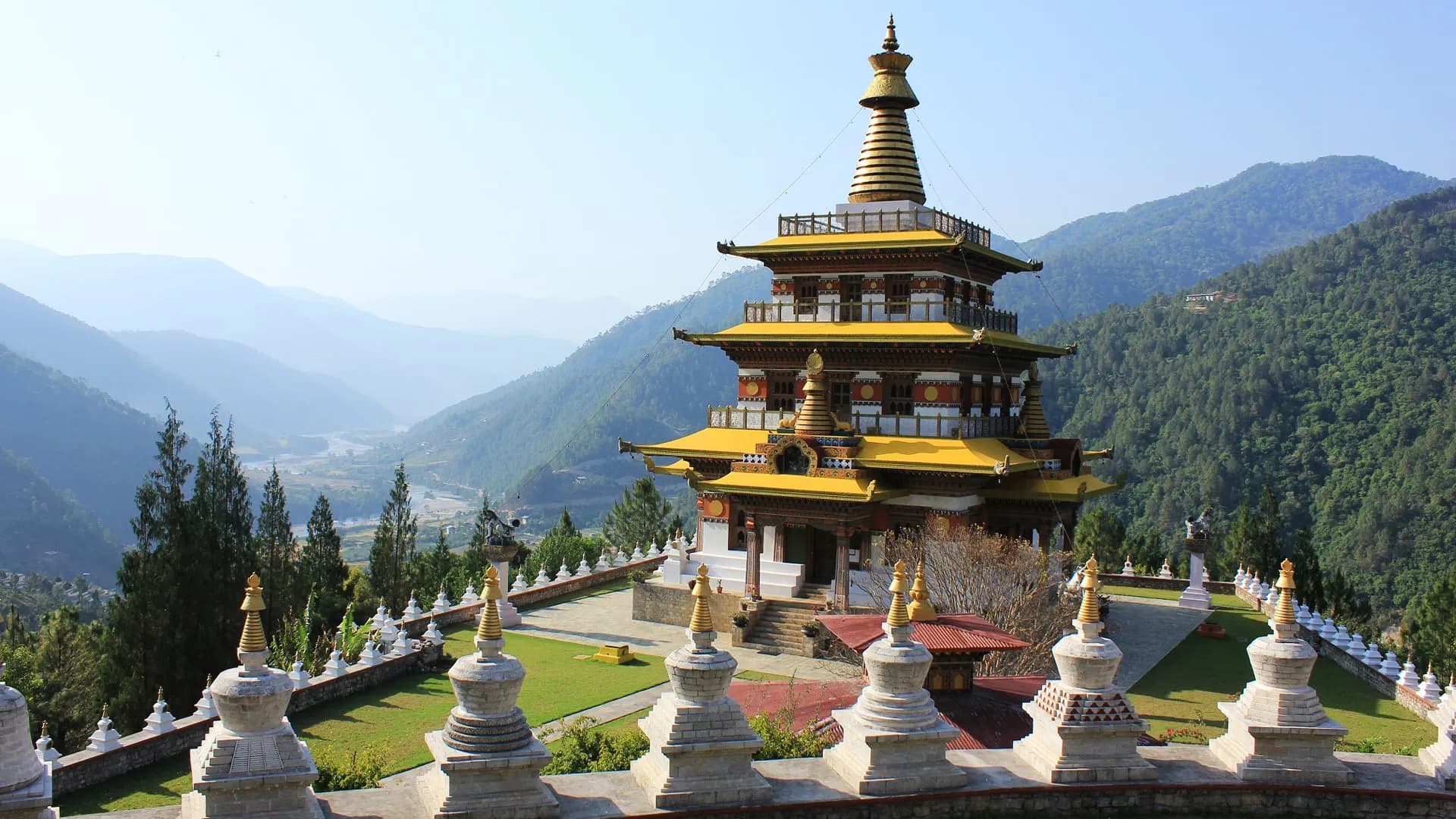
The Pa Chhu valley to the capital; the National Memorial Chorten in the early evening.
DAY 04
Thimphu day
Tashichho Dzong in the late afternoon; the Buddha Dordenma; the Folk Heritage Museum (the substantial parallel to the Edo-Tokyo Museum register).
DAY 05
Over Dochu La — into Punakha
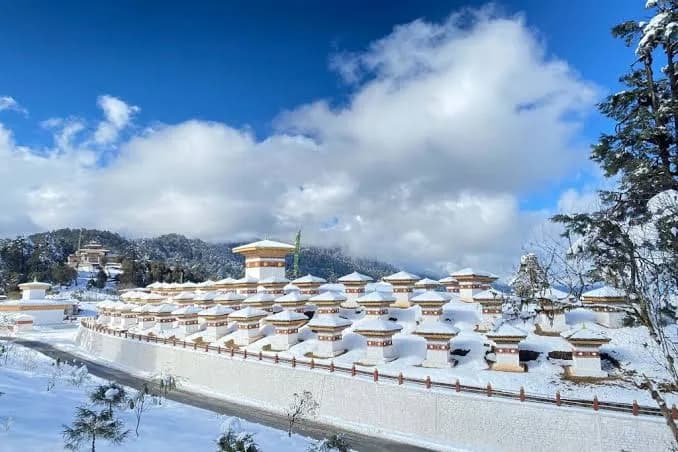
The 3,100m pass and the 108 chortens; Punakha Dzong in late-afternoon at the river confluence.
DAY 06
Punakha day
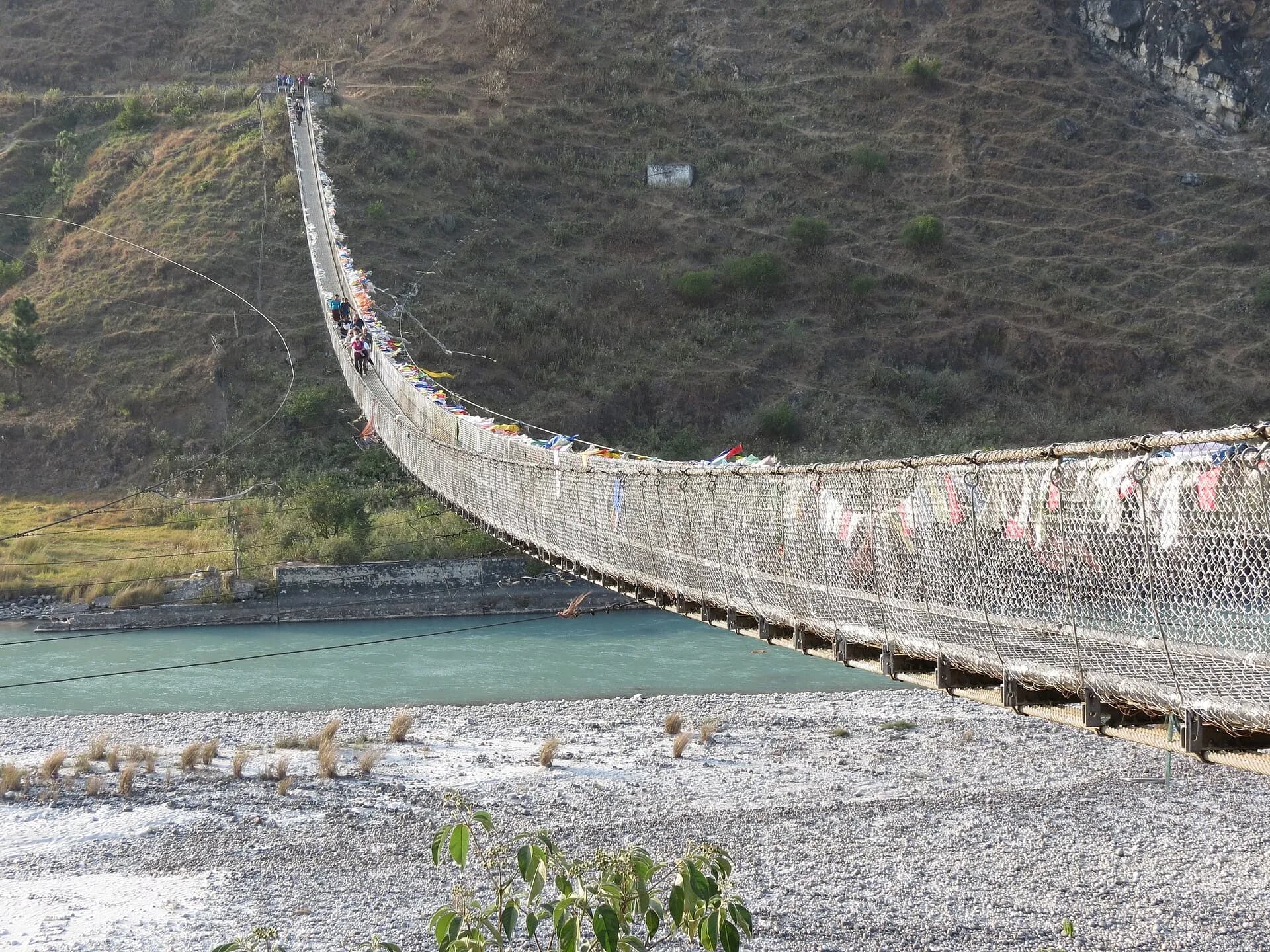
Chimi Lhakhang; the Mo Chhu walk; a long lunch; the suspension bridge in late light.
DAY 07
Back to Paro — ahead of Taktsang
The drive back; Kyichu Lhakhang in the afternoon; an early supper.
DAY 08
The Tiger's Nest — the climb and the flight back
The dawn climb; the cafeteria for lunch; the descent; the dawn flight back the following morning.
The day-by-day above is illustrative. The proposal you receive is built around your dates, your pace and your interests, not this template.
Frequently asked
- What's the Tokyo–Paro routing?
- Tokyo to Paro is one-stop via Bangkok (JAL or ANA NRT/HND-BKK; Drukair BKK-PBH the following morning) or Singapore (Singapore Airlines NRT/HND-SIN; Drukair SIN-PBH). We recommend Bangkok for the more leisurely premium-cabin experience. The hub overnight is your booking on your terms.
- How is Bhutan different from Japan, specifically?
- Architecturally similar — both cultures developed substantial wooden monastic-and-civic architecture with elaborate decorative programmes. Religiously distinct — Japan's Buddhism is principally Zen, Pure Land, and Shingon; Bhutan's is Tibetan Vajrayana through the Drukpa Kagyu lineage. The country's high altitude (2,200–3,000m for the principal sites) and the substantial topographical variation are different from Japan's lower-altitude flatter landscape. The food is substantially sharper (chilli-and-cheese centric rather than dashi-centric).
- Can the trip be longer?
- Yes — adding two nights at Phobjikha (the high glacial valley for the cranes) makes a nine-night trip; adding Bumthang (the country's densest religious circuit) makes a 11–12-night comprehensive Buddhist-tradition arc. For Japan-saturated travellers who want the Tibetan-Vajrayana exposure, we recommend the Bumthang extension.
Journeys you might also weigh
- 01Bhutan trip from BerlinA Bhutan-plus-Phobjikha journey for German couples flying from Berlin — the long-haul broken with a Doha or Singapore overnight, then eight unhurried nights in the post-monsoon autumn light. Restrained pacing; cultural depth; the kind of trip the German premium-travel reader expects.8 nights
from $17,000 - 02Bhutan trip from Kuala LumpurA Bhutan journey for Malaysian couples flying from Kuala Lumpur — the short hop to Bangkok or Singapore, the morning Drukair to Paro, then seven unhurried nights in the post-monsoon clarity. The cultural-Buddhist register that Malaysian premium travellers (Chinese-Malaysian, Indian-Malaysian, and Malay families) typically find rewarding.7 nights
from $14,000 - 03Bhutan trip from MadridA Bhutan-plus-Phobjikha journey for Spanish couples flying from Madrid — the long-haul broken cleanly with a Doha or Istanbul overnight, then eight unhurried nights in the post-monsoon autumn light. Cultural depth, generous pacing, late evenings that suit the Spanish rhythm.8 nights
from $17,000
Begin when you're ready.
A few questions, or a conversation in your own words. A bespoke draft either way.

