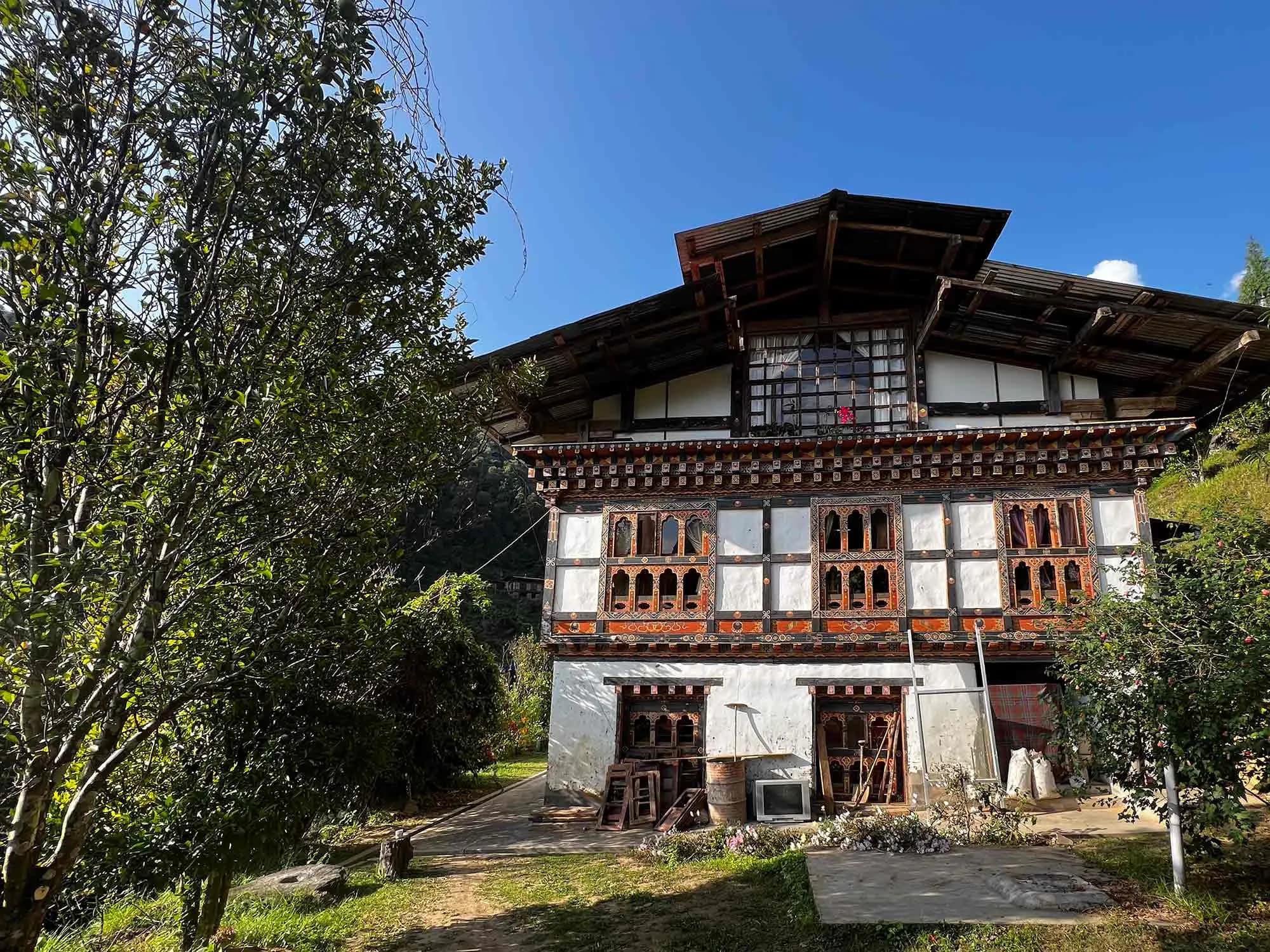
A SINGAPORE MARCH-SCHOOL-HOLIDAY TRIP
Bhutan from Singapore for the March school holiday — six nights at the spring shoulder before Paro Tshechu's demand peak.
Singapore's March school holiday is a single week, typically mid-March — falling just before the Paro Tshechu festival pressure peaks. The pre-Tshechu shoulder catches the country in early spring: the lower-valley rhododendron beginning to bloom, the Pa Chhu still cold, the Punakha jacaranda in early flower. We position the March-school-holiday trip as a quieter spring-shoulder family experience — the cultural depth of Bhutan with substantially less lodge pressure than the festival week itself.
6 nights · Premium tier · from USD 5,000 per traveller
- Nights
- 6
- From
- USD 5,000per traveller
- Tier
- Premium
- Best season
- Spring
- Suits
- Family
- Departing
- Singapore
Why the March shoulder, not the festival week itself
The Paro Tshechu typically falls in late March or early April depending on the lunar year; the festival week creates substantial pressure on lodge availability, Drukair seat capacity, and ground transport. **The Singapore March school holiday usually lands in the week or two before the festival** — the pre-Tshechu shoulder. This gives Singapore families the cultural depth and the spring weather of the Bhutanese spring window without the festival-week demand pressure. Lodges have meaningfully better availability; the cultural circuit feels quieter; the visitor pace is more considered. **For repeat visitors and HNI families specifically, the pre-Tshechu shoulder is increasingly our recommendation** over the festival week itself.
What the spring shoulder gives you
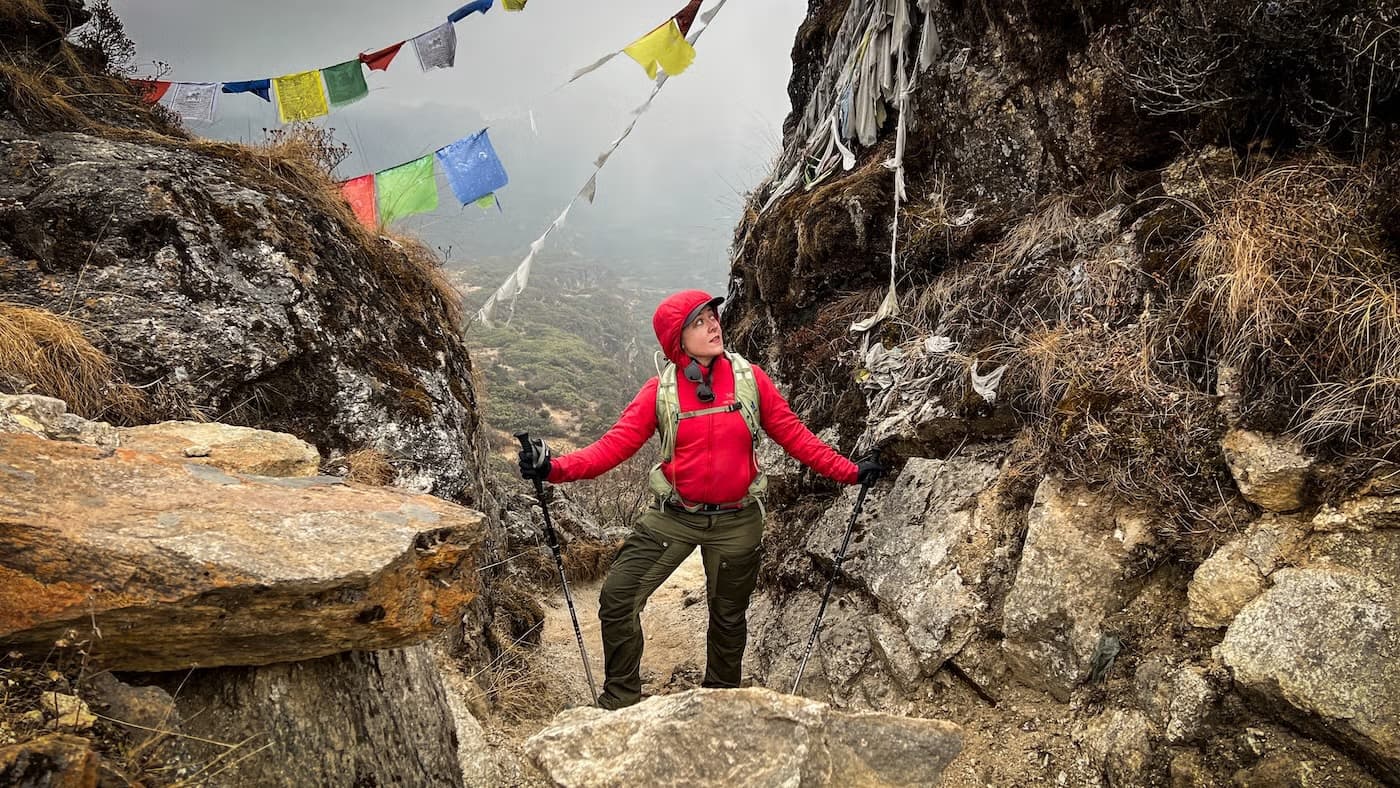
**The lower-valley rhododendron** begins flowering in mid-to-late March in the Punakha and Wangdue valleys (1,200-1,500m). **The Punakha jacaranda** — the large purple-flowered trees in the Punakha Dzong courtyard — typically opens in late March or early April. **The Pa Chhu river** is at its coldest of the year, with the Chomolhari snowpack contributing the substantial February-March clarity to the upper Paro valley views. **The Tiger's Nest hike** in March is at its photographic peak — clear skies, the snow line visible on the surrounding peaks, the cliff face sharp against the morning blue. **Daytime temperatures** in the western valleys are 12-20°C; nights 0-8°C — pack layers but the warm-spring tradition is established.
The 6-night Singapore family shape
**Sunday arrival** at Paro on the Drukair direct, **2 nights at Paro** (acclimatisation Day 1, the Paro cultural circuit Day 2, the Tiger's Nest hike Day 3 — though for families with younger children we structure Tiger's Nest as an alternative half-day). **1 night Thimphu** (Tashichho Dzong, the Buddha Dordenma, the National Memorial Chorten kora). **2 nights Punakha** (Punakha Dzong with the early jacaranda, Chimi Lhakhang for the fertility blessing if culturally relevant, the riverside walks). **1 night Paro** return for the Saturday morning Drukair departure. The pace accommodates children 7+ comfortably; for families with younger children we adjust the Tiger's Nest expectation and substitute a Drukgyel Dzong + Kyichu Lhakhang afternoon.
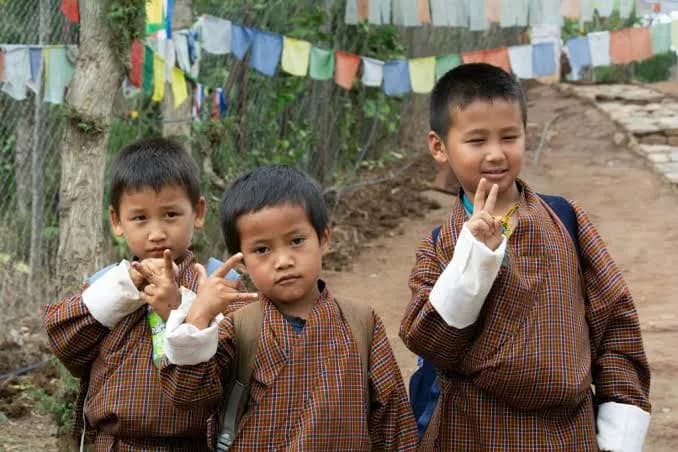
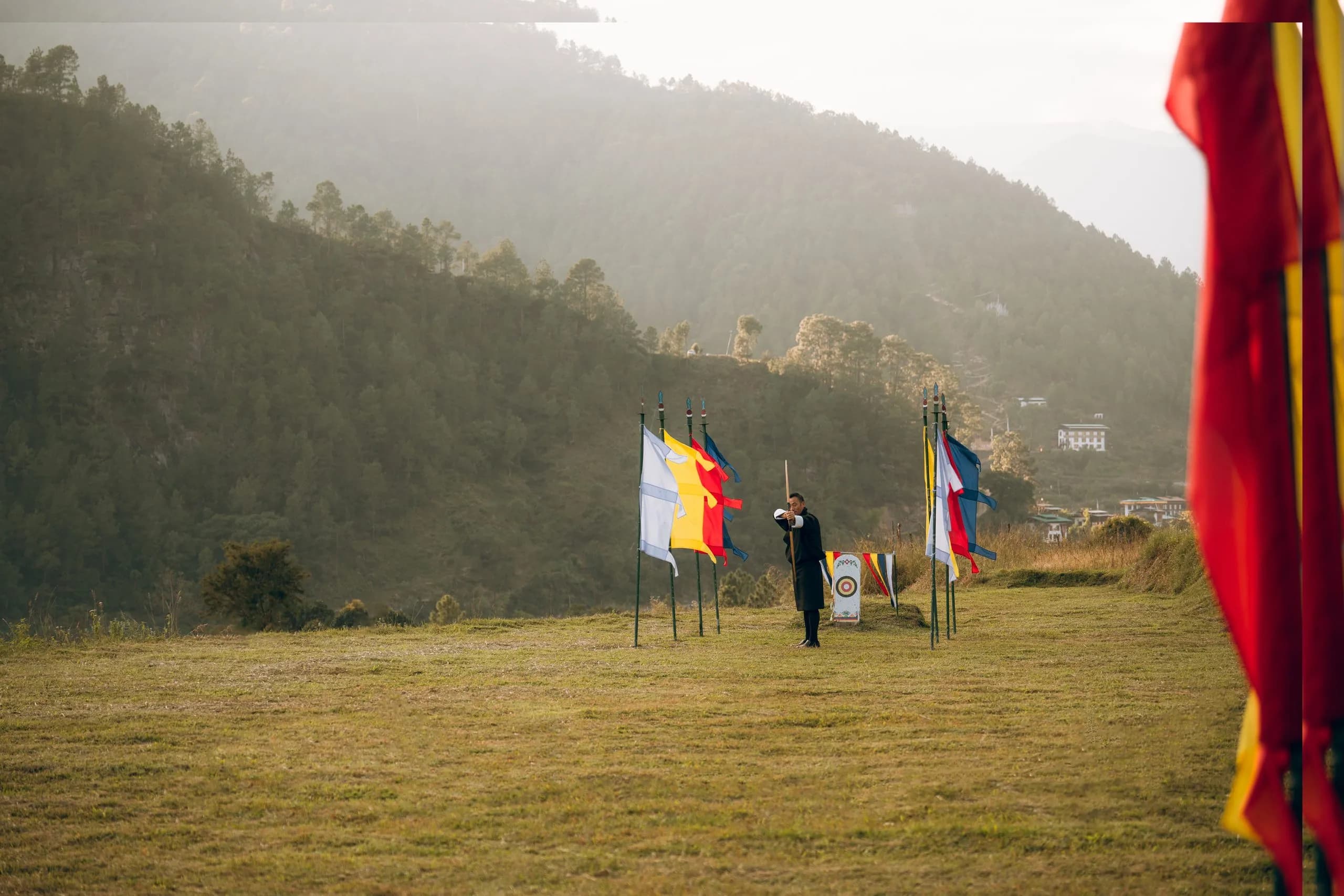
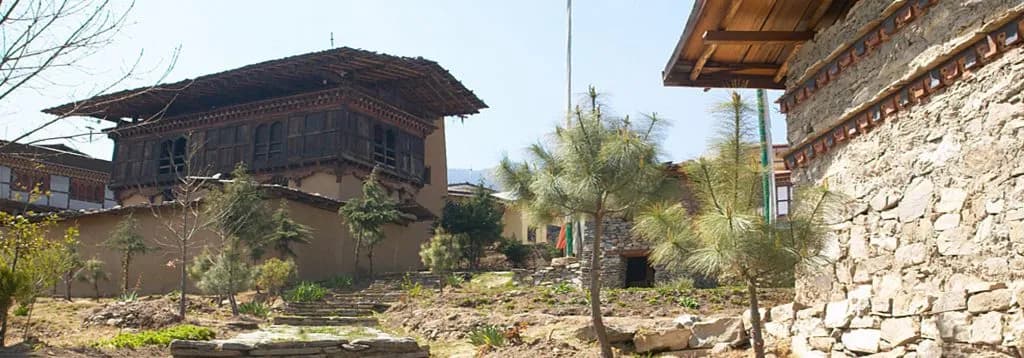
The route
A sample shape of the week
DAY 01
Sunday — Singapore to Paro, arrival
Drukair from Changi to Paro — effectively a direct flight with a brief 30-minute Guwahati stop where passengers continuing to Paro remain onboard. Arriving Paro in the late afternoon. Transfer to the Paro lodge. Gentle valley walk and dinner.
DAY 02
Monday — Paro cultural circuit
Morning Rinpung Dzong + Ta Dzong / National Museum. Afternoon walk to Kyichu Lhakhang (Bhutan's oldest temple) and the upper Paro valley including Drukgyel Dzong with the Chomolhari views. Early evening hot stone bath at the lodge.
DAY 03
Tuesday — Tiger's Nest hike
Early start (06:00 from the lodge, trailhead by 07:00) for the Paro Taktsang circuit. 5-6 hours including monastery visit and lunch at the mid-route cafeteria. The spring weather makes the trail dry; the cliff face is photographic peak.
DAY 04
Wednesday — Paro to Thimphu
Morning drive to Thimphu (~1.5 hours). Tashichho Dzong (afternoon, when visitor access opens), Buddha Dordenma at golden hour, the National Memorial Chorten kora at dusk with the Thimphu pilgrims. Overnight at the Thimphu lodge.
DAY 05
Thursday — Thimphu to Punakha via Dochu La
Morning drive over Dochu La (3,100m, the 108 chortens, clear-spring panorama north). Descend to Punakha (1,200m, warm and spring-like). Afternoon Punakha Dzong with the jacaranda in early flower. Overnight at the Punakha lodge.
DAY 06
Friday — Punakha day, return to Paro evening
Morning walk to Chimi Lhakhang through the Lobesa rice fields (Punakha's principal cultural moment). Afternoon at the Khamsum Yulley Namgyal Chorten with the suspension bridge crossing of the Mo Chhu. Late-afternoon drive back to Paro for the Saturday morning Drukair return.
The day-by-day above is illustrative. The proposal you receive is built around your dates, your pace and your interests, not this template.
Frequently asked
- Should I plan around Paro Tshechu?
- Depends on your priority. If the festival itself is the draw, lock the Tshechu week 9-12 months ahead. If the considered cultural experience is the priority (and the festival pressure isn't the goal), the pre-Tshechu shoulder in the Singapore March school holiday gives the same Bhutanese cultural depth with substantially better lodge availability and a more intimate atmosphere. For first-time Singapore families, we increasingly recommend the shoulder over the festival week.
- Will the rhododendron be blooming?
- The lower-valley rhododendron (1,200-2,000m elevation) typically begins flowering in mid-to-late March in the Punakha and Wangdue valleys. The upper-valley and alpine rhododendron blooms progressively later (April-May). For the March school-holiday week, expect the lower-valley bloom in good years; the alpine tradition is for the late-May visitor.
- How cold will it be?
- Daytime: 12-20°C in the western valleys (warm-spring window). Mornings: 0-8°C. Pack layers — a warm fleece + waterproof shell handles the range. The Punakha valley at 1,200m is meaningfully warmer than Paro (2,200m) and Thimphu (2,300m); the contrast is one of the trip's pleasures.
- Is the Tiger's Nest hike OK in March?
- Excellent. The trail is dry, the cliff-face tradition sharp, the morning weather typically reliable. Children 8+ with reasonable fitness complete the round trip comfortably (with the standard horse-to-cafeteria option for the lower section if needed). The March light is particularly good for the principal photographic moment.
- How early should I book the March holiday?
- 4-6 months ahead for the standard shoulder dates; 6-9 months ahead if any part of your week overlaps with the Paro Tshechu festival period (which varies year-on-year per the Bhutanese lunar calendar). Our concierge confirms the exact Tshechu dates against your travel week and surfaces alternative dates if your week lands on the festival peak.
Journeys you might also weigh
- 01Bhutan from Singapore for the June school holidaySingapore's June school holiday is the longest of the year — four full weeks. For Bhutan, **early June (the first 2 weeks) is the pre-monsoon shoulder**: rain is present but not yet sustained, the country is at its most-vivid green, the visitor count is substantially lower than the spring or autumn peaks, and lodge availability is the most flexible of any Singapore-school-holiday window. **Late June onwards we discourage** (the heart of the Indian Monsoon arrives). For Singapore families committed to the June window, the early-June trip works — with the honest framing that this is the atmospheric Bhutan experience rather than the panoramic-clarity one.6 nights
from $4,500 - 02Bhutan from Singapore for the year-endThe Singapore year-end school holiday lands precisely in Bhutan's most-reliable panoramic window. December delivers the clearest Himalayan visibility of the year, the lowest visitor count, the warmest welcome at the premium lodges, and — if your dates work — the 17 December National Day ceremony at Changlimithang in the presence of the Royal Family. The standard Sun-Sat Drukair cycle gives a 6-night trip that opens Bhutan at a considered pace.6 nights
from $5,000 - 03Bhutan from Singapore for the September school holidaySingapore's September school holiday lands in the autumn-opening window for Bhutan — the late-monsoon tail clearing, the post-monsoon clear-sky window beginning to open, and the **mid-September shoulder before the Thimphu Tshechu festival pressure peaks**. For Singapore families, this is one of the year's better cultural-and-weather windows with substantially less lodge demand than the festival week itself. The cultural depth, the clearing skies, the autumn rice paddies turning gold — without the festival-week pressure on lodges, Drukair seats, and ground transport.6 nights
from $5,000
Begin when you're ready.
A few questions, or a conversation in your own words. A bespoke draft either way.

