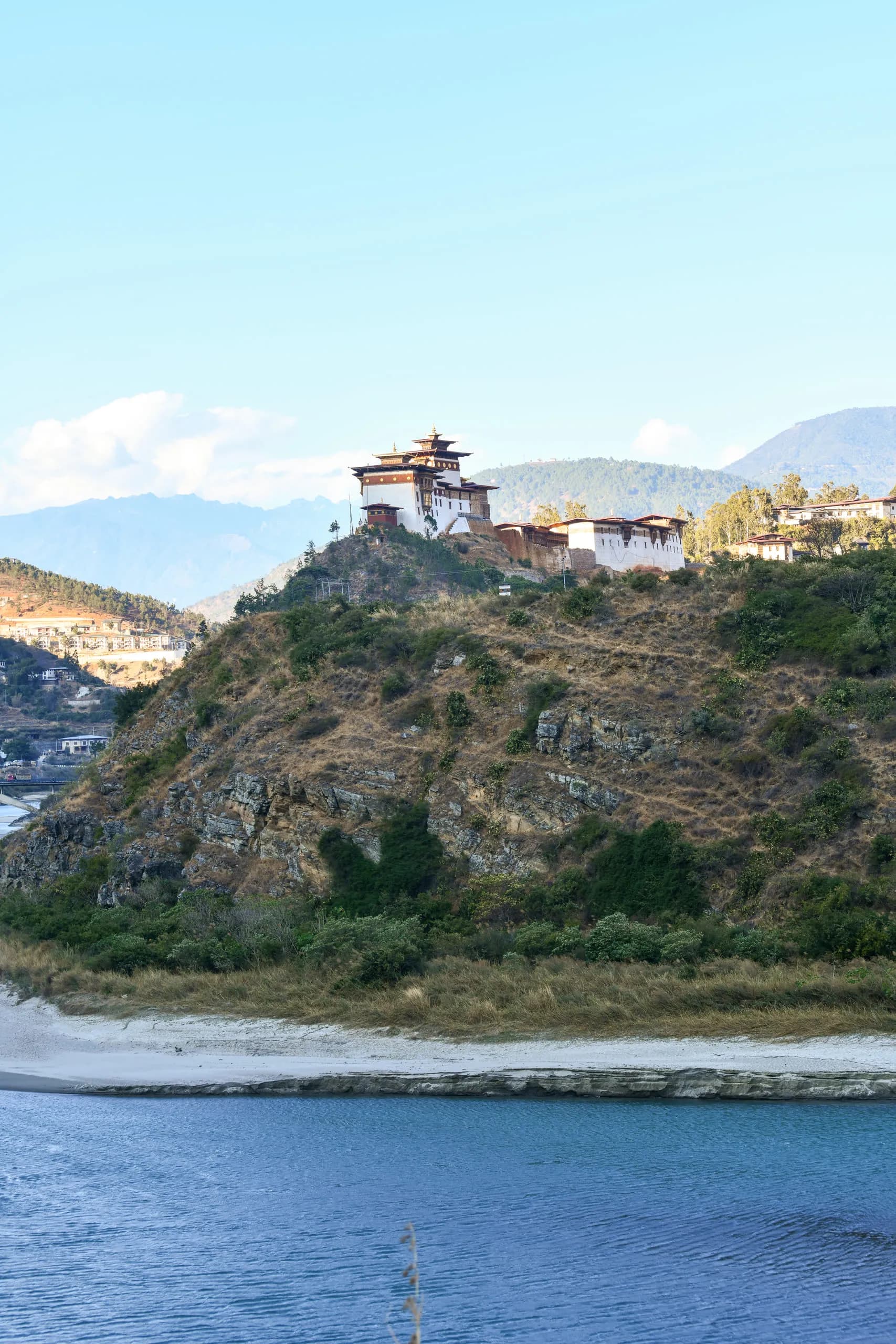
A CONSIDERED HIMALAYAN WEEK
Eight nights in Bhutan, on the routing from Melbourne.
A Bhutan-plus-Phobjikha journey for Australian couples flying from Melbourne — the long-haul broken with a Singapore overnight, then eight unhurried nights in the post-monsoon clarity. The pacing that Australian premium-travel readers (often with substantial Asian-travel exposure) tend to value most.
8 nights · Luxury tier · from USD 19,000 per couple
- Nights
- 8
- From
- USD 19,000per couple
- Tier
- Luxury
- Best season
- Autumn
- Suits
- Couple
- Departing
- Melbourne
The Melbourne routing
Melbourne to Paro is one-stop via Singapore (Singapore Airlines MEL–SIN, Drukair SIN–PBH the following morning — our usual recommendation; the cleanest connection and the most premium hub experience) or Bangkok (Qantas / Thai MEL–BKK, Drukair BKK–PBH). The hub overnight is your booking on your terms; we recommend, brief the property, and coordinate the morning timing.
What the eight nights cover
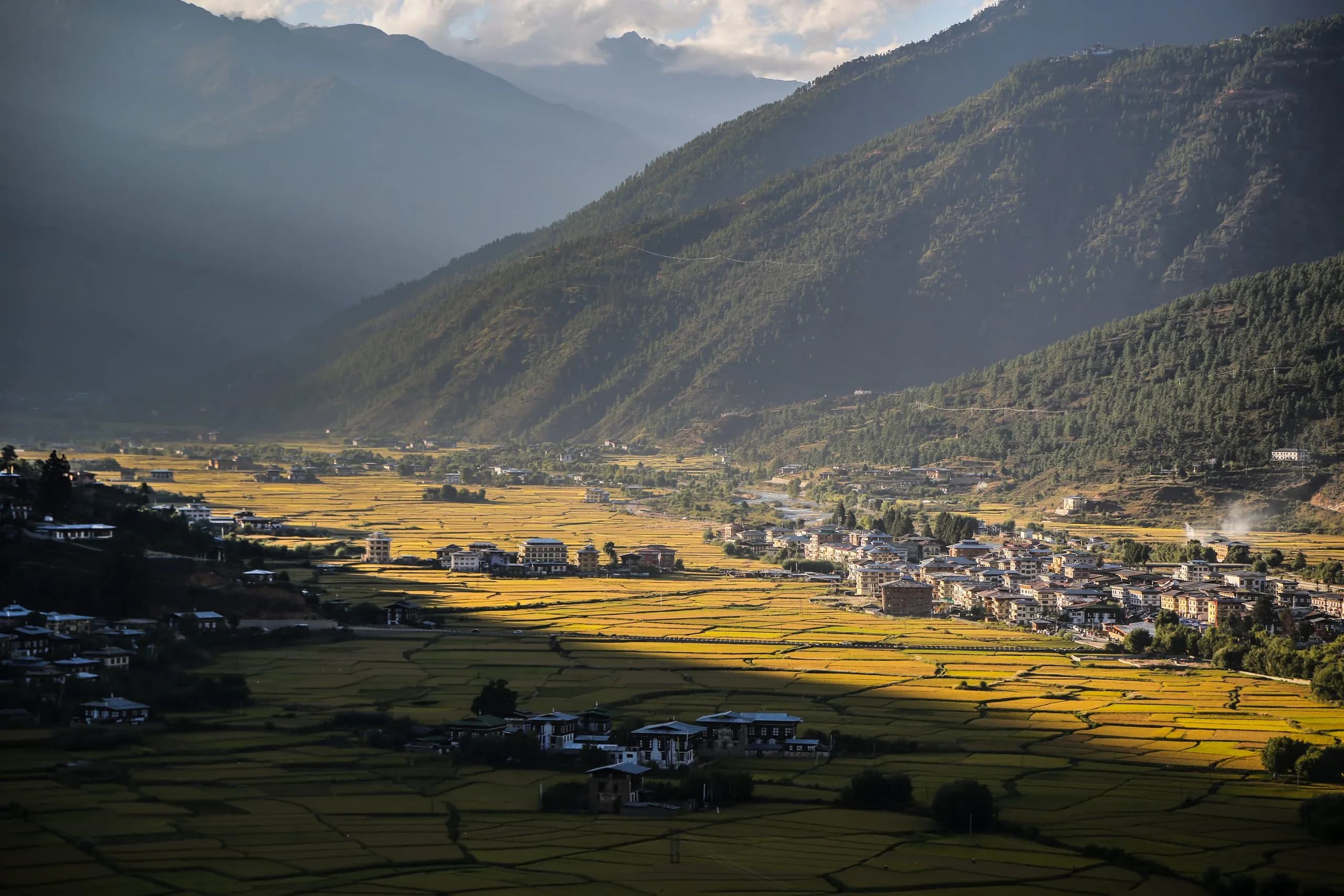
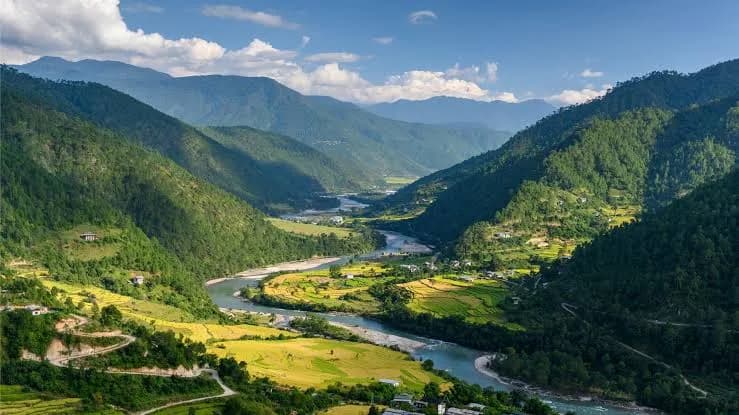
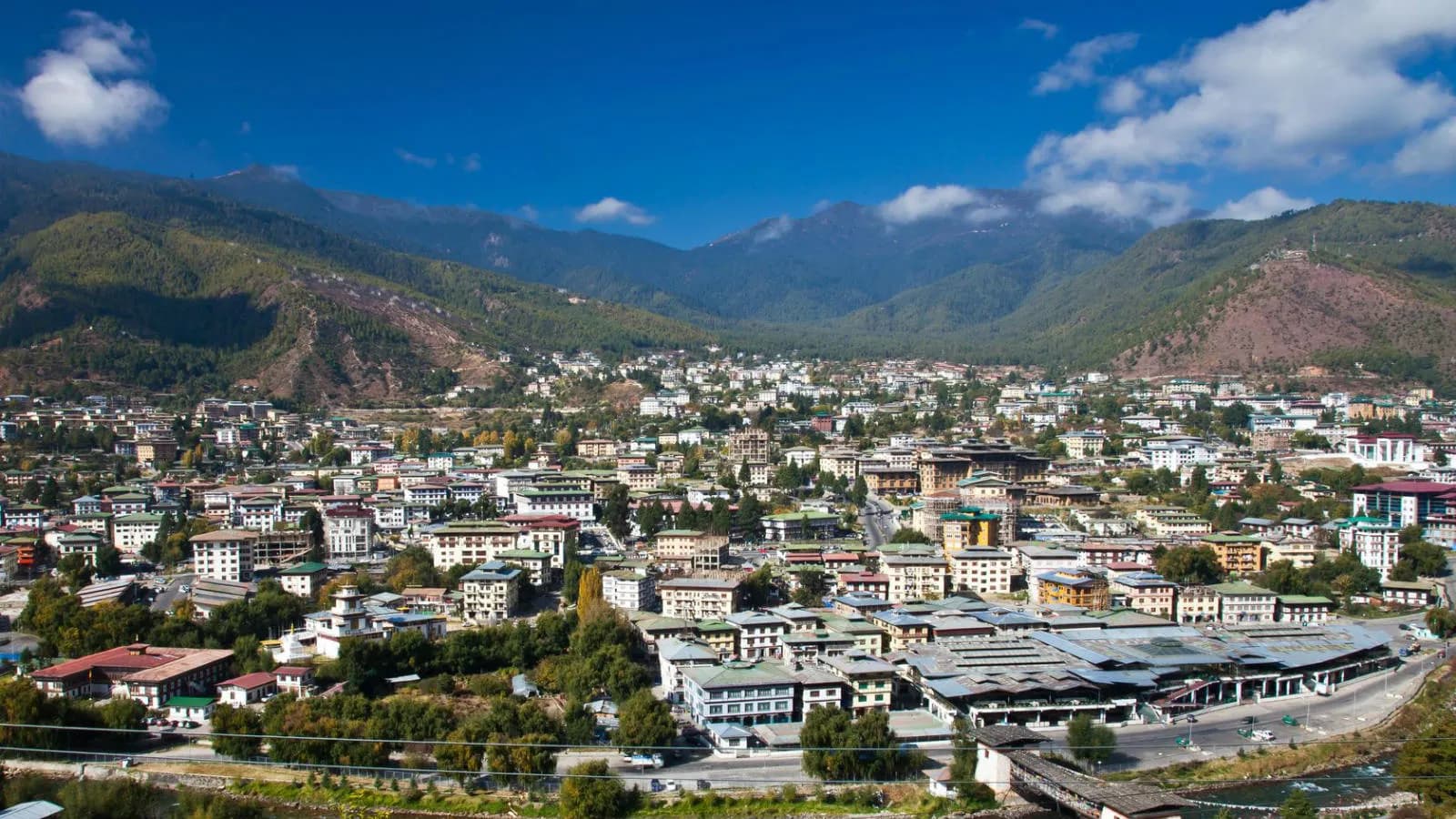
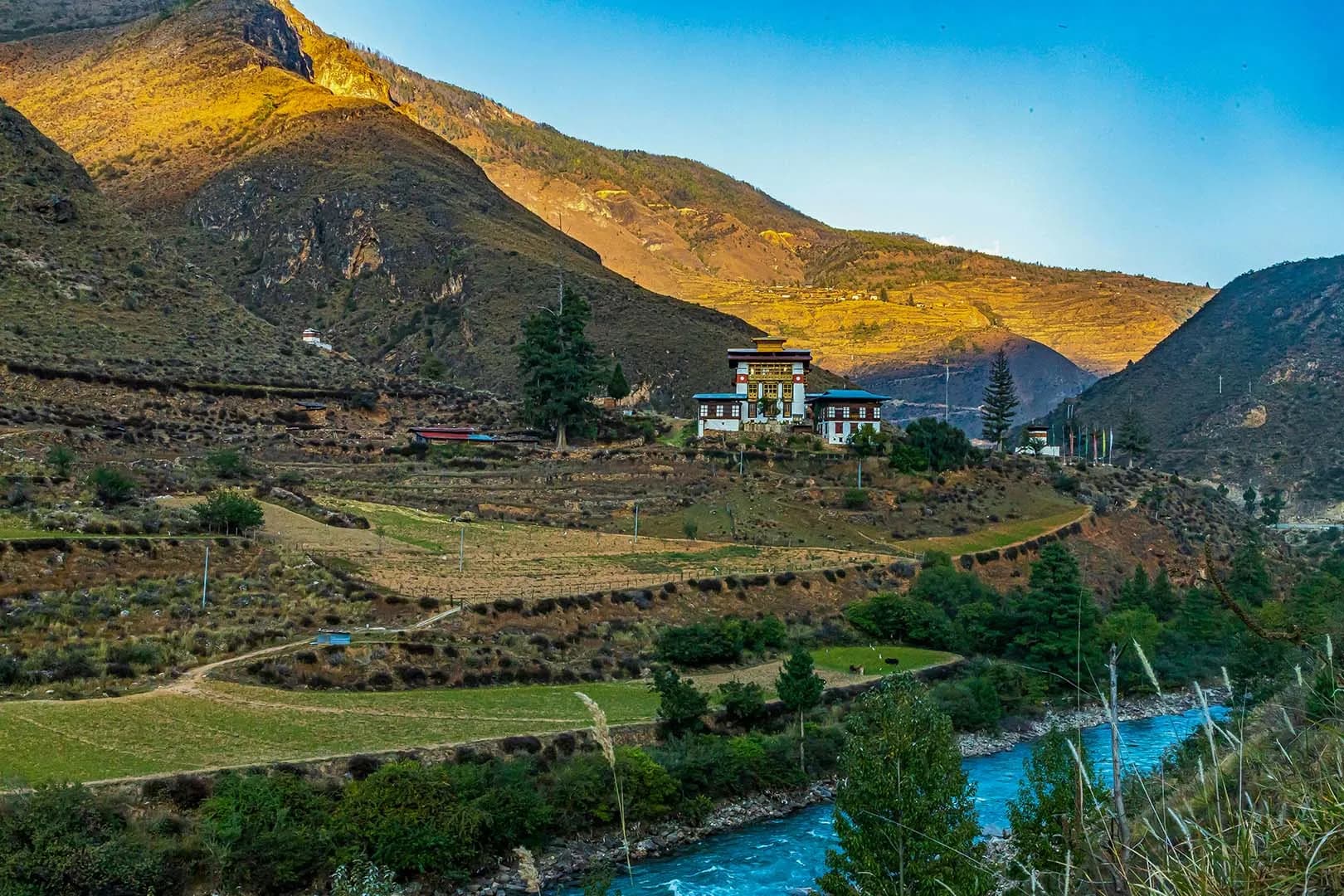
Two nights in Paro to clear the long-haul fatigue and walk Rinpung Dzong and Kyichu Lhakhang in the autumn light; two in Thimphu for the capital taken slowly and a quiet evening at Tashichho Dzong; two over Dochu La in the warm Punakha valley with a long day at the dzong at the confluence; two over the Lawa La in the high glacial Phobjikha valley with the black-necked cranes (late October onwards); one last night in Paro before the Taktsang climb and the morning flight back.
Who you'll travel with — and the Melbourne traveller specifically
One Bhutanese guide for the full eight nights — matched from our small, carefully curated network, chosen for the religious-philosophical conversation Australian travellers (often with substantial Asia-travel exposure — Japan, Vietnam, Cambodia, Sri Lanka, Indonesia) tend to value, the photographer's eye for the autumn light, and the discretion to leave silence when wanted. Melbourne couples often arrive with sophisticated travel literacy; the matched guide is calibrated to speak at that level.
The route
A sample shape of the week
DAY 01
Arrival in Paro — recovery
Met at PBH after the Singapore-morning Drukair; twenty minutes to the lodge; a slow afternoon and an early supper.
DAY 02
Paro day — Rinpung Dzong and the museum
The principal dzong in morning light; Ta Dzong (the National Museum) in the late morning; an afternoon at Kyichu Lhakhang.
DAY 03
Across to Thimphu
The Pa Chhu valley to the capital; the National Memorial Chorten in the early evening; an unhurried supper.
DAY 04
Thimphu day
Tashichho Dzong in the late afternoon; the Buddha Dordenma on the southern ridge for dusk light; the Centenary Market if it's the weekend.
DAY 05
Over Dochu La — into Punakha
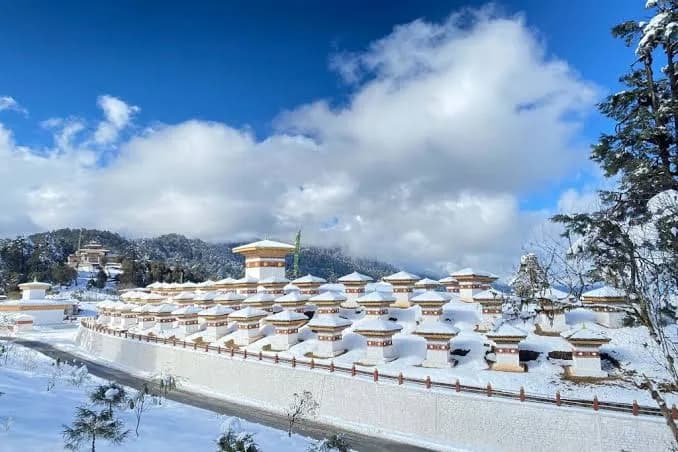
The 3,100m pass and the 108 chortens; Punakha Dzong in late-afternoon at the confluence.
DAY 06
Punakha day
Chimi Lhakhang in the morning; the Mo Chhu walk to Khamsum Yulley Namgyal Chorten; a long lunch; the suspension bridge in late light.
DAY 07
Up to Phobjikha — the high valley
Over the Lawa La; Gangtey Monastery on the ridge; the cranes in late-afternoon if the date holds; the valley silence at the lodge.
DAY 08
Back to Paro — Tiger's Nest the next morning
The drive back over the passes; Kyichu Lhakhang in the afternoon; an early supper.
DAY 09
The Tiger's Nest — and the flight back
The dawn climb at your pace; lunch at the cafeteria; the descent; the dawn flight back the following morning.
The day-by-day above is illustrative. The proposal you receive is built around your dates, your pace and your interests, not this template.
Frequently asked
- Best window for Melbourne travellers?
- Mid-October through late November is the principal window — post-monsoon clarity, the autumn light, the cranes arriving at Phobjikha. The Australian September/October school holidays align with the Bhutanese autumn. April–May is the spring window. We typically advise against deep monsoon (July–August).
- Routing — is the Singapore stopover essential?
- Not essential — Bangkok works equally well. We recommend the Singapore stopover for the cleanest connection and the Singapore Airlines premium-cabin experience on the MEL–SIN leg. Bangkok suits travellers who want a hub experience leaning toward the cultural-Asian rather than the urban-Singapore. Both deliver you to Drukair the following morning at calm pace.
- Can the trip be extended for the trek-curious traveller?
- Yes — adding the Druk Path Trek (3-5 days; Paro to Thimphu over the ridge; substantial light-trekking) or the Bumdra Trek (1-2 nights; the dzong-viewpoint trail) adds the trek register without committing to the Snowman-tier high-altitude work. Australian couples with bushwalking experience tend to value the trek extensions.
- What is the Sustainable Development Fee?
- USD 100 per night per international visitor, set by the Royal Government of Bhutan. Included in your transparent price breakdown across all eight nights (USD 800 total per traveller).
Journeys you might also weigh
- 01Bhutan from SeoulA private seven-night journey for a couple flying out of Seoul — Paro, Thimphu, Punakha, and the climb to Taktsang — routed by way of Bangkok, Singapore or Kathmandu, and paced so the days are long rather than full. The Buddhist heart of the country and the clear October light are an easy thing to want from Seoul.7 nights
from $13,000 - 02Bhutan from SydneyA private western-circuit journey for a Sydney couple — Paro, Thimphu, Punakha, and the climb to Taktsang — with one guide across the week and a pace set by the valleys rather than the calendar. The flight out, by way of Singapore or Bangkok, is where the slowing-down begins.8 nights
from $16,000 - 03Bhutan from TaipeiA private seven-night journey for a couple flying out of Taipei — Paro, Thimphu, Punakha, and the climb to the Tiger's Nest — routed through Bangkok, Singapore, or Hong Kong, and paced for the things a Vajrayana traveller actually comes for: the quiet hour in a lhakhang, the prayer flags on a high pass, the conversation that lasts the whole drive.7 nights
from $12,000
Begin when you're ready.
A few questions, or a conversation in your own words. A bespoke draft either way.

