A WEEK IN BHUTAN, PLANNED QUIETLY
Bhutan from Bangalore — Six nights in the western valleys, on the short hop from Bangalore.
A private Bhutan journey for a Bangalore couple or family — one stop via Kolkata or Delhi, the whole week across the Paro, Thimphu, and Punakha valleys, paced so the days end with a hot stone bath, a slow dinner, and nothing left undone. As Indian nationals you travel on an entry permit rather than a visa, and the regional Sustainable Development Fee keeps the week well within reach of a considered trip.
6 nights · Premium tier · from USD 5,000 per couple
- Nights
- 6
- From
- USD 5,000per couple
- Tier
- Premium
- Best season
- Autumn
- Suits
- Couple
- Departing
- Bangalore
Why the autumn week, and why from Bangalore
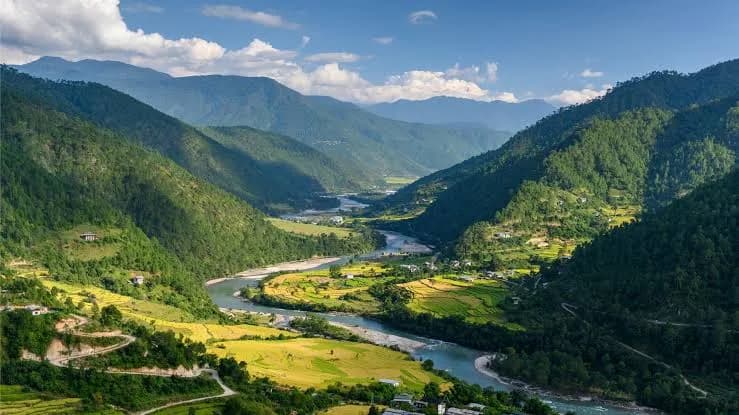
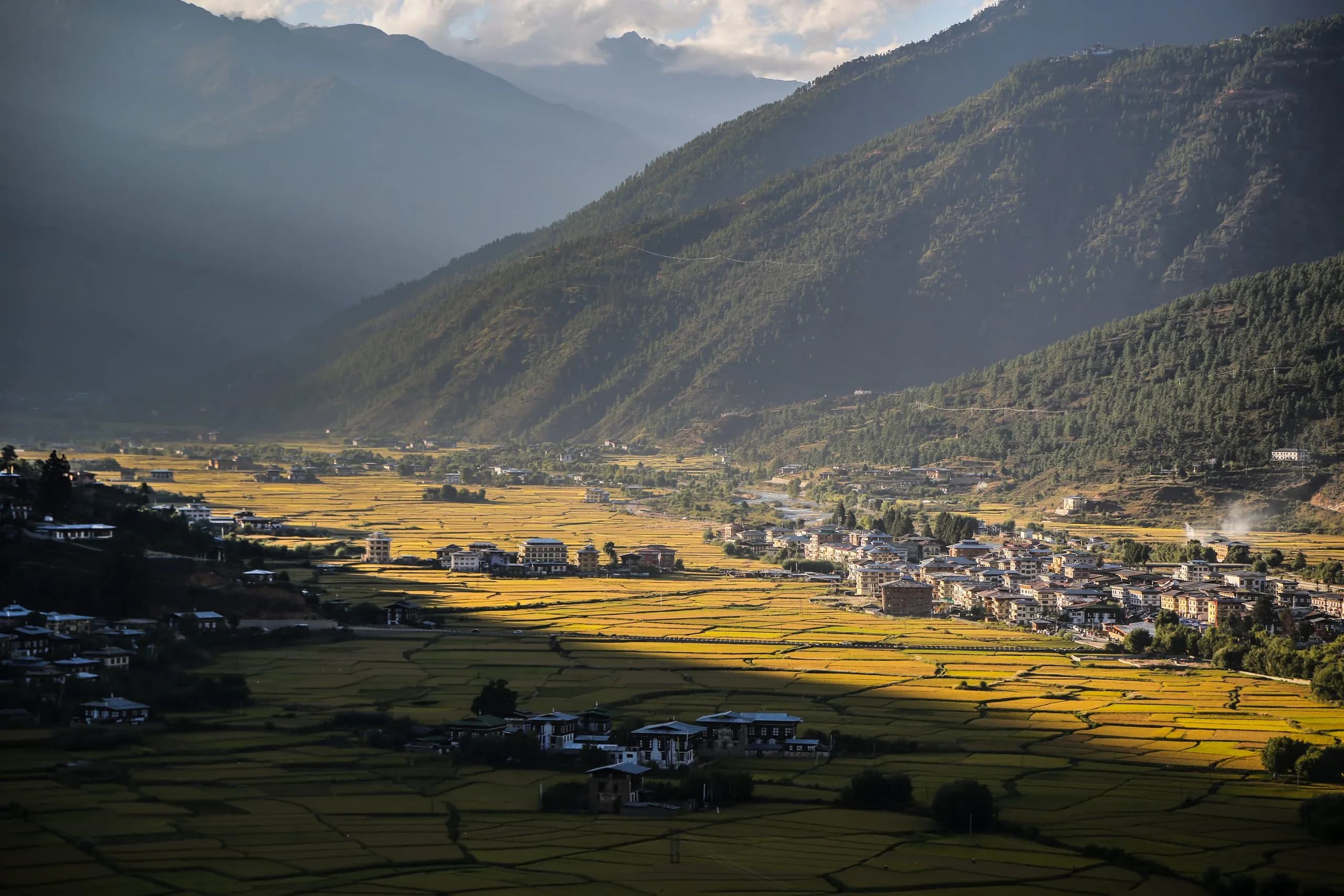
Bangalore to Paro is typically one stop — a morning domestic leg to Kolkata or Delhi, a short connection, then the flight up to Paro on Drukair or Bhutan Airlines. For an Indian passport the Indian hubs are clean and unhurried; there is no transit-visa formality to think about, and the connecting flight to Paro is the only border you cross. Autumn — late October into November — is Bhutan's clearest light: the eastern Himalaya visible from the Dochu La ridge on a good morning, the rice gold in the Punakha terraces, the high passes dry and bright. The short hop from the south of India plus a single connecting flight makes this one of the most efficient routings to Bhutan of any premium Indian market.
What the week tends to look like
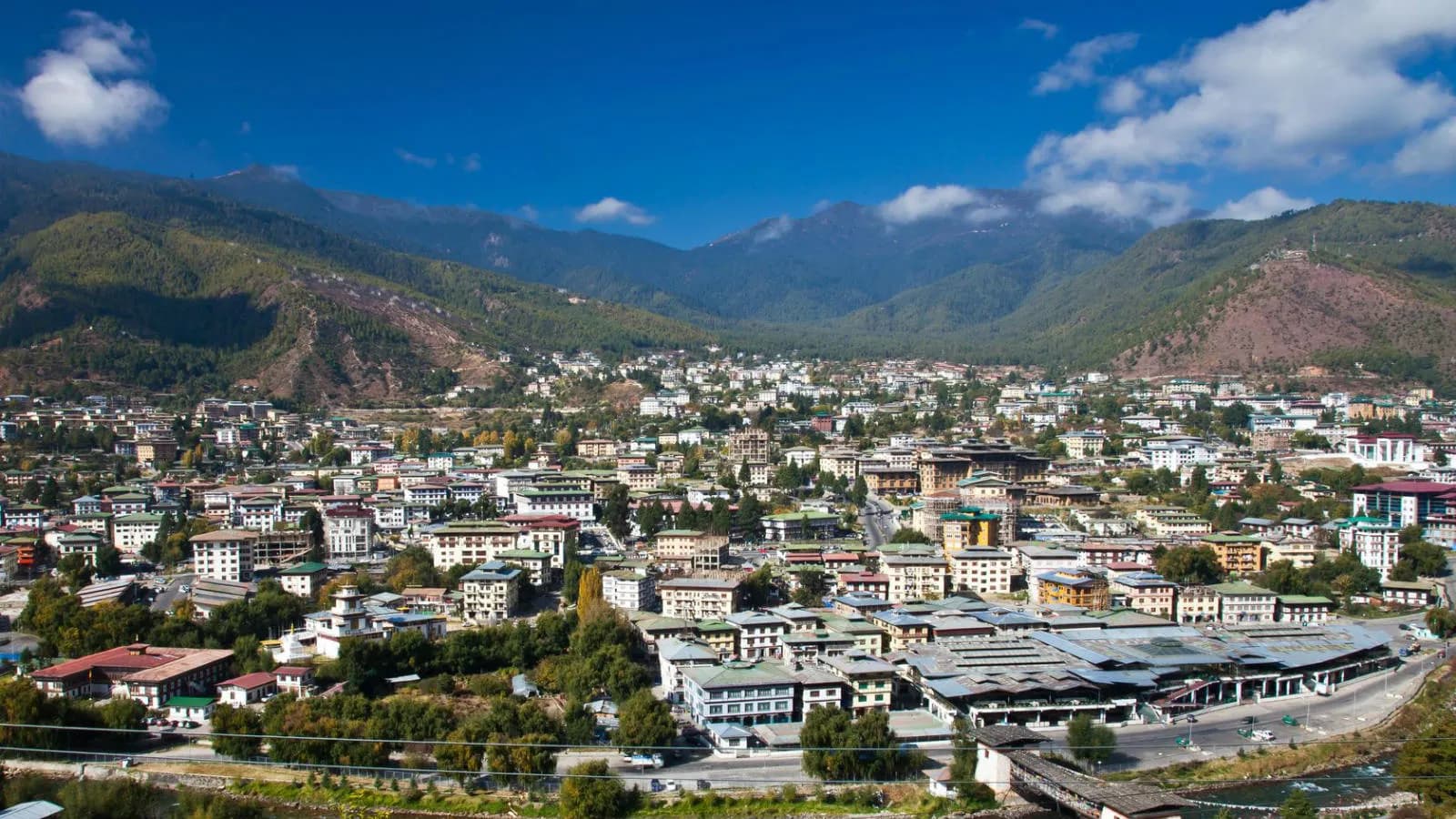
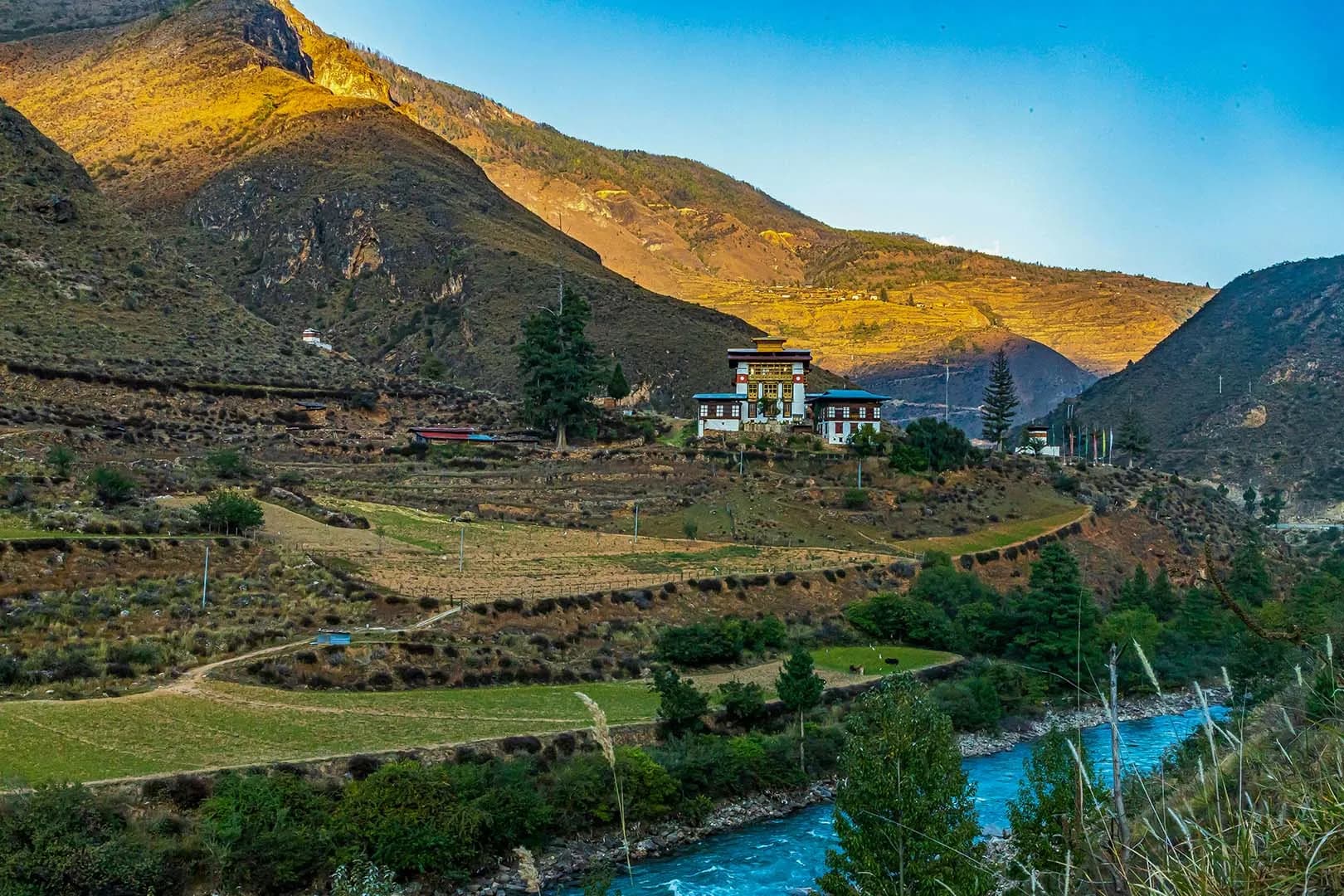
Two nights in Paro to settle in and walk Rinpung Dzong and Kyichu Lhakhang in the long autumn afternoons; two in Thimphu for the capital taken slowly, with the Memorial Chorten at the late-afternoon prayer hour; two over Dochu La in Punakha at the warm-valley confluence of the Mo and Pho Chhu, with a long lunch by the river and the climb to Taktsang held for the final full day. The drive from Paro to Thimphu is 54 km, a little over an hour; Thimphu to Punakha is 75 km and around three hours over the 3,100-metre pass. We adjust the shape within an inch of an hour either way to suit how you actually travel.
Who you'll travel with
One Bhutanese guide for the full week — matched from our closed network of knowledgeable guides, chosen for languages (Hindi is common in our network; many guides train in India), pace, and the depth of religious context that Indian travellers tend to enjoy. Bhutan and India share a long cultural and devotional continuum, and a guide who can read the Vajrayana tradition against what you already know — without lecturing, without weighing it down — turns a temple visit into something closer to recognition. The guide is named in your proposal before you confirm; we change the match if it does not feel right.
The route
A sample shape of the week
DAY 01
Arrival in Paro — settled in by mid-afternoon
Met in the arrivals hall, twenty minutes to the lodge, a quiet first walk along the Pa Chhu if the light holds. The permit is handled before you land; nothing to queue for.
DAY 02
Paro day — Rinpung Dzong in the morning light
The principal Paro dzong in early-morning calm; Ta Dzong (the National Museum) in the late morning; an afternoon at Kyichu Lhakhang, one of the country's oldest temples, with the orange trees in the courtyard.
DAY 03
Across to Thimphu — the capital, slowly
The 54-km drive along the Pa Chhu valley to the capital; the National Memorial Chorten in the early evening when the elderly pilgrims circumambulate; an unhurried first evening in town.
DAY 04
A day in Thimphu, then over Dochu La
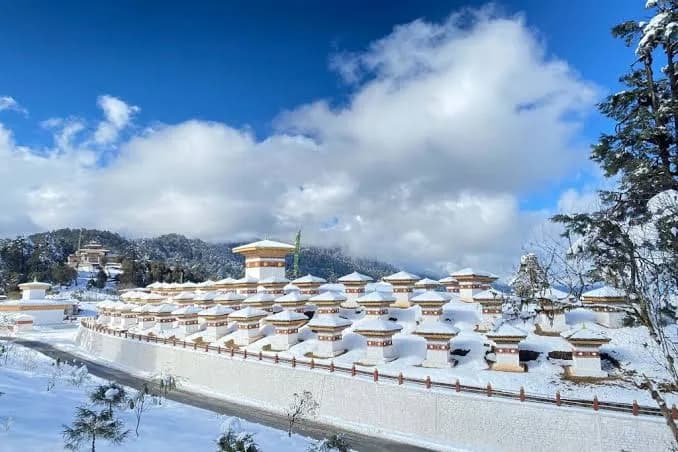
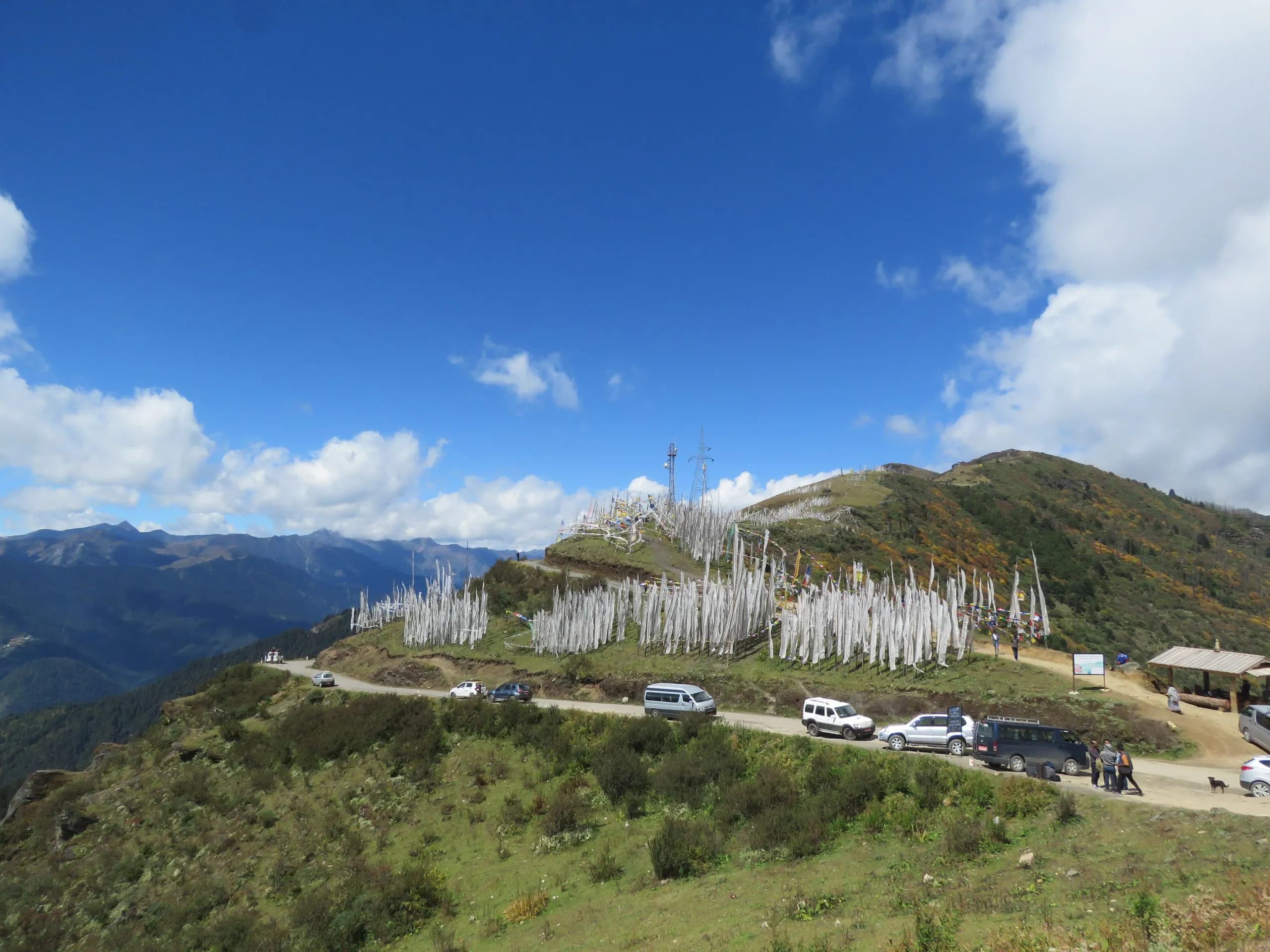
A slow morning in the capital; the 75-km crossing of the 3,100-metre Dochu La and its 108 chortens; descent through rhododendron forest into the warm Punakha valley; Punakha Dzong at the confluence in late-afternoon light.
DAY 05
A day in Punakha — paddies, suspension bridge, slow lunch
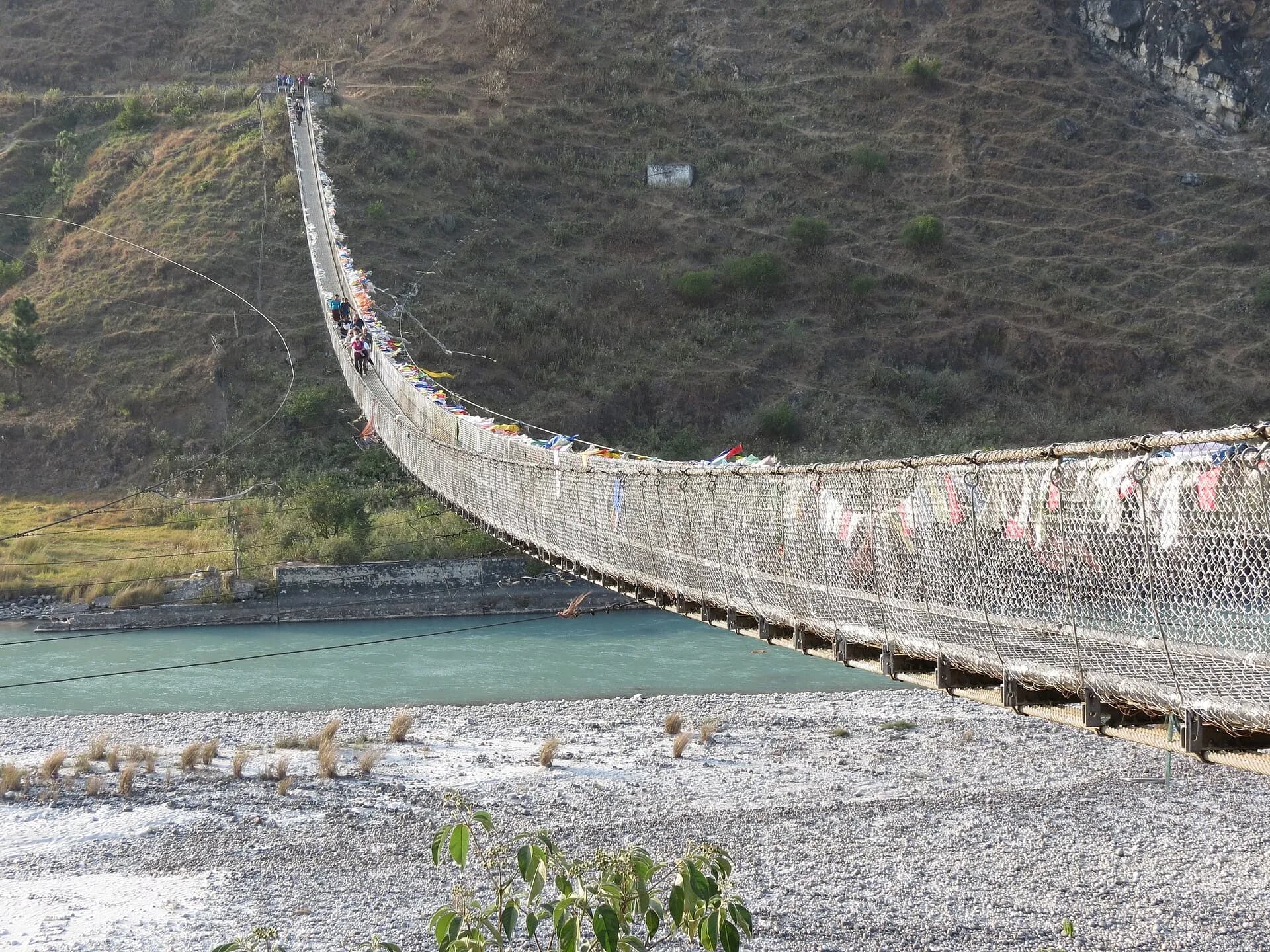
Lobesa's terraced rice in autumn gold; Chimi Lhakhang and the walk through the fields; a long riverside lunch; the suspension bridge when the wind has dropped.
DAY 06
Back to Paro for the Tiger's Nest — slowly, the right way
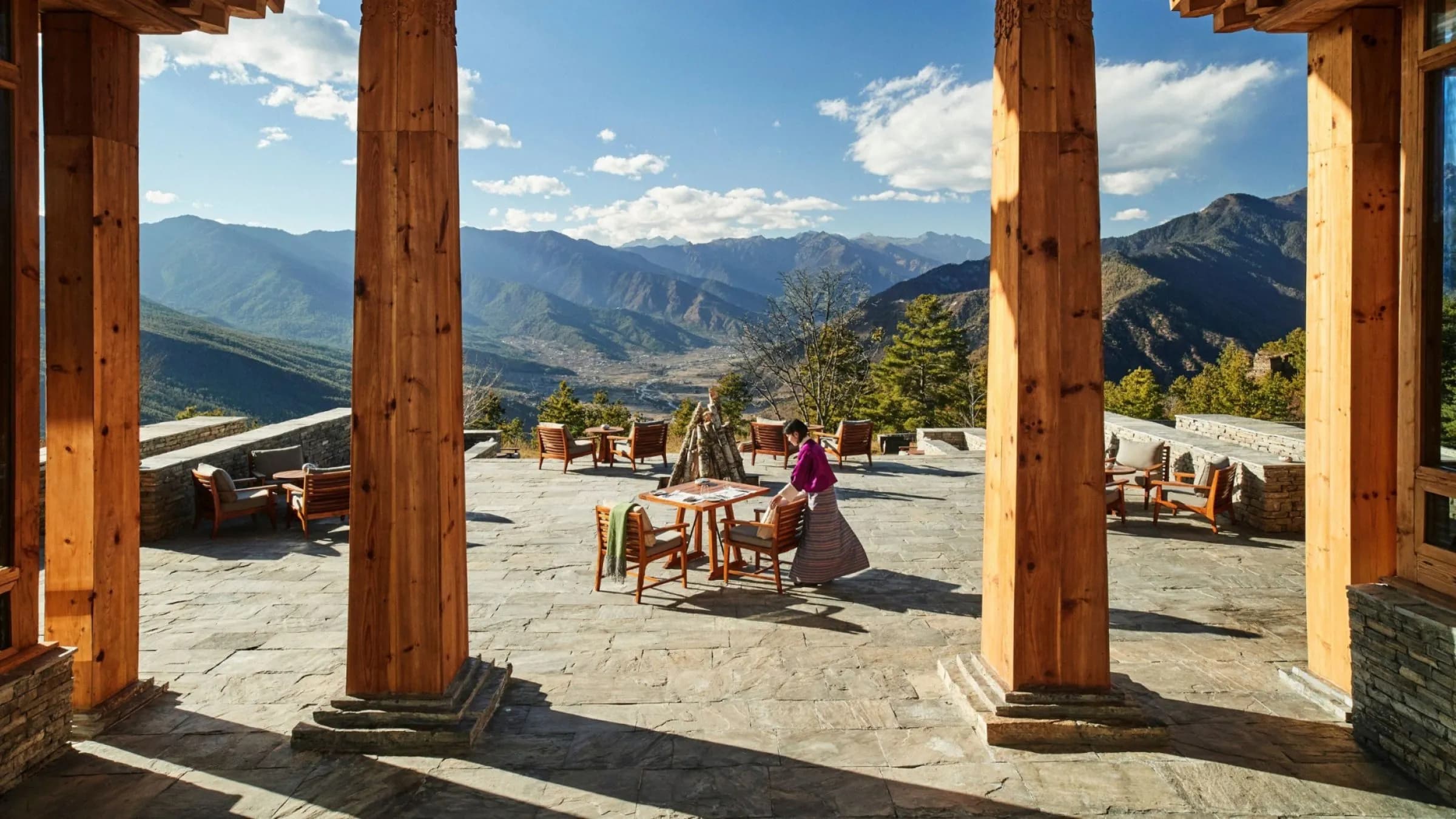
The drive back over the pass in the morning; the climb to Taktsang at 3,120 metres paced by your guide, with switchbacks taken gently and lunch at the cafeteria; a hot stone bath at the lodge for the descent.
DAY 07
Departure from Paro
Breakfast at the lodge, the guide walks you back to the terminal, the connecting flight home via Kolkata or Delhi, and the team writes a fortnight later.
The day-by-day above is illustrative. The proposal you receive is built around your dates, your pace and your interests, not this template.
Frequently asked
- Best time of year for the western circuit from Bangalore?
- Late October into November is the clearest window — bright skies, the autumn light photographers travel for, the rice gold in the Punakha terraces, and the Thimphu Tshechu falling in late September or early October (the date shifts by year). Late March into April is the second window, for the rhododendron and cherry blossom and the Paro Tshechu. We would steer you away from the deep monsoon (July–August) unless you specifically want the green valleys and the quiet, and don't mind the rain.
- Do we need a visa, and how does the entry permit work?
- Indian nationals do not need a visa for Bhutan. You travel under the long-standing regional arrangement on an entry permit, which we arrange for you as your licensed operator — you carry a valid passport or a Voter ID card, and we handle the permit before you arrive. There is nothing to apply for in advance on your side and nothing to queue for on landing.
- What is the Sustainable Development Fee for Indian nationals?
- Indian nationals pay the regional Sustainable Development Fee of Nu 1,200 per person per night — well below the international rate. For a six-night trip that is Nu 7,200 per adult, included in your transparent price breakdown. The fee is set by the Royal Government of Bhutan and funds free health care and education for Bhutanese citizens. Because the regional rate is so much lower, the all-in cost of a week in Bhutan sits considerably below the international luxury tiers for the same lodges and the same care.
- How does the flight work from Bangalore?
- Bangalore to Paro is typically one stop. The usual pattern is a morning domestic flight to Kolkata (CCU) or Delhi (DEL), a short connection, then the flight up to Paro on Drukair (KB) or Bhutan Airlines (B3). For an Indian passport these hubs are clean and simple — no transit-visa formality. We coordinate the connection timing and ticket the Paro leg; the domestic Indian leg is usually your own booking with your preferred carrier, and we advise on the routing that connects most comfortably.
- Is Paro a difficult airport to fly into?
- Paro is the country's only international airport, set in a valley at altitude, and the approach is a visual one flown by a small group of certified pilots. It is best described as difficult rather than dangerous — the descent is precise and the views are remarkable. Drukair and Bhutan Airlines fly it daily; for most guests the arrival is one of the more memorable parts of the journey rather than a worry.
Journeys you might also weigh
- 01Bhutan trip from San FranciscoA private Bhutan journey for couples flying from San Francisco — Paro, Thimphu, Punakha, and back — with the long haul through a single Asian hub treated as the start of the trip rather than the cost of it. The distance is real, and so is the quiet on the other side of it.8 nights
from $18,000 - 02Bhutan honeymoon from TaipeiA Bhutan honeymoon for Taiwanese couples flying from Taipei — the short hop to Bangkok or Hong Kong, the morning Drukair to Paro, then seven unhurried nights in the post-monsoon clarity. Mandarin-speaking guide where the match works; the cultural-Buddhist depth that Taiwanese honeymoon couples (typically arriving with substantial Buddhist-tradition knowledge) tend to find rewarding.7 nights
from $15,000 - 03Bhutan as the trip after JapanA Bhutan journey for travellers who have substantially done Japan — Kyoto in cherry blossom, the Nakasendo, the temple stays at Mt Koya — and want the next step. Bhutan is what comes after; a quieter Asia-Buddhist register at altitude, with the cultural depth that Japan readers tend to value most.7 nights
from $15,000
Begin when you're ready.
A few questions, or a conversation in your own words. A bespoke draft either way.

