A WEEK WITH THE COLD, THE QUIET, AND THE PRACTICE
Seven nights with a monastic guide, in the still season.
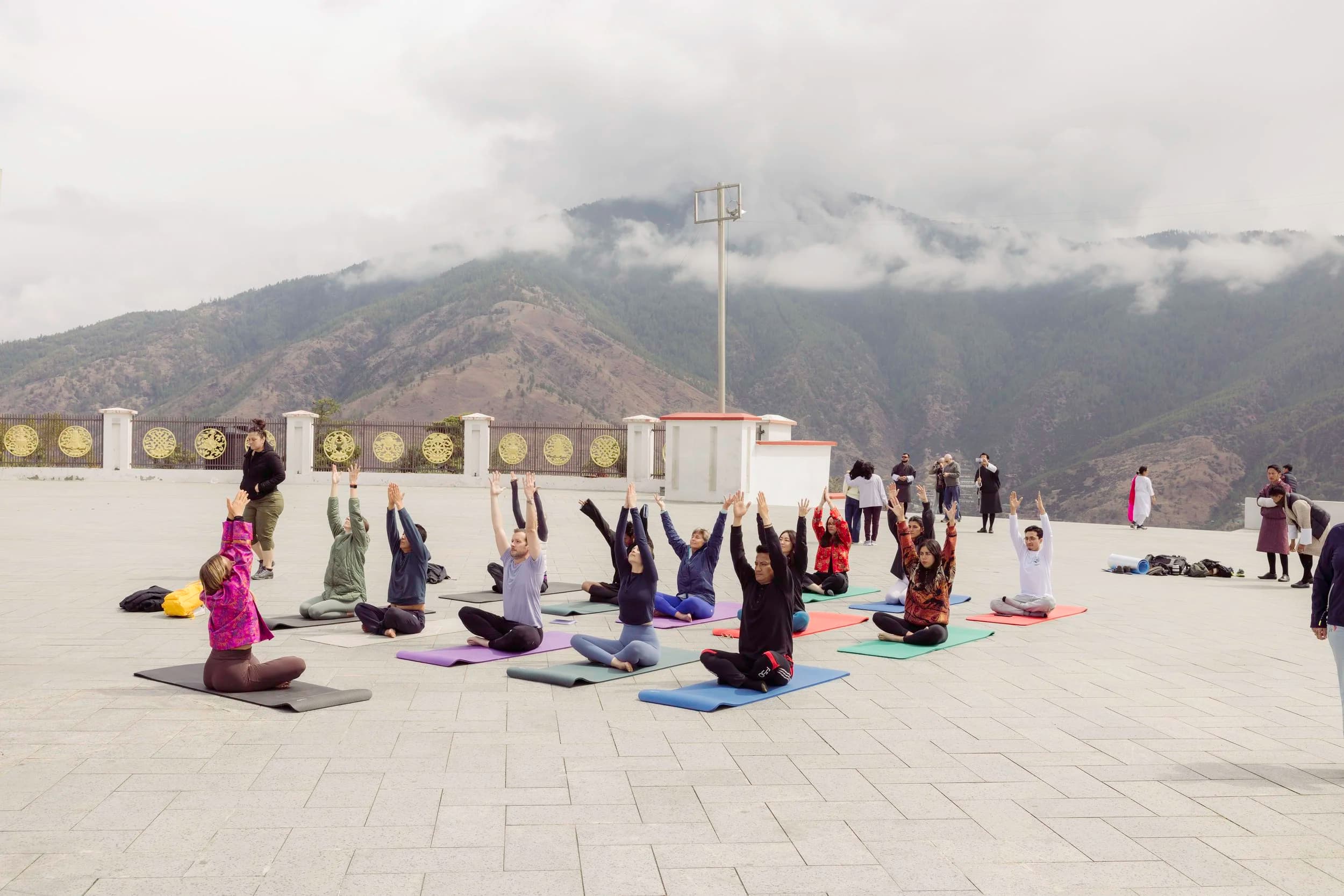
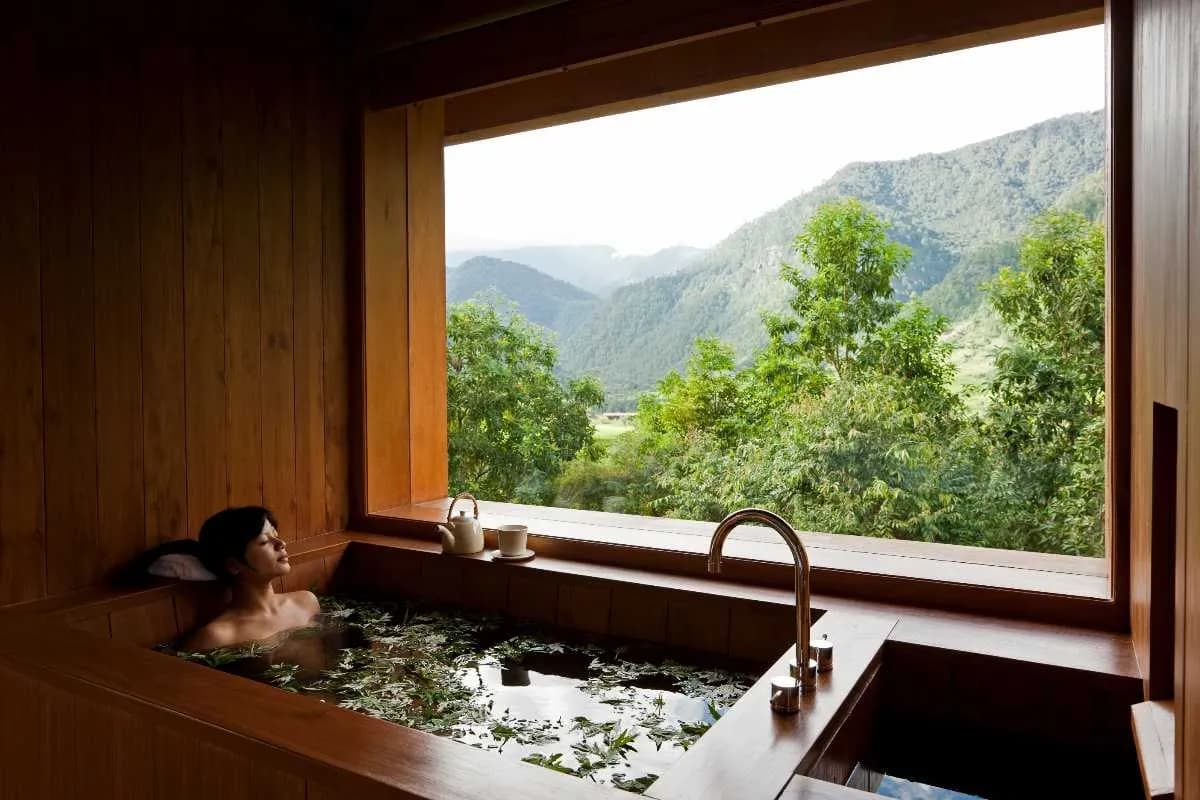
A retreat-paced week in Paro and Thimphu through the country's coldest, clearest months — daily sittings with a monastic-trained guide, hot stone baths in the evenings, the cuisine quietly attended to, and an itinerary that gets out of the way of the practice.
7 nights · Signature tier · from USD 18,000 per traveller
- Nights
- 7
- From
- USD 18,000per traveller
- Tier
- Signature
- Best season
- Clear sky bhutan
- Suits
- Retreat
- Departing
- Worldwide
Why winter, and why this pace
December through February — what we call Clear-Sky Bhutan — is the country at its stillest. The festivals are behind us, the trekking circuit is closed, the valleys empty of visitors and full of the cold, dry, blue-skied weather that the Himalayan winter does so well. The cold is real (Paro mornings at minus-eight); the rewards are particular. A retreat in this window has no competition for the guide's attention, no overlap with anyone else's itinerary, and a stillness that you may find anywhere on earth but that costs less here than almost anywhere.
What the week is built around
Two sittings a day with a Bhutanese guide trained in the Drukpa Kagyu tradition — one before breakfast, one before dusk. A short morning walk on the in-between days; one half-day excursion mid-week (Kyichu Lhakhang, the National Memorial Chorten, or Cheri Monastery depending on weather); evenings unscheduled. We do not pad the calendar; we do not turn this into sightseeing with meditation breaks. The point is the other way around.
Who you'll travel with
We match you to a guide who reads Tibetan and Dzongkha and who has spent at least three years in retreat himself — there are perhaps a dozen such guides in the working network, and we name yours before you confirm. The guide does not lecture; he sits with you and answers what you ask. The cuisine — light, warming, mostly vegetarian, almost entirely Bhutanese — is curated to support the practice rather than to entertain you.
The route
A sample shape of the week
DAY 01
Arrival in Paro — the cold and the long sleep
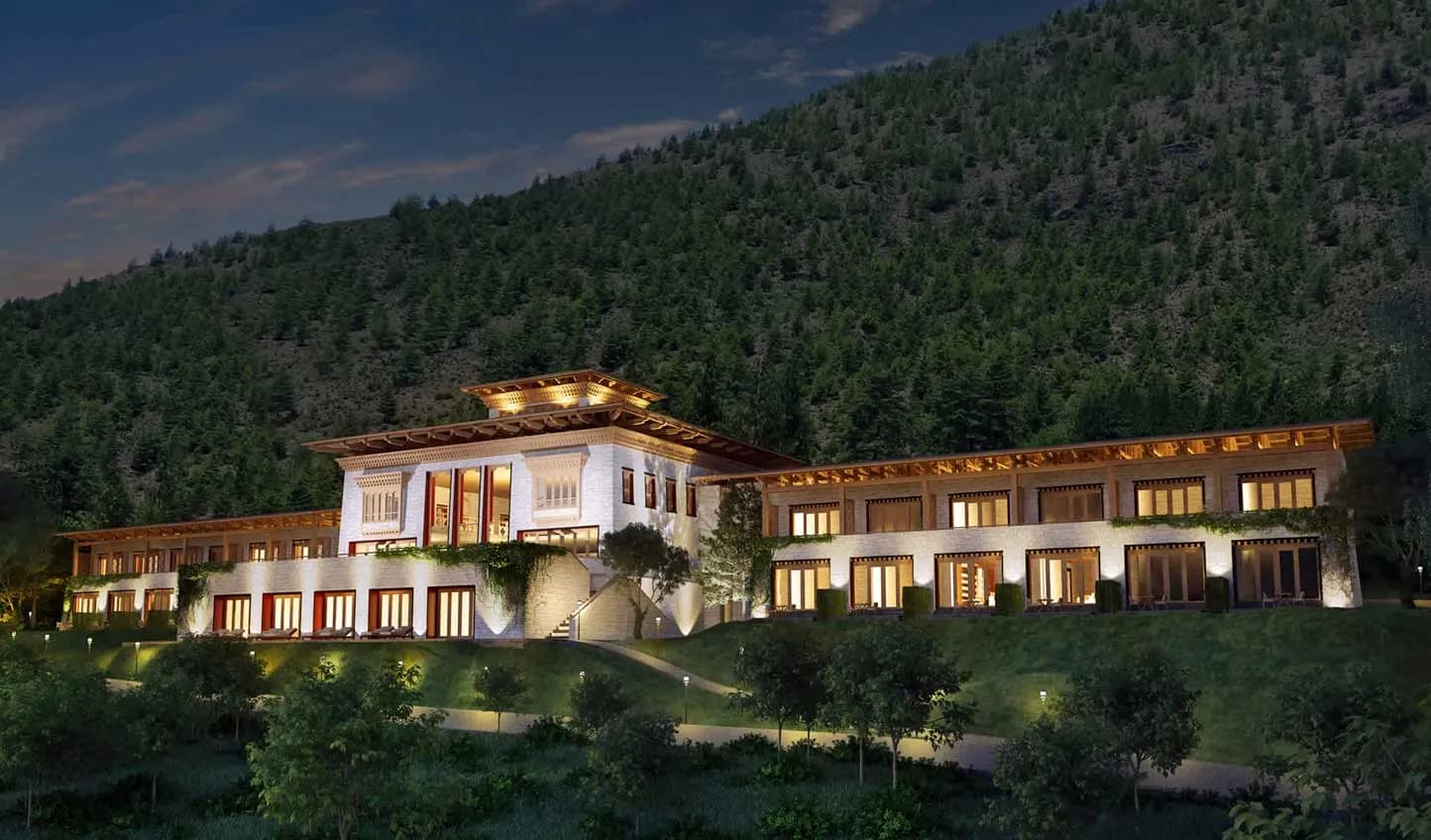
Met in the arrivals hall, twenty minutes to the lodge, hot stone bath, an early supper, an early night.
DAY 02
First full day in Paro — the practice begins
Pre-dawn sitting; a slow breakfast; a thirty-minute walk on the riverside path; afternoon sitting; an early supper; a second sitting before sleep.
DAY 03
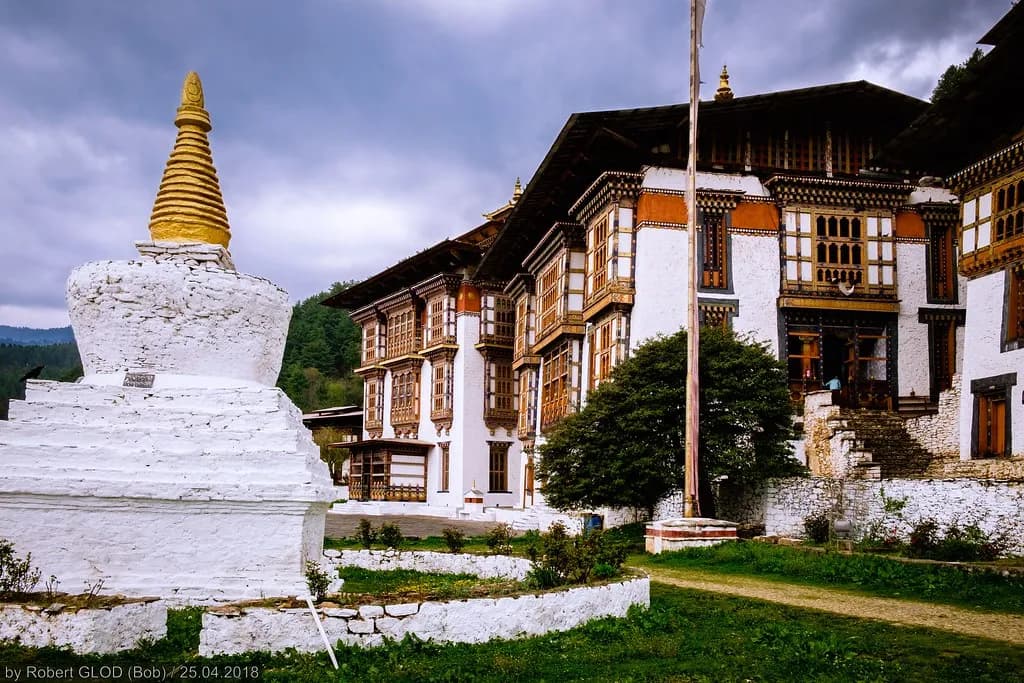
Kyichu Lhakhang — the 7th-century temple
A morning visit to one of the country's two oldest temples, in the cold quiet of January; back to the lodge for the afternoon sittings.
DAY 04
Across to Thimphu — the capital, slowly
The Pa Chhu valley to the capital, paced for the practice; afternoon sitting at the lodge; an evening visit to the Memorial Chorten when the elderly pilgrims circumambulate.
DAY 05
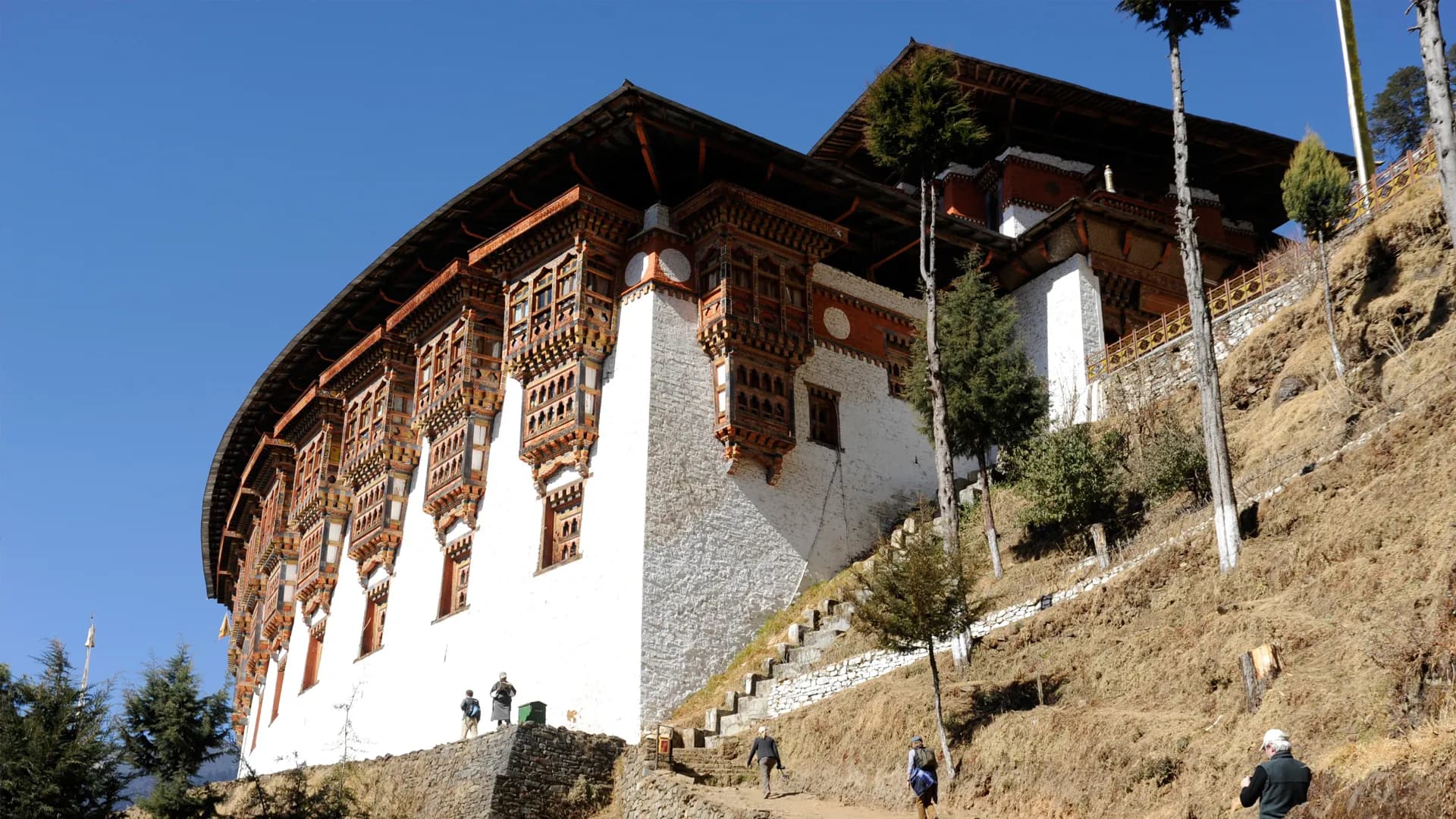
Cheri Monastery — a morning at the working monastery
The thirty-minute climb to Cheri, the 17th-century retreat above the upper Thimphu valley; conversation with the resident monks if the day allows; an early return.
DAY 06
Back to Paro — preparing to leave
A morning sitting in Thimphu; the drive back to Paro after lunch; a final hot stone bath; a final sitting before bed.
DAY 07
Departure from Paro
A pre-dawn sitting; breakfast; the guide walks you back to the terminal; the team writes a fortnight later.
The day-by-day above is illustrative. The proposal you receive is built around your dates, your pace and your interests, not this template.
Frequently asked
- How cold is Bhutan in January?
- Paro and Thimphu sit at 2,200–2,400 metres; January mornings are typically minus-five to minus-eight, afternoons climb to eight to twelve. The lodges are heated with bukharis (the traditional wood-burning stoves); the hot stone baths are the real evening reward. Dress in layers; the country handles the cold well.
- Is the meditation instruction sectarian?
- Your guide is trained in the Drukpa Kagyu tradition — the state-sanctioned lineage of Bhutan — and is comfortable adapting the framing for visitors of any background or none. We do not require the customer to be Buddhist; we do require the customer to take the practice seriously. The guide notes the depth of your existing practice and pitches the conversation accordingly.
- Can the retreat be longer than seven nights?
- Yes. Some visitors extend to ten or fourteen nights; the deeper the practice, the longer the stay usually wants to be. We work backwards from the depth of your existing practice and the time available.
- What is the Sustainable Development Fee, and is it included?
- Yes. The SDF is USD 100 per night per international visitor, set by the Royal Government of Bhutan. It funds the country's environmental protection, free education, and free healthcare for citizens. It is included in your transparent price breakdown.
Journeys you might also weigh
- 01Bhutan anniversary journeyA five-night Bhutan journey for couples marking an anniversary — Paro, Punakha, back to Paro — with the third night reserved for whichever evening matters most. The signature tier sits comfortably here.5 nights
from $14,000 - 02Bhutan for the silver anniversaryA signature-tier Bhutan-plus-Phobjikha journey for couples marking the silver anniversary — twenty-five years together is a particular kind of milestone, and the trip that suits it is the sort. Nine nights at considered pace; matched knowledgeable guide; the kind of week you remember in the next twenty-five years.9 nights
from $38,000 - 03Bhutan for foundersA signature-tier seven-night journey for a single founder or a paired founder couple — built around the discipline of not being reachable, the Phobjikha valley as the destination instead of the side-trip, and the matched guide who has read this register often enough to hold it. The trip is not a holiday. It is the considered week away that lets the next year happen.7 nights
from $32,000
Begin when you're ready.
A few questions, or a conversation in your own words. A bespoke draft either way.

