A Bhutanese museum
The Bhutan Postal Museum — the story of a kingdom's communications, and the world's most inventive stamps.
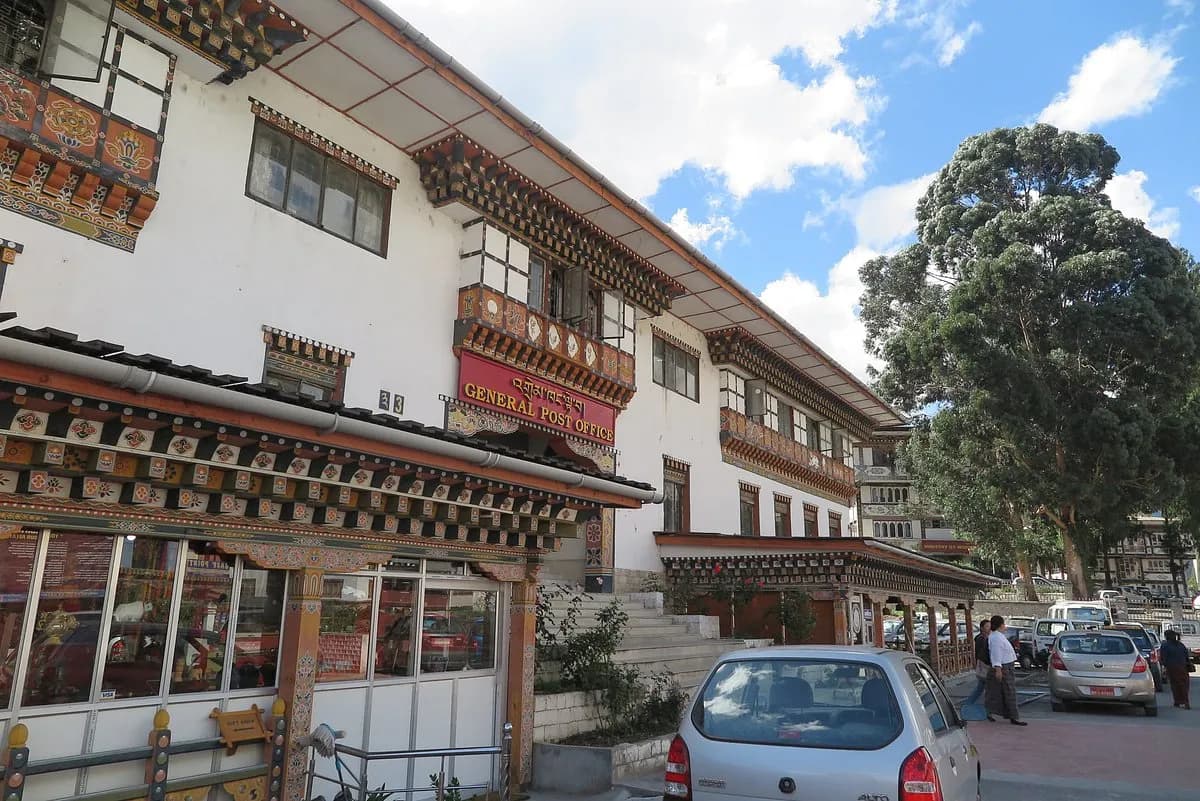
In the heart of Thimphu, beside the main post office, the Bhutan Postal Museum tells the unlikely and charming story of how a once-isolated Himalayan kingdom built its links to the world — through runners, mule trains, the first roads, and above all through its postage stamps, which became famous far beyond the country for their sheer inventiveness. Bhutan has issued stamps printed on silk, embossed in three dimensions, moulded as miniature records that actually play, and the first CD-ROM stamp in the world. A visitor can learn the story, see the stamps, and — best of all — make a personalised stamp bearing their own photograph, valid for posting a card home.
Also known as Postal Museum · Bhutan Post Museum
- Location
- Beside the General Post Office, central Thimphu, Thimphu
- Elevation
- 2,330 m
- Kind
- museum
A kingdom's links to the world
For most of its history Bhutan was a country without roads, where messages travelled by foot — relays of runners crossing the passes, mule trains carrying goods over the mountains, the slow threads that held a remote kingdom together. The Postal Museum tells this story across its galleries: the early runner-post, the opening of the first roads under His Majesty the Third Druk Gyalpo, the founding of a modern postal service in 1962 as one of the first acts of the country's emergence from isolation, and the steady knitting of Bhutan into the wider world. It is a small museum with a large theme — how a kingdom at the edge of the map reached out and joined the century.
The famous stamps
Bhutan's stamps are the heart of the story, and they are extraordinary. From the 1960s, under the guidance of an inventive American entrepreneur working with the Royal Government, the country issued a series of stamps unlike any in the world — printed on silk and on raised metal foil; embossed in genuine three dimensions to be viewed with the enclosed spectacles; moulded as tiny vinyl records that could be played on a turntable, carrying the national anthem and Bhutanese folk songs; and, in 2008, the first CD-ROM stamp ever issued, a working disc that doubled as postage. Sold to collectors around the world, the stamps brought Bhutan both revenue and renown, and they remain one of the most delightful expressions of the country's blend of tradition and invention. The museum displays them all.
Make your own stamp
The museum's most-loved feature is a small counter where a visitor can have their own photograph printed onto a sheet of genuine, valid Bhutanese postage stamps — a portrait against a Bhutanese background, ready to frank a postcard sent home from the post office next door. It is a charming and uniquely Bhutanese souvenir, and a reason the museum is a favourite with families and with anyone who delights in the small, human pleasures of travel. Together the runner-post history, the astonishing stamps, and the personalised souvenir make the Postal Museum one of the most unexpectedly enjoyable stops in Thimphu.
Visiting
- Getting there
- The museum is in central Thimphu, beside the General Post Office and a short walk from the Clock Tower Square — an easy stop on any Thimphu day. The matched guide arranges the visit.
- What to do
- Walk the galleries on the postal history and the famous stamps, and make a personalised stamp with your own photograph at the counter (and post a card home from the office next door). Allow 30–45 minutes. It is a particular favourite with families and children.
- Protocol
- An ordinary museum visit — photography is generally welcome. There is a small charge for the personalised stamps, which makes a fine souvenir and a working piece of postage.
- Best time to visit
- Year-round, during opening hours; indoor and weather-independent. It pairs naturally with the Clock Tower Square and the central Thimphu walk.
Journeys featuring this site
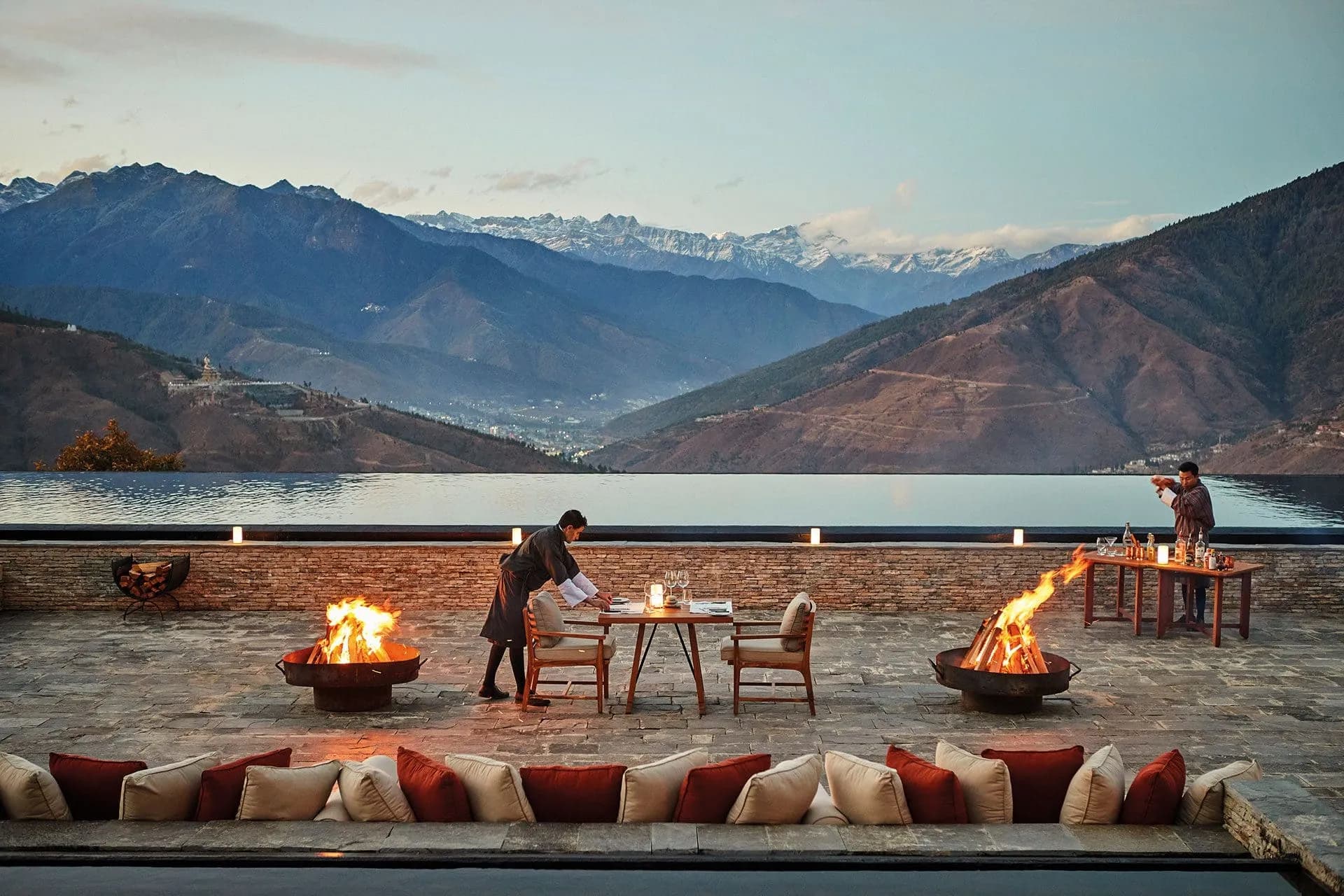 JourneyThe signature-tier Bhutan journey — private knowledgeable guide, the most considered lodge curation, helicopter or charter between valleys, exclusive-use arrangements where the season allows.The signature-tier Bhutan journey. Private knowledgeable guide, the most considered lodges, helicopter or PC-24 charter, exclusive-use arrangements. By invitation, from USD 14,000.
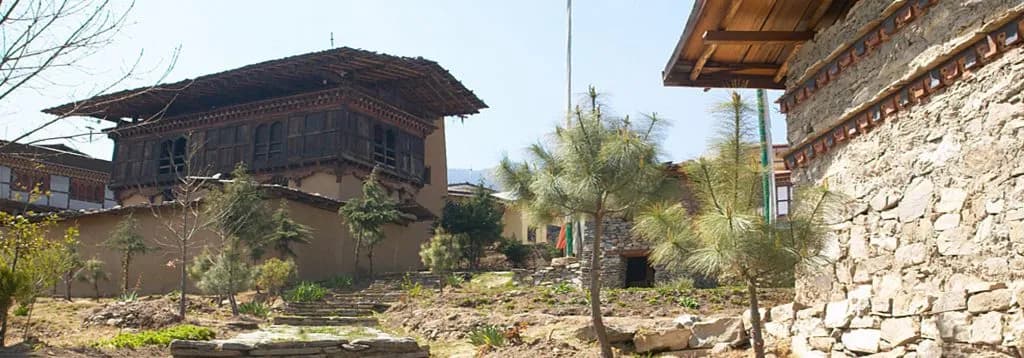 JourneyA family week in Bhutan, paced for everyone.A seven-night Bhutan family trip from Hong Kong. Bhutanese lodges, light treks for children 7+, a family-tested guide, transparent pricing.
Journeys that visit The Bhutan Postal Museum
Frequently asked
- What makes Bhutan's stamps famous?
- Their sheer inventiveness. From the 1960s Bhutan issued stamps printed on silk and raised foil, embossed in genuine three dimensions, moulded as tiny playable vinyl records carrying the national anthem and folk songs, and — in 2008 — the first CD-ROM stamp in the world. Sold to collectors internationally, they brought the country both revenue and renown, and the Postal Museum displays them all.
- Can I make my own stamp?
- Yes — the museum's most-loved feature is a counter where you can have your own photograph printed onto a sheet of genuine, valid Bhutanese postage stamps, ready to frank a postcard home from the post office next door. It is a charming and uniquely Bhutanese souvenir, and a favourite with families.
- Is the Postal Museum worth a visit?
- It is one of the most unexpectedly enjoyable stops in Thimphu — a small museum with a large and charming theme (how an isolated kingdom reached out to the world), the astonishing story of the stamps, and the personalised-stamp souvenir. It is especially good with children, and easily combined with the central Thimphu walk.

