A Bhutanese historical figure
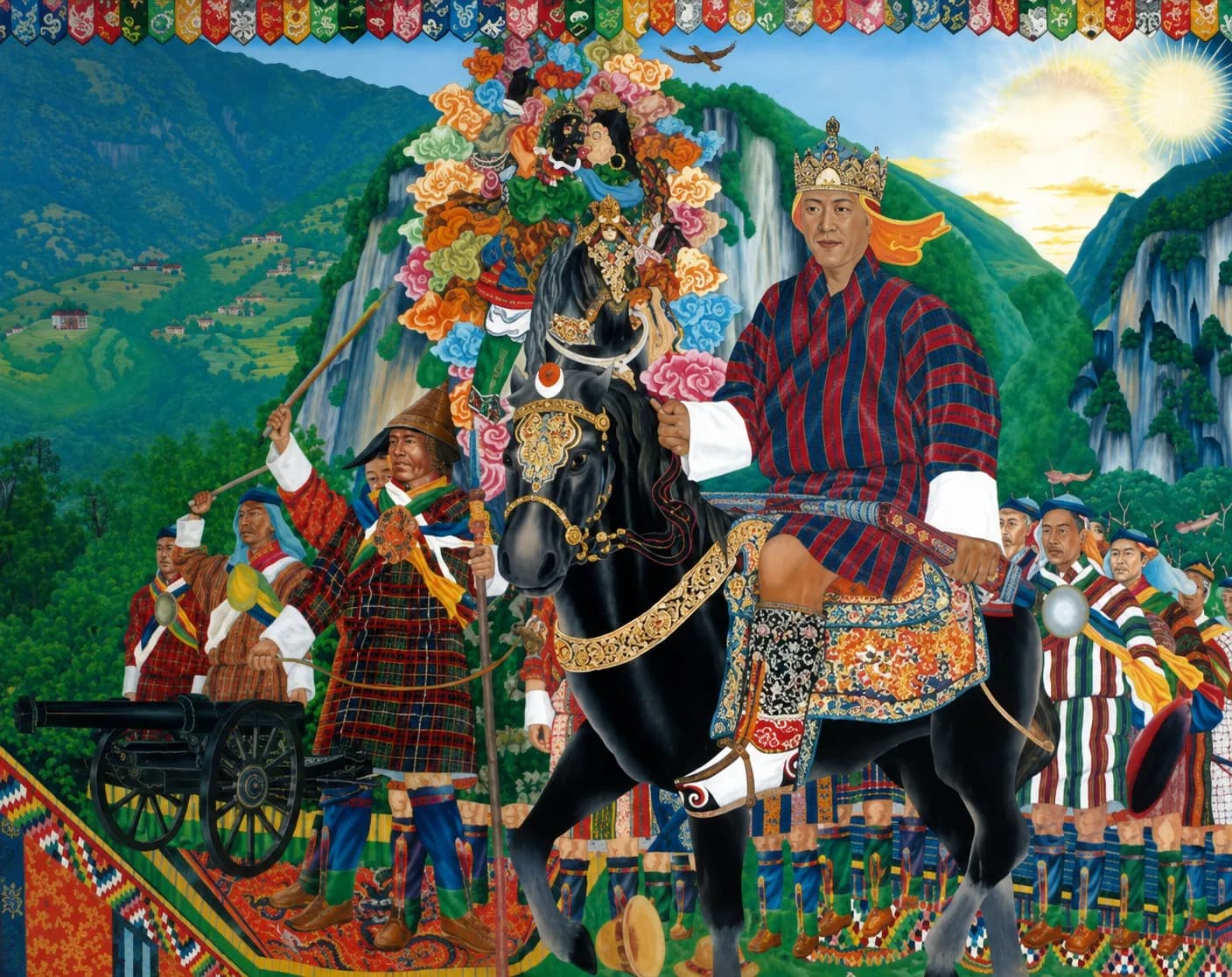
Trongsa Poenlop Jigme Namgyel — the architect of united Bhutan, father of His Majesty the First Druk Gyalpo.
Trongsa Poenlop Jigme Namgyel (1825-1881), known across Bhutan as the Black Regent (Deb Nagpo, after the protector deity Mahakala whose black form was his guardian), was the principal political figure of late-19th-century Bhutan and the father of His Majesty the First Druk Gyalpo Ugyen Wangchuck. From a herd-boy's beginnings at Trongsa Dzong, he rose to become Trongsa Poenlop in 1853, paramount political authority across the country by 1864, the 51st Druk Desi in 1870 — and the architect of the political consolidation that allowed his son to be crowned the First Druk Gyalpo a generation later. Without his work, the Wangchuck dynasty would not exist.
Also known as Jigme Namgyal · Deb Nagpo · The Black Regent · 51st Druk Desi
1825 to 1881
- Full name
- Trongsa Poenlop Jigme Namgyel
- Honorific
- Trongsa Poenlop
- Affiliation
- Trongsa Poenlop / Dungkar Chhoeje / Pema Lingpa lineage
- Register
- historical
Origins — Dungkar village, Kurtoe
Trongsa Poenlop Jigme Namgyel was born in 1825 in Dungkar village in the Kurtoe valley of present-day Lhuentse, into the Dungkar Chhoeje family — descended from the great Bhutanese terton Pema Lingpa through his son Kuenga Wangpo and the Khouching Chhoeje line. His father Pala Gyalshen and uncle Pila Goenpo Wangyal were legendary swordsmen of the eastern valleys, the folkloric Pala and Pila of Kurtoe story. His mother Sonam Pelzom came from the neighbouring Jangsa village. Around the age of fifteen, dreams sent him west — first as a sheep-herder in Narut in the Tang valley, then onward through the Chhume valley to Trongsa Dzong, where he entered service as Tozep, the lowest rank of dzong attendant. The path from herd-boy to paramount authority across the kingdom is one of the more remarkable rises in Bhutanese history.
The rise through Trongsa
In 1843, Trongsa Poenlop Tshokye Dorji took office and Jigme Namgyel's rise through the dzong hierarchy was rapid: Zinggup, then Zimmang and Darpoen, then Trongsa Tshongpoen. In 1849, at the age of twenty-four, he was made Trongsa Zimpoen — and married Pema Choeki, daughter of Tshokye Dorji and sister of the Sungtruel incarnation of Pema Lingpa, Kuenzang Tenpai Nyima. In 1850 he saved Trongsa Poenlop Tshokye Dorji from an attempted assassination at Punakha; the reward was the Lhuentse Dzongpoen post and command of the troops that defeated the rebel eastern dzongpoens of Zhongar, Trashigang, Trashiyangtse and Dungsam. In 1853, when Tshokye Dorji retired, Trongsa Poenlop Jigme Namgyel succeeded him. From this seat — the most powerful provincial title in 19th-century Bhutan — he would consolidate the country over the subsequent two decades.
The Duar War with British India — 1864-65
By 1864 Trongsa Poenlop Jigme Namgyel was the paramount political figure across the country, with effective control over the appointment of dzongpoens and the Druk Desi himself. The same year, the British Ashley Eden mission arrived at Punakha to negotiate the contested Duars region; Trongsa Poenlop Jigme Namgyel was personally hostile, the mission failed (Darlung Tobgye famously threw dhoma at the British doctor), and the British declared war. The Battle of Deothang on 27 January 1865 saw the Bhutanese lose the first encounter (the Jakar Poenlop was killed), but Trongsa Poenlop Jigme Namgyel regrouped, routed the British column with heavy losses, and captured two British cannons — an outcome that shaped the eventual treaty terms. On 11 November 1865 the Treaty of Sinchula ended the war: Bhutan ceded the Assam and Bengal Duars, but received an annual British subsidy of fifty thousand rupees and the peace that followed held until Indian independence in 1947. See the Duar War and the Treaty of Sinchula for the broader context.
Druk Desi, religious patron, builder
In 1870 Trongsa Poenlop Jigme Namgyel ascended the throne as the 51st Druk Desi; he devoted his reign principally to rebuilding Tashichoedzong, which had burned in the 1869 conflict with Wangdue Phodrang. His religious life was substantial — his root teacher (tsawailam) was Jangchub Tsondrue of Narthang Monastery in Tibet, whom he had first met in 1843; he printed the full hundred-and-eight-volume Kanjur at Narthang and installed the set at Trongsa, where he read it through thirty times across his life; he commissioned the Dechok Khorlo Dompa (Chakra Samvara) image at Trongsa Dzong and a Dorje Phamo image made from a vertebra of Tsangpa Gyaray; he donated a life-size silver Buddha to the Kuenra of Punakha Dzong. He built the Wangduechoeling Palace in Bumthang in 1857 on the battlefield of Shamkhar — the palace that would later serve as the principal residence of his grandson, His Majesty the Second Druk Gyalpo Jigme Wangchuck.
The succession — and the dynasty he made possible
Trongsa Poenlop Jigme Namgyel had two principal sons: His Majesty Ugyen Wangchuck (born 1862 at Wangduechoeling Palace) and the adopted son Phuentsho Dorji, born the same day and at the same time as Ugyen Wangchuck and considered specially auspicious. In 1877-78, on the Paro and Punakha rebellion campaign, he took both teenage sons with him; in 1879 he installed His Majesty Ugyen Wangchuck as Paro Poenlop — the appointment that would, twenty-eight years later, position His son to be unanimously elected the First Druk Gyalpo. In the winter of 1881, riding from Bumthang to Thimphu, he fell from his yak at Hongtsho near the Dochu La pass; carried to Simtokha Dzong, he died of his injuries at the age of fifty-six. His last words to his sons were that they should treat each other as brothers, never fight, and stay united against threats to the kingdom. The instruction held: when His Majesty Ugyen Wangchuck was crowned in 1907, the Wangchuck dynasty took up the work Trongsa Poenlop Jigme Namgyel had begun.
Where a visitor encounters him today
Throughout the eastern and central valleys. The Wangduechoeling Palace at Bumthang, which he built on the 1857 Shamkhar battlefield, is the principal physical anchor and now operates as a heritage site under conservation. Trongsa Dzong itself — the seat of his consolidation work — carries his religious legacy in the Dechok Khorlo Dompa image and the Kanjur he installed; the Ta Dzong above the dzong houses the Royal Heritage Museum, which traces the dynastic narrative from his career forward. The Kurtoe valley of Lhuentse holds the Dungkar Chhoeje ancestral home; visitors with a serious interest in the dynastic origins are taken through Dungkar village itself, the Pema Lingpa monasteries of the area, and the broader Kurtoe heritage. The Royal Heritage Museum at Trongsa is the essential single visit for visitors who want the whole pre-1907 story.
Others in this story
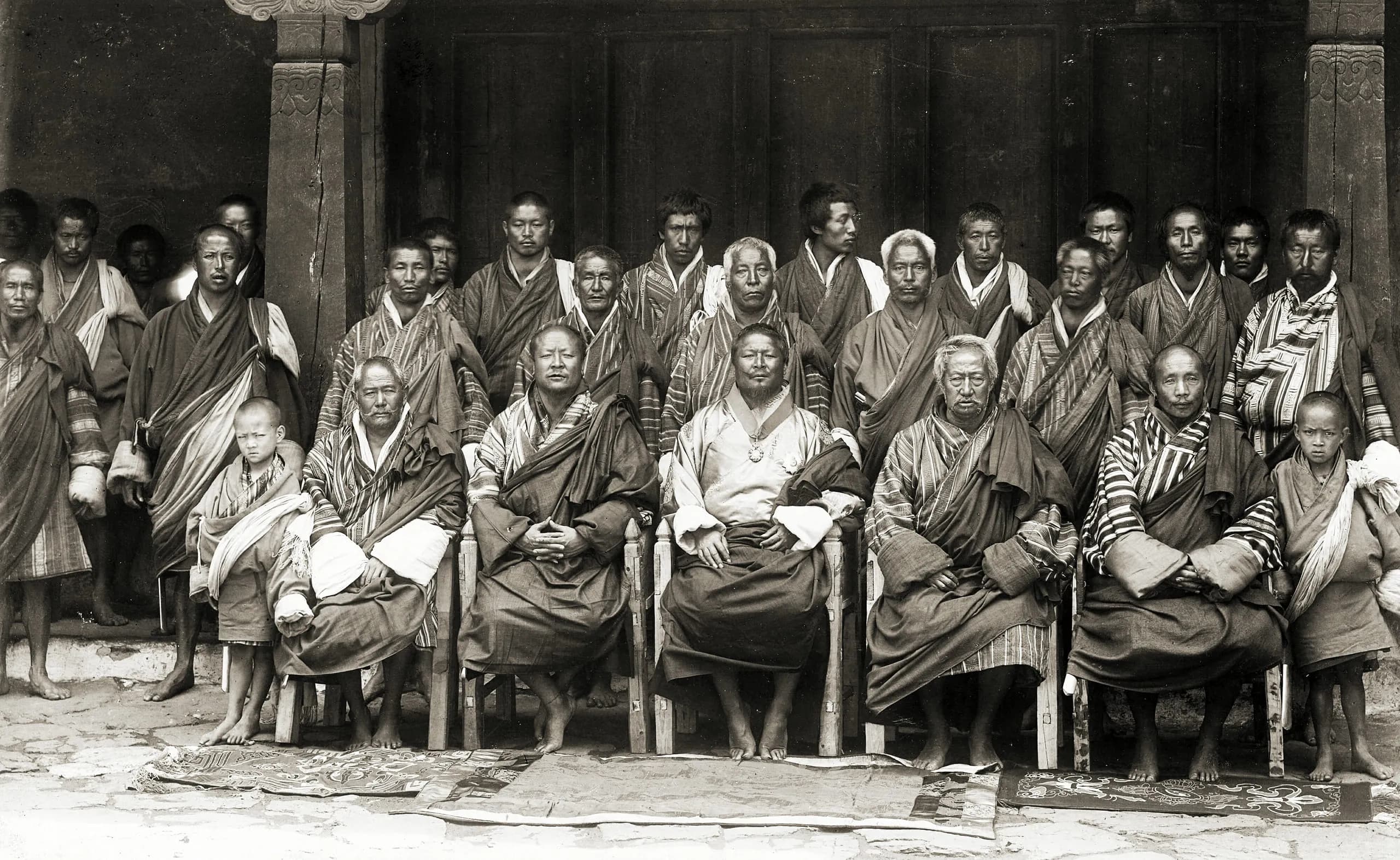 PersonHis Majesty Ugyen Wangchuck — the First Druk Gyalpo, the unifying king crowned 1907.His Majesty Ugyen Wangchuck (1862-1926) — the First Druk Gyalpo of Bhutan, crowned 17 December 1907 at Punakha Dzong. The unifier of the modern Bhutanese state.
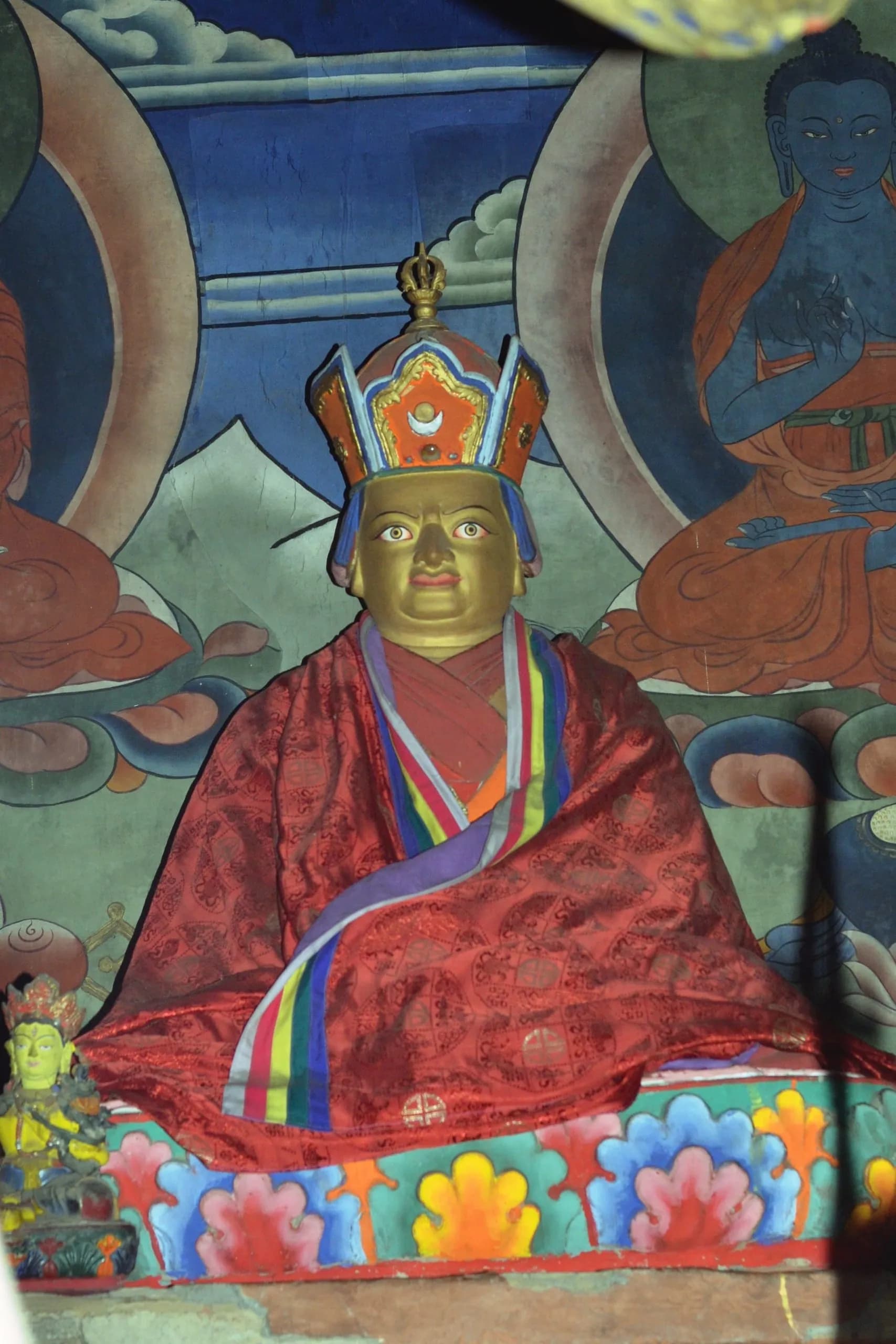 PersonPema Lingpa (1450-1521) — the great Bhutanese treasure-revealer, the principal terton of Bumthang.Pema Lingpa (1450-1521) — the great Bhutanese terton (treasure-revealer) in the Nyingma tradition. The Mebar Tsho miracle, Tamshing Lhakhang, the three reincarnation lines.
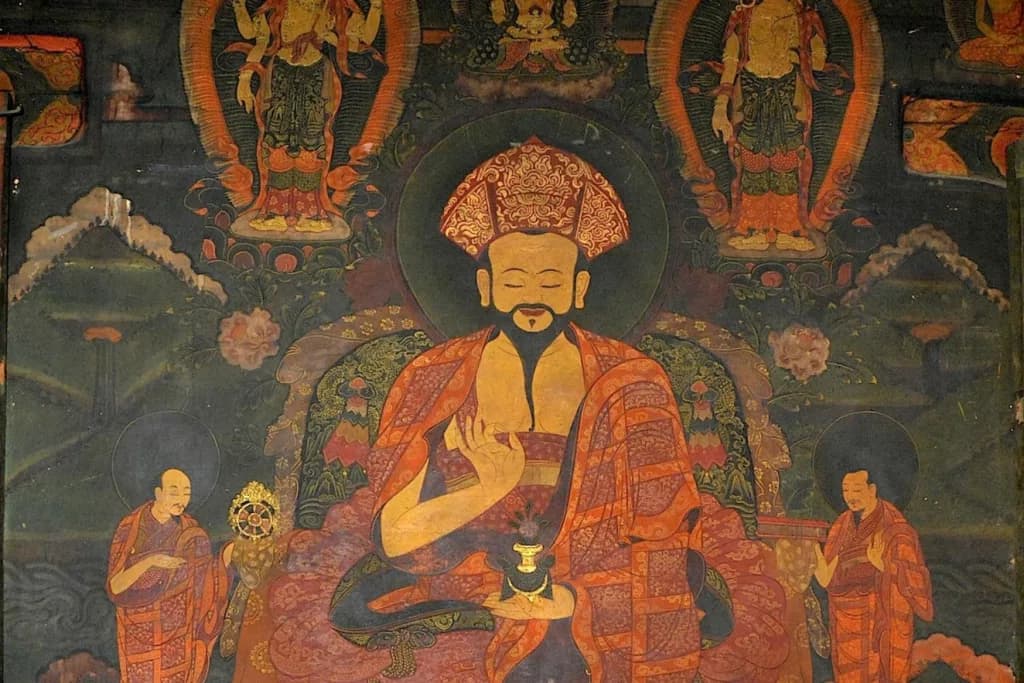 PersonThe Zhabdrung Ngawang Namgyal — the 17th-century unifier of Bhutan, the founder of the modern Bhutanese state.The Zhabdrung Ngawang Namgyal (1594-1651) — the founder of unified Bhutan. The 17th-century Drukpa Kagyu lama who built the dzong system and repulsed Tibetan invasions.
What they built
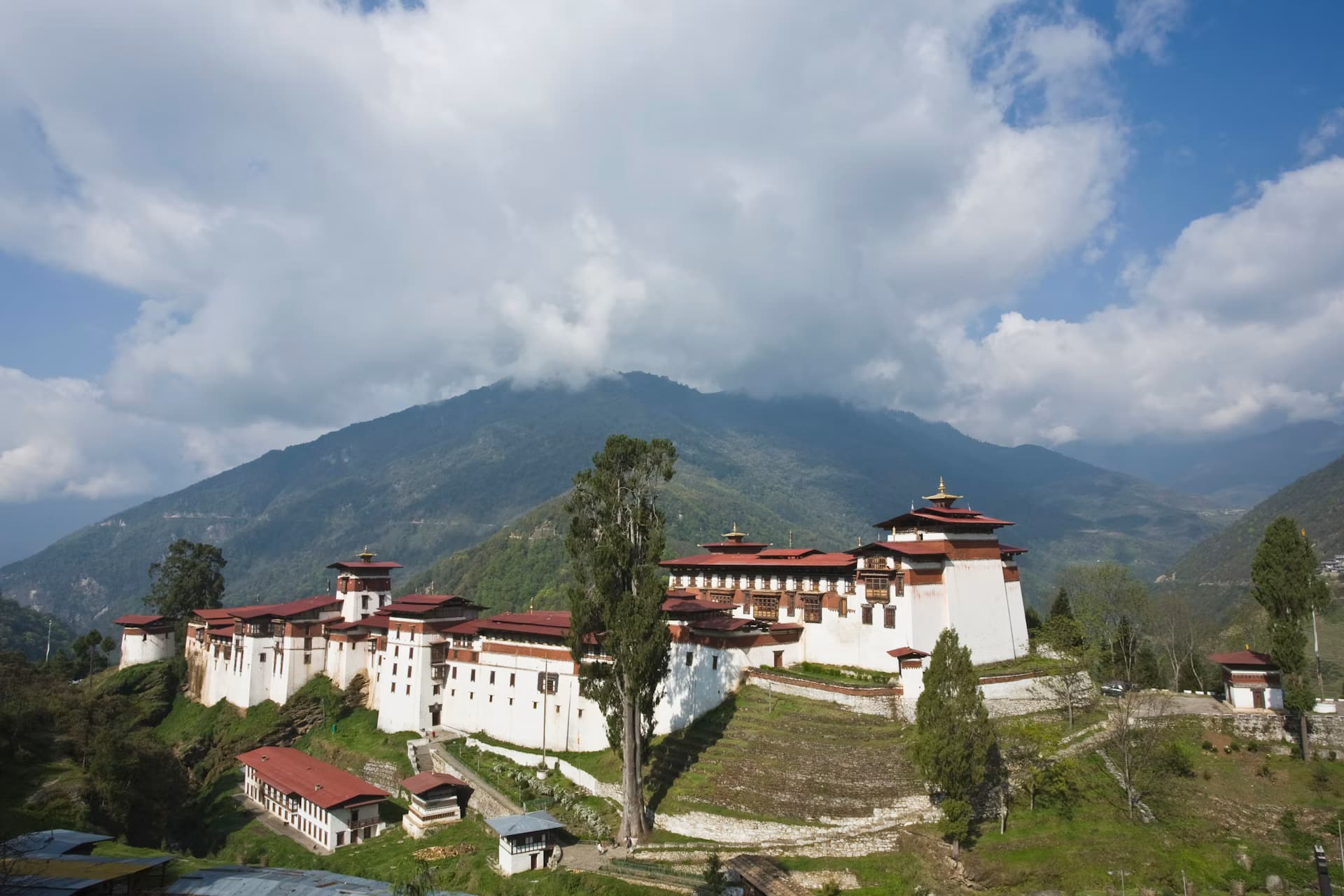 MonumentTrongsa Dzong — the largest dzong in Bhutan, on the high ridge above the Mangde Chhu gorge.Trongsa Dzong — the ancestral seat of the Wangchuck dynasty, the largest dzong in Bhutan. History, the Royal History Museum, visiting.
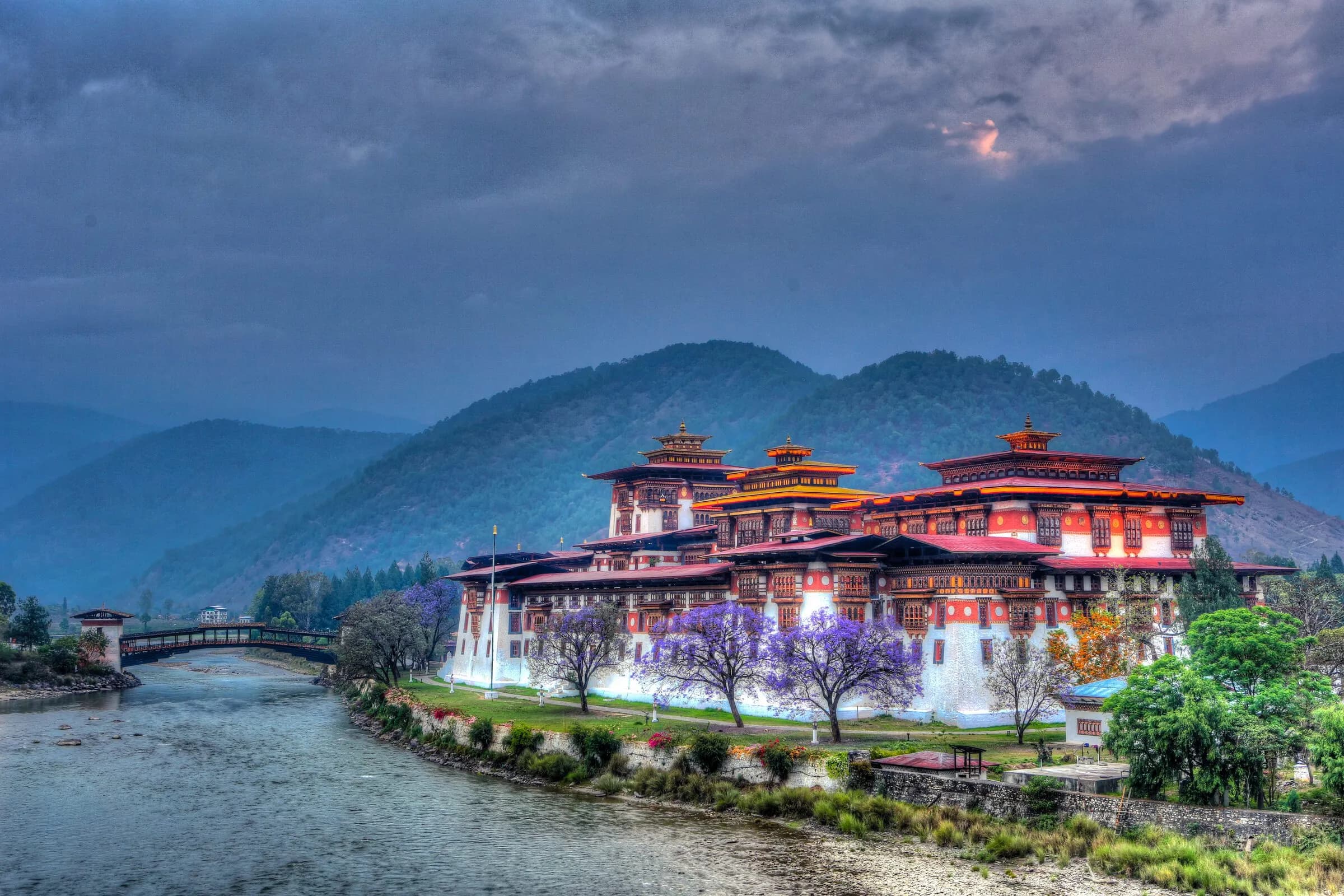 MonumentPunakha Dzong — Pungtang Dechen Phodrang, founded 1638 at the confluence of the father and mother rivers.Punakha Dzong — the Palace of Great Happiness, founded 1638. The history, the architecture, what to expect on a visit.
What happened
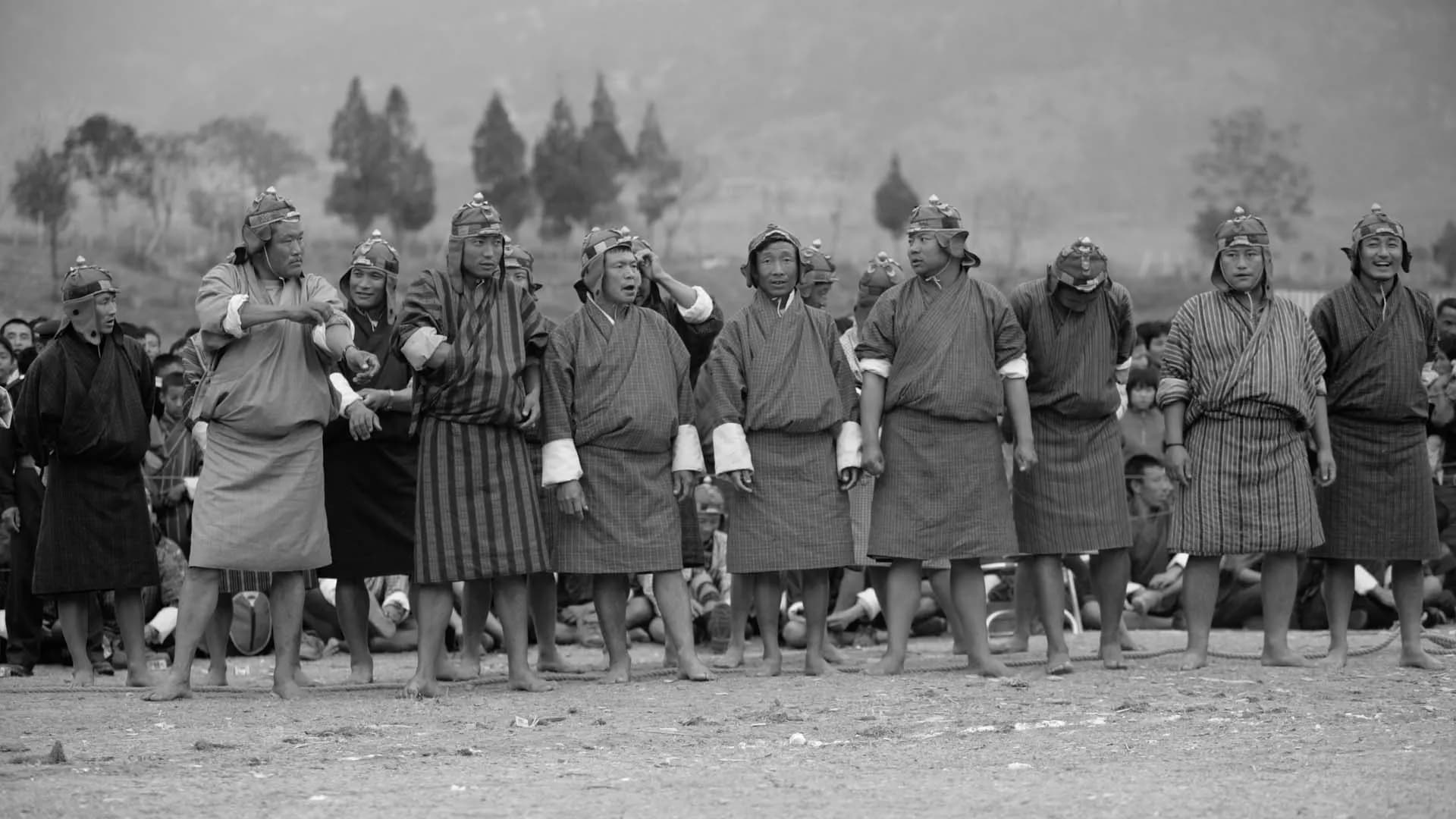 EventThe Duar War — Bhutan and the British in the Assam-Bengal foothills, 1864-65.The Duar War 1864-65 — the foundational Bhutan-British conflict over the Assam-Bengal Duars. Ended by the Treaty of Sinchula; the principal 19th-century Bhutanese-foreign war.
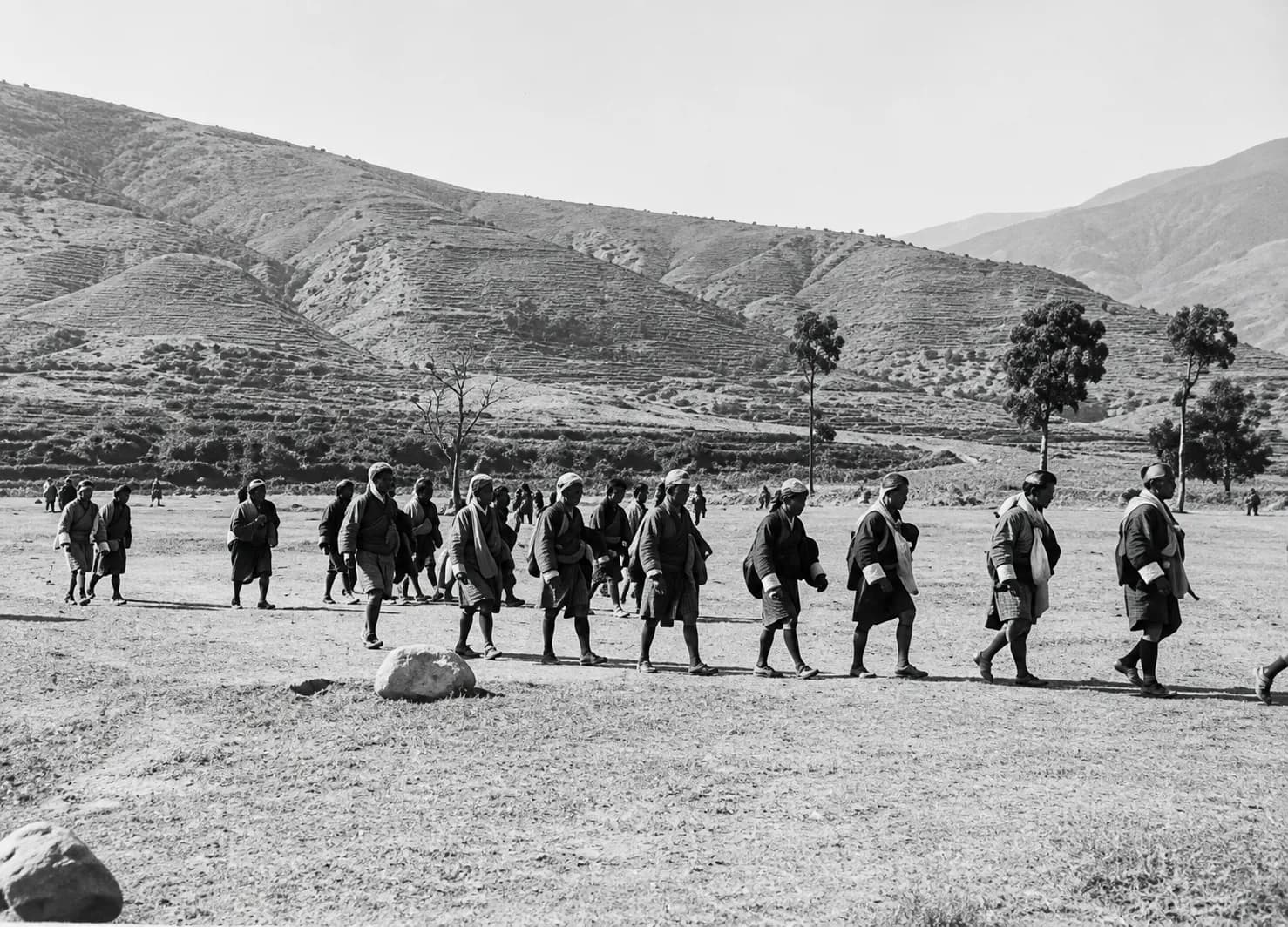 EventThe Treaty of Sinchula — Bhutan and British India settle the Duars, 11 November 1865.The Treaty of Sinchula — 11 November 1865. Ended the Duar War, ceded the Bengal Duars, established the annual British subsidy that funded the early Bhutanese state.
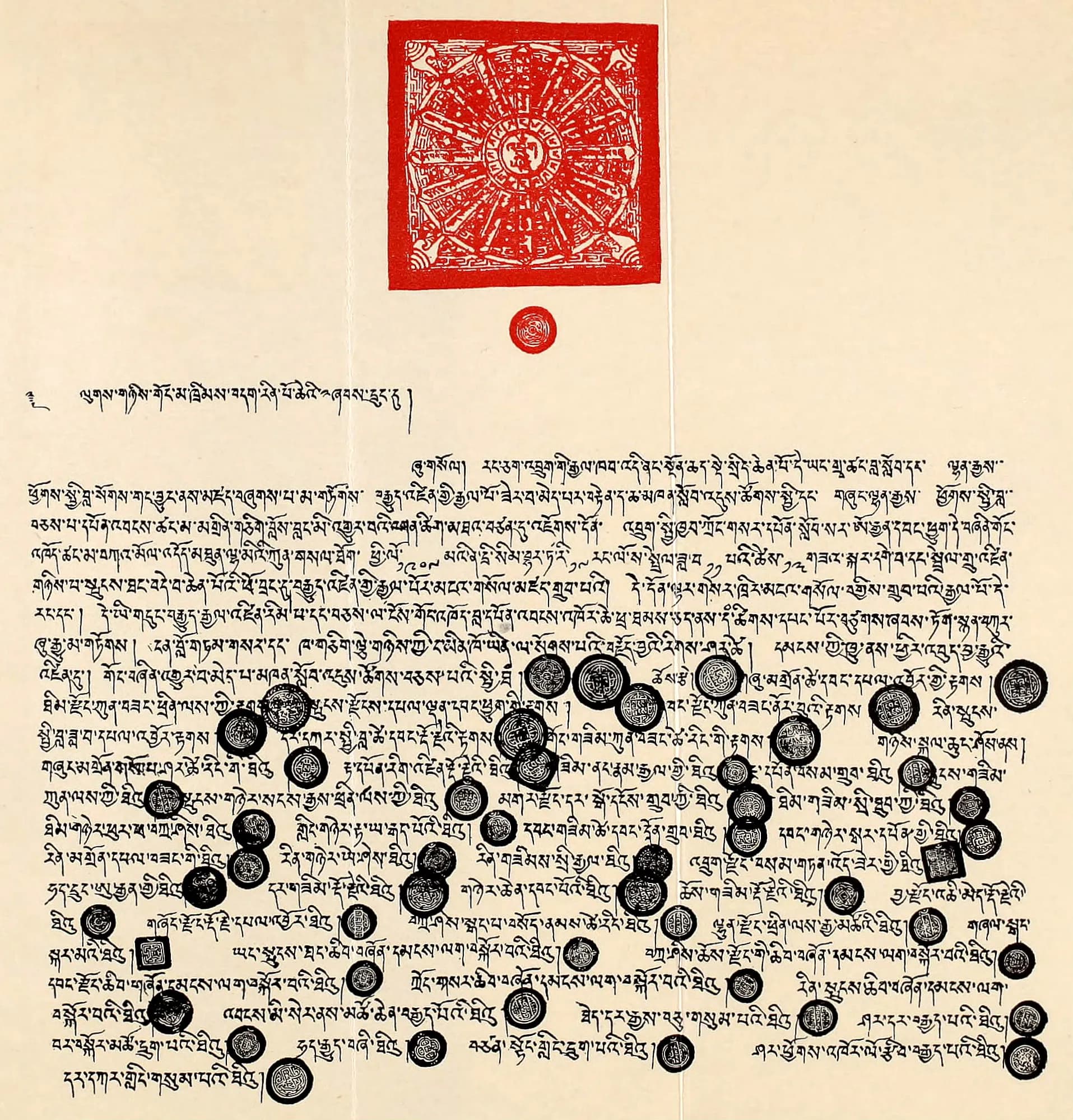 EventThe Oath of Allegiance — Punakha Dzong, 17 December 1907.The Oath of Allegiance — 17 December 1907 at Punakha Dzong. The founding document of the Wangchuck dynasty, sealed in red with the Nga Chudrugma seal of the Zhabdrung.
Journeys that touch this
Frequently asked
- Why is Trongsa Poenlop Jigme Namgyel called the Black Regent?
- The nickname Deb Nagpo (Black Regent) refers to the protector deity Mahakala in His black form — Bhutan's chief Dharmapala, whose worship Trongsa Poenlop Jigme Namgyel undertook with substantial intensity throughout his life. The name reflects the religious-political register of the figure: a paramount political authority who was at the same time a serious Mahakala practitioner. The colour denotes the protector, not the temperament of the man.
- What is the relationship between Trongsa Poenlop Jigme Namgyel and the Wangchuck dynasty?
- He was the father of His Majesty Ugyen Wangchuck, the First Druk Gyalpo of Bhutan. The political consolidation he undertook across the 1860s and 1870s — control of the Trongsa Poenlop seat, the Duar War settlement, the appointment of dzongpoens across the kingdom — was the foundation on which His Majesty Ugyen Wangchuck was unanimously elected King in 1907. Trongsa Poenlop Jigme Namgyel is the principal pre-monarchy figure of the Wangchuck story.
- How is he remembered in contemporary Bhutan?
- With deep respect. Bhutanese historians treat him as the architect of united Bhutan; the Royal Government's secondary-school history opens its account of the modern state with His chapter. Contemporary cultural references — the dynastic-history museum at Trongsa Ta Dzong, the Wangduechoeling heritage site at Bumthang, the Kurtoe valley pilgrimages — all carry His memory. For visitors, He is the figure to understand if You want to understand how the 1907 monarchy was possible at all.

