A Bhutanese dzongkhag
Tsirang — the south-central agricultural dzongkhag, the citrus belt, the gentle southern hills.
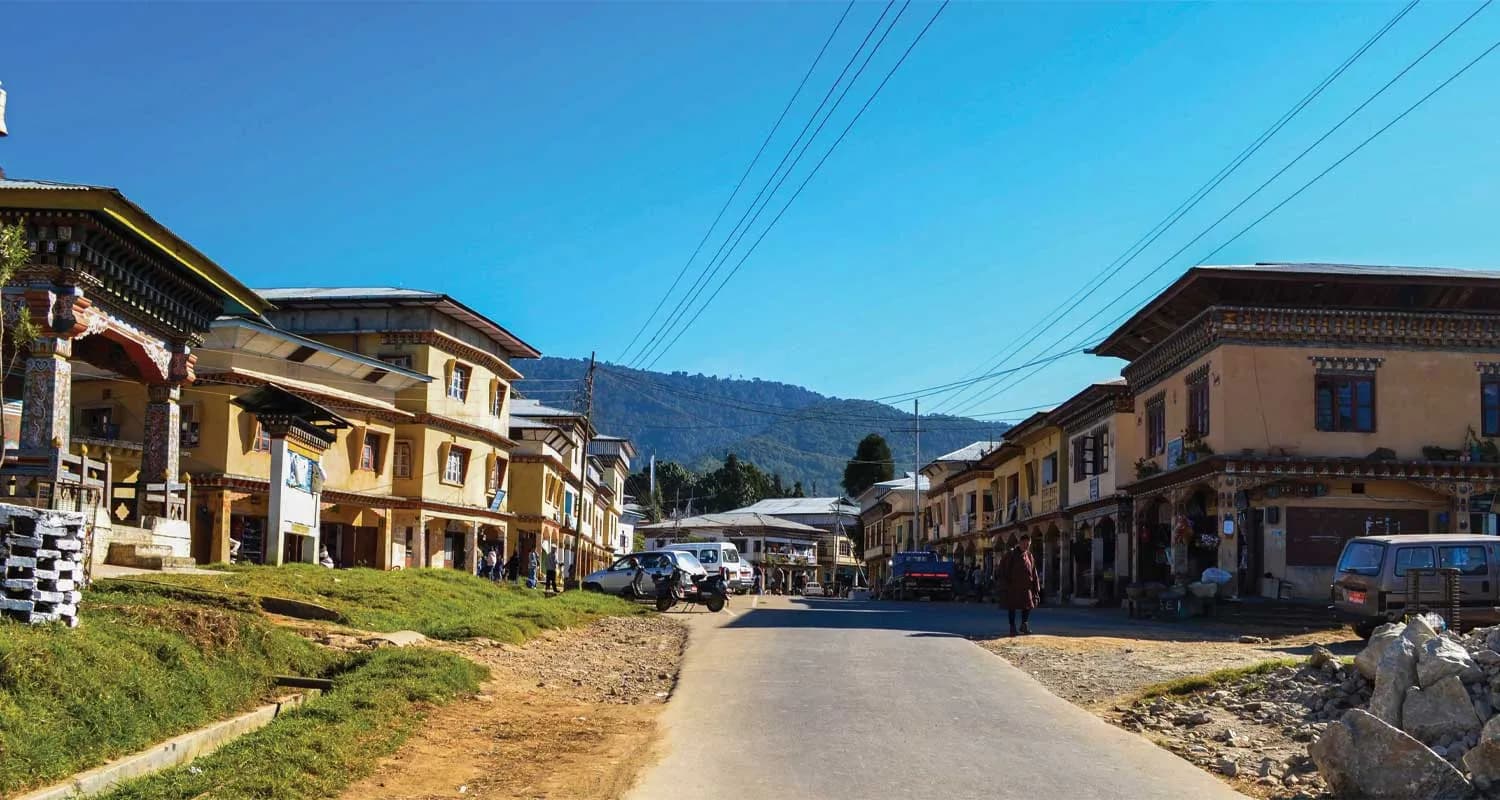
Tsirang is the south-central Bhutanese dzongkhag — one of the more agriculturally productive regions of the country, with the citrus belt (oranges, mandarins, lemons), the cardamom-and-areca cultivation, and the gentle southern-hill landscapes that contrast with the dramatic high-Himalayan terrain of the western and northern dzongkhags. The dzongkhag is not on the typical western-circuit international visitor itinerary but is one of the principal central Bhutanese agricultural anchors and is visited principally by visitors with serious agricultural interest or south-central Bhutan focus.
- District
- Tsirang
- Altitude
- 1,500 m
- Kind
- dzongkhag
- Coordinates
- 27.017, 90.117
- Also known as
- Tsirang Dzongkhag, Chirang
The agricultural tradition
Tsirang is one of the more agriculturally productive Bhutanese dzongkhags — the south-central position at moderate elevation (typically 800-1,800m across the dzongkhag's principal inhabited zones) provides the climate and soil conditions suited to the principal Bhutanese agricultural-export crops. Citrus belt — the orange-and-mandarin cultivation across the dzongkhag provides one of the principal Bhutanese fruit exports, with seasonal harvests in November-February that supply both the domestic market and the principal Indian export market. Cardamom — the large-cardamom cultivation in the southern Bhutanese hills (Tsirang, Sarpang, Samtse) provides one of the principal high-value agricultural exports. Areca nut, ginger, oranges — the broader agricultural tradition supports the southern Bhutanese rural economy. The matched guide can arrange agricultural-interest visits to working farms for visitors with serious agricultural interest.
The landscape
Tsirang's landscape is substantially different from the dramatic high-Himalayan terrain of the principal western and northern dzongkhags. The gentle southern hills, the broadleaf-and-pine forests, the terraced agricultural landscapes provide a distinct Bhutanese. The Mangde Chhu and other major southern rivers flow through the dzongkhag; the moderate-elevation position makes Tsirang one of the more accessible Bhutanese dzongkhags for visitors with altitude sensitivity. The natural tradition includes substantial bird populations, moderate-elevation flora, and accessible-walking landscapes.
The festival register
The Damphu Tshechu — held at Damphu, the dzongkhag's principal town — is the principal annual cultural festival, with the cham mask dance programme and the broader Drukpa Kagyu institutional. The festival operates within the broader Bhutanese tshechu-festival tradition; the lunar-calendar timing is published annually. The matched guide arranges festival-aligned visits for visitors with serious interest in the south-central Bhutanese cultural register.
Visiting
- Access — via the central road network
- Tsirang is accessed by road from either the principal east-west road (via Wangdue Phodrang or Trongsa) or from the southern road network (via Gelephu in the south-central border region). The principal access route for international visitors is typically the central-road route — approximately 3-4 hours from Wangdue Phodrang or 2-3 hours from Trongsa. The matched guide arranges the routing.
- Where to stay
- Standard government-rated hotels in Damphu (the dzongkhag's principal town) and other principal Tsirang settlements. No premium-tier lodgings as of 2026. Visitors with Tsirang focus typically combine the dzongkhag visit with the broader central-Bhutanese itinerary.
- Best window
- October-March for the agricultural tradition (the citrus harvest is in November-February; the cardamom tradition operates principally in autumn). The dzongkhag's lower-elevation position makes it accessible across most months; June-September monsoon affects road conditions on the principal access routes.
Where to go next
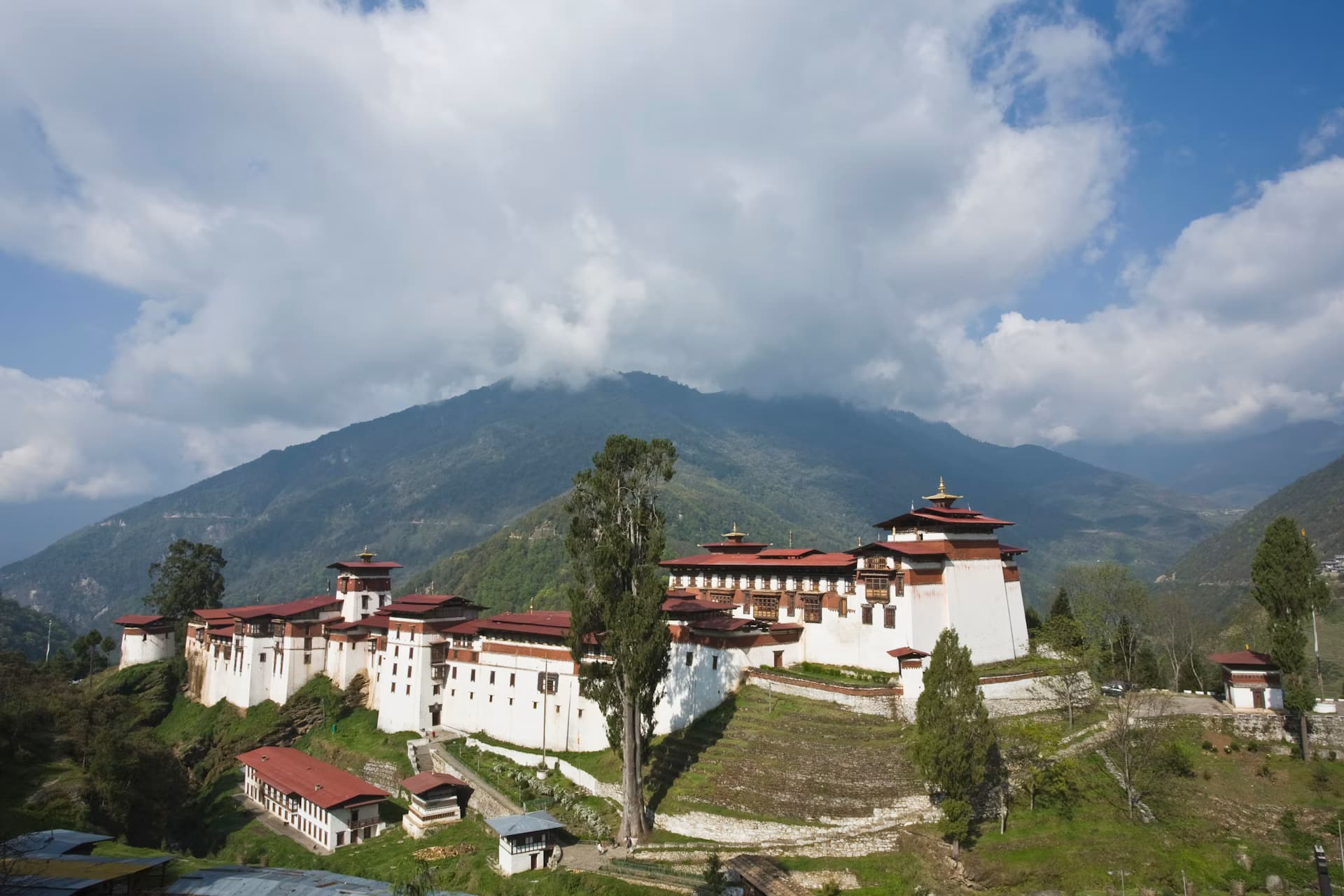 PlaceTrongsa — the ancestral seat of the Wangchuck royal dynasty.Trongsa — the ancestral seat of the Wangchuck royal dynasty. The longest dzong in Bhutan above the Mangde Chhu gorge; the Ta Dzong museum.
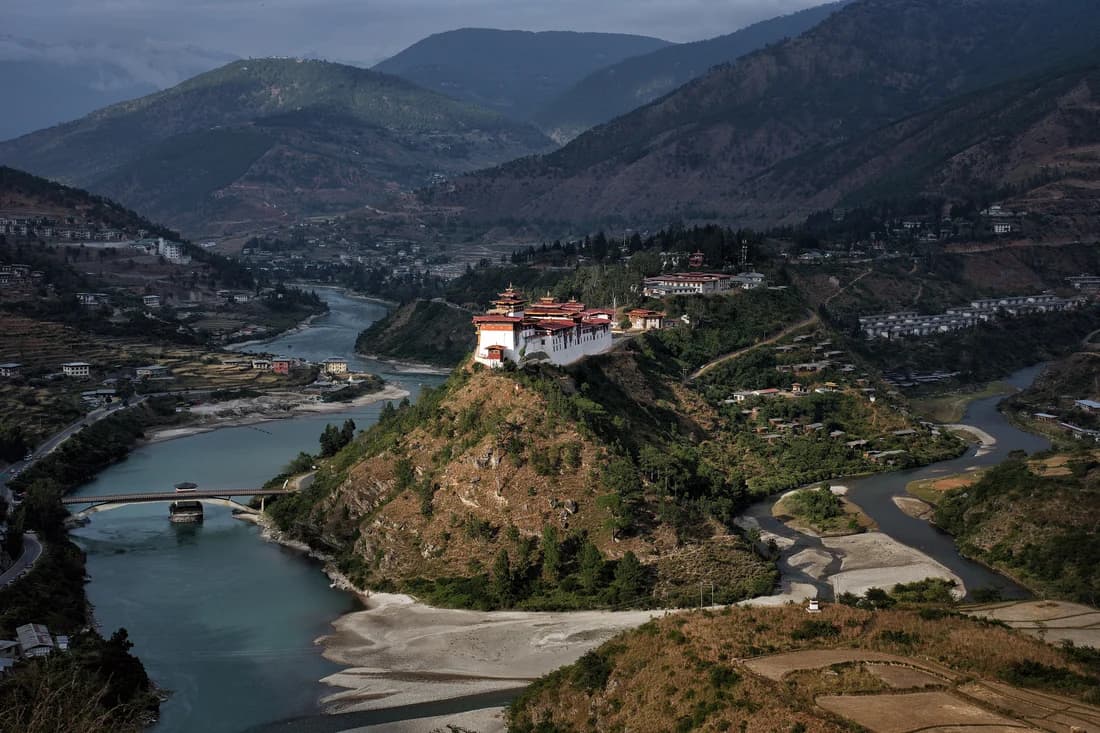 PlaceWangdue Phodrang — the dzongkhag between Punakha and Phobjikha, the rebuilt dzong, the western gateway to Trongsa.Wangdue Phodrang — the dzongkhag between Punakha and Phobjikha. Wangdue Phodrang Dzong (1638, rebuilt after 2012 fire). Western gateway to Trongsa and Bumthang.
Journeys through here
Frequently asked
- Should international visitors plan time in Tsirang?
- For visitors with serious interest in Bhutanese agriculture or the south-central Bhutanese landscape, yes — Tsirang is one of the principal access points. For general cultural visitors focused on the western circuit (Paro, Thimphu, Punakha, Phobjikha, Bumthang), Tsirang is typically off the standard itinerary; the matched guide briefs honestly on the trade-off.
- Can I visit working farms in Tsirang?
- Yes. The matched guide arranges agricultural-interest visits to working farms across the dzongkhag — the citrus orchards in particular are open to visitors with serious agricultural interest during the November-February harvest window. Substantial advance arrangement is typically required; the matched guide handles the farm-and-family coordination.
- What is the principal crop in Tsirang?
- Oranges and mandarins (citrus) are the principal cash crops by volume and economic value, with the harvest in November-February. Large-cardamom is the principal high-value crop, with export to India and the broader regional market. Areca nut, ginger, and other tropical-and-subtropical crops are the broader agricultural. The matched guide briefs visitors on the current agricultural tradition and the visit possibilities.

