FOR COLLECTORS AND WEAVERS
Bhutan, read through its weaving.
A seven-night Bhutan journey for collectors, weavers, and anyone who reads cultures through textiles — workshop visits, master weaver introductions, and a guide who can name the stitches.
7 nights · Luxury tier · from USD 11,000 per traveller
- Nights
- 7
- From
- USD 11,000per traveller
- Tier
- Luxury
- Best season
- Autumn
- Suits
- Small group
- Departing
- Worldwide
What a Bhutanese textile asks of the reader
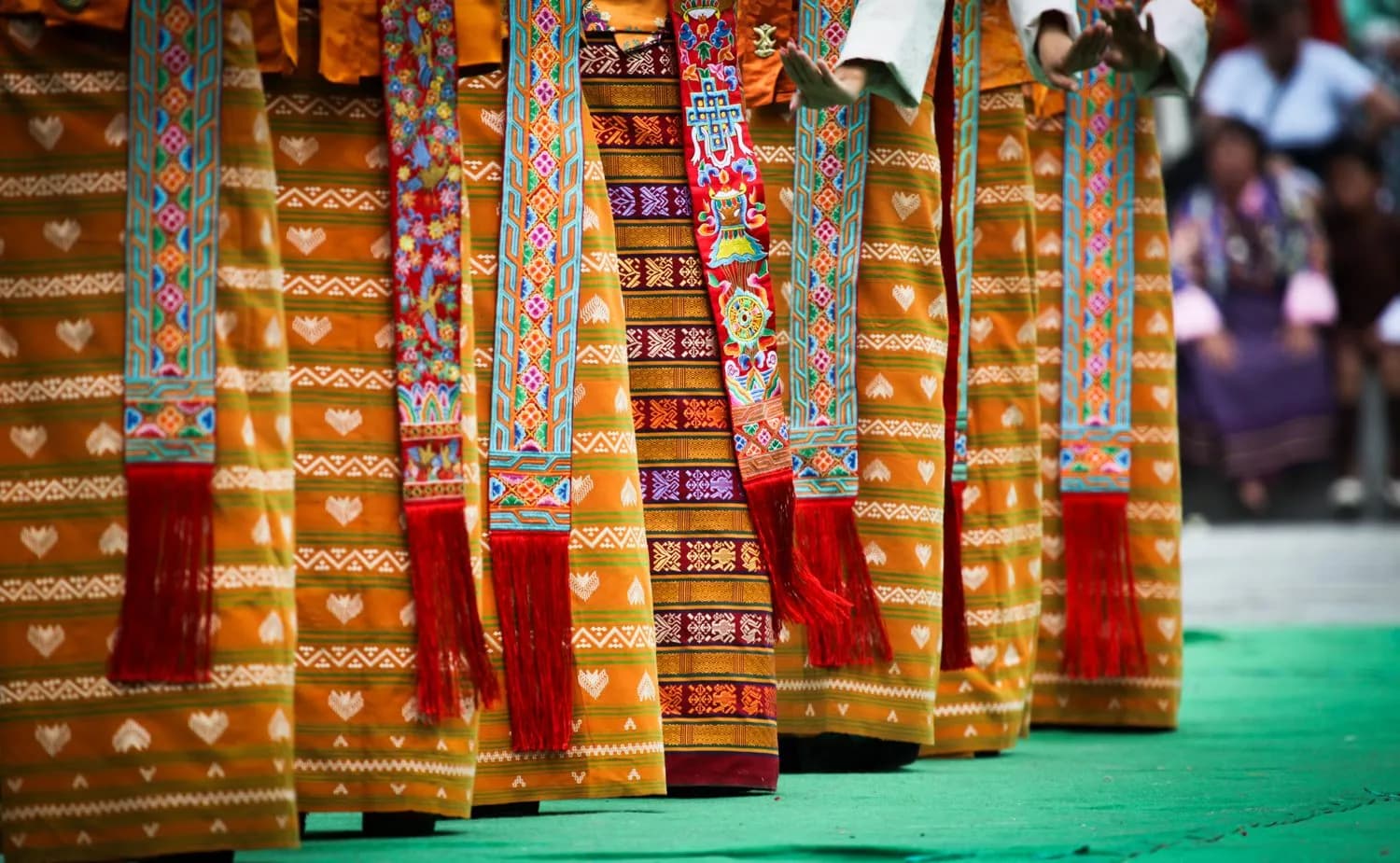
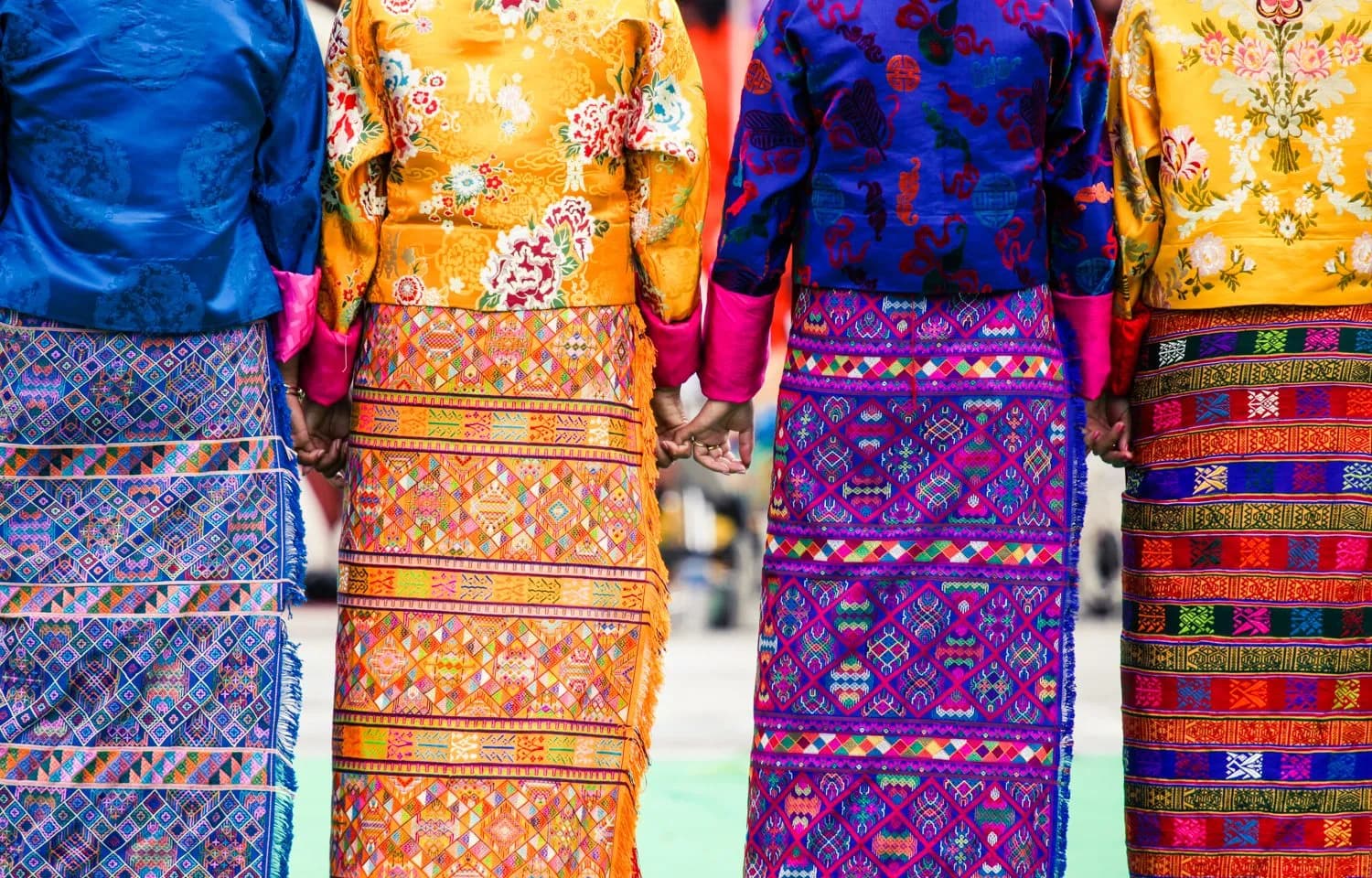
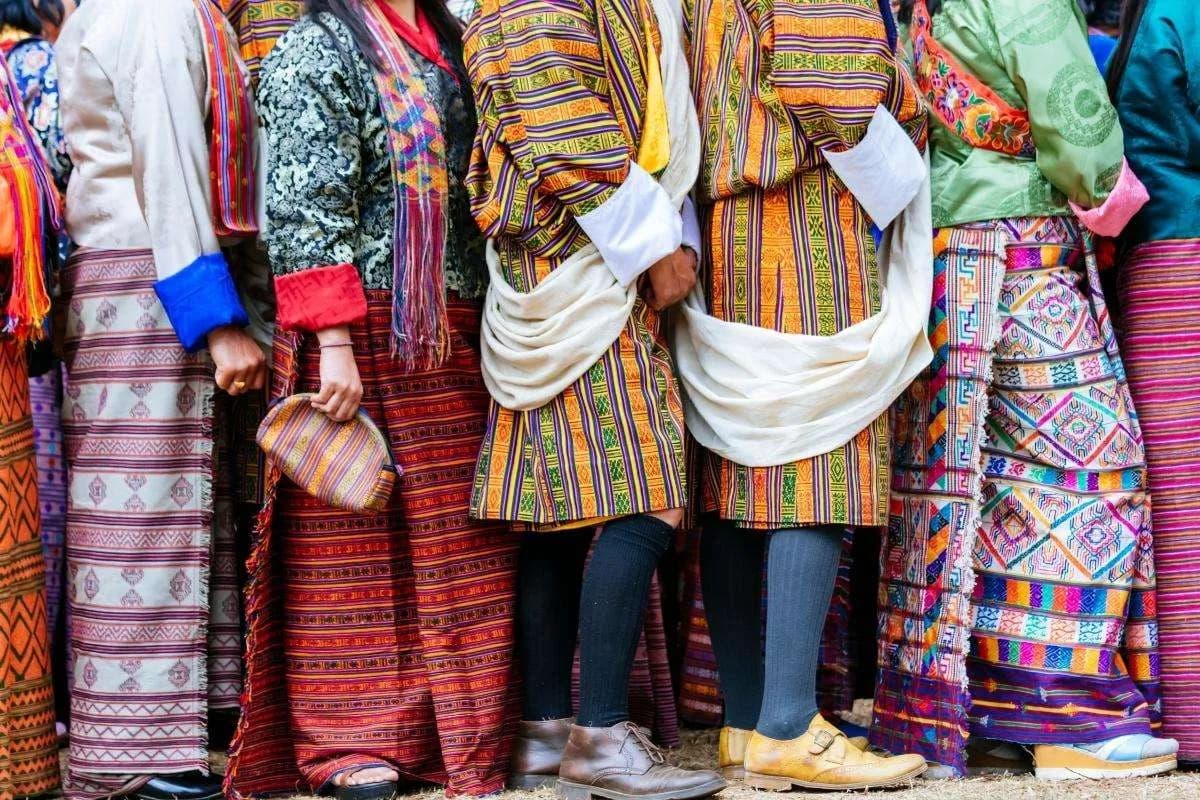
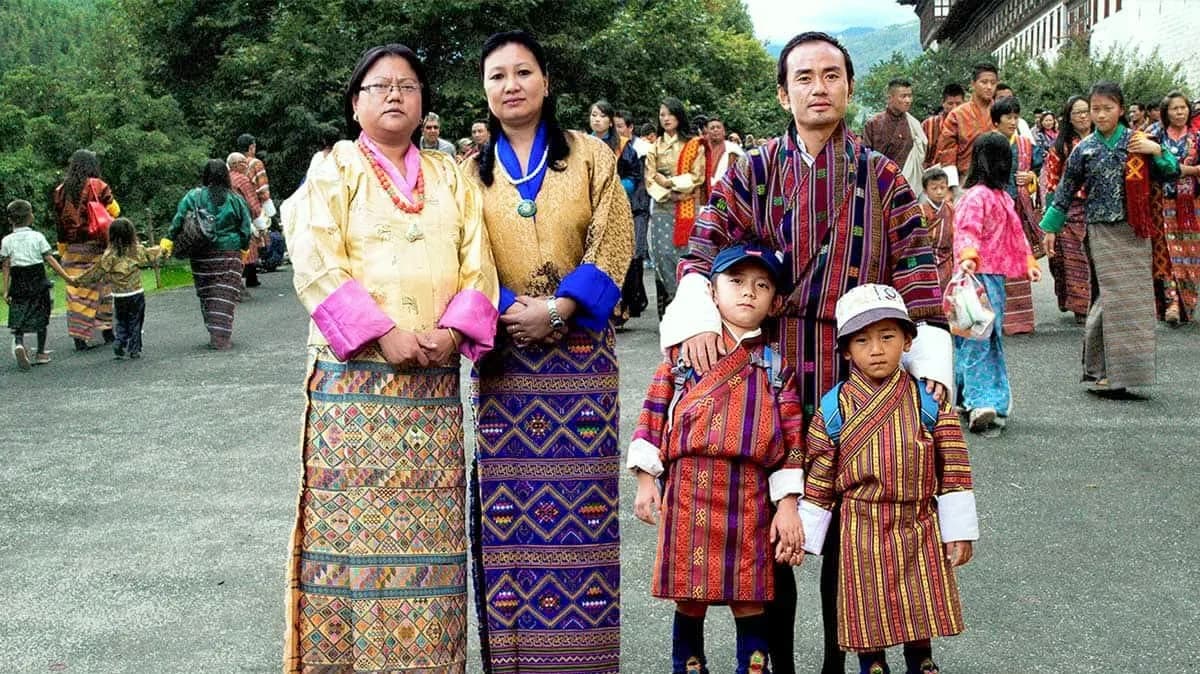
A kushuthara from eastern Bhutan can hold 18 months of one weaver's life; the supplementary-weft patterns name plant species that grow within ten kilometres of where the cloth was made. To travel here and miss that is to miss the country's primary literature. This week is built for travellers who already know that and want to read it properly.
What you will actually see
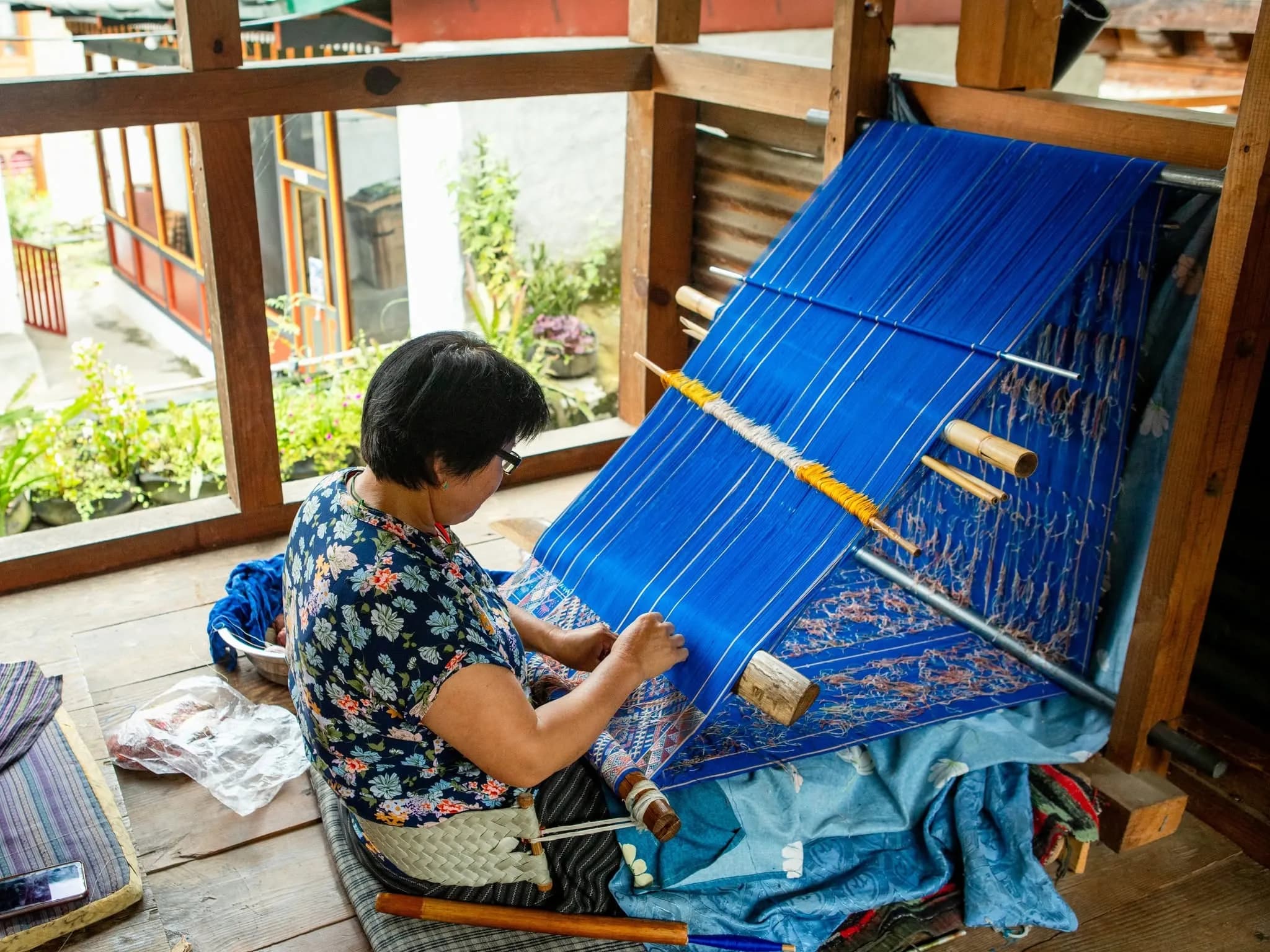
Thimphu's National Textile Museum at the right hour — early, before the school groups, with one of the curators if our timing aligns. The school of traditional arts in working session. One private home in Lobesa where a master weaver works at a treadle loom set into the kitchen, who can be commissioned for a piece if you ask. Two or three small ateliers in Thimphu where the next generation is reinventing what their mothers made.
Your guide for this week
We match from a carefully curated network; the textile guide is the one who can name the stitches, identify the dye plants in the kitchen garden, and read the kira on the woman serving you lunch. She — usually a she on this brief — has the introductions at the right looms and the cultural translation that makes the difference between a tour and an apprenticeship by short residency.
The route
A sample shape of the week
DAY 01
Paro arrival — settle, read the room
Met in the arrivals hall, twenty minutes to the lodge; an unhurried afternoon at Rinpung Dzong if the light is right.
DAY 02
Across to Thimphu — first museum visit
Drive into the capital, lunch at the lodge; the National Textile Museum mid-afternoon with a curator if dates align.
DAY 03
Thimphu — school of traditional arts + ateliers
Morning in a weaving class at the National Institute; afternoon at two ateliers on Norzin Lam.
DAY 04
Over Dochu La to Punakha
Cross the pass; arrive Punakha for lunch; afternoon free at the lodge or short walk to the dzong.
DAY 05
Lobesa — a master weaver's kitchen
Walk through the rice paddies; arrange-ahead visit to a master weaver's home loom; possibility of commissioning a piece for completion within 12 months.
DAY 06
Back to Paro — the climb
Drive back over the pass; pre-brief for Taktsang; an early dinner.
DAY 07
Tiger's Nest + a last conversation
Climb at your own pace; a late-afternoon visit to a weaver in Paro to close the week.
The day-by-day above is illustrative. The proposal you receive is built around your dates, your pace and your interests, not this template.
Frequently asked
- Can we commission a piece in advance?
- Yes — for kushuthara and yathra commissions, we ask three to six months' lead so the weaver can source thread, dye, and reserve loom time. For smaller pieces (kira, gho), six weeks usually suffices. The commission is paid 50% on agreement and 50% on completion; we ship from Bhutan.
- Will we meet weavers in their homes, or only in workshops?
- Both. The home visits are arranged through the guide's network and depend on the weaver's schedule — if a piece is on the loom and you are visiting, you may sit and watch the working. We make the introductions and translate; what happens after that is a conversation.
- Eastern Bhutan textiles — can we extend?
- Bumthang and Lhuentse (the heartland of kushuthara) are reserved for our 12-night extension itineraries — not part of Bhutan. Ask in your intake if you'd like the longer version; expect an additional five nights and a different rhythm.
- Acquiring antique pieces?
- Bhutan restricts export of certain antique textiles; we work only with dealers whose pieces have proper export permits and provenance documentation. The guide will introduce; the legal work is on our side.
Journeys you might also weigh
- 01Bhutan for families travelling with elderly parentsA luxury-tier journey designed around the slower pace that elderly parents need and around the cultural depth they often value most. Fewer driving days, ground-floor villas where available, Tiger's Nest treated as an optional rather than the climax, and a matched guide who has spent two decades reading what an elderly Bhutanese pilgrim needs from a temple visit and is calibrated to read the same for an international one.8 nights
from $9,000 - 02Bhutan signature-tierFor the principal who has done premium and luxury travel and wants the rare. Signature tier is not luxury with an extra zero — it is the considered framework that holds a senior international principal with the discretion, the cultural depth, and the operational ease that the distinctive Bhutanese hosting capacity can provide. By invitation. Eight nights typical. Around USD 14,000 to 60,000 per traveller depending on configuration.8 nights
from $22,000 - 03Bhutan Buddhist pilgrimageA small-group pilgrimage journey for Asian-Buddhist travellers — from Singapore, Malaysia, Taiwan, Korea, Japan, Hong Kong, Vietnam — who want the Tibetan-Vajrayana religious circuit rather than the secular cultural-tourism version. Matched monastic-trained guides; access to working monasteries; the Bumthang religious circuit at its full depth.10 nights
from $18,000
Begin when you're ready.
A few questions, or a conversation in your own words. A bespoke draft either way.

