A RESTORATIVE HIMALAYAN RETREAT
Ten nights in Bhutan, paced as a restoration.
A Bhutan wellness journey for the traveller who has done the spa-and-yoga context elsewhere and wants something with cultural and traditional depth. Sowa Rigpa (the Bhutanese-Tibetan traditional medicine system), hot stone baths in the menchu tradition, considered Bhutanese cuisine, generous unhurried pacing, the flagship wellness lodges. Ten nights typical; luxury or signature tier.
10 nights · Luxury tier · from USD 22,000 per couple (single occupancy adds approximately 30%)
- Nights
- 10
- From
- USD 22,000per couple (single occupancy adds approximately 30%)
- Tier
- Luxury
- Best season
- Year round
- Suits
- Wellness
- Departing
- Worldwide
What this journey is not
It is not a yoga retreat — Bhutan has yoga but the country's distinctive wellness tradition is not the yoga-and-pranayama framework you find at the Indian or Balinese wellness destinations. It is not a meditation-only retreat — we have a dedicated [[bhutan-meditation-retreat-winter|meditation retreat]] journey for travellers who want the contemplative-monastic tradition specifically. It is not a clinical detox or weight-loss programme. What this journey is: a generous, unhurried, ten-night restoration anchored in the considered Bhutanese cultural-wellness tradition — the traditional Sowa Rigpa medical consultation, the menchu hot stone bath in its proper traditional form, the considered Bhutanese cuisine on its own terms, the unhurried lodge time, the slow walks across the valleys, the morning monastery option you take only if you wake for it.
Sowa Rigpa — the traditional Bhutanese medicine register
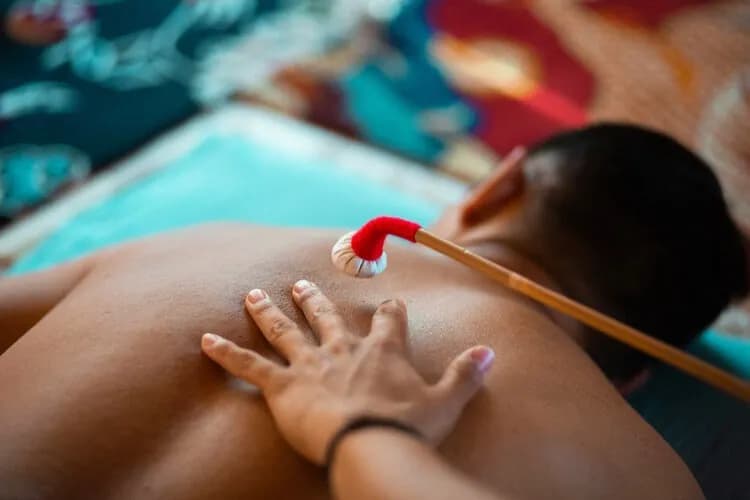
**Sowa Rigpa** is the Bhutanese-Tibetan traditional medicine system — a millennium-old framework rooted in the Buddhist Vajrayana medical tradition, built on the three humours (wind, bile, phlegm) and the principle of balance through diet, behaviour, herbal medicine, and external therapy. The Royal Government's [[national-institute-for-traditional-medicine|National Institute for Traditional Medicine]] in Thimphu trains Sowa Rigpa practitioners and produces the traditional pharmacopoeia. We arrange a one-hour consultation with a senior practitioner at the Institute (pulse diagnosis, lifestyle and constitution discussion, recommendations) early in your week; the matched guide handles the language; the practitioner's recommendations inform the lodge cuisine and the bath programme across the trip. The consultation is informational rather than clinical — for serious medical concerns, use your home practitioner first.
The hot stone bath — menchu in its proper form
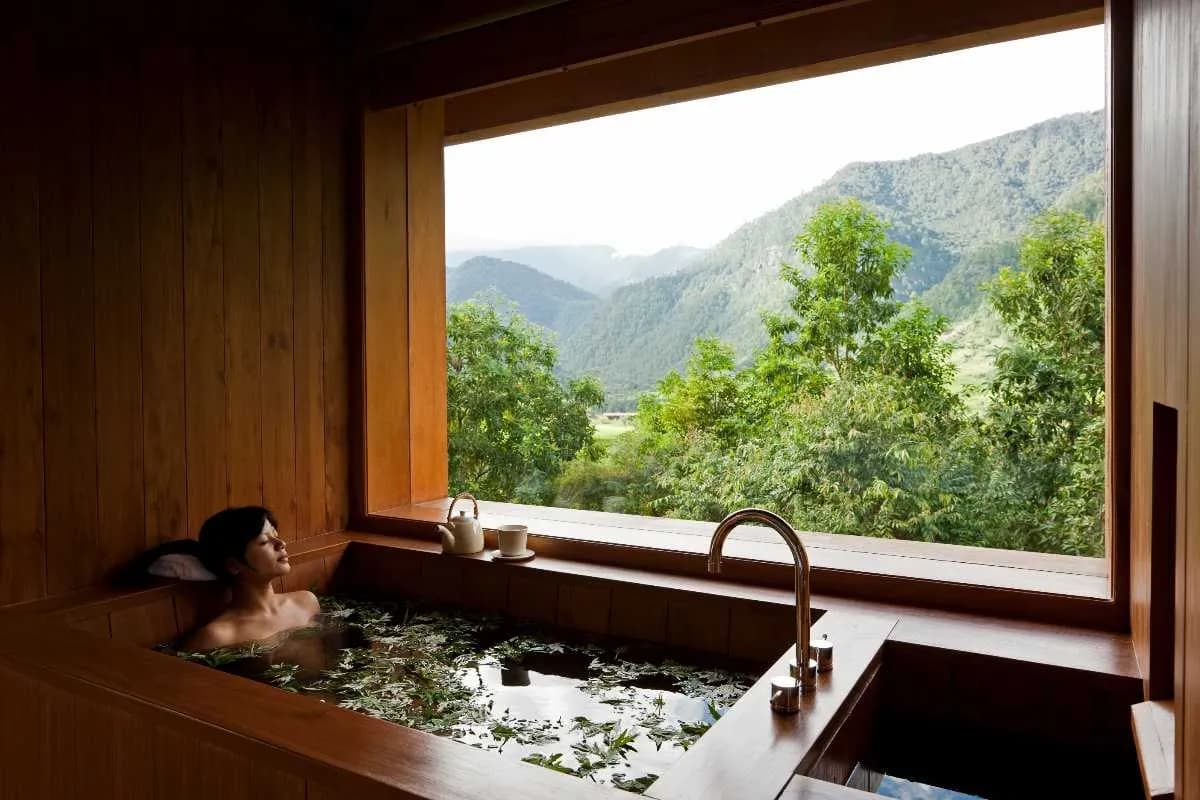
The Bhutanese **menchu** (literally medicinal water) is the traditional hot stone bath — river stones heated red-hot in a fire and dropped into a wooden tub of cold water infused with Artemisia (mugwort) leaves. The stones release heat slowly; the Artemisia releases its essential oils; the bather sits for forty to sixty minutes. The bath is anti-inflammatory, restorative for joint pain, and the principal traditional treatment for everything from post-trek recovery to seasonal cold-weather constitution-balance. Every premium lodge in our network offers the menchu in its proper traditional form — typically in a private outdoor pavilion overlooking the valley. We schedule menchu sessions across the week: arrival night (post-flight restoration), Day 5 (mid-week), Day 9 (pre-departure). Each is a different lodge, a different valley setting; the comparative tradition is itself part of the wellness arc.
Lodge curation — the wellness-tier set
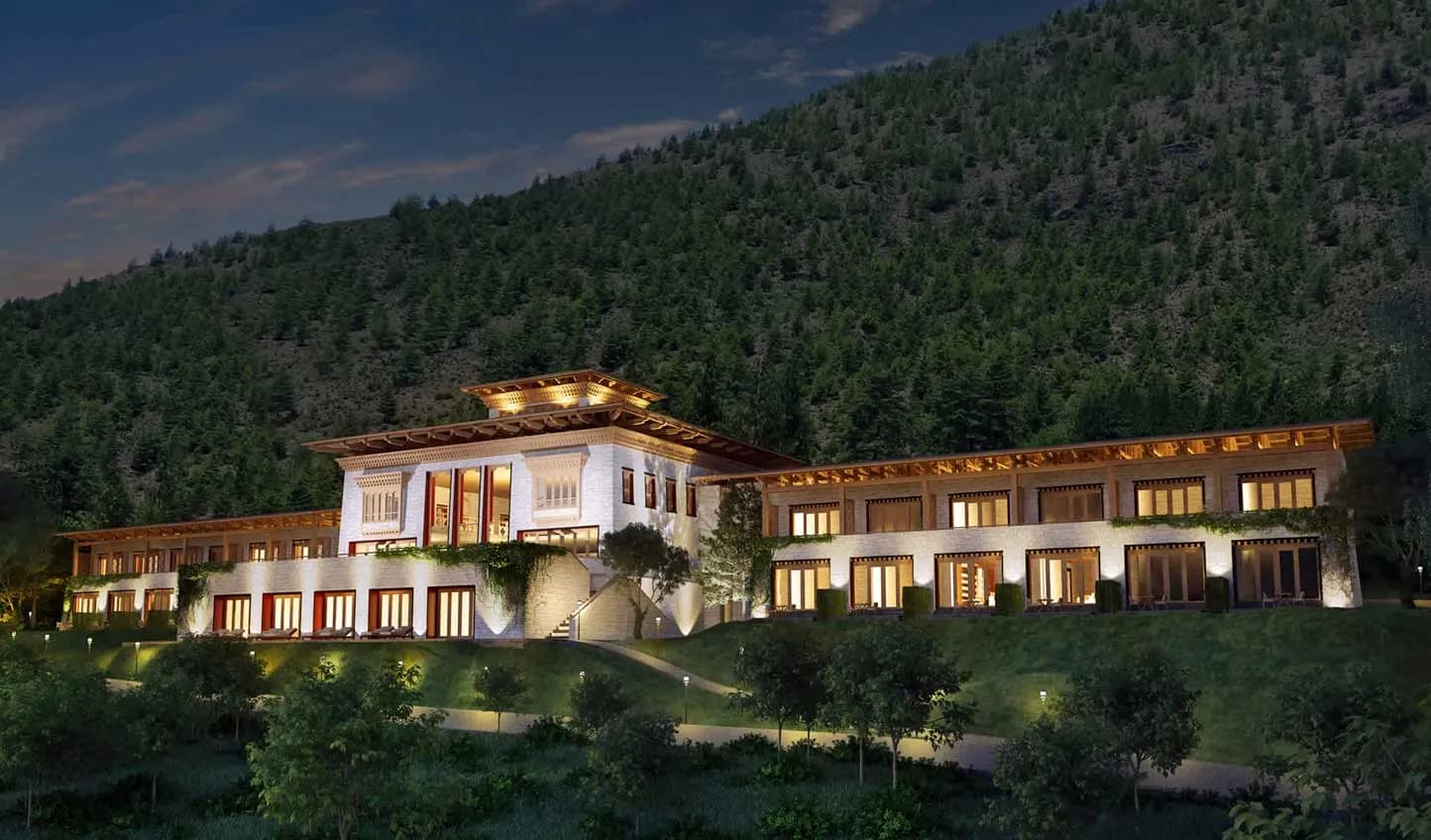
Three flagship lodges anchor the wellness: **[[bhutan-spirit-sanctuary|Bhutan Spirit Sanctuary]]** (Paro — the only purpose-built wellness retreat in Bhutan, with on-site Sowa Rigpa practitioners and a structured wellness programme), **COMO Uma Paro** (Paro — the COMO Shambhala spa programme adapted for the Bhutanese; yoga and bodywork available alongside the Sowa Rigpa-influenced treatments), and **Six Senses across the valleys** (Six Senses Paro, Thimphu, Punakha, Bumthang — each with the Six Senses spa programme calibrated to the local altitude and the Bhutanese tradition). The ten-night shape uses Bhutan Spirit Sanctuary for the first four nights (the structured wellness anchor), then progresses through the COMO and Six Senses circuit for the remainder.
Cuisine — Bhutanese vegetarian on its own terms
Bhutanese cuisine is structurally vegetable-and-cheese-heavy — ema datshi (chillies and cheese) is the national dish, kewa datshi (potato and cheese), shamu datshi (mushroom and cheese), and the seasonal vegetable curries built on the Bumthang buckwheat-and-dairy tradition. For the wellness-tier traveller the cuisine register naturally aligns with the lighter Sowa Rigpa-influenced diet — vegetable-forward, mild-chilli-on-request, the seasonal restorative broths (thukpa) and the cultured-milk tradition (zow shungo, traditional Bhutanese rice-and-yoghurt breakfast). The lodge kitchens handle vegan with advance briefing; raw-food not really within the Bhutanese tradition (the highland climate makes raw-food unrewarding most of the year). Alcohol is available but not pushed at the wellness tier.
The route
A sample shape of the week
DAY 01
Arrival at Bhutan Spirit Sanctuary — Paro
Met at PBH after the morning Drukair; thirty minutes to Bhutan Spirit Sanctuary in the upper Paro valley. Welcome menchu hot stone bath in the late afternoon; an early supper of restorative Bhutanese broth; sleep.
DAY 02
Sowa Rigpa consultation — the constitution diagnosis
Morning visit to the National Institute for Traditional Medicine in Thimphu; one-hour consultation with a senior Sowa Rigpa practitioner (pulse diagnosis, lifestyle and constitution discussion, recommendations). Lunch at the lodge garden; the afternoon is yours to walk in the Paro valley or rest.
DAY 03
Bhutan Spirit Sanctuary — the wellness programme
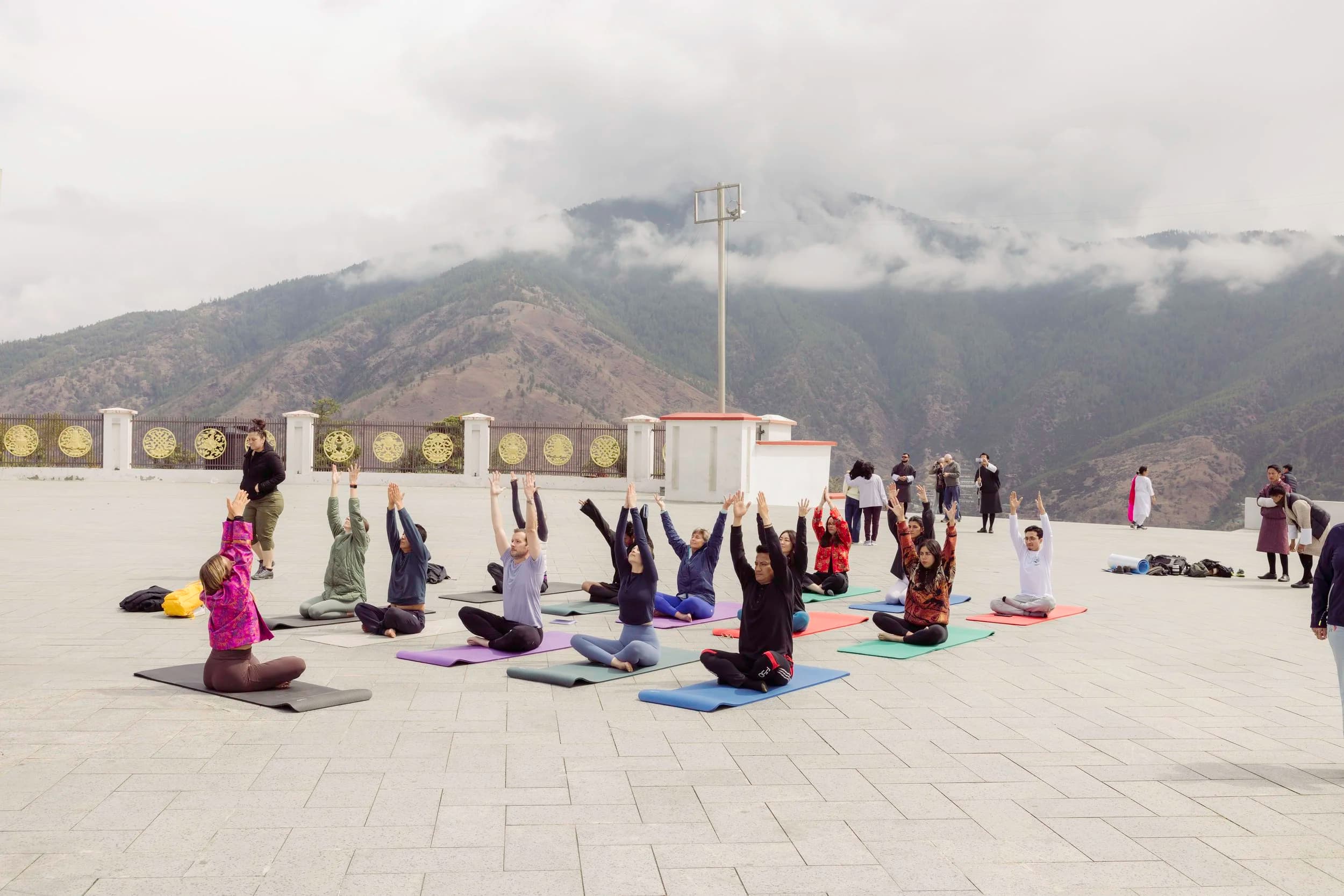
Morning yoga in the lodge pavilion (the COMO Shambhala-influenced register adapted to the Bhutanese altitude); Sowa Rigpa-informed treatment in the morning; a long unhurried lunch; afternoon walk to Kyichu Lhakhang; evening menchu bath.
DAY 04
Bhutan Spirit Sanctuary — the integration day
Late breakfast; morning rest; a gentle walk to a private outdoor meditation pavilion the lodge maintains in the upper valley; lunch on the trail; an afternoon of bodywork; a quiet supper.
DAY 05
Across to Thimphu — COMO Uma route
The Pa Chhu valley to Thimphu; check into Six Senses Thimphu; afternoon at the textile museum (the Bhutanese textile tradition is itself a meditative register); evening menchu bath at the Six Senses pavilion.
DAY 06
Over Dochu La — into Punakha
The 3,100m pass and the 108 chortens (a brief stop, the pass is itself restorative); descent to Punakha; check into Six Senses Punakha; afternoon at the dzong at the river confluence; evening at the lodge.
DAY 07
Punakha day — Mo Chhu walk and lodge time
Chimi Lhakhang in the morning; the slow walk across the rice paddies to Khamsum Yulley Namgyal Chorten; lunch by the river; afternoon at the lodge pool; evening menchu bath.
DAY 08
Up to Phobjikha — the high glacial valley
Over the Lawa La; the high glacial valley silence; Gangtey Monastery on the ridge; the cranes in late afternoon if the date holds; supper at Gangtey Lodge.
DAY 09
Back to Paro — the integration return
The drive back across the passes; return to Bhutan Spirit Sanctuary for the final two nights; afternoon menchu bath; supper.
DAY 10
The Tiger's Nest option — held for the morning
The dawn climb at your pace if your body is ready (the Sowa Rigpa practitioner will have noted whether the constitution suits the altitude exertion); or rest at the lodge and the slow walk to the Taktsang viewing platform (15 minutes from the trailhead) if not; final supper at Bhutan Spirit Sanctuary.
DAY 11
The flight back
Dawn Drukair flight back; the body returned in a different configuration than it arrived.
The day-by-day above is illustrative. The proposal you receive is built around your dates, your pace and your interests, not this template.
Frequently asked
- How does this differ from the meditation retreat?
- The [[bhutan-meditation-retreat-winter|meditation retreat]] is contemplative-monastic-led — extended periods at a monastery, structured meditation programme, the Vajrayana practice. This wellness retreat is broader — Sowa Rigpa, hot stone baths, considered cuisine, the spa-tier lodges, generous unhurried pacing. Both can be combined for the principal traveller who wants the comprehensive restoration arc (typically 14 nights).
- Is the Sowa Rigpa consultation in English?
- The matched guide handles the language register — the senior practitioner at the National Institute typically holds working English but the matched guide bridges the technical Sowa Rigpa vocabulary. The pulse-diagnosis component is non-verbal; the lifestyle-and-constitution discussion runs through the guide. The recommendations are written and translated in your post-consultation pack.
- What about altitude sickness?
- The Bhutanese principal altitudes (Paro 2,250m; Thimphu 2,320m; Dochu La 3,100m for 20-40 minutes; Punakha 1,280m as altitude relief; Phobjikha 2,900m; Tiger's Nest 3,120m) are below the serious-altitude-illness threshold (typically above 4,000m). Most travellers experience mild altitude symptoms (headache, fatigue) at 2,500m+. The Sowa Rigpa practitioner will note any constitutional caution; the matched guide carries Diamox and the standard altitude-management protocol. For travellers with known heart or pulmonary conditions, advise your home practitioner before booking.
- Single-traveller and solo female travellers?
- The wellness register suits solo travellers particularly well — the generous unhurried pacing, the lodge time, the body work. Solo female travellers: see also [[bhutan-solo-female-travel|the dedicated guide]] for the broader safety. The matched guide is female on request where the dates allow; the lodges accommodate single rooms throughout (with the single-supplement noted in your proposal).
- What is the Sustainable Development Fee?
- USD 100 per night per international visitor, set by the Royal Government of Bhutan. It funds environmental protection, free citizen healthcare, and free citizen education. Included in your transparent price breakdown across all ten nights (USD 1,000 total per traveller).
Journeys you might also weigh
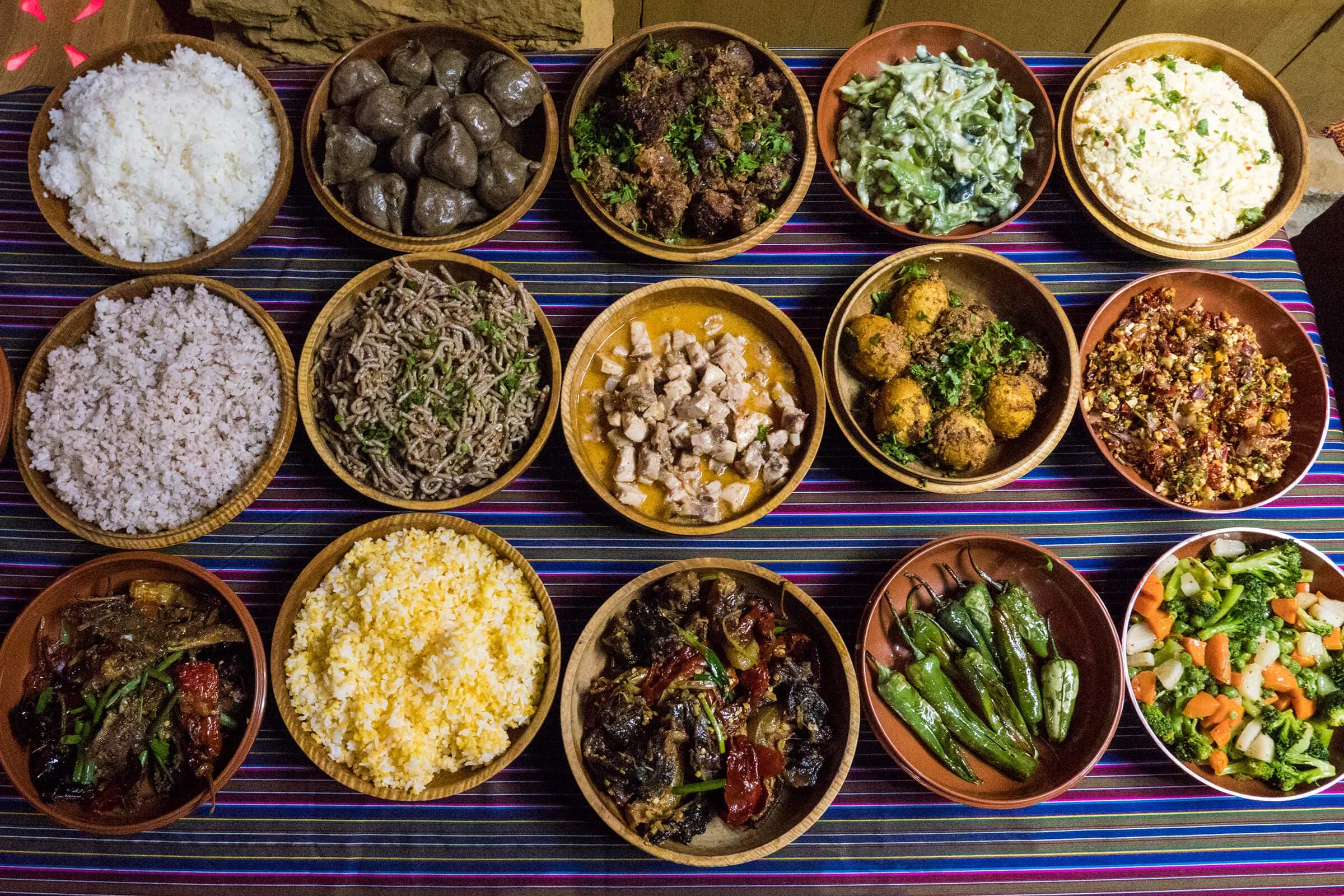
- 01A Bhutan culinary journeyAn eight-night journey for a couple who travel by the table — Paro, Thimphu, Punakha, and on to the central heartland of Bumthang. Ema datshi and the Bhutanese love of the chilli; red rice in the lower valleys and buckwheat in the high ones; a farmhouse meal cooked over a wood stove; a cooking lesson with your hands in the dough; the cheese and the unfiltered wheat beer of the Bumthang Swiss Farm; suja by the fire; a hot stone bath at the end of the cold days; and the considered, season-close kitchens of the lodges between.8 nights
from $16,000 - 02Bhutan digital detoxA private, gently paced Bhutan week for the traveller who has been reachable for too long — Paro, Thimphu, Punakha, and back. We do not take your phone or sell you a no-signal stunt. We simply put you somewhere that quietly stops asking for your attention, and a guide who lets the days stay slow.7 nights
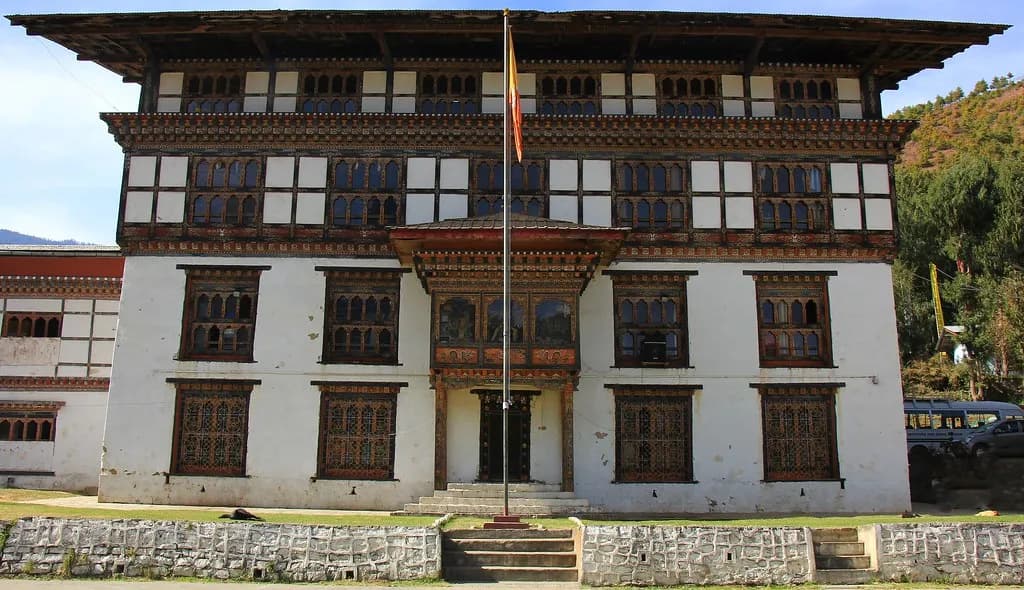
from $7,000 - 03Bhutan arts and crafts journeyA small-group Bhutan journey for travellers who want the country through its craftsmen — the thirteen traditional arts taught at the National Institute for Zorig Chusum, a thangka painter at the proportioned grid, a carver releasing a mask from a block, a dzong read for how it was built rather than only admired. Paro, Thimphu, Punakha, and back, with the days kept generous so that a workshop runs to its own length and a maker or two is met properly rather than glimpsed.8 nights
from $8,000
Begin when you're ready.
A few questions, or a conversation in your own words. A bespoke draft either way.

