A Bhutanese dzong
Mongar Dzong — the 1930 eastern fortress, one of the youngest principal dzongs in the country.
Mongar Dzong was built in 1930 — one of the youngest principal dzongs in the country, replacing the older Zhongar Dzong that had been damaged by earthquake and fire in the early 20th century. The dzong was commissioned under the direction of His Majesty the Second Druk Gyalpo Jigme Wangchuck and follows the traditional Bhutanese dzong architectural framework at a moderate scale. The dzong houses both the Mongar dzongkhag administrative offices and the regional monk body; the architectural gives visitors a clear sense of how Bhutanese builders maintained dzong-construction continuity through the 20th century.
Also known as Mongar Dzong
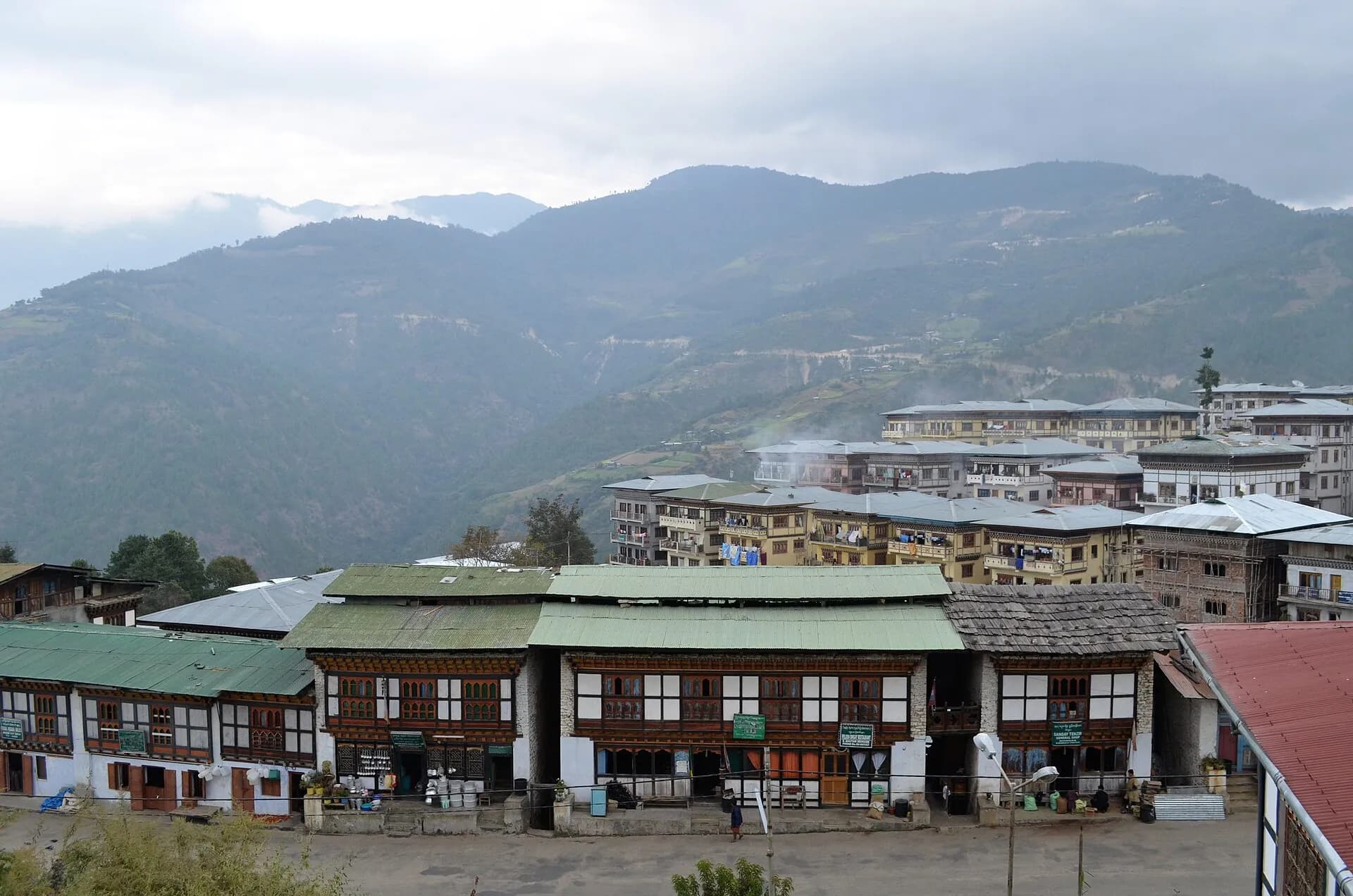
- Location
- Mongar town, eastern Bhutan, Mongar
- Founded
- 1930
- Founder
- His Majesty the Second Druk Gyalpo Jigme Wangchuck
- Elevation
- 1,600 m
- Kind
- dzong
The 20th-century dzong tradition
Mongar Dzong was built in 1930 to replace the older Zhongar Dzong (literally 'White Crystal Fortress', sometimes Shongar), which had been damaged by earthquake and fire in the early 20th century and had become structurally unstable. The new dzong was commissioned under the direction of His Majesty the Second Druk Gyalpo Jigme Wangchuck — part of His Majesty's broader institutional consolidation work across his 1926-1952 reign (see the Second Druk Gyalpo entry). The Mongar Dzong construction is one of the more notable examples of how Bhutanese builders maintained dzong-construction continuity through the 20th century — preserving the traditional architectural framework (sloping battered walls, the central utse, the elaborate wooden window frames, the steep traditional roof profile) at a more moderate scale than the substantial 17th-century Zhabdrung-era dzongs to the west.
The architecture and the principal religious imagery
Mongar Dzong follows the canonical Bhutanese dzong architectural framework at a moderate scale (smaller than Punakha or Trongsa, comparable in scale to Wangdue Phodrang). The principal external features — the sloping battered walls (rammed-earth and stone, whitewashed), the central utse rising from the courtyard, the elaborate hand-painted window frames, the steep traditional roof profile (now in galvanised-iron). The internal religious imagery — the principal Drukpa Kagyu institutional iconography, the Tshering Chhog Nga (the five long-life goddesses) in the principal lhakhang, the Kagyu lineage portraits, the principal protective-deity imagery. The dzong houses both the Mongar dzongkhag administrative offices and the regional monk body; the dual-function operation is the canonical Bhutanese dzong register.
The Mongar Tshechu
The Mongar Tshechu in November is the principal annual festival at the dzong — three days of cham mask dance programmes, religious processions, and the broader Drukpa Kagyu institutional. The festival operates within the eastern Bhutanese tshechu calendar (alongside the Trashigang Tshechu in November-December and the Gom Kora Tshechu in spring); the matched guide arranges festival-aligned trips with advance notice. The festival is one of the more accessible eastern tshechus for visitors with serious interest in the eastern Bhutanese cultural register but limited time for the deeper eastern itineraries.
Visiting
- Getting there
- Mongar Dzong is on a hill above Mongar town in eastern Bhutan. Mongar is accessible by domestic flight (Paro to Yongphula airport, then road transfer) or by the long road journey from Paro via Bumthang (2-3 days with overnights). The matched guide arranges the routing.
- Opening hours
- The dzong is open during standard hours when not in active religious or administrative use — typically the late-afternoon visitor window (4-5pm onwards) when the administrative offices have closed. The Mongar Tshechu period sees substantial public access; the matched guide briefs on the current schedule.
- Dress and protocol
- Standard cultural-site protocol — modest dress, shoes removed in the principal religious areas, hats removed throughout. The substantial dzong is a working religious-and-administrative site; visitors are encouraged to maintain the respect tradition that the Bhutanese tradition operates within.
- Best time to visit
- October-May for the principal Mongar visiting window. November for the Mongar Tshechu festival window. June-September monsoon affects road conditions on the eastern routes and on the Bumthang-Mongar road over Thrumshing La (3,750m).
Journeys featuring this site
Frequently asked
- Is Mongar Dzong worth visiting?
- For visitors on the eastern circuit, yes — Mongar Dzong is the principal eastern dzong-architecture visit and provides essential context on the 20th-century Bhutanese dzong-construction tradition. For visitors with limited time focused on the western circuit, Mongar is essentially off the typical itinerary; the principal western dzongs (Punakha, Paro Rinpung, Tashichho) provide the canonical dzong-architecture tradition that international visitors typically encounter. See the Mongar dzongkhag entry for the broader eastern context.
- What was Zhongar Dzong?
- Zhongar Dzong (literally 'White Crystal Fortress') was the older predecessor dzong of Mongar — built in the 17th century during the Zhabdrung's institutional consolidation, damaged by earthquake and fire in the early 20th century, and replaced by the new Mongar Dzong in 1930. The Zhongar ruins are still visible in the principal Zhongar location; the historical-archaeological tradition is less accessible than the principal contemporary Mongar Dzong site but provides additional context for visitors with serious interest.
- Can I attend the Mongar Tshechu?
- Yes. The Mongar Tshechu in November is one of the more accessible eastern tshechus for international visitors — substantial three-day festival, principal cham mask-dance programme, the broader Drukpa Kagyu institutional. The matched guide arranges festival-aligned trips with advance notice; the accommodation register in Mongar is more modest than the principal western dzongkhags so substantial advance arrangement is essential.

