A Bhutanese dzongkhag
Mongar — the eastern circuit anchor, the gateway to Lhuentse and Trashigang, the Yongkola birding corridor.
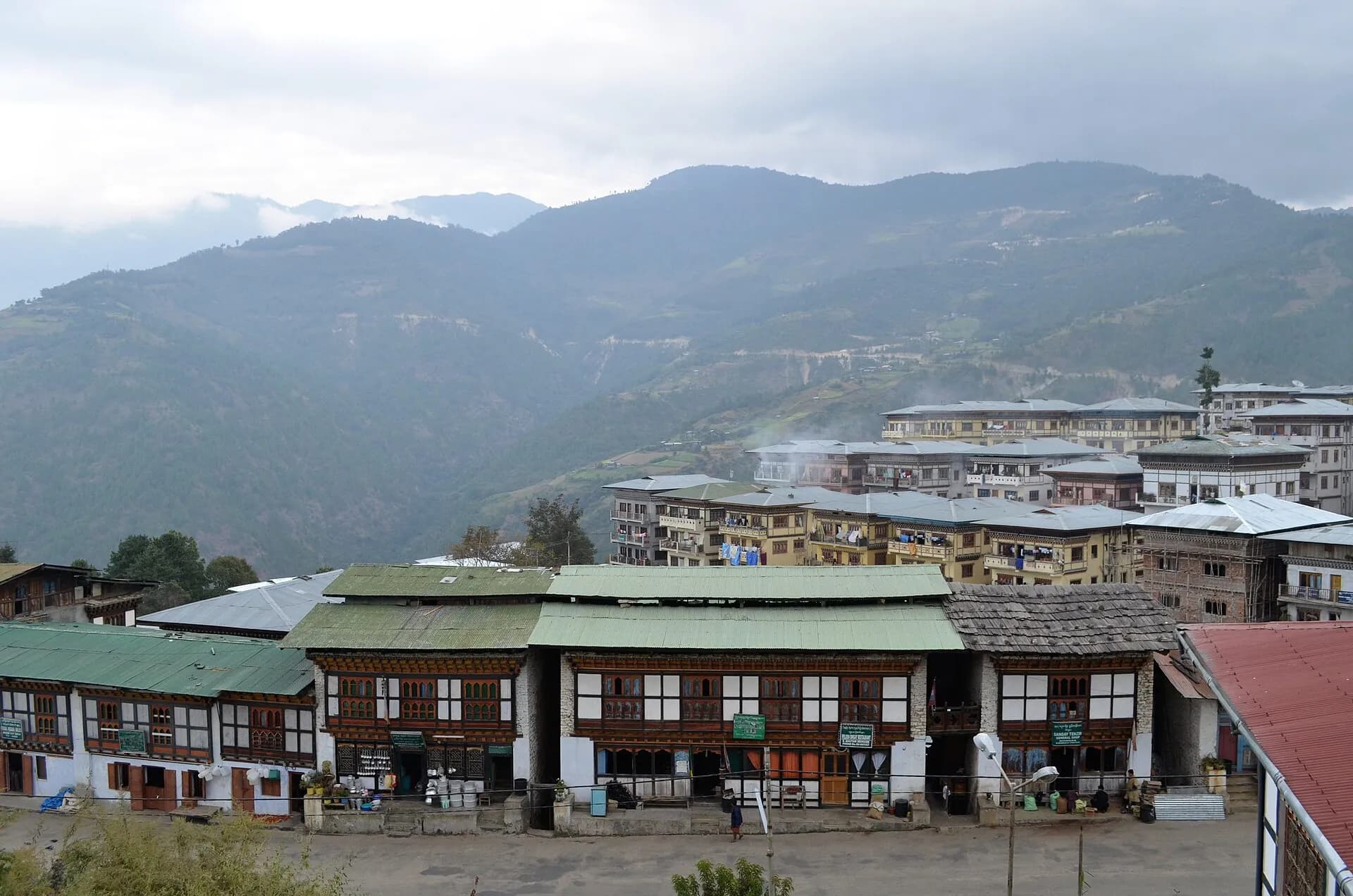
Mongar is the principal anchor of the eastern Bhutanese circuit — the dzongkhag through which routes branch north to Lhuentse, east to Trashigang and Trashiyangtse, and south to Royal Manas. The Yongkola road corridor south of Mongar town is one of the most-acclaimed mid-elevation birding transects in the world. Mongar Dzong is one of the youngest in the country (built 1930) but architecturally substantial. The dzongkhag is the practical base for visitors travelling the eastern circuit.
- District
- Mongar
- Altitude
- 1,600 m
- Kind
- dzongkhag
- Coordinates
- 27.275, 91.233
- Also known as
- Mongar Dzongkhag
The eastern circuit anchor
Mongar's significance in the contemporary Bhutanese tourism tradition is principally as the practical anchor of the eastern circuit. From Mongar town, the road branches: north along the Kuri Chhu to Lhuentse (3-4 hours); east through Korila pass to Trashigang and Trashiyangtse (3-4 hours); south via Yongkola, Sengor, and Thrumshing La back to Bumthang (7-8 hours, the principal east-west road); south-west to the Mangde Chhu valley and eventually Royal Manas National Park. Visitors travelling the eastern circuit typically base 1-2 nights in Mongar to access the branching routes. The town itself is a modest highland-eastern Bhutanese settlement at 1,600m, the principal commercial centre for the eastern dzongkhags.
Mongar Dzong — the modern eastern fortress
Mongar Dzong was built in 1930 — one of the youngest dzongs in the country, replacing the older Zhongar Dzong (now in ruins) which had been damaged in earthquakes and a fire. The dzong was constructed under the direction of the Second Druk Gyalpo His Majesty Jigme Wangchuck and follows traditional dzong architectural principles — the sloping battered walls, the central utse, the elaborate wooden window frames, the steep roof profile — at a smaller scale than the principal western dzongs. The dzong houses both the dzongkhag administrative offices and the regional monk body; visitors are welcome during standard hours. The traditional architectural style at Mongar gives visitors a clear sense of how Bhutanese builders maintained dzong-construction continuity through the 20th century.
The Yongkola birding corridor
The road from Mongar south to Yongkola and onward to Sengor and Thrumshing La is the principal mid-elevation birding transect in Bhutan and one of the most-acclaimed birding roads worldwide. The corridor descends from Mongar (1,600m) through the Yongkola broad-leaf forest (1,500-2,200m) and ascends to Thrumshing La (3,750m), passing through the complete altitudinal range from subtropical-temperate broad-leaf forest through coniferous forest to alpine treeline. Over 400 bird species have been recorded along the corridor including rufous-necked hornbill, ward's trogon, beautiful nuthatch, satyr tragopan, and the mid-elevation warbler diversity. Serious birders typically dedicate 3-4 days to the corridor, with overnight stops at Yongkola and Sengor. See the Bhutan birding experience.
Aja Ney — the eastern pilgrimage
Aja Ney is one of the principal eastern Bhutanese pilgrimage sites, in the broad-leaf forest east of Mongar town. The site is associated with the Eighth Karmapa Mikyo Dorje and substantial Drukpa Kagyu pilgrimage; the cliff face and meditation caves are the principal devotional sites. Aja Ney is less-frequented by international visitors than the western pilgrimage sites; for visitors with serious interest in the contemplative-and-pilgrimage, the access is more authentic-feeling than the heavily-visited western sites. The matched guide arranges access for visitors with a 1-2 day Mongar window.
Visiting
- Access — domestic flight or long road
- Mongar is accessible by domestic flight (Paro to Yongphula airport in eastern Bhutan, then 4-hour road transfer) or by the full road journey from Paro (2-3 days). For visitors with eastern-Bhutan focus, the domestic flight option saves substantial time. The matched guide handles the routing.
- Where to stay
- Standard government-rated hotels in Mongar town. No premium-tier lodgings as of 2026 — the most-comfortable option is the Wangchuk Hotel or the Druk Zhongar Hotel, both standard-tier. For visitors who want the heritage-and-cultural, the matched guide can arrange a homestay in the Yongkola valley or with a Mongar-town family.
- Best window
- October-May for the eastern routes. June-September monsoon affects road conditions across the eastern circuit; the road from Bumthang to Mongar via Thrumshing La can close after heavy rain. The Yongkola birding corridor is best from November-May with the spring (March-May) being the principal birding peak.
Where to go next
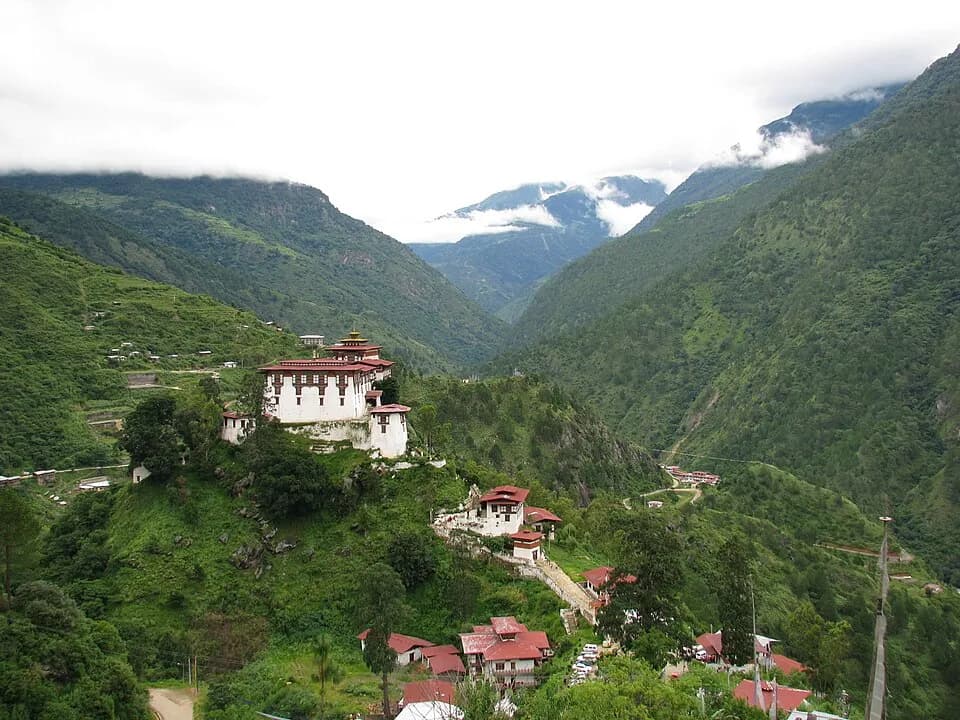 PlaceLhuentse — the eastern silk-weaving heartland, the kishuthara tradition, the Wangchuck ancestral home.Lhuentse — the eastern silk-weaving heartland, the kishuthara tradition, the Wangchuck ancestral region. Khoma valley master weavers. Lhuentse Dzong.
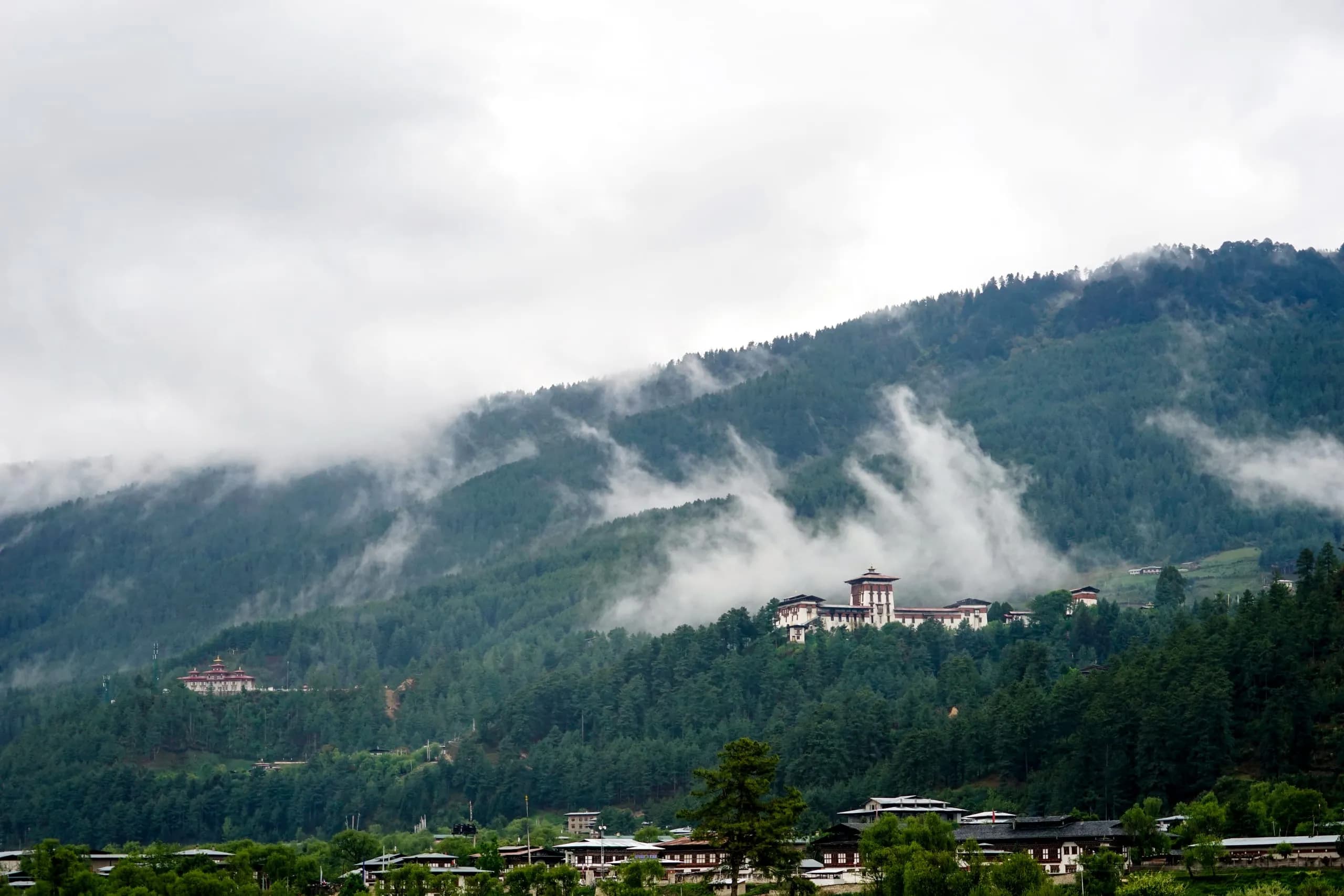 PlaceBumthang — Bhutan's spiritual heartland, the four valleys, the densest religious circuit in the country.Bumthang — the four central valleys, Bhutan's spiritual heartland. Kurjey, Jambay, Tamshing, Mebar Tsho. The densest religious circuit in the country.
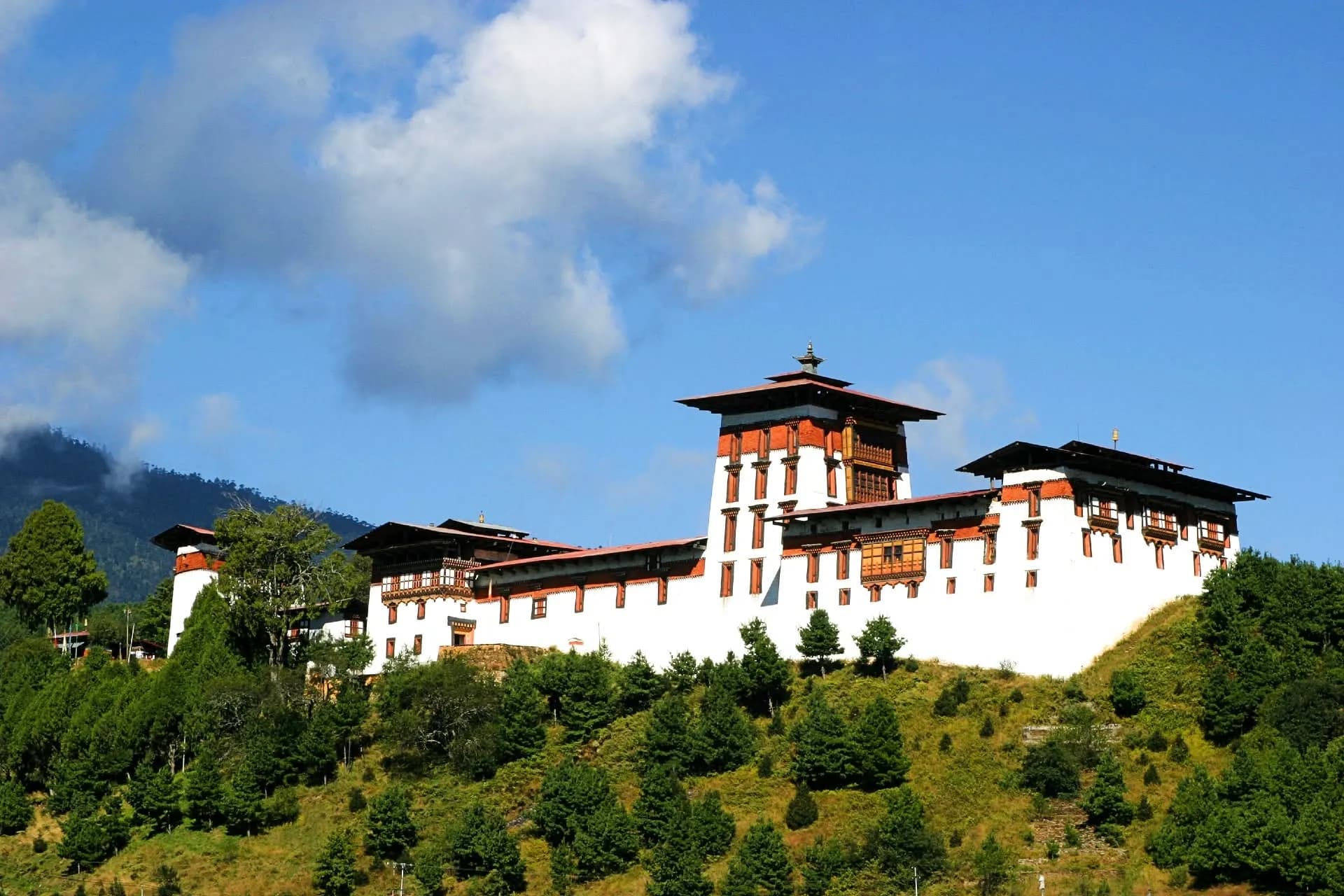 PlaceJakar — the principal Bumthang town, the Choekhor valley anchor.Jakar — the principal town of Bumthang. Jakar Dzong, the cheese factory, the brewery, the gateway to the Choekhor valley religious circuit.
Journeys through here
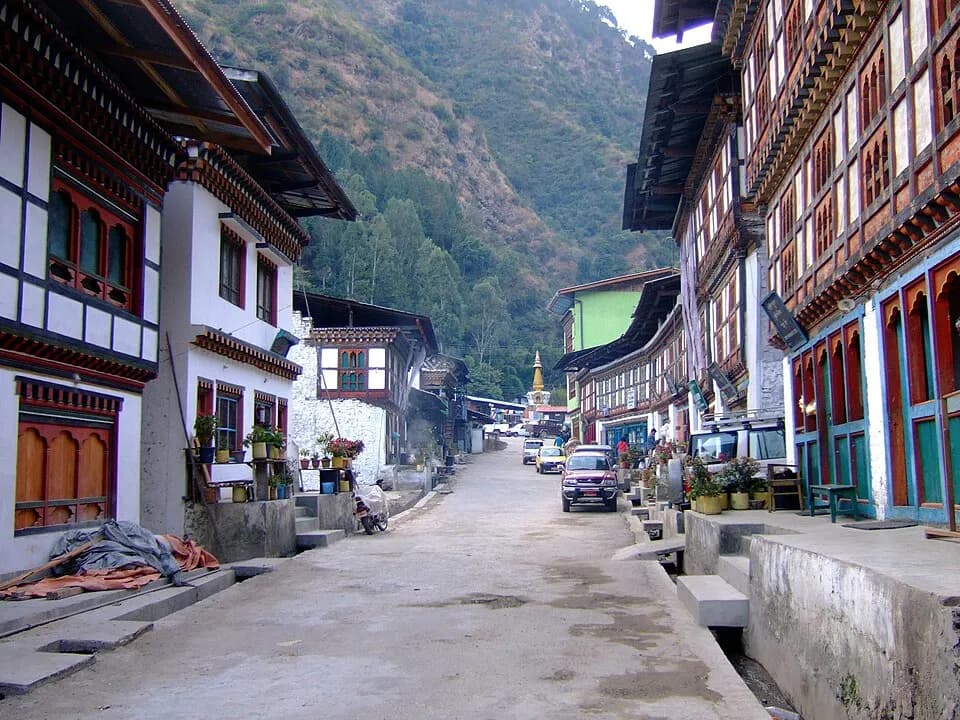 JourneyFourteen nights from Paro to Guwahati — the country as a single arc.A fourteen-night Bhutan east-to-west circuit exiting via Samdrup Jongkhar and Guwahati. The full eastern dzongkhags, the quieter half of the country.
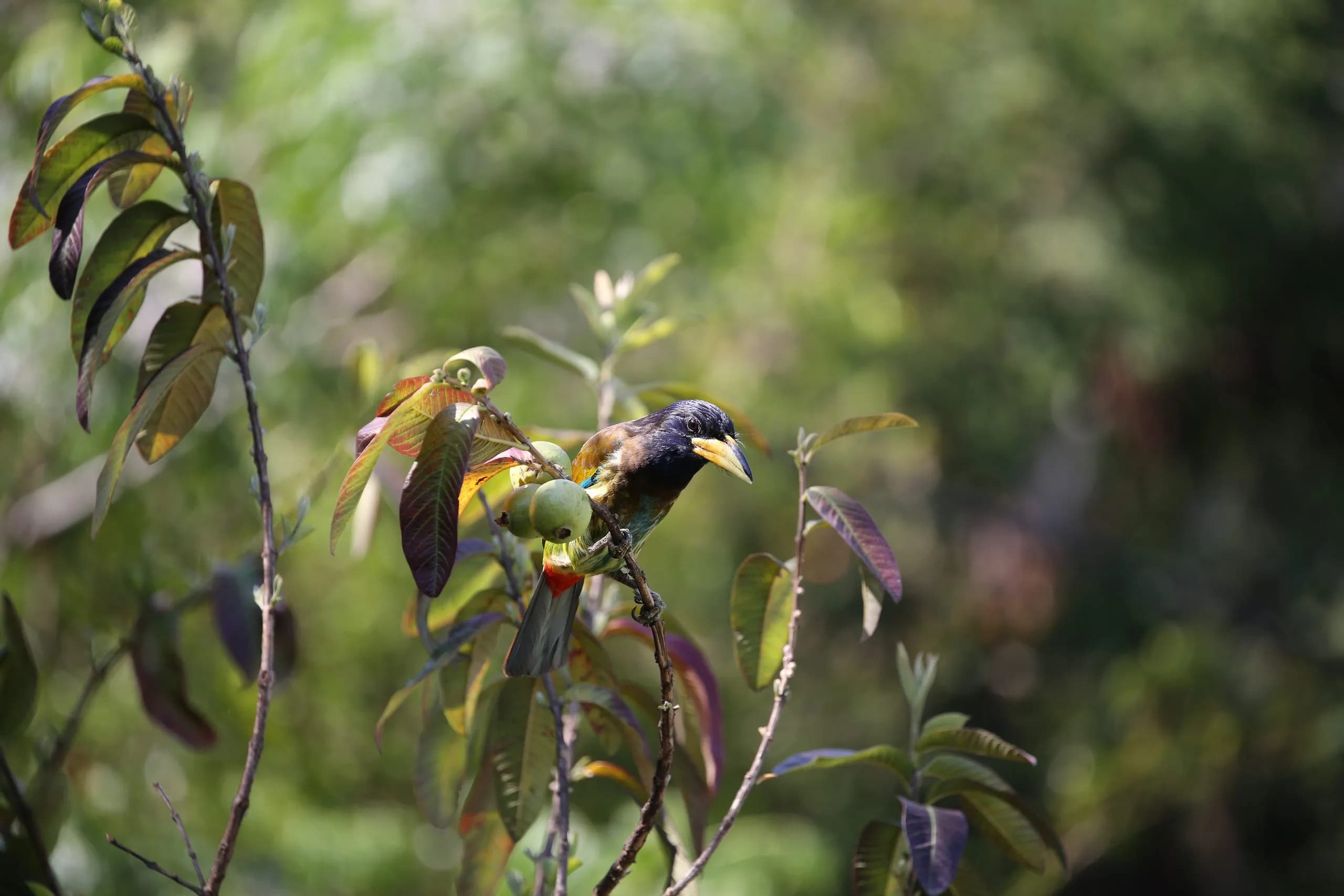 JourneyEight nights for the country's principal endemics — cranes at Phobjikha, the heron on the Punatsangchhu, the hornbills in the broadleaf belt.An eight-night Bhutan birding journey targeting the principal endemics — black-necked cranes at Phobjikha, white-bellied heron, hornbills, the beautiful nuthatch.
Journeys that visit Mongar
Frequently asked
- Is Mongar a destination or just a stopover?
- Principally a stopover and access point for the eastern circuit. The town itself is a 1-2 night base from which to access Lhuentse (textiles), Trashigang and Trashiyangtse (the far-eastern tradition), or the Yongkola birding corridor. Mongar Dzong is worth half a day; Aja Ney pilgrimage half-to-full day. Most visitors do not base in Mongar for its own cultural register but use it as the practical anchor.
- Should I do the eastern circuit?
- For first-time visitors with 7-10 days in Bhutan: probably not — the western circuit (Paro, Thimphu, Punakha, Gangtey, Bumthang) covers the principal cultural-and-monumental register substantially. For visitors with serious textile interest, serious birding interest, or for the deeper-Bhutan register on a second visit: yes — the eastern circuit extends the cultural depth of the trip. The matched guide helps you decide based on your specific interests and time.
- Is the Mongar-Bumthang road really 7-8 hours?
- Yes — the road climbs over Thrumshing La (3,750m, the principal pass on the east-west road) and descends on both sides. The drive is most-rewarding for serious-birders (the Yongkola transect is on this road) but is substantial for general cultural travellers. Many visitors flying domestically to Yongphula avoid this leg.

