A Bhutanese experience
Birding in Bhutan — over 700 recorded species across one of the world's principal Himalayan biodiversity hotspots.
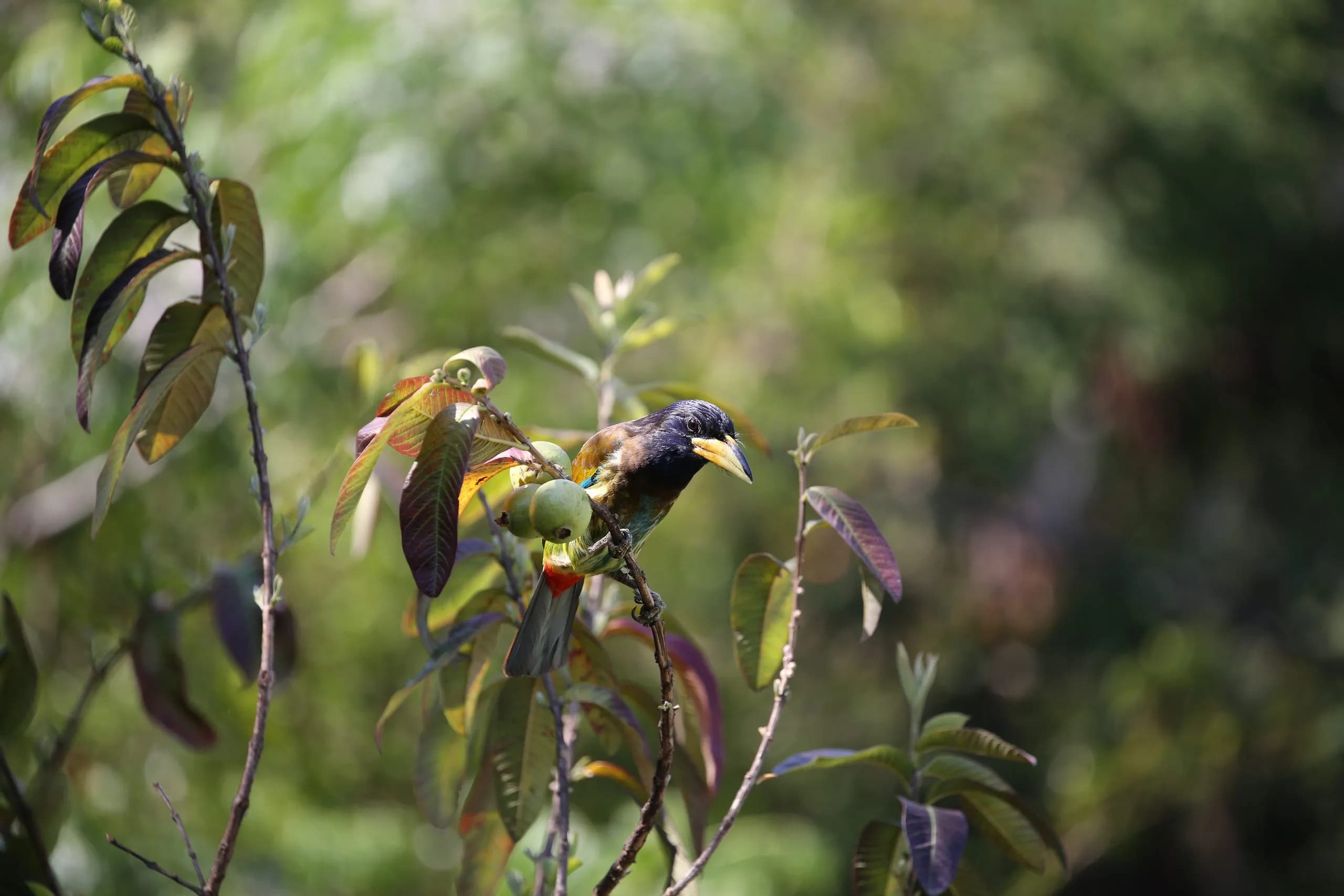
Bhutan is one of the most-distinguished birding destinations in the Himalayan region — over 700 recorded species across the country's altitudinal range from the subtropical lowlands at 200m to the alpine treelines above 4,500m. The country's constitutional 60%-forest-cover commitment and the protected-area network (over 50% of the territory) protect habitat at a scale rare in contemporary Asia. The principal targets — the black-necked crane, the white-bellied heron, the rufous-necked hornbill, the satyr tragopan, the Himalayan monal — are at the centre of serious-birder itineraries.
Also known as Bhutan bird-watching · Himalayan birding · Bhutan ornithology
- Duration
- multi-day
- Effort
- moderate
- Where
- Phobjikha valley (winter), Royal Manas National Park, Bumdeling, Pelela, Yongkola
- Best months
- November · December · January · February · March · April · May
- Register
- wildlife
Why Bhutan is exceptional
Bhutan's biodiversity tradition is among the most-distinguished in the contemporary world. The country sits at the convergence of the Indo-Malayan, Palearctic, and Sino-Himalayan biogeographical zones — meaning the avifauna includes species from all three traditions, in their westernmost (Indo-Malayan), southernmost (Palearctic), or principal (Sino-Himalayan) range. The altitudinal range — 200m subtropical lowlands to 7,500m+ Himalayan peaks — provides habitat for an exceptional range of species across a country of 38,394 km². The constitutional 60%-forest-cover commitment and the protected-area network (over 50% of territory) preserve habitat at a scale that has been comprehensively lost across most of contemporary Asia. Result: serious birders typically record 250-400 species across a 10-14 day itinerary, with the principal target species reliably observed at the established sites.
The principal target species
Black-necked crane (Grus nigricollis) — the principal flagship species; over 600 birds winter in Phobjikha valley (November-February), the world's most-accessible winter population of this near-threatened high-altitude crane. White-bellied heron (Ardea insignis) — critically endangered, one of the rarest large birds in the world; Bhutan holds a proportion of the global population (about 25-30 birds in the country), observed at Punatsangchhu and Mangde Chhu river corridors. Rufous-necked hornbill (Aceros nipalensis) — vulnerable; observed in the broad-leaf forests of Royal Manas and the eastern circuit. Satyr tragopan (Tragopan satyra) — vulnerable, the principal Himalayan tragopan; observed at higher elevations in Bumthang and the eastern protected areas. Himalayan monal (Lophophorus impejanus) — substantial population; the iridescent male is one of the principal sights of the high-altitude. The matched guide pairs visitors with bird-specialist Bhutanese guides for serious itineraries.
The principal sites
Phobjikha valley (3,000m, Wangdue Phodrang dzongkhag) — the canonical black-necked crane wintering ground; visitor centre at Khewang, hides at the wetland margins, the Crane Festival in November. Royal Manas National Park (200-1,500m, southern Bhutan) — the subtropical lowland, hornbills, langurs, tigers (rarely observed); accessible by road from Trongsa via Tingtibi. Yongkola (1,500-2,200m, Mongar dzongkhag) — the most-acclaimed mid-elevation site in the country; the road from Mongar to Yongkola is the principal birding-roadside transect, with 400+ species recorded along the corridor including substantial tragopan and rufous-necked hornbill observations. Pelela (3,420m, Wangdue/Trongsa border) — the high-pass, monal pheasant, snow partridge, blood pheasant. Bumdeling Wildlife Sanctuary (Trashiyangtse dzongkhag) — the principal alternative crane wintering site; Tibetan crane and falcated duck populations. Bumthang valleys (2,500-4,500m) — the broad-leaf-to-conifer transition, exceptional warbler and thrush diversity.
The seasonal register
November-February is the principal winter-birding window — black-necked cranes in Phobjikha, the high-altitude resident species at their winter-accessible elevations, the clearest sky for high-Himalayan observations. March-May is the spring-migration tradition — substantial migrant numbers passing through the country, breeding plumage on resident species, the principal pheasant and tragopan display window. June-September monsoon makes birding inadvisable on most routes (cloud cover, rain, leeches in the lowland forests) — though the breeding-season species are most-easily observed in the higher elevations during a brief window. October is the autumn-migration tradition — substantial passage migrants. The matched guide structures the itinerary around the visitor's target species and the seasonal window.
What a visitor experiences
Bhutanese birding is the deep-and-patient context rather than the high-volume. Sessions typically start before dawn (5-6am departure for the most-productive observation windows); pace is slow with time at the principal sites; the Bhutanese bird-specialist guide is the principal expert (the matched guide pairs serious birders with bird-specialist colleagues for the itineraries). Standard kit: binoculars (8x42 or 10x42 minimum), scope (60-80mm for the crane and waterbird sites), field guide (Inskipp + Inskipp + Sherub *Birds of Bhutan* is the canonical reference), warm clothing for the early-morning starts (colder than the day temperatures). The premium lodges (Amankora, Six Senses, COMO Uma) accommodate birding itineraries; the homestays in the eastern dzongkhags provide closer access to the morning sites.
Practical
- Specialist guide
- For serious birders, the matched guide pairs you with a bird-specialist Bhutanese guide for the multi-day routes — the bird specialists typically hold professional ornithological certification and substantial in-country fieldwork experience. The premium-tier birding itinerary is built around the specialist; the standard-tier itinerary can include 2-3 dedicated birding days within a broader cultural trip.
- Optimal duration
- Serious birders: 10-14 days minimum to cover the principal sites. Standard cultural-trip with birding-emphasis days: 3-4 dedicated birding days within a 7-10 day overall trip. Black-necked crane focus only: 3-4 days based in Phobjikha is sufficient.
- Best window for the principal targets
- Black-necked crane: November-February in Phobjikha. White-bellied heron: October-March on the river corridors. Tragopan and pheasant species: March-May (display season). Hornbill: October-April in the south and east. Migrants: March-May spring, October autumn.
More like this
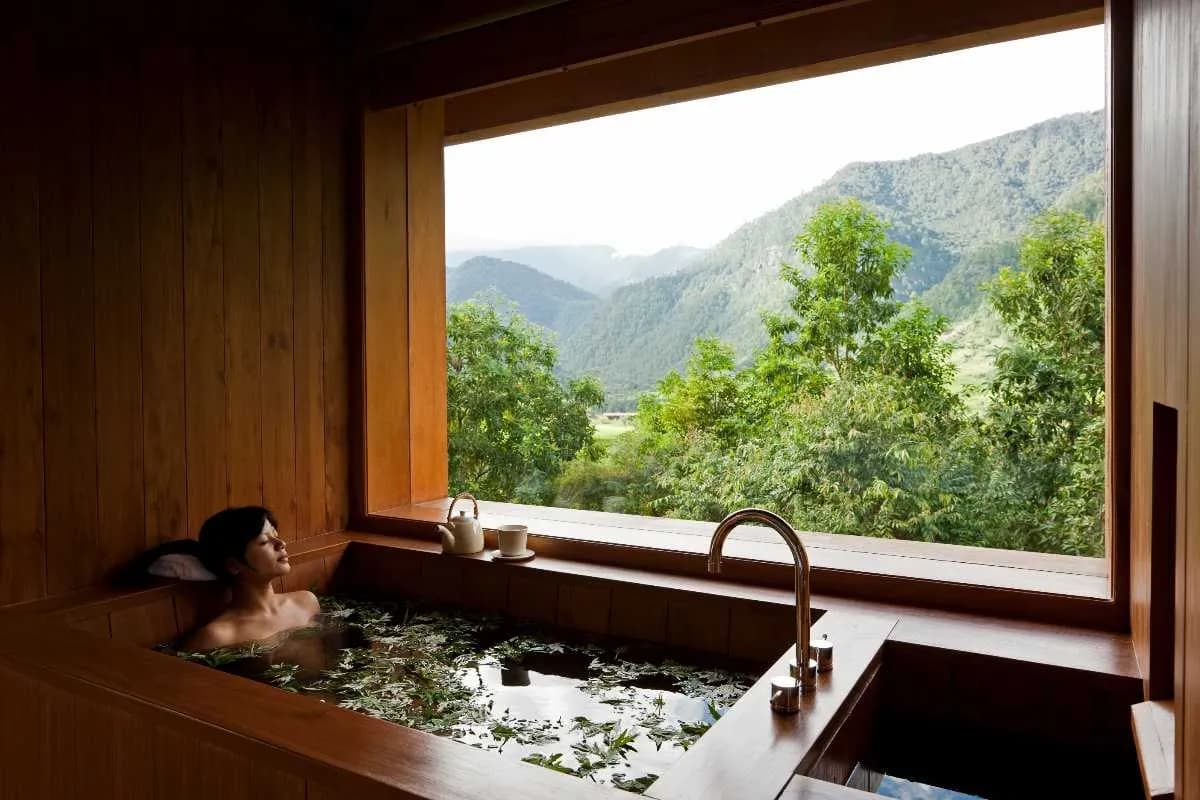 ExperienceThe Bhutanese hot stone bath — menchu, the river-stone soak at the end of a long day.The Bhutanese hot stone bath — menchu, river stones heated in a wood fire and dropped into wooden tub with mountain herbs. Premium-lodge and heritage-farmhouse register.
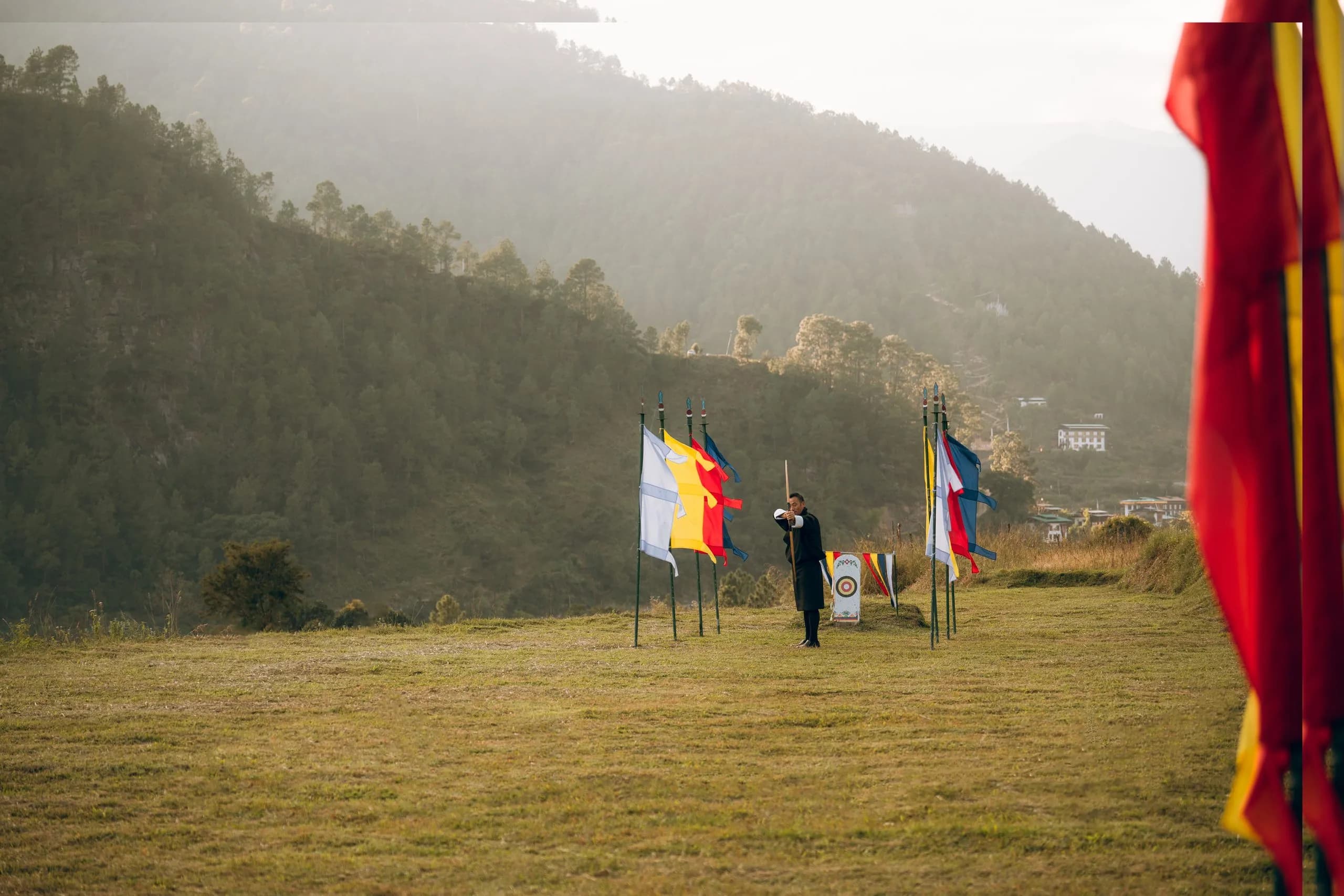 ExperienceBhutanese archery — the national sport, played with song and dance at 145 metres.Bhutanese archery — the national sport. 145-metre target, two registers (traditional bamboo bow + modern compound), song and dance between rounds.
The wider idea
Journeys that include it
- JourneyEight nights for the country's principal endemics — cranes at Phobjikha, the heron on the Punatsangchhu, the hornbills in the broadleaf belt.An eight-night Bhutan birding journey targeting the principal endemics — black-necked cranes at Phobjikha, white-bellied heron, hornbills, the beautiful nuthatch.
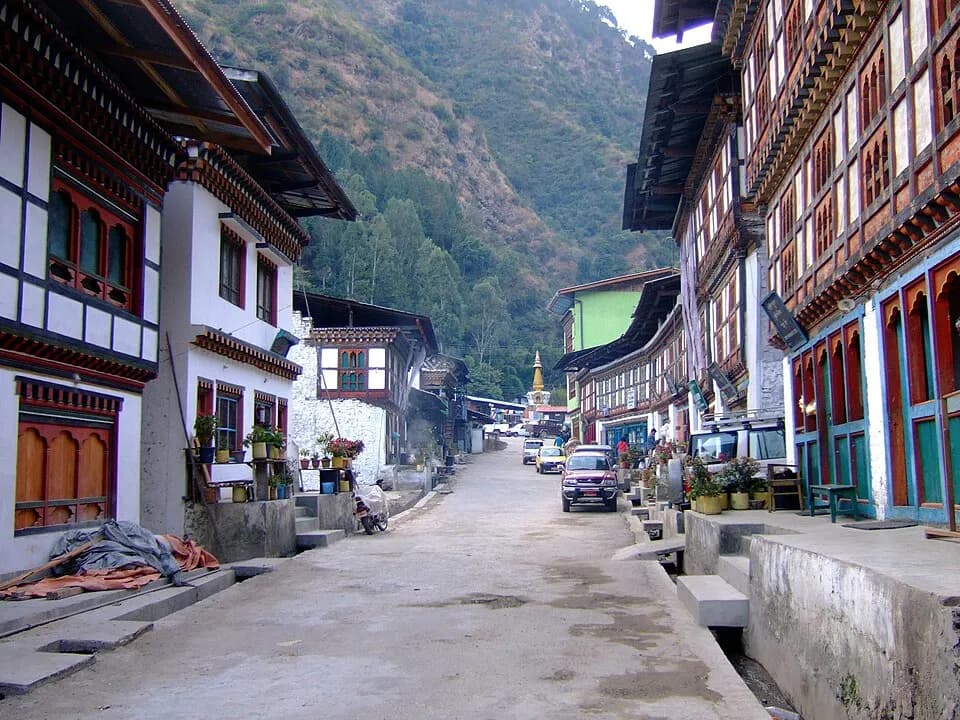 JourneyFourteen nights from Paro to Guwahati — the country as a single arc.A fourteen-night Bhutan east-to-west circuit exiting via Samdrup Jongkhar and Guwahati. The full eastern dzongkhags, the quieter half of the country.
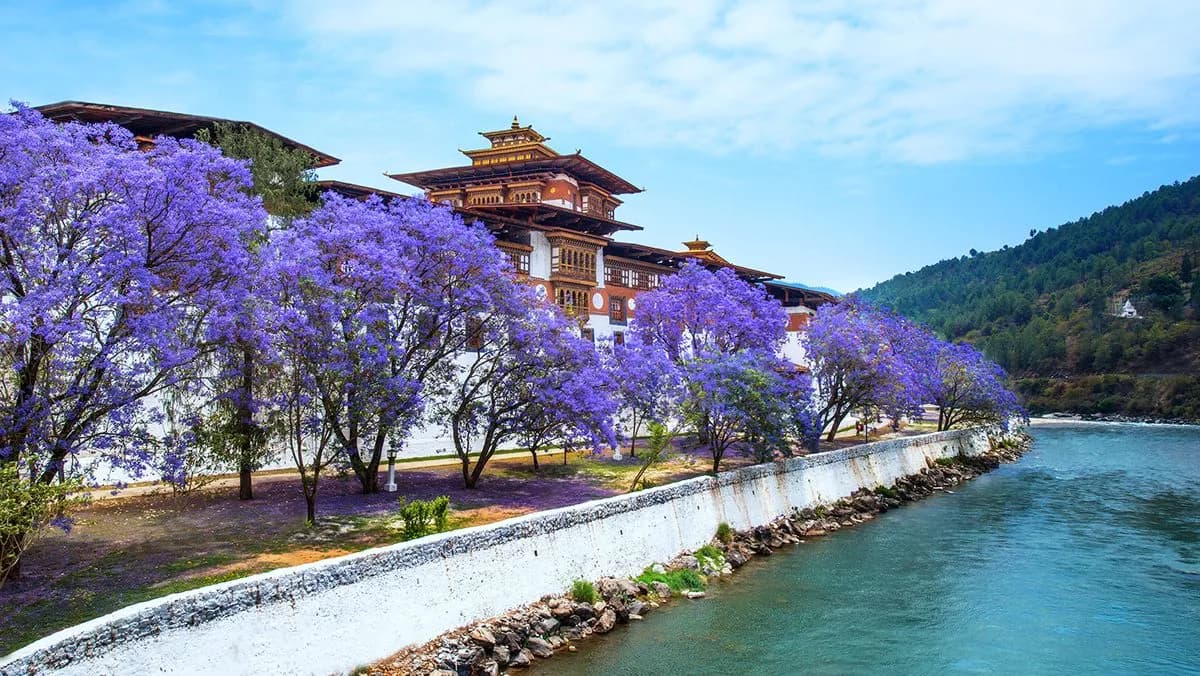 JourneyNine nights for the photographer's spring — cherry blossom, rhododendron, the Paro thongdrel at dawn.A nine-night Bhutan photography journey in the spring window — cherry blossom, rhododendron, the Paro Tshechu thongdrel unfurling at dawn at Rinpung Dzong.
Frequently asked
- How many species can I expect to see?
- Depends on the itinerary length and your birding-day proportion. A 14-day serious-birding itinerary typically records 250-400 species; a 3-4 day birding-focused trip records 120-180; a single day at Phobjikha records 30-60 with the cranes as the centrepiece. The Bhutanese bird-specialist guide is the principal expert and shapes the species-count tradition.
- Is Bhutan good for first-time birders?
- Yes — particularly for cultural visitors who want one or two birding days within a broader trip. Phobjikha for the cranes (November-February) is one of the most-rewarding single-site experiences in international birding; the visual register and the cultural-religious context (the cranes are revered locally as the reincarnation of departed lamas) make this particularly accessible. The matched guide briefs first-time birders carefully and pairs with the bird-specialist colleague for the dedicated days.
- Are there any species not found anywhere else?
- Bhutan has no strict endemics, but it holds substantial regional populations of species that are rare or absent elsewhere — the principal white-bellied heron population, the most-accessible winter black-necked crane population, rufous-necked hornbill and satyr tragopan populations. For the regional Himalayan specialist, Bhutan is the principal destination of the Indian-Himalayan tradition; for the global birder, it is a high-tier multi-target destination.

