Bhutanese experiences
Specific things to do, arranged carefully and paced unhurriedly.
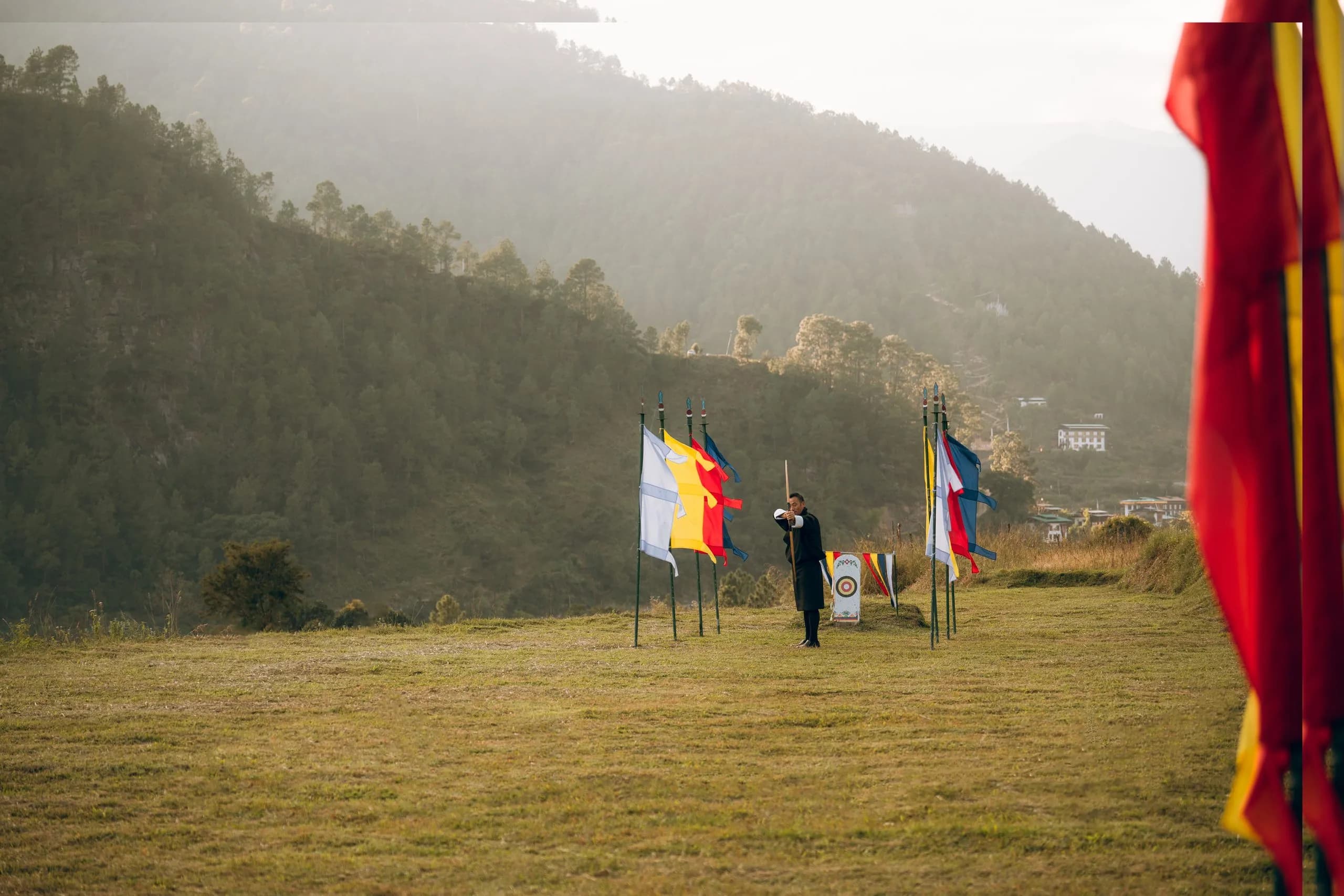
Beyond the principal monuments and the festival calendar, the specific Bhutanese activities that turn a visit into a participation. The hot stone bath in its proper traditional form. The archery session at a working club. The kira fitting. The weaving workshop. The morning monastic visit. Each is arranged through the matched guide.
- Experiences
- 10
All experiences, alphabetical
adventure1
craft2
craft · half-day to multi-day · easy
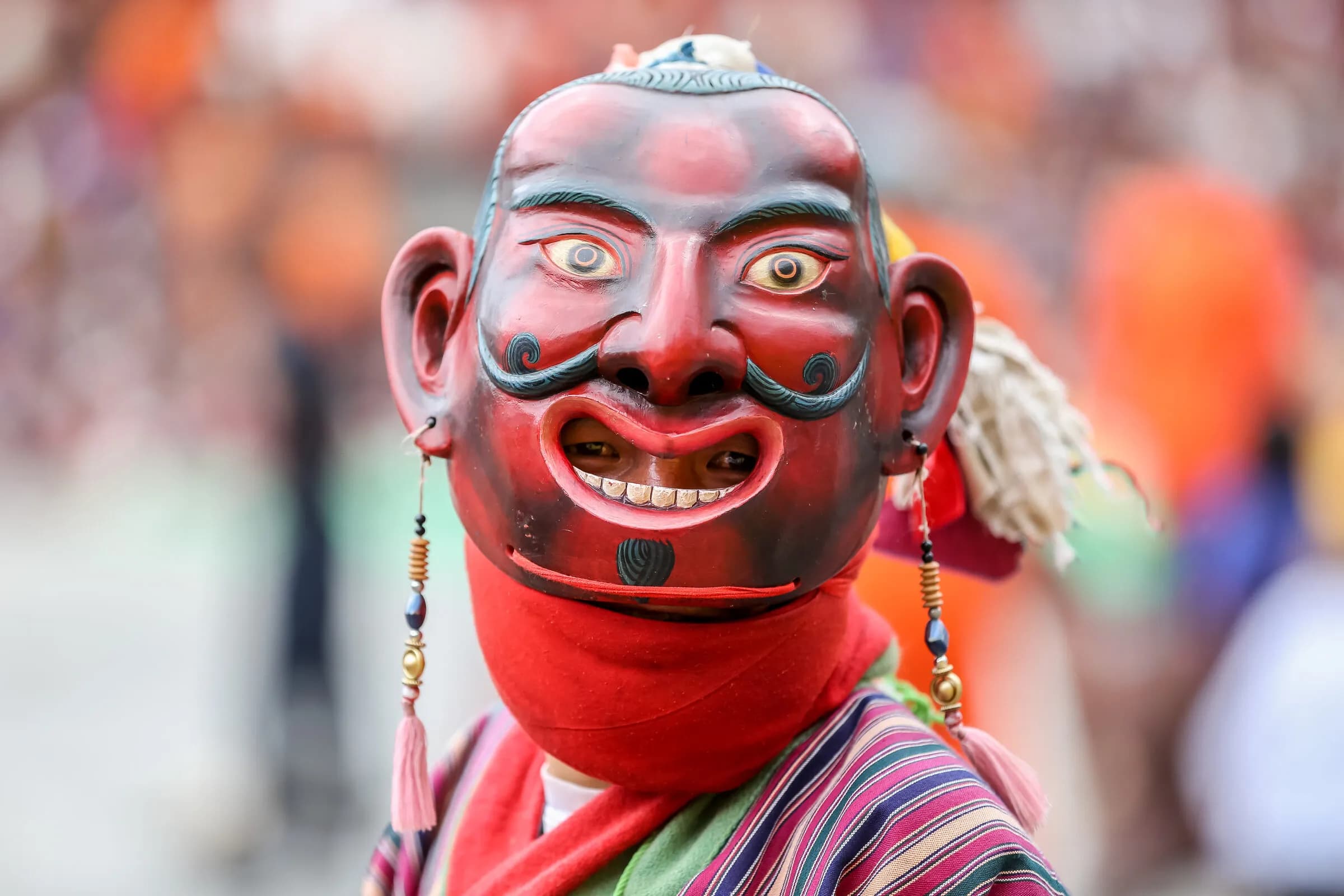
Mask painting
Mask painting is the Bhutanese sacred-mask tradition that produces the elaborate cham masks worn by the monk-dancers at the tshechu festivals. The papier-mâché-and-wooden-frame masks are hand-built across weeks to months and then hand-painted with the principal protective-deity iconography in mineral pigments. The workshop offering at the National Institute of Zorig Chusum in Thimphu provides international visitors with serious interest the opportunity to engage with the tradition — typically through a single-session introduction to the iconographic conventions and the principal painting techniques.
craft · half-day to multi-day · easy
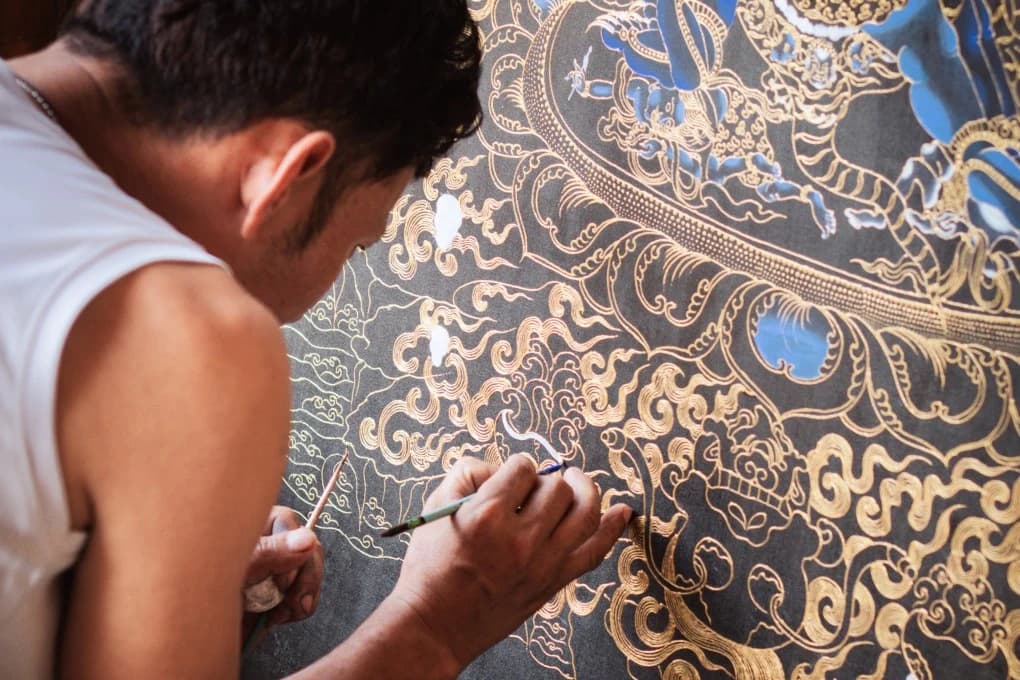
Thangka painting
Thangka painting is the principal Bhutanese-Tibetan sacred-painting tradition — the elaborate hand-painted religious scrolls depicting the principal Vajrayana-Buddhist deities, mandalas, and lineage portraits that hang in every dzong and lhakhang. The workshop offering at the National Institute of Zorig Chusum (Thirteen Traditional Arts and Crafts) in Thimphu and at several Bhutanese lodges provides international visitors with serious interest the opportunity to engage with the painting tradition — typically through a single-session introduction to the iconographic tradition and the principal painting techniques.
culture3
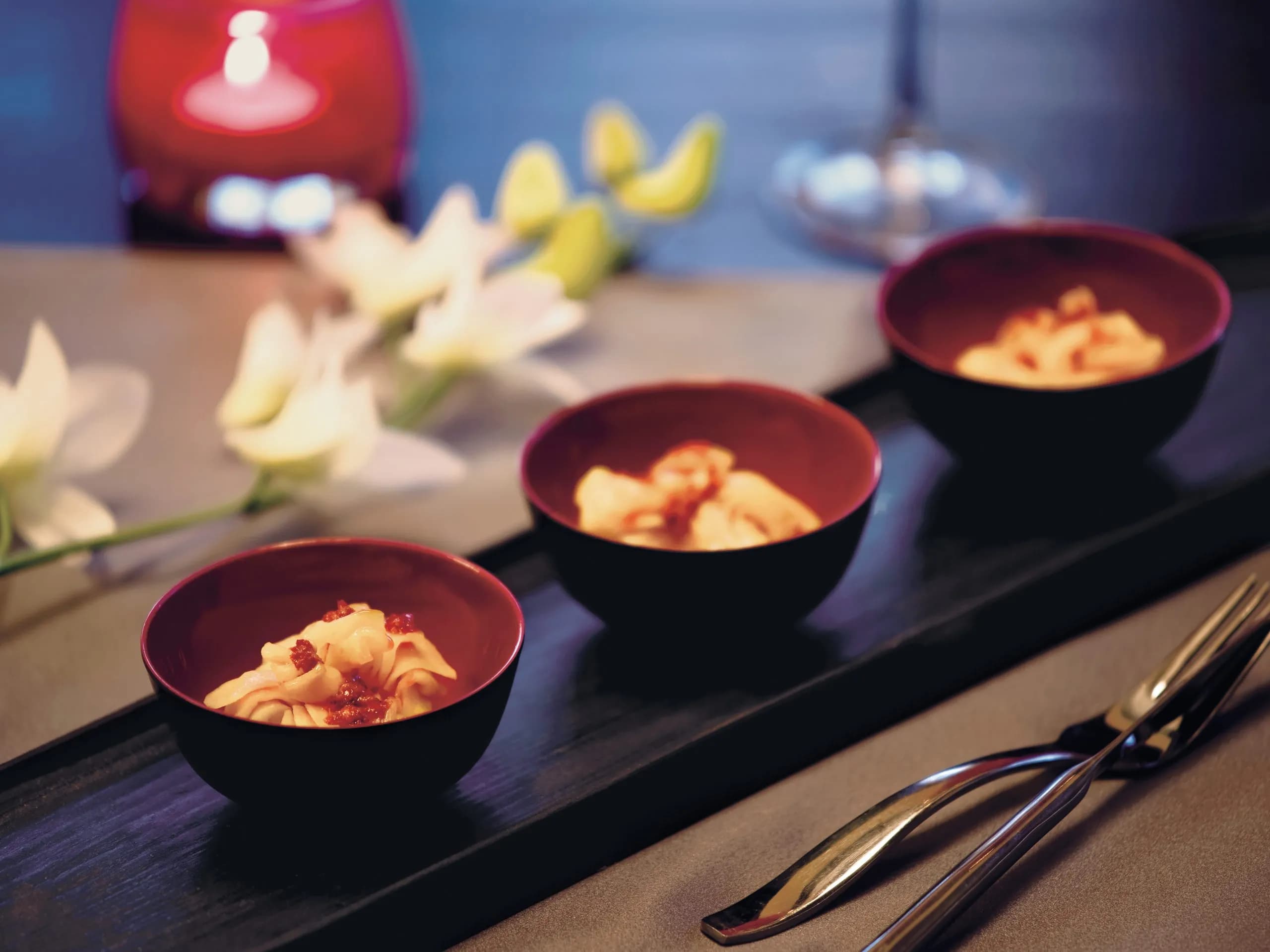
culture · half-day · easy
Bhutanese cooking class
A Bhutanese cooking class is one of the more-accessible cultural experiences a visitor can have — typically taken at a premium lodge or with a host family, the class teaches the principal Bhutanese dishes (ema datshi, the chilli-and-cheese national dish; momos, the Himalayan dumpling tradition; phaksha paa, the pork-and-radish staple; red rice; the butter-tea tradition) alongside the cultural context. The home-cooking tradition is what makes Bhutanese cuisine distinctive; the cooking class is the entry-point.
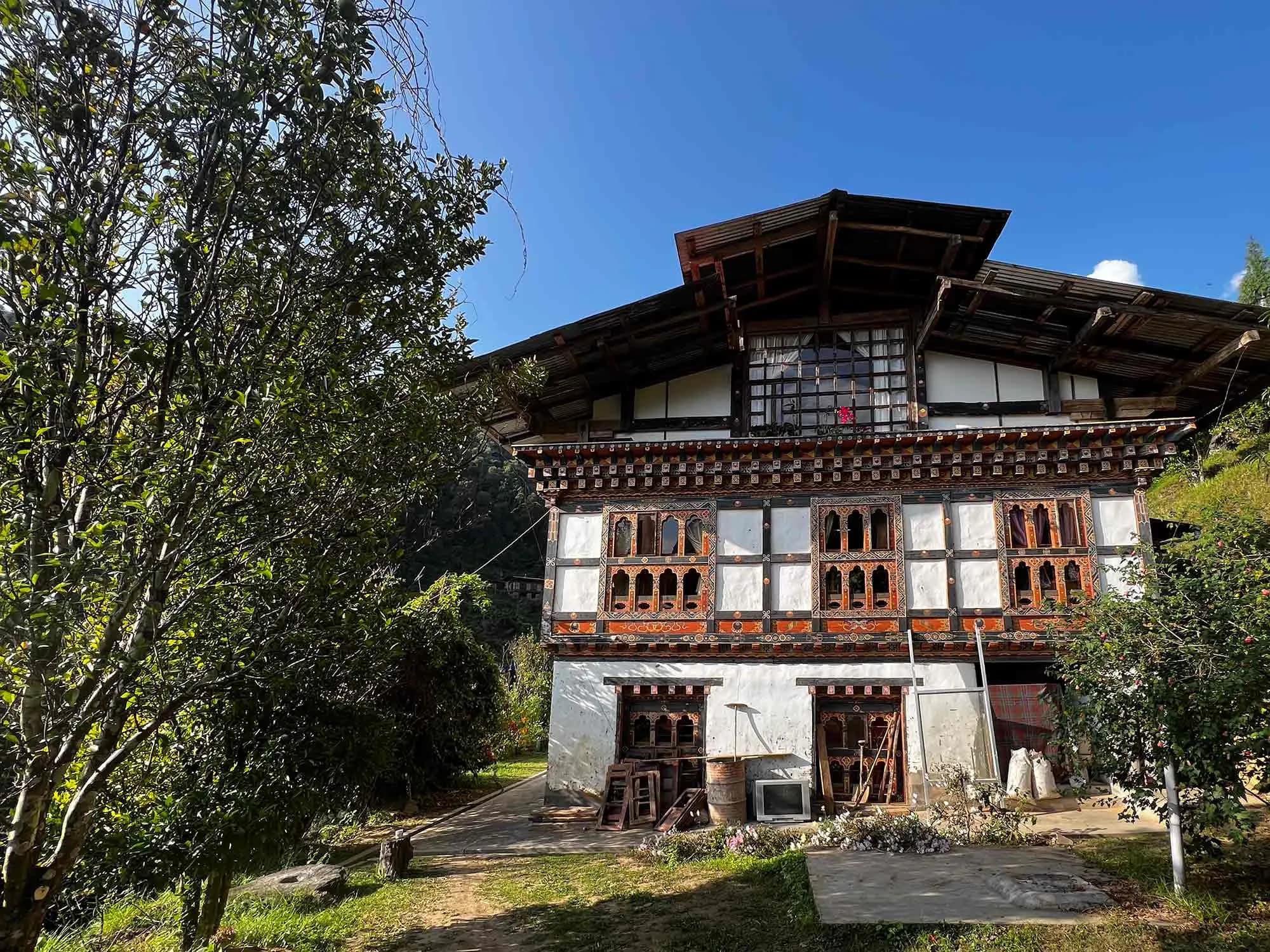
culture · 1-3 nights · easy
Bhutanese homestay
A Bhutanese homestay is one of the more cultural-depth experiences available — staying overnight (or for several nights) with a Bhutanese host family in their traditional farmhouse, sharing meals, observing the household rhythm, and engaging with the Bhutanese hospitality. The matched guide arranges homestays across the principal dzongkhags; the experience provides cultural depth that the premium-lodge tradition does not access. Typically combined with the principal lodge stays rather than replacing them — a 1-2 night homestay segment within a 7-10 night trip is the typical pattern.
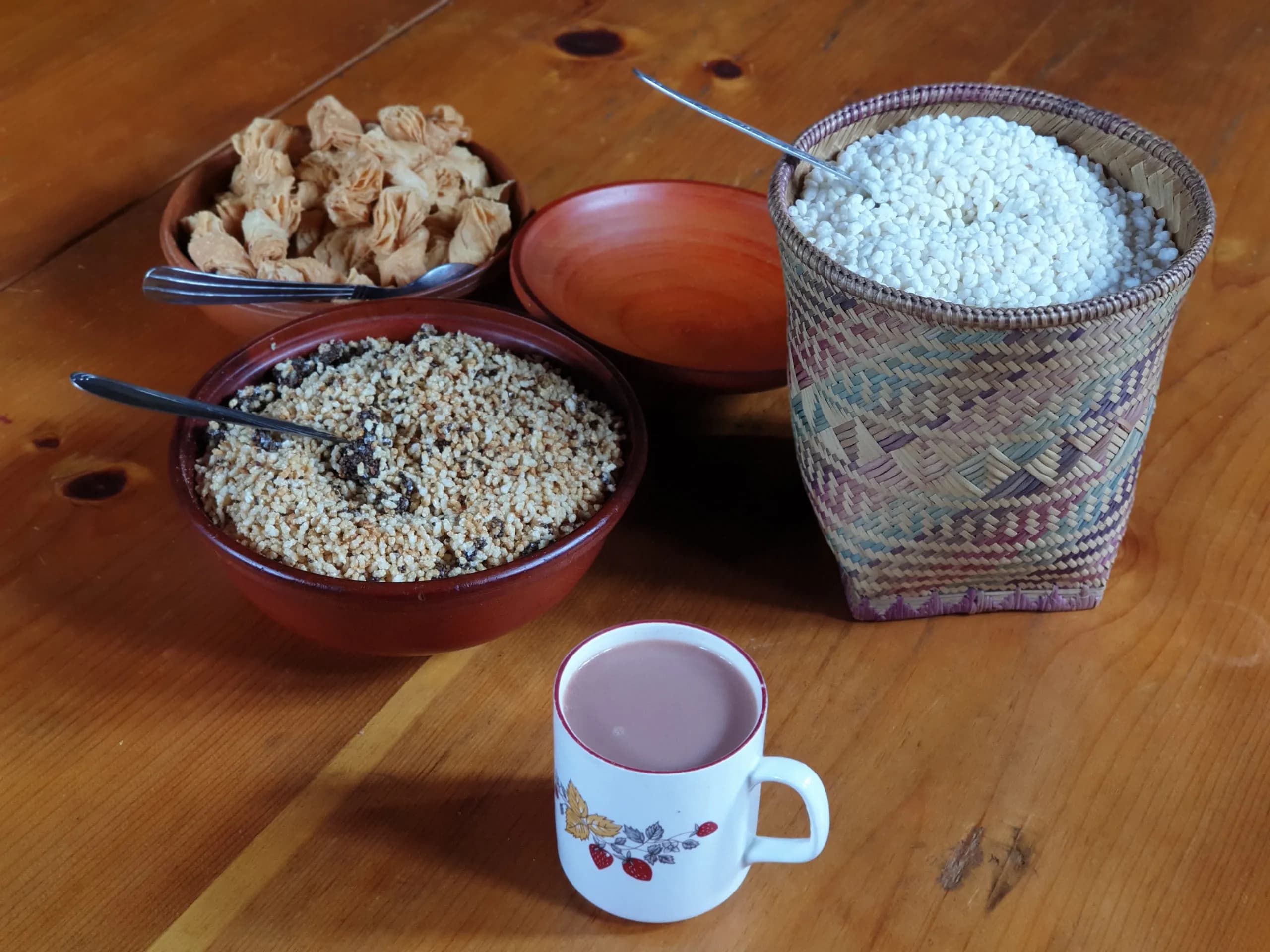
culture · 1 hour · easy
Butter tea
Butter tea — suja in Dzongkha — is the principal Bhutanese-Himalayan hot drink and one of the most-distinctive everyday cultural encounters a visitor has. The traditional preparation combines fermented black tea (typically Bhutanese or imported brick tea), Bhutanese butter (traditionally yak butter, now often cow butter), and salt, churned together in a wooden churn (the dongmo) until the emulsion forms. The salty-and-buttery flavour is initially unfamiliar to most international visitors but becomes more accessible across the principal Bhutanese cultural encounters. Premium lodges and host families across the country offer an introduction-and-preparation session.
sport1
wellness2
wellness · multi-day · easy
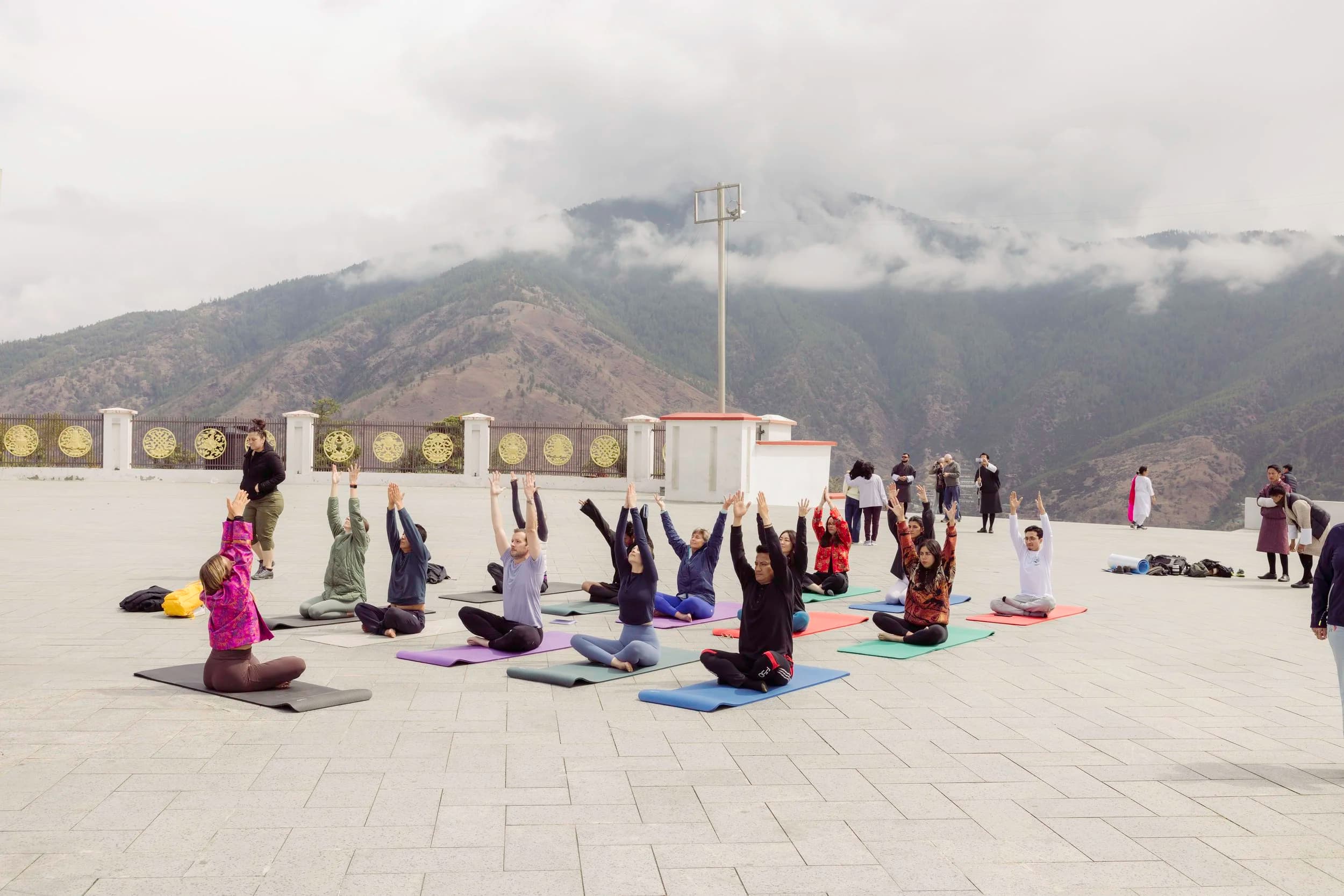
Bhutanese meditation retreat
A Bhutanese meditation retreat is contemplative practice taken at one of the country's working monastic centres — Gangtey Goemba's Shedra, Cheri Goemba and Tango Goemba above Thimphu, the Bumthang monastic complexes, and the contemplative programmes at premium lodges that integrate guided practice into their wellness. The Bhutanese contemplative tradition is alive and continuous — not historical reconstruction, not Western adaptation, but the living register of the Drukpa Kagyu and Nyingma traditions as currently practiced.
wellness · 1-2 hours · easy
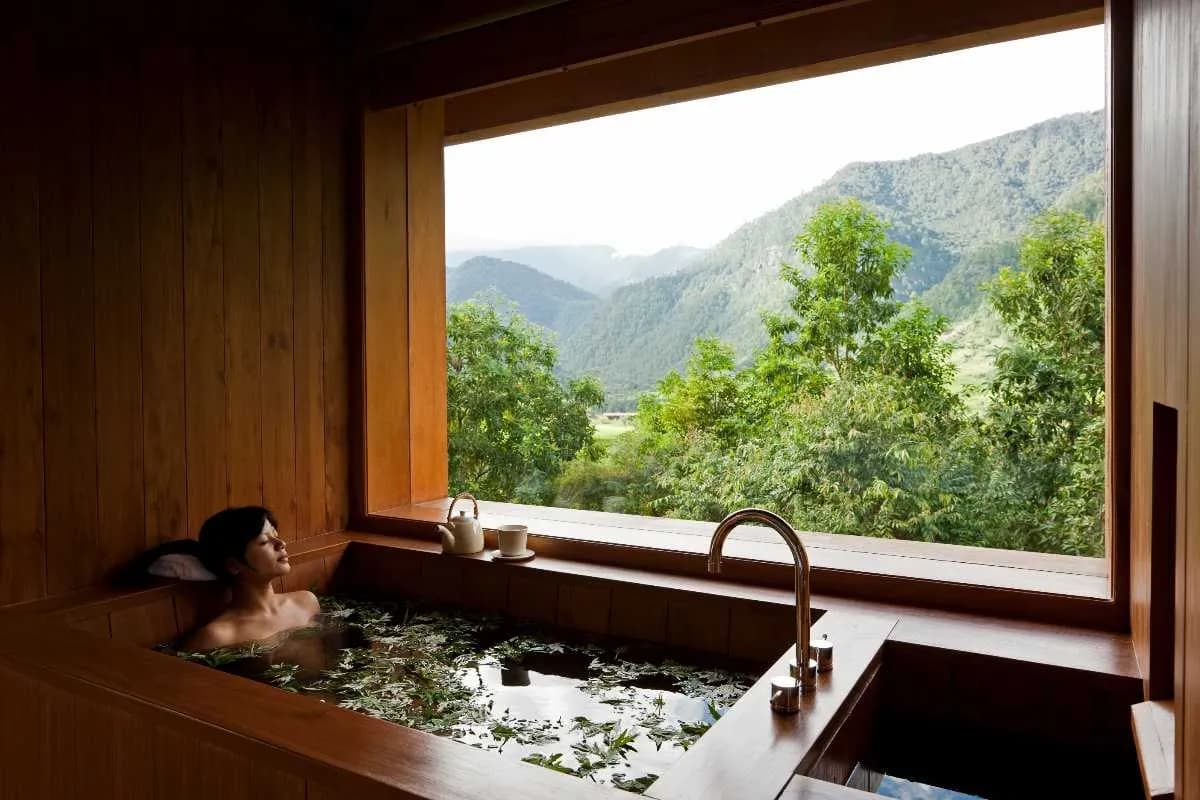
The Bhutanese hot stone bath
The Bhutanese hot stone bath — menchu in Dzongkha — is the country's canonical bathing tradition, in which river stones are heated red-hot in a wood fire and dropped one by one into a wooden tub of water and aromatic mountain herbs. The mineral content of the river stones, the wood-smoke, the slow heat-release across an hour or more — the menchu is the principal after-trek and after-pilgrimage restorative in the Bhutanese tradition. Now offered at every premium lodge and at heritage farmhouses across the country.