A Bhutanese experience
Bhutanese meditation retreat — guided contemplative practice in the working Drukpa Kagyu and Nyingma traditions.
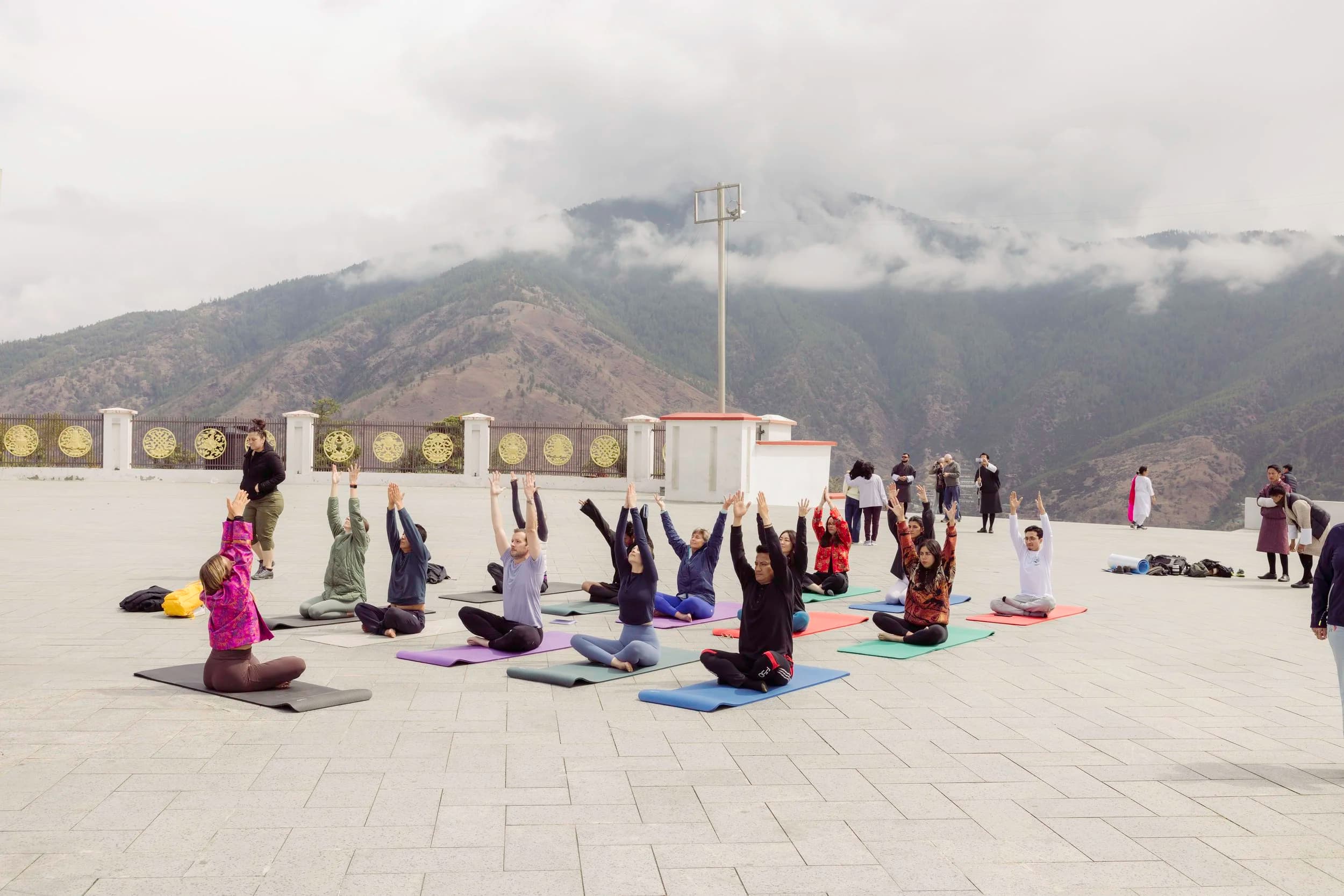
A Bhutanese meditation retreat is contemplative practice taken at one of the country's working monastic centres — Gangtey Goemba's Shedra, Cheri Goemba and Tango Goemba above Thimphu, the Bumthang monastic complexes, and the contemplative programmes at premium lodges that integrate guided practice into their wellness. The Bhutanese contemplative tradition is alive and continuous — not historical reconstruction, not Western adaptation, but the living register of the Drukpa Kagyu and Nyingma traditions as currently practiced.
Also known as Bhutan meditation · Buddhist retreat · Contemplative retreat · Vajrayana retreat
- Duration
- multi-day
- Effort
- easy
- Where
- Gangtey Goemba, Cheri Goemba, Tango Goemba, Bumthang monastic complexes, premium-lodge contemplative programmes
- Best months
- October · November · December · January · February · March · April · May
- Register
- wellness
The Bhutanese contemplative life
Bhutan is one of the more distinctive Vajrayana-Buddhist contemplative destinations because the tradition is alive and continuous rather than historically-reconstructed. The Drukpa Kagyu tradition (the principal institutional, through the Zhung Dratshang and the dzong-monastic establishments) and the Nyingma tradition (the older Guru Rinpoche tradition, principally through Pema Lingpa and the terton lineages) are both actively practiced at the principal monastic centres across the country. The contemplative-retreat option that international visitors can engage with is the contemporary expression of these traditions — guided practice with monk-teacher contact, the liturgical-and-ritual environment, the deep cultural context. The matched guide arranges retreats appropriate to the visitor's experience level; first-time retreatants and committed practitioners are both accommodated.
The principal retreat sites
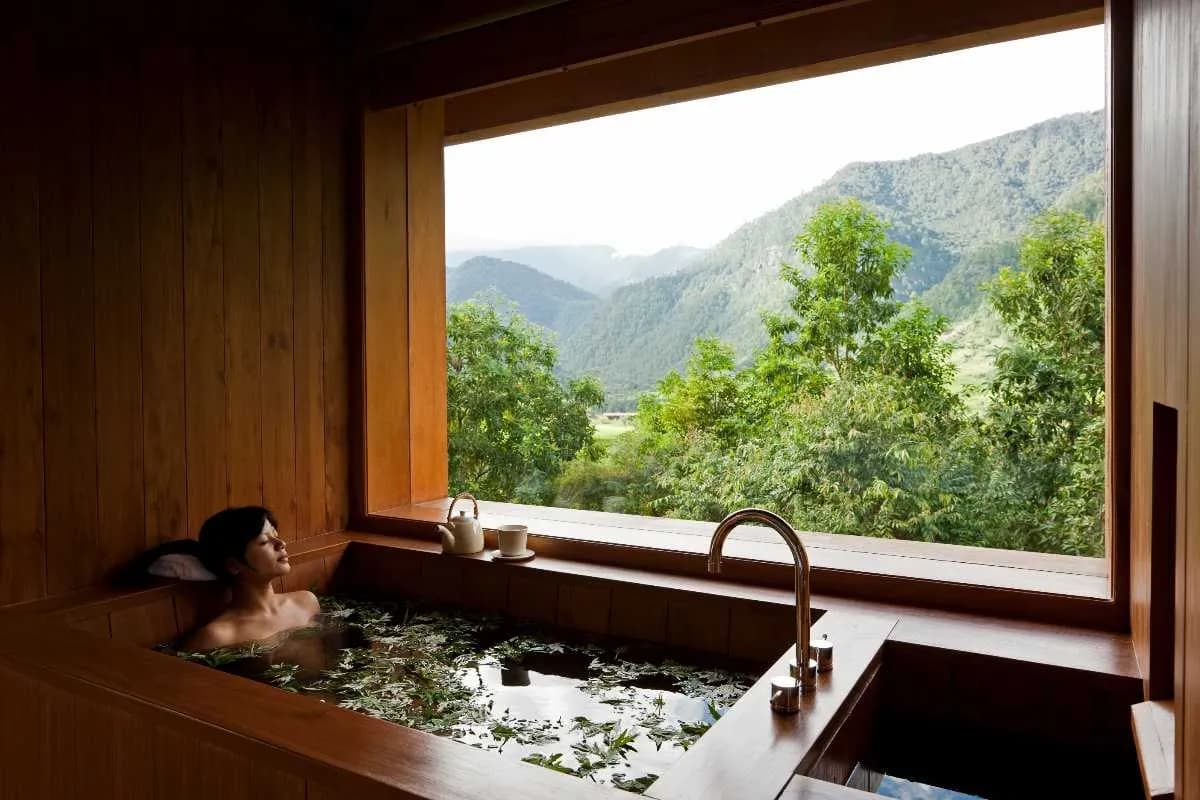
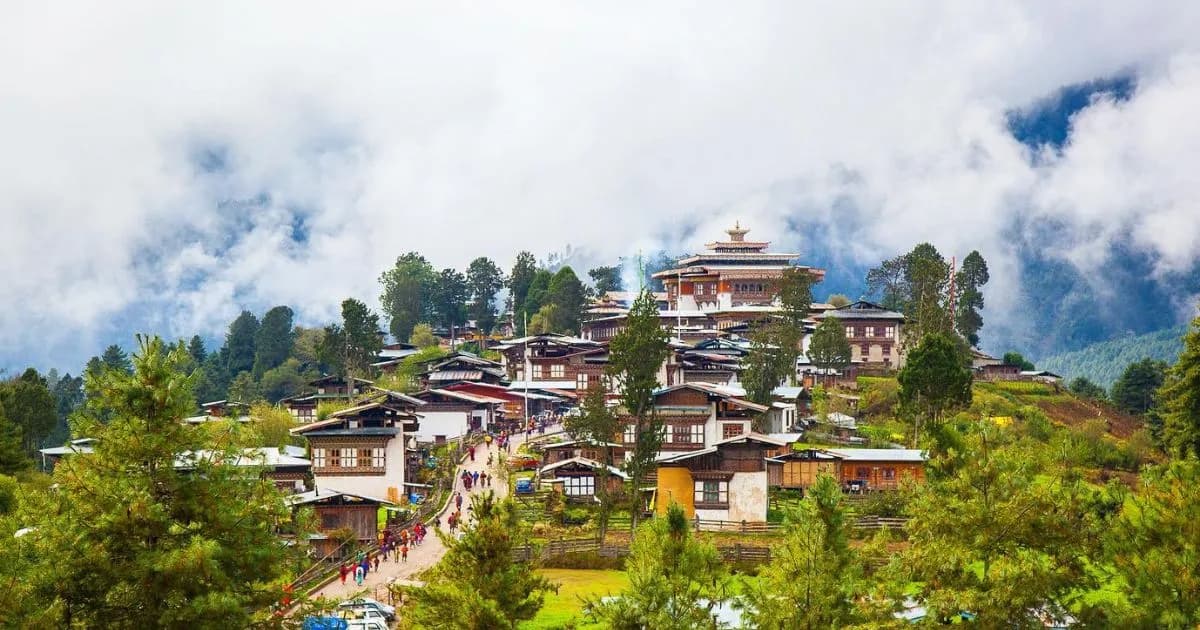
Gangtey Shedra — the monastic college attached to Gangtey Goemba in the Phobjikha valley; the principal Drukpa-and-Nyingma teaching site in the country, with established international-retreatant programming. Cheri Goemba — the foundational Zhabdrung site above the Thimphu valley, with retreatant programming; accessed by a 30-minute uphill walk from the road; the principal Drukpa Kagyu institutional. Tango Goemba — the Phajo Drukgom Zhigpo site above the Thimphu valley; the Drukpa Kagyu shedra (monastic college). Bumthang monastic complexes — retreatant opportunities at the Kurjey, Tamshing, and Jambay Lhakhang complexes; the Bhutanese-historical-spiritual. Premium lodge contemplative programmes — Amankora (meditation-led wellness programme), Bhutan Spirit Sanctuary (meditation-centred wellness), Six Senses Bhutan (contemplative wellness register). The matched guide arranges the retreat at the appropriate level.
Retreat formats
Half-day to full-day introductory retreat — the entry-level format; a guided meditation session with a knowledgeable Bhutanese monk-teacher, cultural-and-philosophical context, principal meditation techniques (shamatha — calm-abiding practice, the breath-meditation tradition). Typically taken at the monastic site or at a premium lodge. Three-day immersive retreat — daily-practice register (morning and evening sessions), substantial monk-teacher contact, liturgical-and-ritual. Gangtey Shedra and Cheri Goemba accommodate this format. Multi-week retreat (7-21 days) — for the committed retreatant; established teaching-and-practice register at the traditional monastic centres. The matched guide arranges with appropriate preparation and logistical support.
The matched guide register
The matched guide pairs serious-contemplative-interested visitors with the Bhutanese monk-teacher establishments. The Bhutanese contemplative tradition operates principally in Bhutanese (Dzongkha or the local languages); teaching is increasingly available in English at the international-retreatant sites (Gangtey, Cheri, the premium-lodge contemplative programming). For visitors with practice background, the matched guide arranges the deep retreat at the established monastic centres; for visitors new to the contemplative, the matched guide arranges introductory experiences at the more accessible sites. The cultural-and-philosophical context is part of the Bhutanese contemplative; the matched guide handles the bridging.
Practical
- What to expect
- Bhutanese contemplative retreats are practical — sitting meditation in the traditional (typically 30-60 minute sessions), monk-teacher contact, and liturgical-and-ritual exposure. The monastic-site format includes simple accommodation (the monastery guesthouse register), a vegetarian-and-simple food, and the early-rising daily register (typically 5am morning practice). The premium-lodge contemplative format is more polished but the practice content is the same.
- Preparation
- First-time retreatants benefit from preliminary preparation — meditation experience at home, reading on the Vajrayana-Buddhist tradition, physical preparation for the sitting. The matched guide briefs visitors on what to bring; the Bhutanese teaching tradition is welcoming to first-time retreatants without specific preliminaries but the longer retreats benefit from prior practice.
- Best window
- October-May for the principal retreat options. June-September monsoon affects some of the monastic-site accessibility. The winter window (December-February) is the quietest contemplative window; spring (March-May) combines the contemplative life with the broader Bhutanese cultural-and-natural calendar.
More like this
Where it belongs
The wider idea
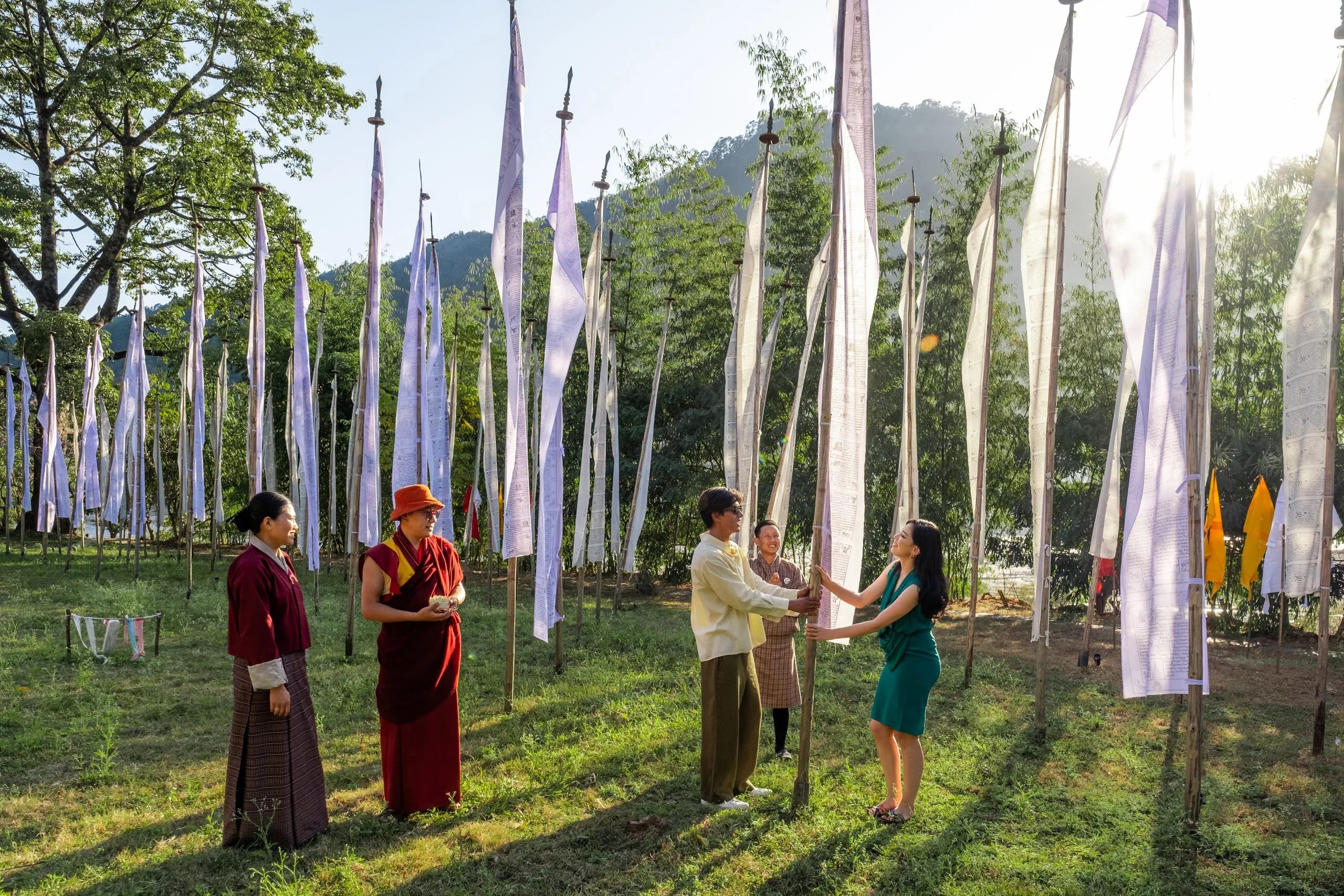 ThemeVajrayana Buddhism — the substance of every dzong, every monastery, every tshechu.Vajrayana Buddhism — the branch of Buddhism that shapes Bhutanese religious life. Drukpa Kagyu, Nyingma, Guru Rinpoche; mantra, mandala, deity yoga.
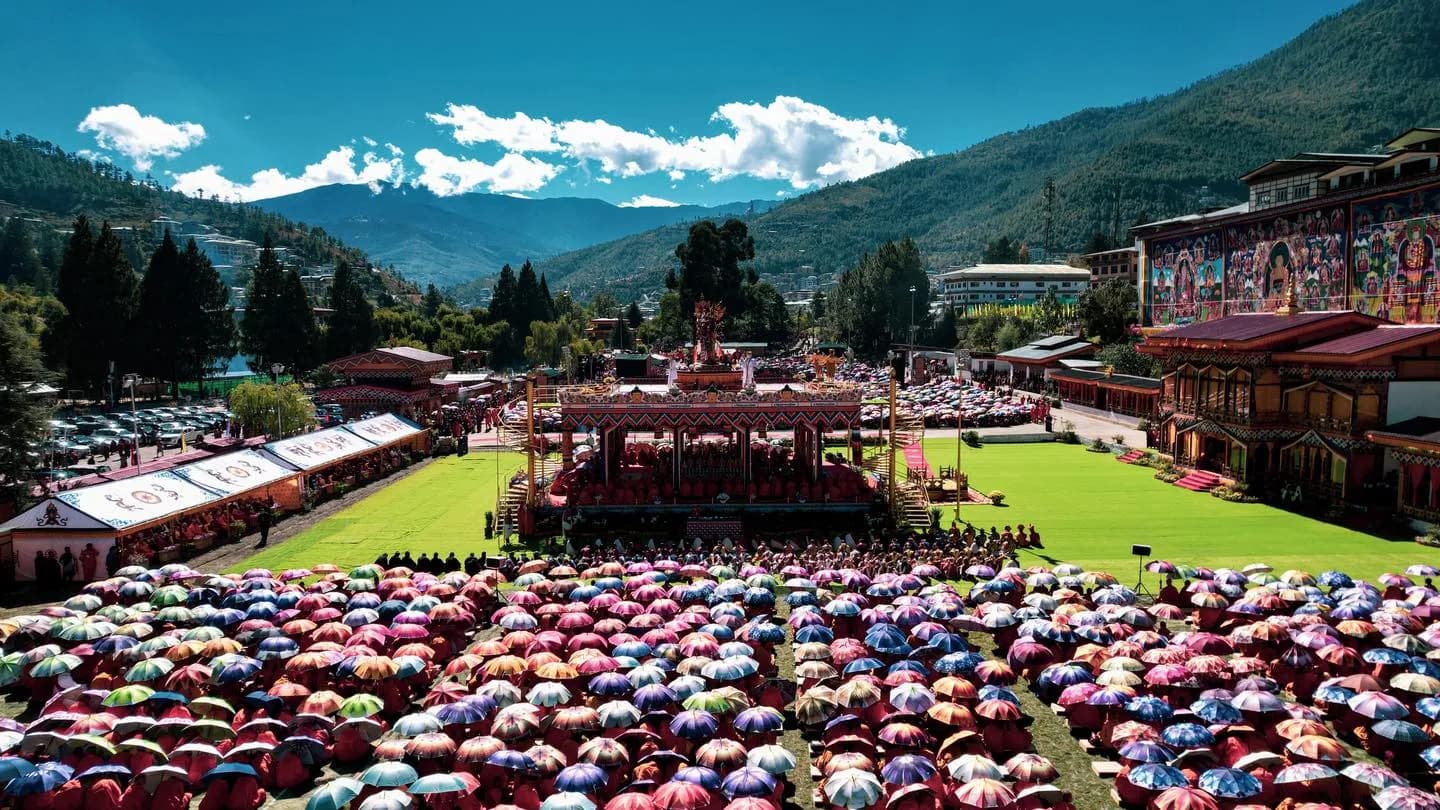 ThemeThe Drukpa Kagyu — the principal Buddhist tradition of Bhutan, the state-religious institutional tradition.The Drukpa Kagyu — the principal Buddhist tradition of Bhutan. State-religious institutional. The Zhabdrung's lineage, the Zhung Dratshang's home tradition.
Journeys that include it
- JourneySeven nights with a monastic guide, in the still season.A seven-night Bhutan meditation retreat through Clear-Sky Bhutan (Dec–Feb). Daily sittings with a monastic-trained guide, hot stone baths, no festival noise.
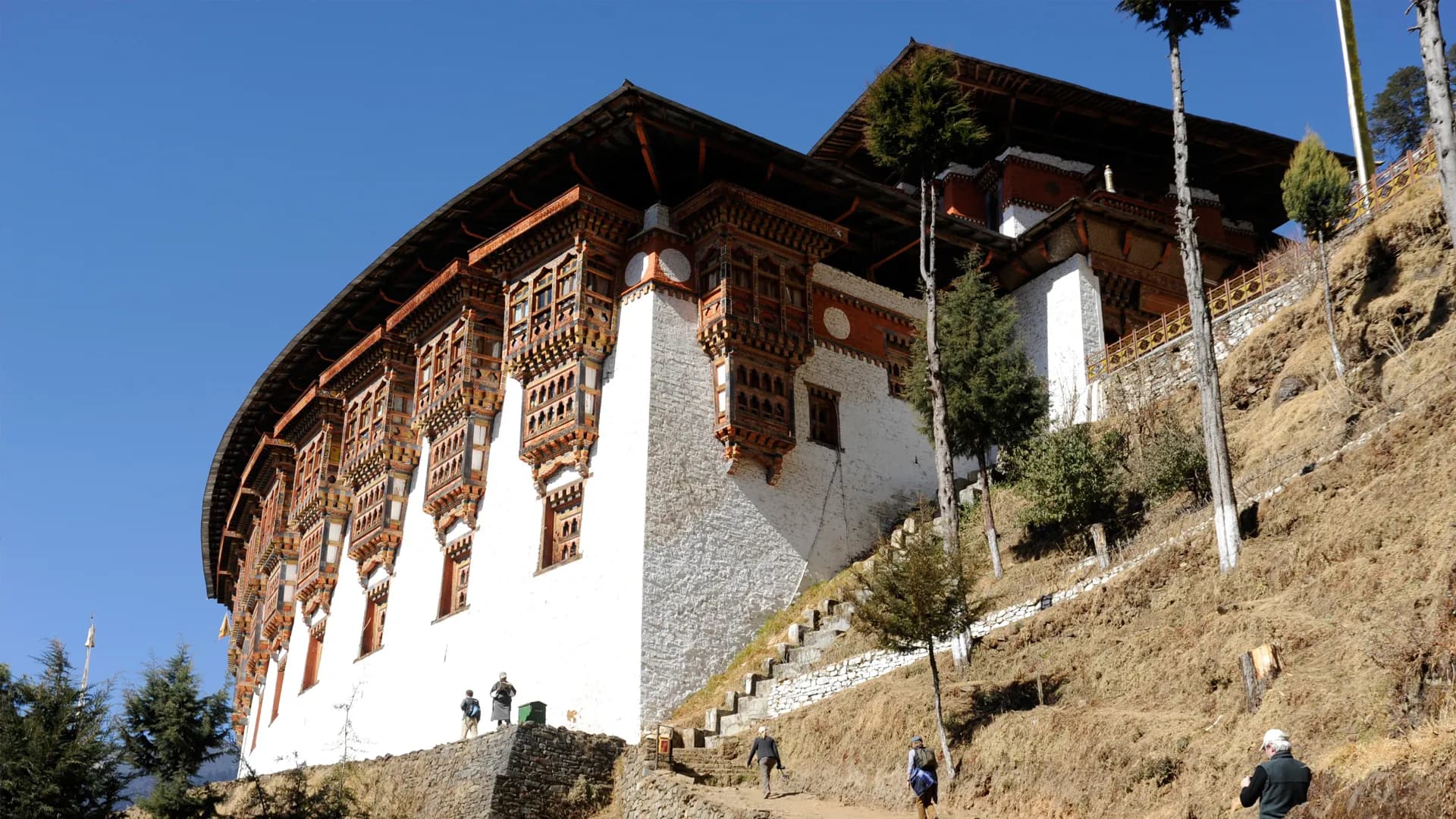 JourneyTen nights for the Buddhist pilgrim — the principal sites, with monastic context.A ten-night Bhutan Buddhist pilgrimage for Asian-Buddhist travellers. Monastic context; matched monastic-trained guide; Bumthang religious circuit.
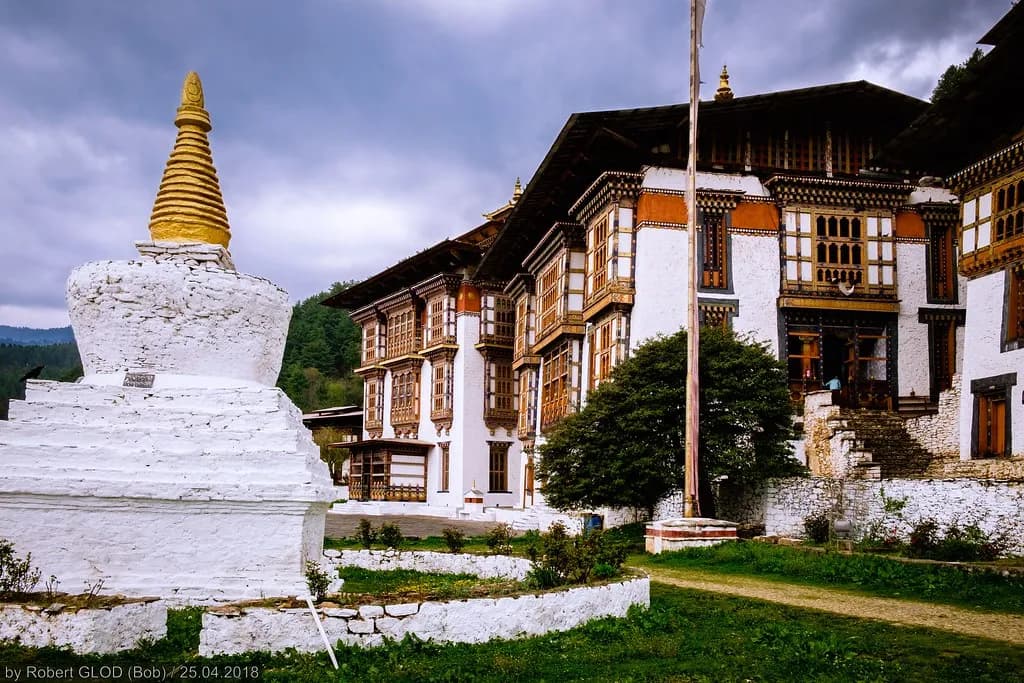 JourneyA nine-night Bhutan Buddhist journey for travellers from Thailand, Japan, and Korea — the Vajrayana tradition read comparatively against your own school, the principal monasteries, the knowledgeable monastic-trained matched guide.A nine-night Bhutan Buddhist journey for Thai, Japanese, and Korean travellers. Comparative Vajrayana / Theravada / Tendai / Zen / Seon. Knowledgeable monastic-trained guide.
Journeys that visit Bhutanese meditation retreat
Frequently asked
- Do I need to be Buddhist to do a meditation retreat in Bhutan?
- No. The Bhutanese tradition is welcoming to retreatants from all backgrounds. The teaching adapts to the individual visitor's background; the principal practice content is shamatha (calm-abiding, the breath-meditation tradition), accessible to retreatants of all traditions. Visitors with committed Buddhist practice background can engage with the deeper Vajrayana; visitors new to meditation can engage at the accessible introductory level.
- Will the monk-teacher speak English?
- Increasingly yes at the international-retreatant sites (Gangtey Shedra, Cheri Goemba, premium-lodge contemplative programming). The principal teaching tradition is increasingly available in English; some of the deeper Vajrayana tradition operates in Bhutanese with English translation. The matched guide arranges the English-language register where required.
- Can I do a longer retreat (3+ weeks) in Bhutan?
- Yes, with substantial advance arrangement. Established monastic centres (Gangtey Shedra, Cheri Goemba, several Bumthang sites) accommodate retreatants on 3-week-and-longer programmes. The matched guide arranges the deep retreat with the preliminary and logistical work; six-plus-months advance preparation is standard for the deeper programmes.

