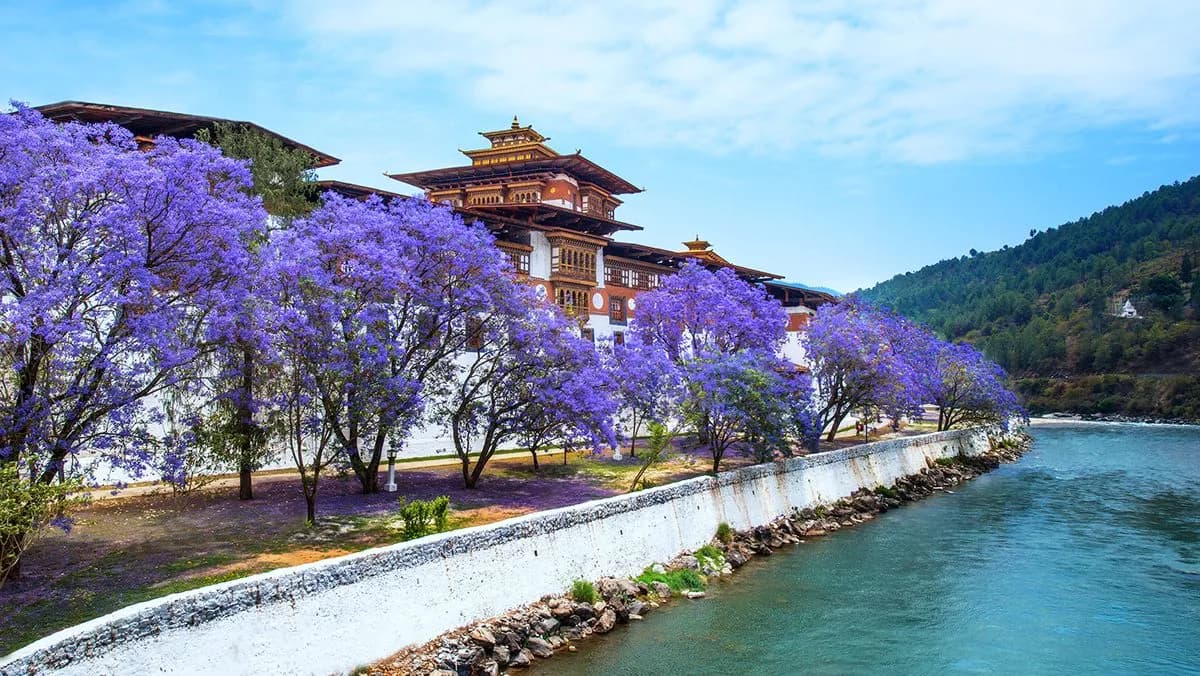
THE SPRING LIGHT, THE RHODODENDRON, THE PARO TSHECHU
Nine nights for the photographer's spring — cherry blossom, rhododendron, the Paro thongdrel at dawn.
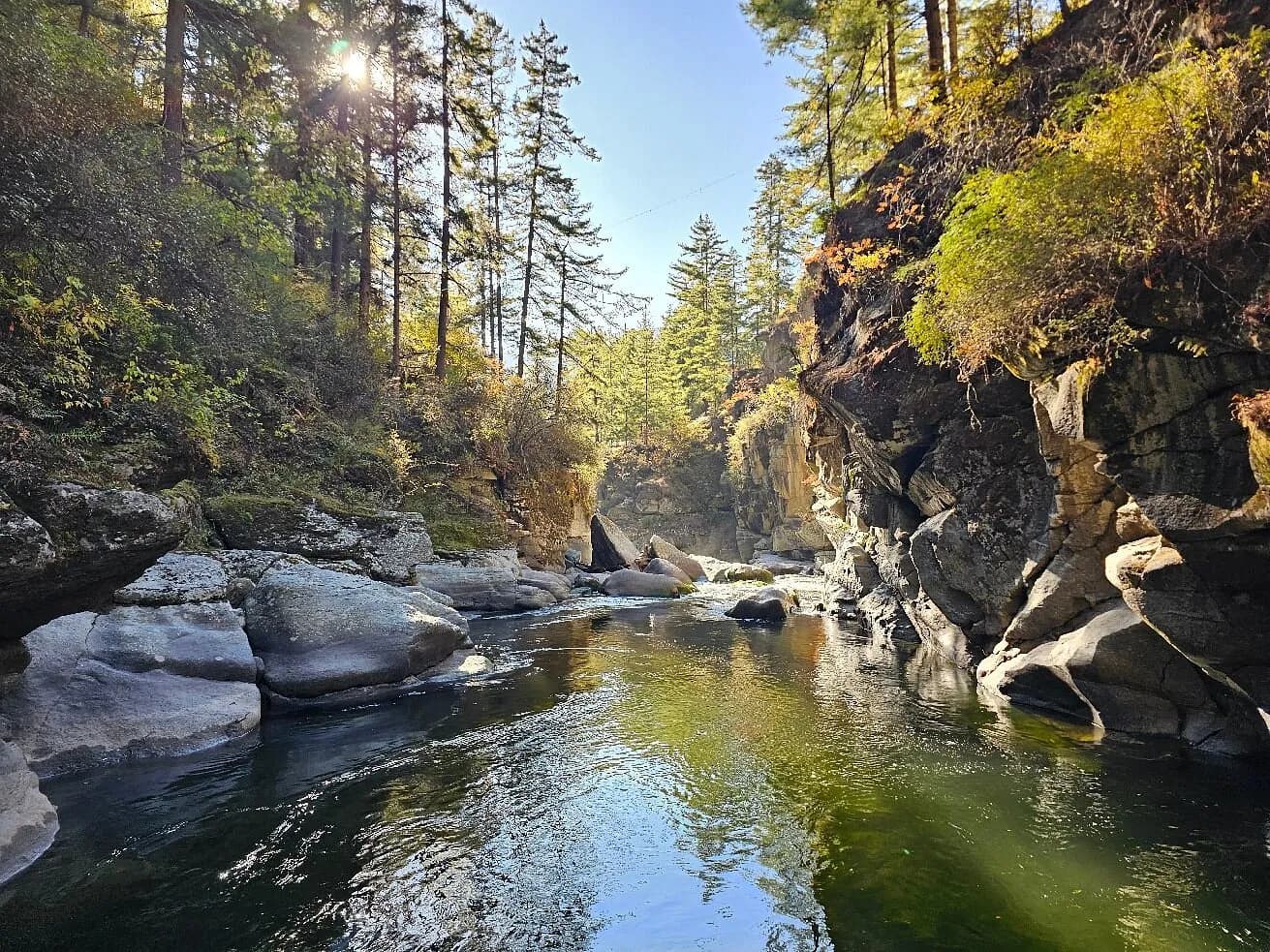
A small-group journey for serious photographers in the spring window (late March through April) — when the Paro valley is in cherry blossom, the Dochu La ridge is in rhododendron, the Paro Tshechu falls at Rinpung Dzong with the giant thongdrel unfurling at dawn, and the morning light off the Pa Chhu and Mo Chhu is the kind only this time of year produces.
9 nights · Luxury tier · from USD 18,000 per couple
- Nights
- 9
- From
- USD 18,000per couple
- Tier
- Luxury
- Best season
- Spring
- Suits
- Small group
- Departing
- Worldwide
Why the spring window specifically — and why nine nights
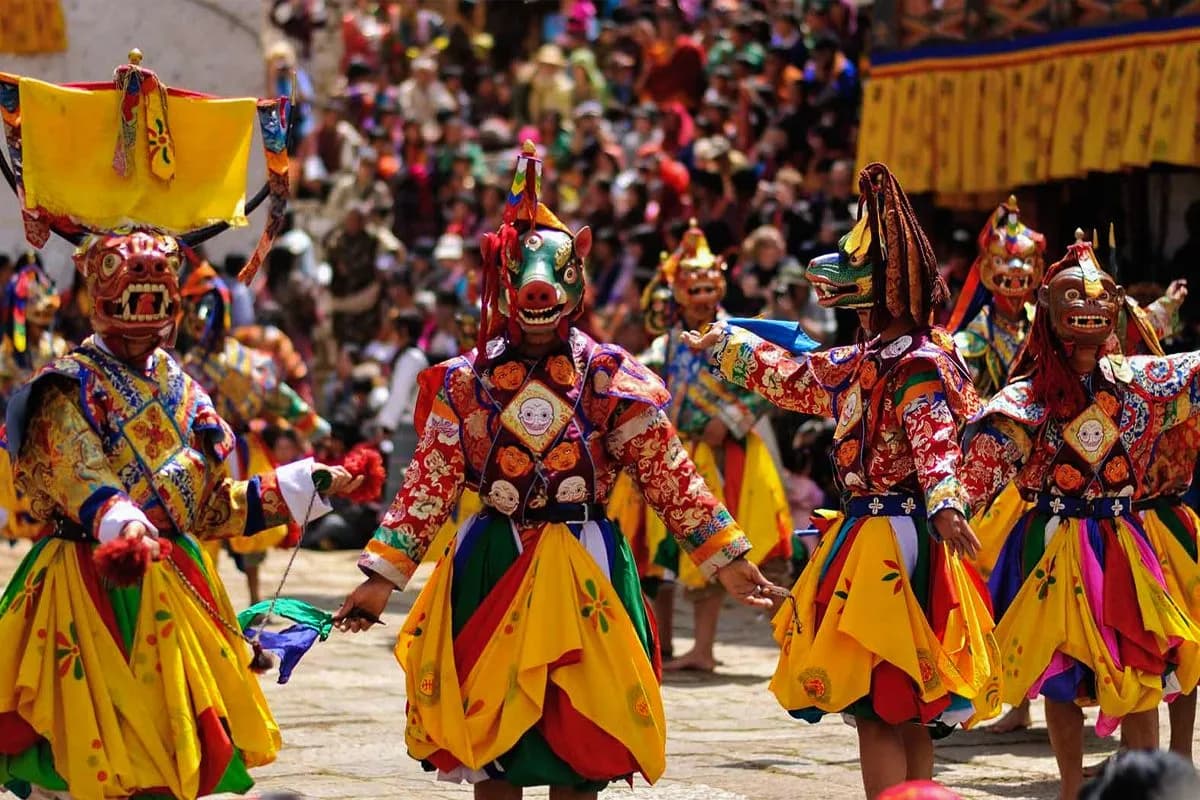
The autumn window gets the standard photographer's recommendation for Bhutan, and rightly — the clear post-monsoon skies are unmatched. But spring is the better window for a particular subset: cherry blossom along the Paro Chhu in late March (the Bhutanese pink-and-white that few photographers outside the country have shot at scale), rhododendron in the Dochu La ridge and the higher passes through April (the country's national flower; substantial stands in the buffer zones of the protected areas), and the Paro Tshechu at Rinpung Dzong — the country's most internationally-attended festival — typically falling early-to-mid April with the pre-dawn unfurling of the thongdrel as the photographic peak of any Bhutanese trip. The nine-night version covers all three, with three nights deliberately placed at Paro to give you the festival in full.
What the nine nights cover
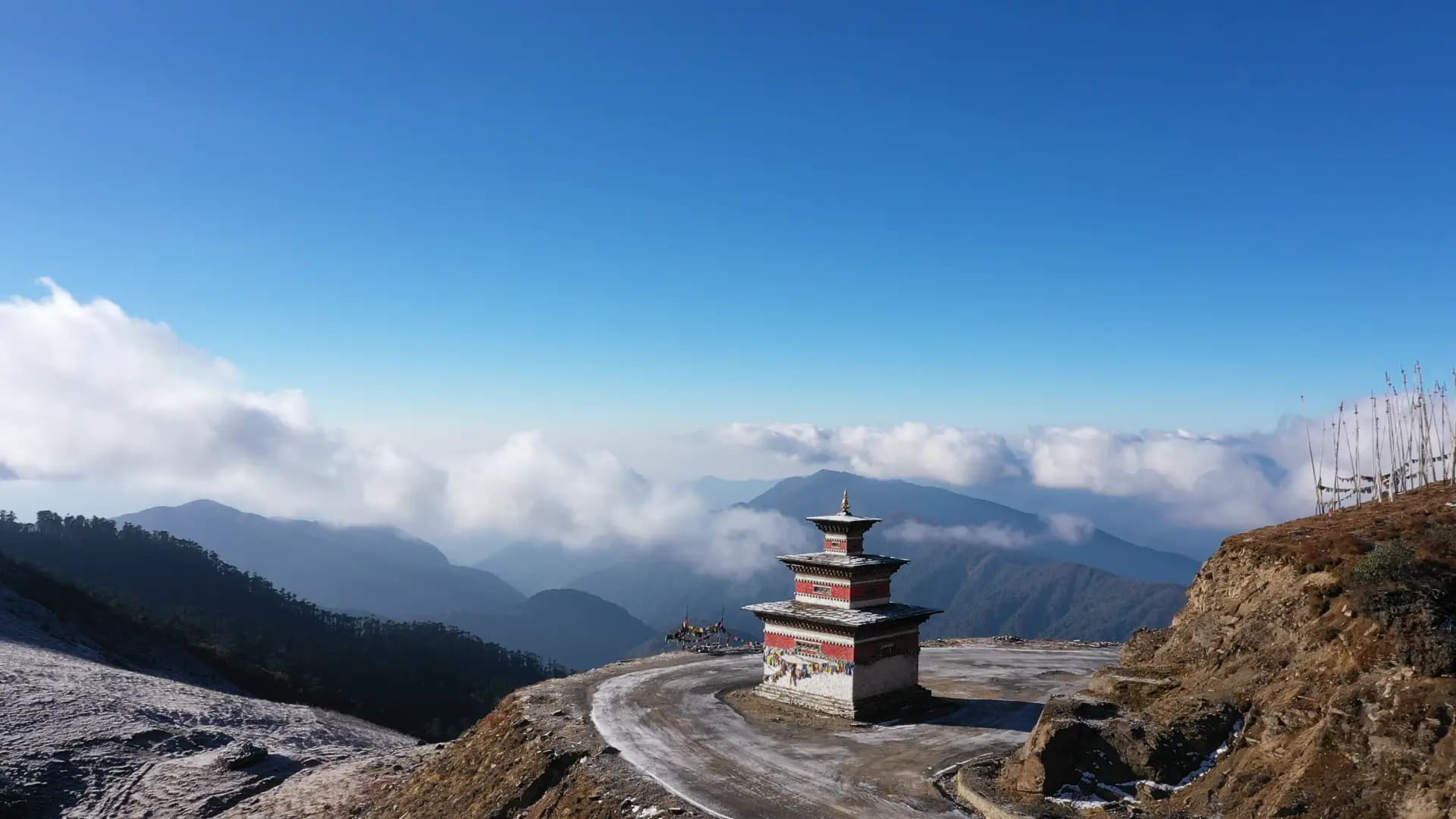
Two nights in Paro before the tshechu begins to walk Rinpung Dzong quietly, scout angles on Kyichu Lhakhang, and shoot the cherry blossom in the morning light. Three nights for the tshechu itself (the festival runs three days; the thongdrel unfurling at 4:30am on the final day is the principal shoot). Two nights in Thimphu for the capital sites and the rhododendron on the ridges above the city. One night over Dochu La to shoot the 108 chortens at dawn with the rhododendron in bloom and the eastern Himalayan range visible on clear days. One last night in Paro before the Taktsang climb and the morning flight back. The pacing leaves substantial time for the picture you didn't know was the picture.
The matched guide and the photographer's logistics
We match from a particular subset of our closed network — five or six guides who have either come up through serious amateur photography or who guide-with-photographers as their principal niche. They know the angles, the light timing, the access (some monastery interiors are conditionally photograph-friendly with the right introduction), the Bhutanese protocol around photographing people (consent matters; the guide handles the introduction). For festival photography specifically, we hold reserved positions in the dzong courtyard for the pre-dawn thongdrel; the guide gets you to the position before the gates open at 4am. Equipment-wise: bring everything; the lodges have safe storage; we have dedicated transport for tripods + long lenses + lighting on the longer drive days.
The route
A sample shape of the week
DAY 01
Arrival in Paro — first scout
Met at PBH; an afternoon walking Rinpung Dzong's exterior to plan tshechu-day angles; the Pa Chhu paddies at golden hour.
DAY 02
Paro day — cherry blossom and Kyichu
The Pa Chhu cherry blossom in early light; Kyichu Lhakhang in the late morning; the lodge gardens at golden hour.
DAY 03
Paro Tshechu day 1 — the opening chams
Arrival at the dzong before mid-morning; the opening mask dances; the family-picnic atmosphere; an evening return to the lodge.
DAY 04
Paro Tshechu day 2 — the principal chams
The full chams programme; the Drametse Ngacham; lunch in the dzong courtyard; the atsaras moving through the crowd.
DAY 05
Paro Tshechu day 3 — the pre-dawn thongdrel
Up at 3:30; at the dzong gates as they open at 4am; the thongdrel unfurled before sunrise (the shoot); the brief blessing window; the dawn light on the courtyard; the morning back at the lodge for breakfast.
DAY 06
Across to Thimphu
The Pa Chhu valley to the capital; the National Memorial Chorten in the early evening; pilgrim circumambulation light.
DAY 07
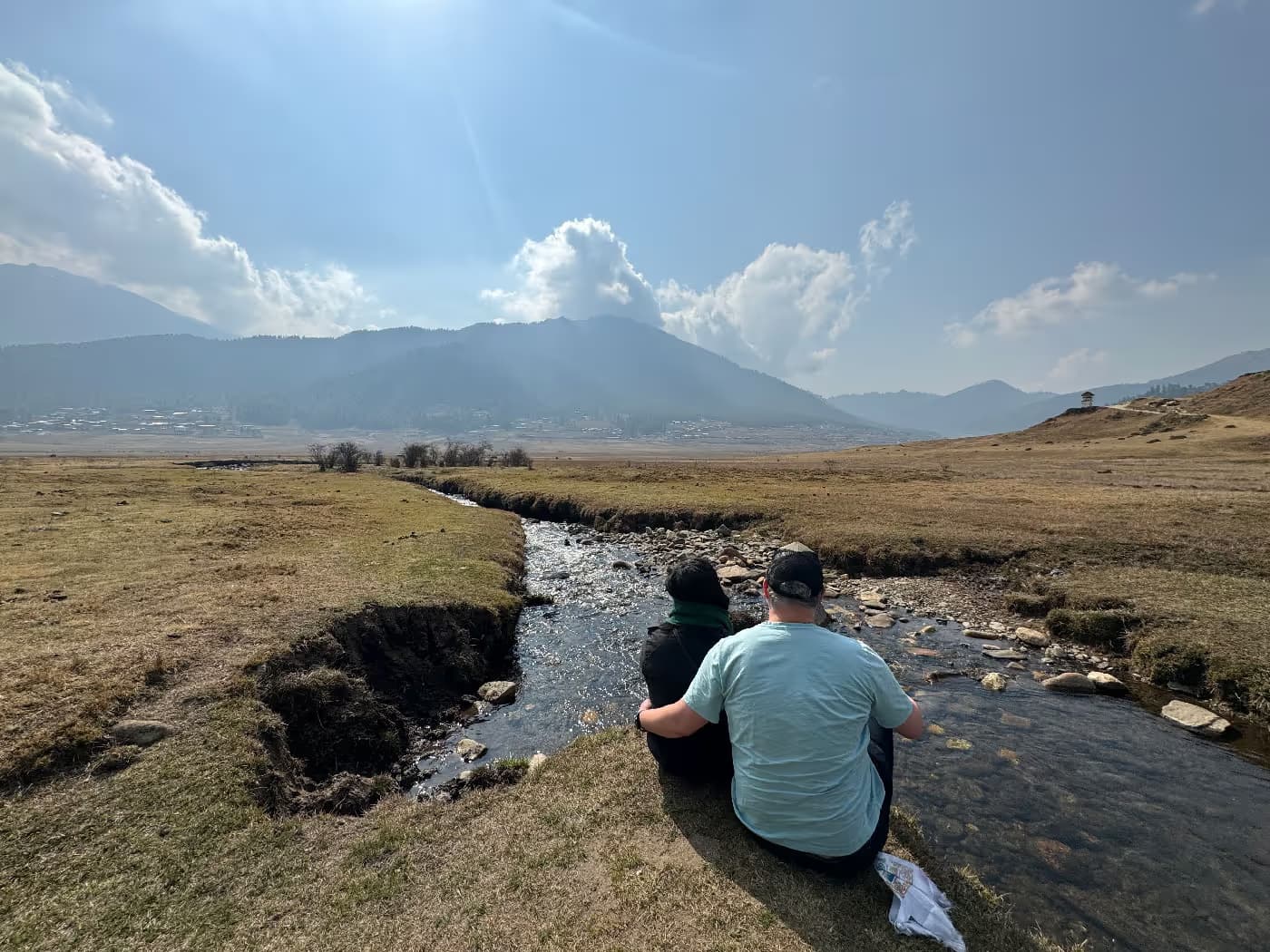
Thimphu day — rhododendron walk
An early-morning walk on the upper-Thimphu ridges where the rhododendron is most concentrated; the Folk Heritage Museum in the afternoon; Tashichho Dzong at dusk.
DAY 08
Over Dochu La — into Punakha
Dawn at the 108 chortens with the rhododendron in bloom (the principal Dochu La shoot); descent into Punakha; the dzong at late-afternoon light.
DAY 09
Back to Paro — Tiger's Nest the next morning
The drive back; Kyichu Lhakhang in the afternoon; an early supper.
DAY 10
The Tiger's Nest — and the flight back
The dawn climb (a substantial shoot from several angles); the cafeteria for lunch; the descent; the flight back the following dawn.
The day-by-day above is illustrative. The proposal you receive is built around your dates, your pace and your interests, not this template.
Frequently asked
- When exactly is the Paro Tshechu?
- The festival is the 11th–15th days of the 2nd Bhutanese lunar month — typically converting to late March or early April Gregorian. The precise dates shift each year; the Department of Tourism publishes the calendar 6–12 months in advance. Book against the specific year's dates; we'll confirm before you book.
- How crowded is the thongdrel unfurling?
- Substantial — several thousand attendees on the principal day. We hold reserved positions in the dzong courtyard for our small group (typically 4–8 photographers), arrange access before the gates open at 4am, and the matched guide is on site to handle the protocol. The thongdrel is displayed for a brief window — perhaps 30–45 minutes — and rolled back before the sun touches it directly. The shoot window is tight; the preparation is what makes it work.
- What's the group size?
- Small. Typically 4–8 photographers per group. Larger groups don't work in the festival courtyard or on the lodge logistics; smaller groups don't economise the festival positions. For couples who want a private (group of 2) version with the same access and pacing, we can quote separately — it's a different price band.
- Equipment and access — can we shoot inside the dzongs and temples?
- Mixed. Most dzong courtyards are photograph-friendly; many temple interiors are not, particularly the inner sanctums. The matched guide knows which sites permit interior photography (with respectful protocol) and which don't. We brief specifics in your proposal. For sites where photography is permitted, no flash, no tripods inside (typically), and a respectful approach — the temple is a working religious space, not a film set.
Journeys you might also weigh
- 01Bhutan Paro TshechuThe Paro Tshechu falls in late March or early April, runs three days at Rinpung Dzong, and culminates in a pre-dawn thongdrel that is the most photographed Bhutanese image of the spring window. Nine nights — three for the festival itself, six for the country in its spring window.9 nights
from $18,000 - 02Bhutan in springA seven-night journey through Paro, Thimphu, Punakha and Gangtey timed to the spring bloom — Dochu La and the Phobjikha hills carpeted in red, pink and white, a walk through the colour rather than a glance from the car, and the festival window open if your dates fall right.7 nights
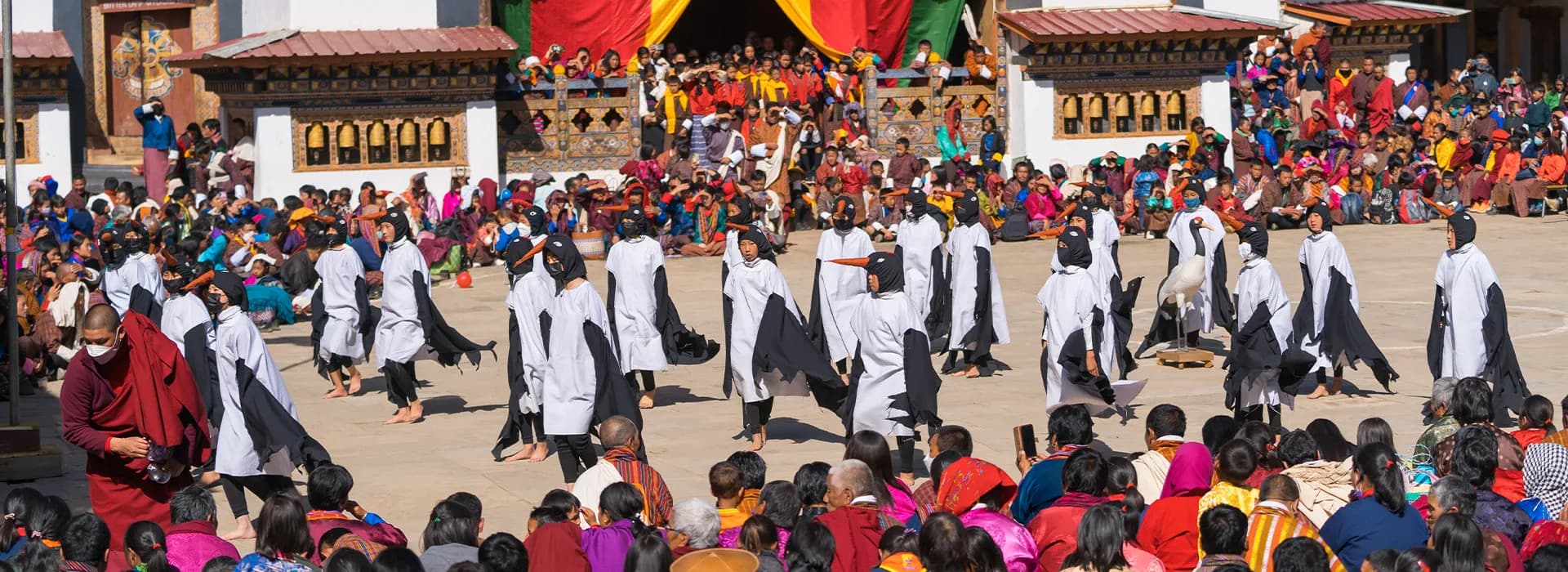
from $8,000 - 03The Black-Necked Crane FestivalAn eight-night Bhutan journey built around the Black-Necked Crane Festival at Gangtey on 11 November — the western circuit of Paro, Thimphu, and Punakha on either side of a day spent in the courtyard of Gangtey Goempa, where the rare cranes that winter in the glacial valley are honoured with schoolchildren's dances and the quiet work of their conservation.8 nights
from $8,000
Begin when you're ready.
A few questions, or a conversation in your own words. A bespoke draft either way.

