A Bhutanese temple
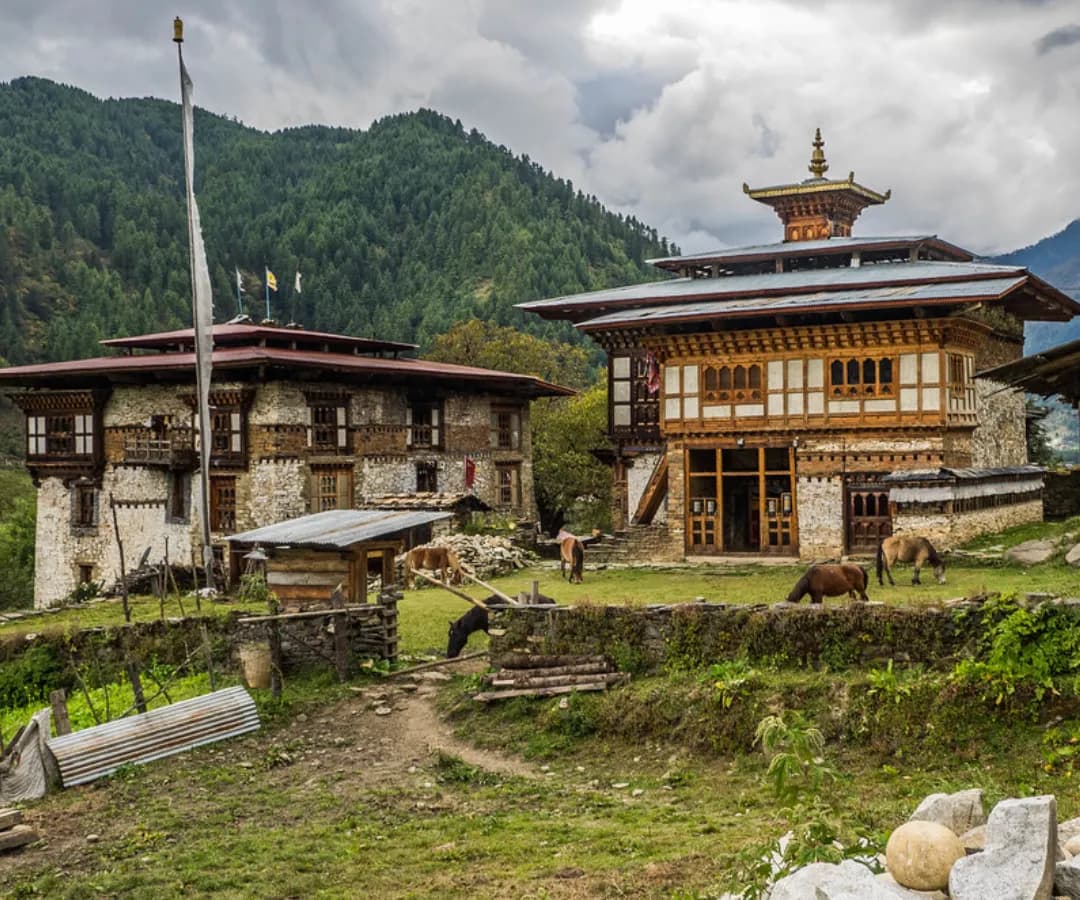
Ngang Lhakhang — the 'Swan Temple' in the remote upper reaches of the Bumthang valley.
High in the upper Choekhor valley of Bumthang, beyond the farms and the river, stands Ngang Lhakhang — the 'Swan Temple', named for the swans that once frequented the place. Built in the 15th or 16th century on a site sanctified by Guru Rinpoche, it is one of the remote and atmospheric temples of the upper valley, the kind a visitor reaches by a walk through the fields and feels they have earned. Its festival, the Ngang Bi Rabney, fills the quiet temple with masked dance each winter, and it sits at the start of the gentle Bumthang Owl Trek into the hills beyond.
Also known as Ngang Lhakhang · the Swan Temple · Ngang Bi
- Location
- Upper Choekhor valley, Bumthang, Bumthang
- Elevation
- 2,800 m
- Kind
- lhakhang
The Swan Temple
Ngang Lhakhang takes its name — 'the Swan Temple' — from the swans that, the tradition holds, once gathered at the place, drawn to a lake or marsh in the upper valley. It was built in the 15th or 16th century on a site already sanctified by Guru Rinpoche, who is said to have meditated in the upper Choekhor valley, and it belongs to the rich religious geography of Bumthang, where almost every fold of the land carries the memory of the Guru or of Pema Lingpa. Remote and modest, set among the high fields of the upper valley, it has the quiet, far-from-the-road atmosphere of the temples a visitor must make an effort to reach.
The festival and the temple
Ngang Lhakhang comes most alive at its festival, the Ngang Bi Rabney, held in winter, when the masked dances fill the courtyard of the otherwise quiet temple and the surrounding villages gather. Like the other Bumthang village festivals, it is smaller and more intimate than the great dzong tshechus, and all the more affecting for it — the old dances performed for the community in the cold upper valley, far from any crowd. The temple holds old images and the layered history of the valley's faith; outside the festival, it is a place of deep quiet, and a reward for the visitor who walks up to it.
The walk and the Owl Trek
Ngang lies in the upper Choekhor valley, beyond the main Bumthang temple circuit, reached by a drive and a walk through the fields and farms of the upper valley — the journey to it part of its appeal, the road giving way to the older pace of the land. The temple sits at the start of the Bumthang Owl Trek, a short and gentle two- or three-day walk over to the Tang valley through forest and high pasture, one of the loveliest soft treks in the country. For the visitor who wants the remote, pastoral side of Bumthang — the upper valley, the village festivals, the gentle walking — Ngang Lhakhang is a rewarding and atmospheric corner.
Visiting
- Getting there
- Ngang is in the upper Choekhor valley, reached by a drive and a walk through the fields beyond the main Bumthang temple circuit. The matched guide arranges the visit, often combined with Thangbi Lhakhang lower down the valley, or as the start of the Bumthang Owl Trek.
- What to see
- The remote old temple, its images, and the peaceful upper-valley setting. Allow 30–45 minutes plus the walk. Visitors who time a winter journey to the Ngang Bi Rabney festival can witness the intimate village masked dances.
- Dress and protocol
- Standard temple protocol — shoulders and knees covered, shoes and hats removed before the shrine, no photography inside. At the festival, visitors follow the guide's lead. The walk through the upper valley calls for sturdy shoes.
- Best time to visit
- Year-round for the temple and the walk, with the winter Ngang Bi Rabney festival the special draw and spring and autumn loveliest for the upper-valley walking. The valley is high and cold in winter — warm layers essential for the festival.
Journeys featuring this site
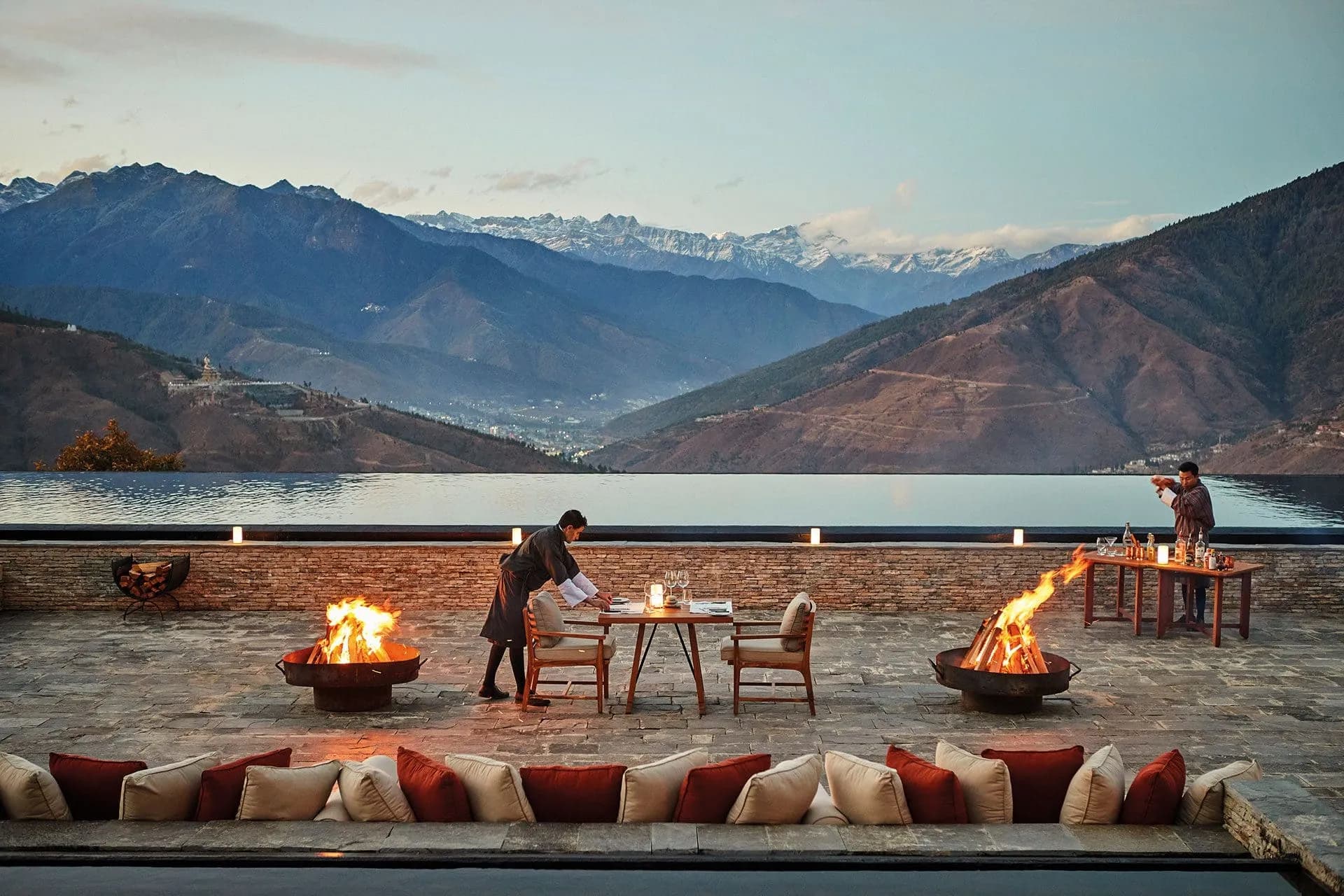 JourneyThe signature-tier Bhutan journey — private knowledgeable guide, the most considered lodge curation, helicopter or charter between valleys, exclusive-use arrangements where the season allows.The signature-tier Bhutan journey. Private knowledgeable guide, the most considered lodges, helicopter or PC-24 charter, exclusive-use arrangements. By invitation, from USD 14,000.
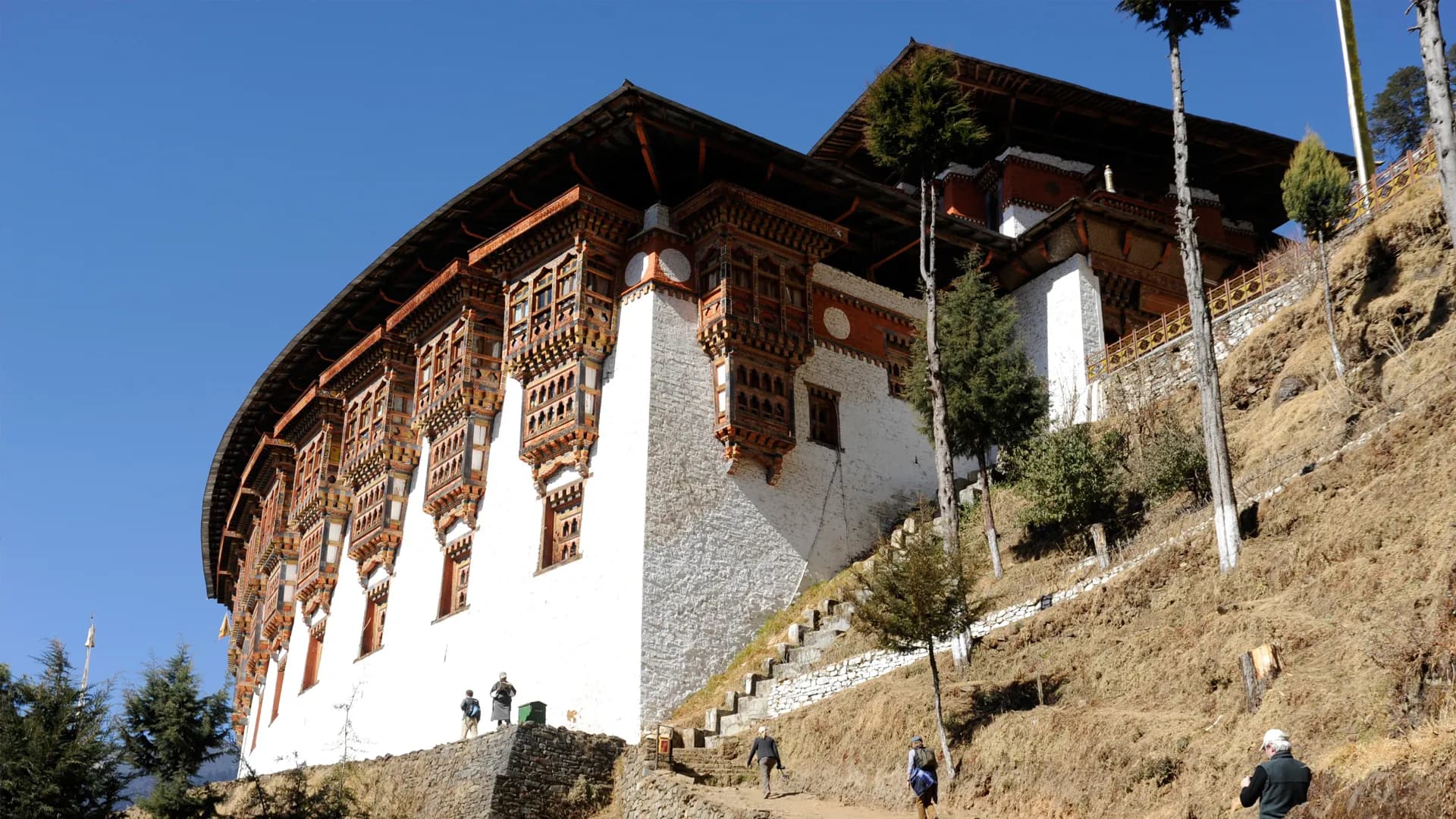 JourneyTen nights for the Buddhist pilgrim — the principal sites, with monastic context.A ten-night Bhutan Buddhist pilgrimage for Asian-Buddhist travellers. Monastic context; matched monastic-trained guide; Bumthang religious circuit.
Frequently asked
- Why is Ngang Lhakhang called the Swan Temple?
- It takes its name from the swans that, by tradition, once gathered at the place, drawn to a lake or marsh in the upper Choekhor valley. The temple was built in the 15th or 16th century on a site sanctified by Guru Rinpoche, who is said to have meditated in the upper valley.
- What is the Ngang Bi Rabney?
- The winter festival of Ngang Lhakhang, when masked dances fill the courtyard of the otherwise quiet temple and the surrounding villages gather. Like the other Bumthang village festivals, it is smaller and more intimate than the great dzong tshechus — the old dances performed for the community in the cold upper valley, far from any crowd.
- Is Ngang Lhakhang connected to a trek?
- Yes — it sits at the start of the Bumthang Owl Trek, a short, gentle two- or three-day walk from the Choekhor valley over to the Tang valley through forest and high pasture, one of the loveliest soft treks in Bhutan. Ngang is a natural stop for visitors drawn to the remote, pastoral upper valley and its gentle walking.

