A Bhutanese dzongkhag
Gasa — the northern hot-springs dzongkhag, the Laya highland country, the Royal Highlander Festival.
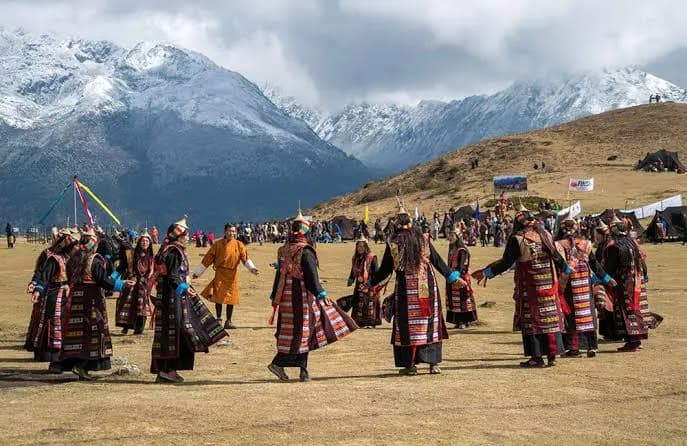
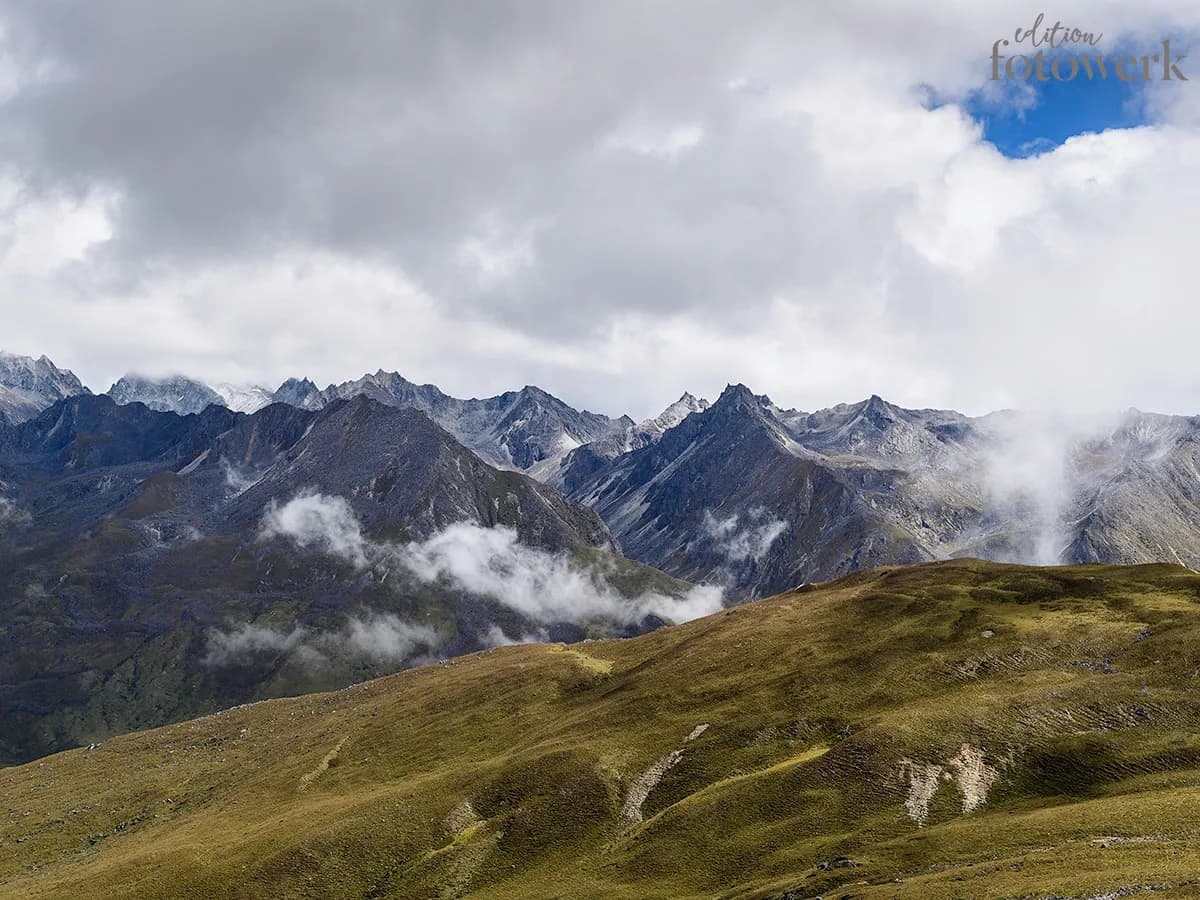
Gasa is Bhutan's principal northern dzongkhag — the country's least-densely-populated, most-mountainous district, bordering the Tibetan plateau across the high northern peaks. Gasa Tsachu (the hot springs) is the country's principal hot-springs pilgrimage site; the Layap yak-herding community at 3,800 metres maintains the distinctive Bhutanese highland; the Royal Highlander Festival each October celebrates the high-mountain communities.
- District
- Gasa
- Altitude
- 2,800 m
- Kind
- dzongkhag
- Coordinates
- 27.900, 89.733
- Also known as
- Gasa Dzongkhag
Gasa Tsachu — the principal Bhutanese hot springs
Gasa Tsachu sits at approximately 2,200 metres on the valley floor below Gasa town and dzong — Bhutan's principal hot-springs pilgrimage site, with multiple mineral-water pools at different temperatures used for centuries for therapeutic soaking. The Bhutanese tradition holds the menchu (medicinal-water) practice as the canonical post-trek and post-pilgrimage recovery; trekkers completing the Chomolhari-Laya-Gasa trek typically include a 1-2 night soak at the Tsachu before continuing the road journey back to Paro. The pools are open to international visitors; the matched guide arranges access and explains the traditional protocol.
The Layap community
Laya village, in the upper Gasa dzongkhag at 3,800 metres, is one of the highest permanently-inhabited settlements in Bhutan. The Layap are a distinct semi-nomadic yak-herding community with their own language, dress (the women's conical yak-hair hats decorated with silver and turquoise are one of the most-photographed cultural images of the highlands), and folkloric tradition. The community continues to live on the yak-and-barley economy that has sustained the Lunana-Laya valleys for centuries. Access is by trek only — see the Laya Lingshi Trek or, more recently, by helicopter for ultra-premium visitors. The Royal Highlander Festival in October brings the principal Layap cultural register to public visibility.
The Royal Highlander Festival
The Royal Highlander Festival (23-24 October annually) is held at the Laya village settlement to celebrate the high-mountain communities of Bhutan. The festival features traditional Layap-and-Lunap song and dance, the conical-hat parade, yak-riding contests, and traditional sports. International visitor numbers are limited by access (the village is multi-day trek from the road-head); helicopter access for a half-day visit is available to ultra-premium visitors. The festival is one of the more atmospheric in the Bhutanese calendar — the high-altitude, the distinctive Layap culture, the small intimate scale.
Visiting
- Access — road or trek
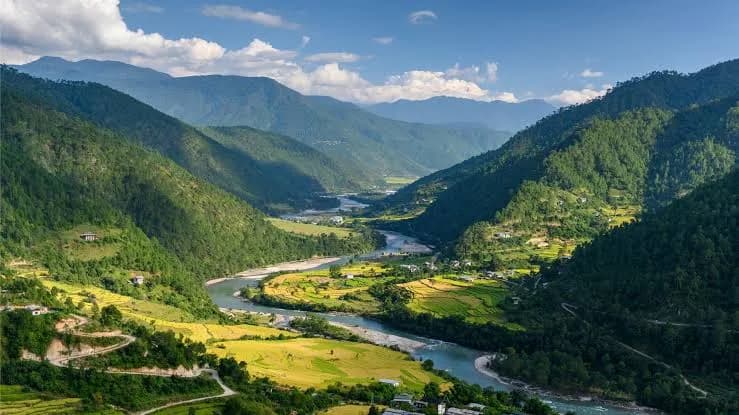
- Gasa town is accessible by road from Punakha (approximately 3 hours' drive) — the road follows the Mo Chhu valley north. Beyond Gasa town the road extends to the road-head at Damji; Laya is a multi-day trek beyond that. Helicopter access to Laya is available for premium visitors at substantial cost.
- When to visit
- October for the Royal Highlander Festival is the principal cultural window. April-May for spring trekking. June-September monsoon makes the Laya trek inadvisable. November-March the high passes are snow-affected.
Walks from here
When the valley gathers
Where to go next
Journeys through here

Frequently asked
- Can I soak at the Gasa Tsachu without trekking?
- Yes. The hot springs are accessible by road from Punakha (approximately 3 hours). Day visits are workable; overnight at the tsachu is the traditional protocol — most visitors take 1-2 nights to honour the menchu tradition properly.
- Can I visit Laya without trekking?
- By helicopter, yes — premium visitors arrange day visits via Royal Bhutan Helicopter Services. Substantial cost (USD 5,000+ for the day). By road and foot only — the multi-day Laya Lingshi trek is required.
- Is the Royal Highlander Festival open to international visitors?
- Yes, but access is limited by transport. Premium visitors typically combine the festival with a helicopter visit; trekkers complete the Laya Lingshi trek timed to arrive for the festival window.

