The winter-accessible cultural trek
Punakha Winter Trek — three days through the Punakha valleys at 1,200–2,000 metres, accessible in the deep clear-sky December-February window.
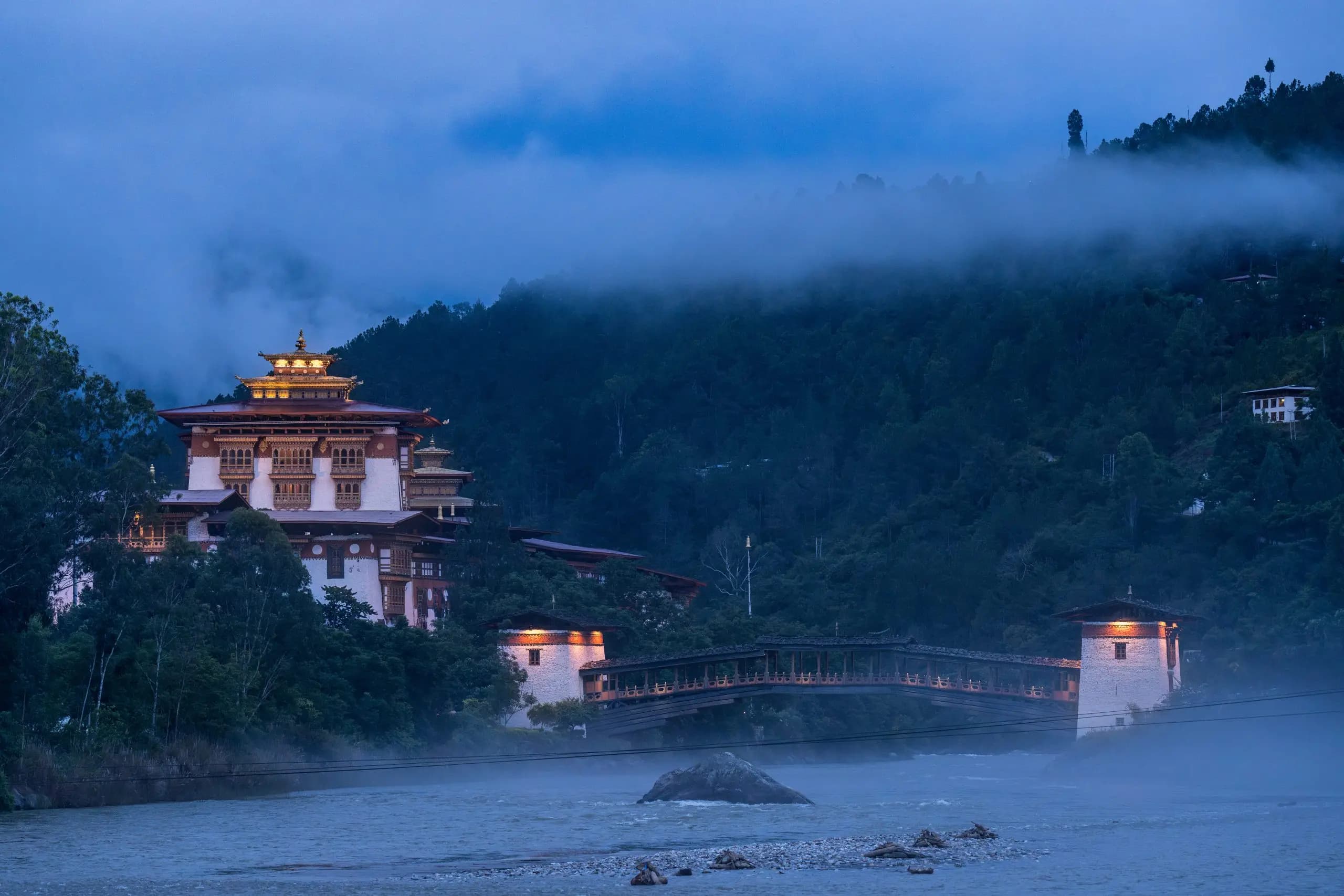
The Punakha Winter Trek is the principal Bhutanese trek that operates in the deep winter window when the high-altitude routes are closed. Three days through the warm Punakha valleys at 1,200–2,000 metres — across rice fields, through pine forest, past hermitage temples and prayer-flag ridges — with the photographic register of clear winter days and the comfortable post-trek soak at the Punakha lodges.
- Duration
- 3 days
- Max altitude
- 2,000 m
- Difficulty
- easy
- Distance
- 42 km
- Region
- Punakha
- Trailhead
- Khuruthang, Punakha (1,200 m)
- Trail end
- Limukha, Punakha (1,800 m)
- Best months
- November · December · January · February · March
- Walk type
- trek
The route, in brief
The trek begins at Khuruthang in the lower Punakha valley (1,200m), climbs through rice fields to Chorten Ningpo (a hermitage temple at 1,800m), continues along the ridge above the Mo Chhu to Limukha (a small farming village at 1,800m), and exits via the suspension-bridge crossing back into the principal Punakha valley. Three days total; the maximum altitude is 2,000m at the ridge crossing — substantially below the high-altitude trekking threshold. The trek is accessible across the deep winter window (November-March) when the high-altitude routes are closed.
Why the Punakha Winter Trek matters
The deep winter (December-February) is one of the most-rewarding visiting windows in Bhutan — clear skies, brilliant Himalayan visibility, no crowds, and the lowest visitor count of any season. But almost all of the country's multi-day treks are inaccessible: Snowman, Chomolhari, Druk Path, Dagala, and even Bumthang Owl are weather-affected by snow and cold. The Punakha Winter Trek fills the gap — accessible across the entire winter window, at altitudes that stay warm even in January, and through some of the most-photogenic landscapes of the Punakha valley (rice fields golden after harvest, prayer flags against bright blue winter sky, the Mo Chhu and Pho Chhu confluence at its photogenic peak).
Cultural register
The trek passes through one of the most religiously-dense regions in Bhutan. Chorten Ningpo (Day 1 destination) is a 15th-century hermitage where the great Drukpa Kunley — the Divine Madman — is held to have meditated and which contains the relics of his lineage. The trek's ridge crossings pass through Limukha and Sopsokha — small farming villages where the rural Bhutanese register of post-harvest community life is at its most visible. The trek closes naturally with visits to punakha-dzong and chimi-lhakhang in the broader Punakha cultural circuit.
Day by day
- Day 1
Khuruthang to Chorten Ningpo
1,800 m · 14 km · 6 h walking
Climb through rice fields from Khuruthang; reach Chorten Ningpo hermitage by mid-afternoon.
- Day 2
Chorten Ningpo to Limukha
1,800 m · 14 km · 6 h walking
Ridge traverse through pine forest; arrive at Limukha farming village.
- Day 3
Limukha to Punakha valley
1,200 m · 14 km · 5 h walking
Descent through rice fields and the suspension-bridge crossing of the Mo Chhu. Vehicle pickup at the principal valley road.
Before you go
- Season
- November through March — the deep winter window when the high-altitude routes are closed. The Punakha valley at 1,200-2,000m stays warm even in January (typical daytime temperatures 15-22°C, overnight 2-8°C). Late February into March catches the early-spring rice planting.
- Fitness
- Easy by altitude (max 2,000m) but on distance — three days of approximately 14 km each on well-defined trail. The lower altitude makes the daily distances comfortable for most reasonably-fit visitors; the trek pace allows for substantial cultural stops at Chorten Ningpo and Limukha along the way.
- Combine with the Punakha cultural circuit
- The trek pairs naturally with 2-3 days of Punakha cultural visits — punakha-dzong, chimi-lhakhang, the Punakha Suspension Bridge, the riverside Mo Chhu walk. The full Punakha stay including the trek is 5-7 days; this is the principal winter-accessible deep-cultural experience in Bhutan.
- Accommodation
- Mixed — Days 1-2 in simple lodges or farmstays (Limukha has a community-supported farmstay arrangement); the principal accommodation pre- and post-trek is at the Punakha premium lodges (Amankora Punakha, COMO Uma Punakha, Six Senses Punakha, Dhensa). The trek is one of the few in Bhutan that operates without expedition camp logistics.
Monuments on the route
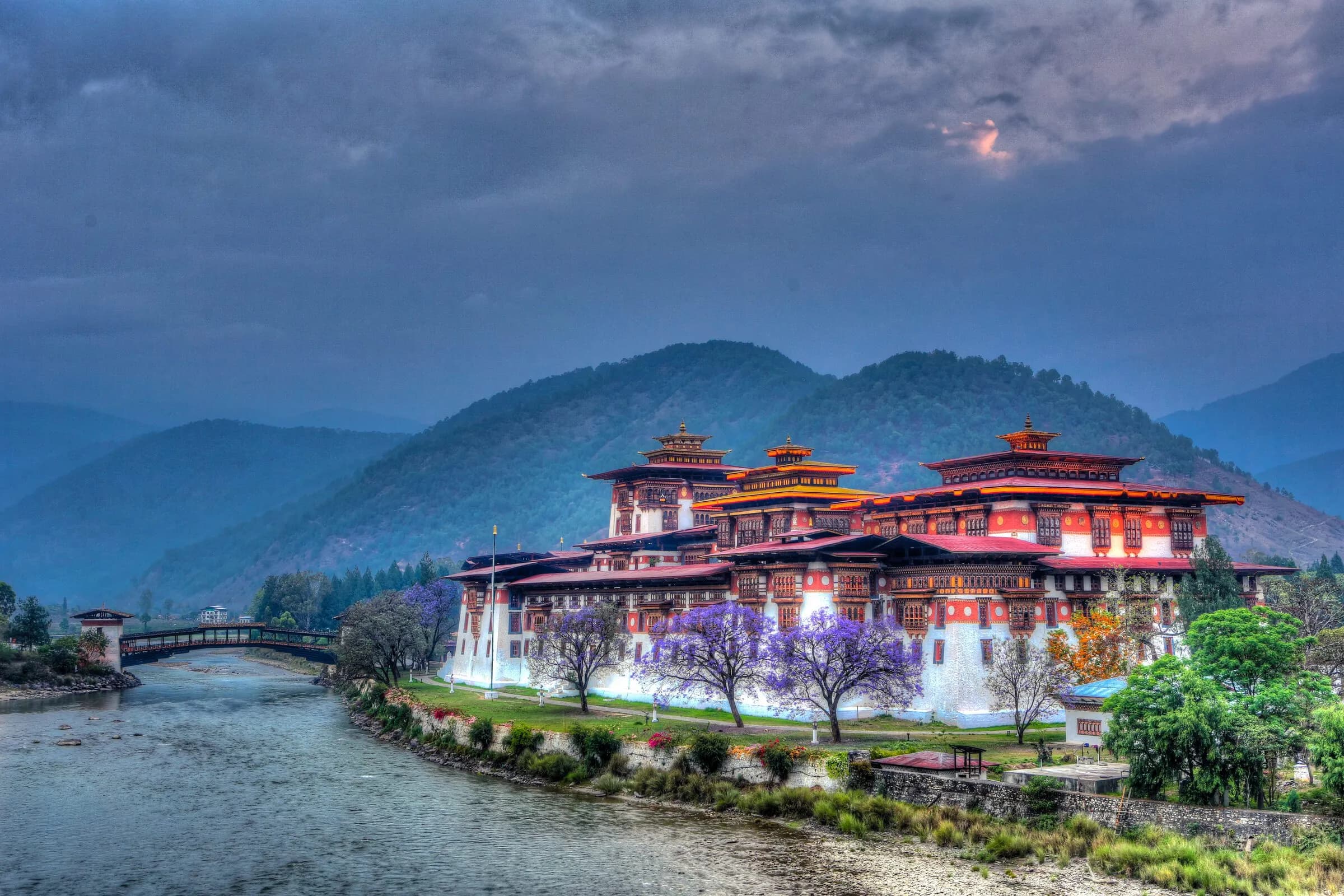 MonumentPunakha Dzong — Pungtang Dechen Phodrang, founded 1638 at the confluence of the father and mother rivers.Punakha Dzong — the Palace of Great Happiness, founded 1638. The history, the architecture, what to expect on a visit.
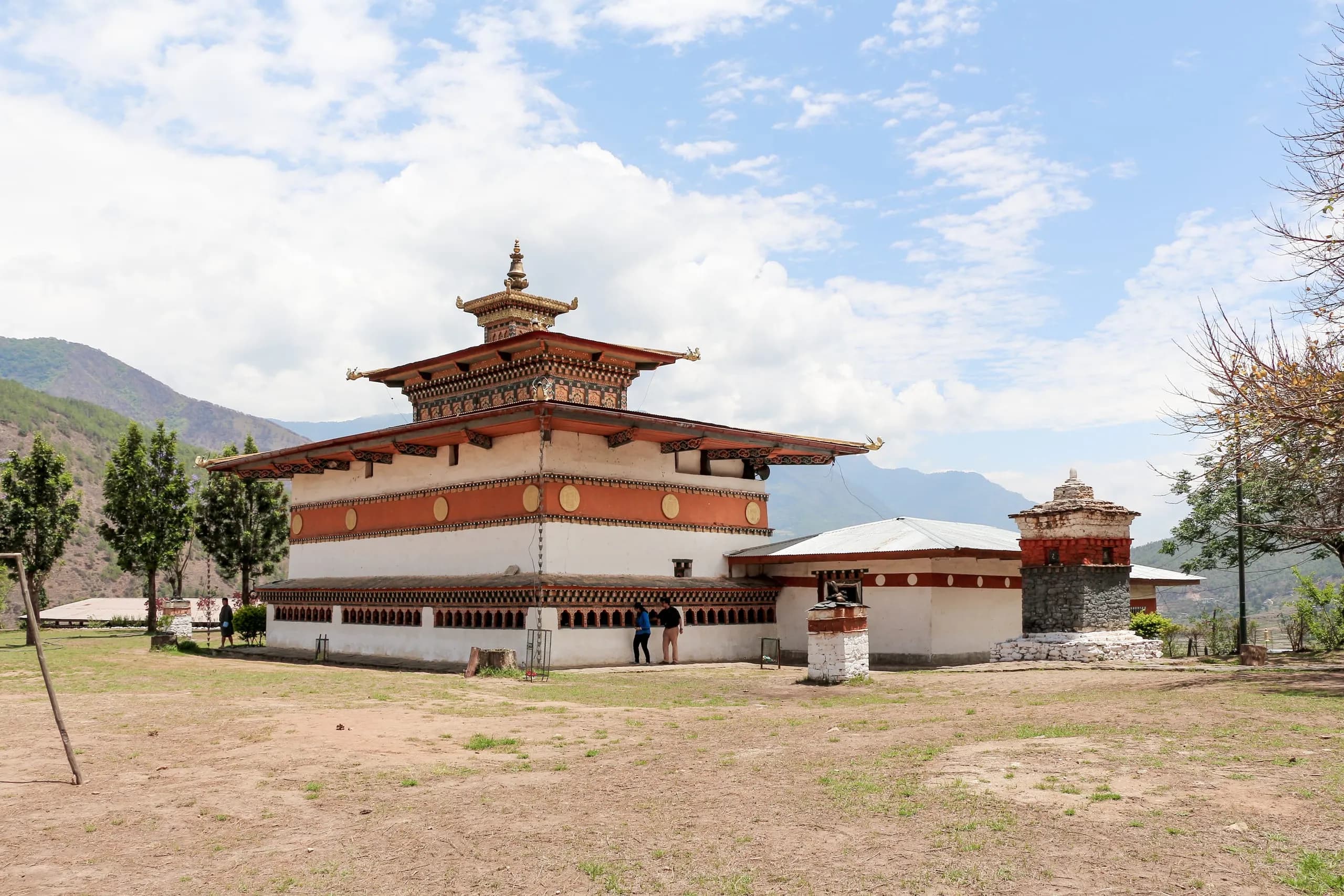 MonumentChimi Lhakhang — the 15th-century temple of Drukpa Kunley, fertility pilgrimage and the phallus iconography.Chimi Lhakhang — Drukpa Kunley's 'Divine Madman' fertility temple in Punakha. History, the iconography, visiting protocol.
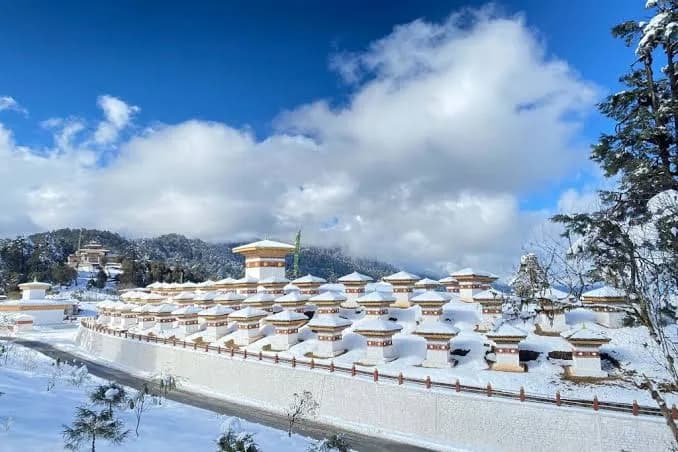 MonumentDochu La — the high pass between Thimphu and Punakha, with 108 chortens and the eastern-Himalayan panorama.Dochu La — the 108-chorten pass at 3,100 metres between Thimphu and Punakha. The Druk Wangyel Chortens and the Himalayan panorama.
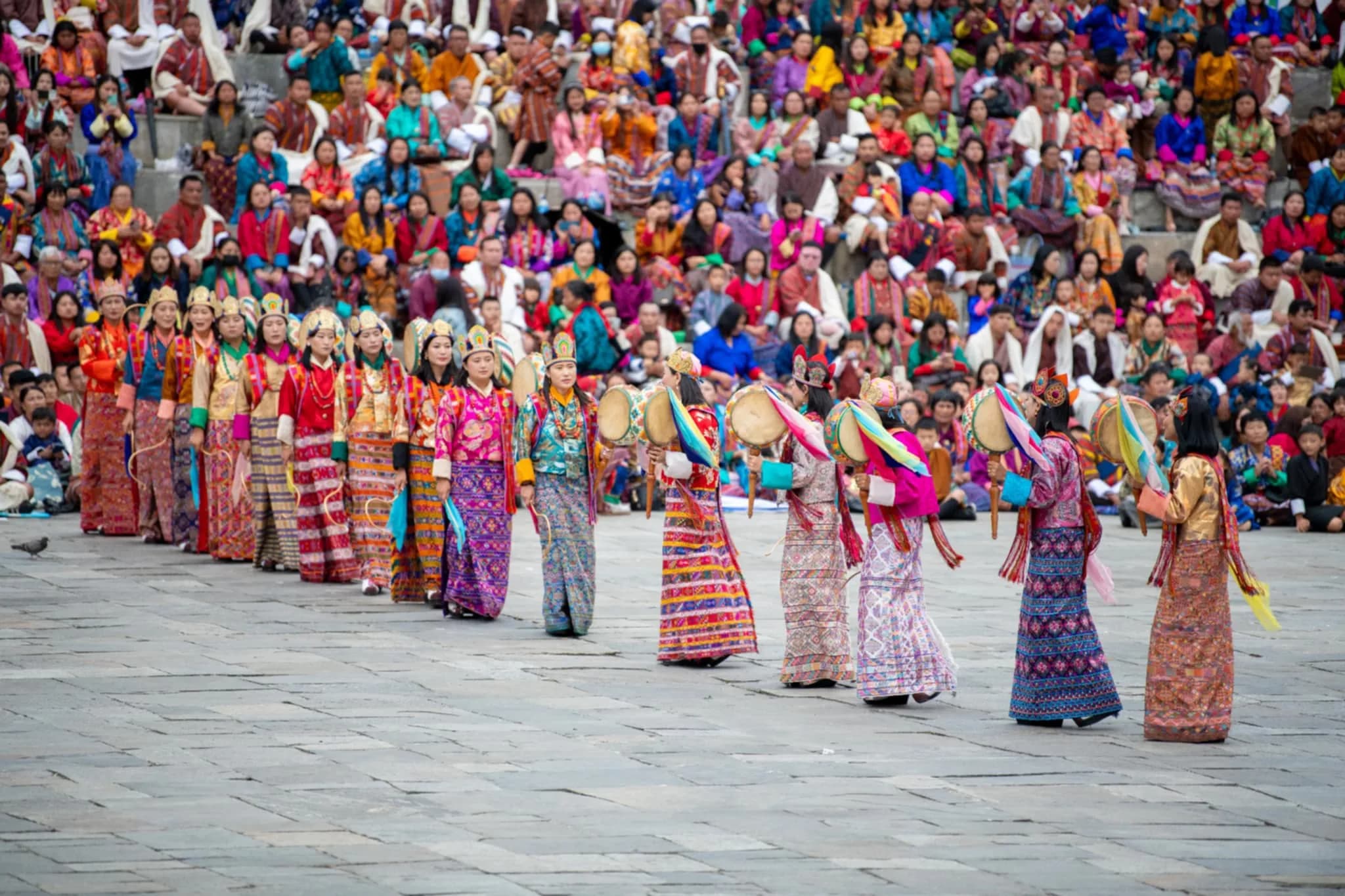
Festivals nearby
Journeys around this trek
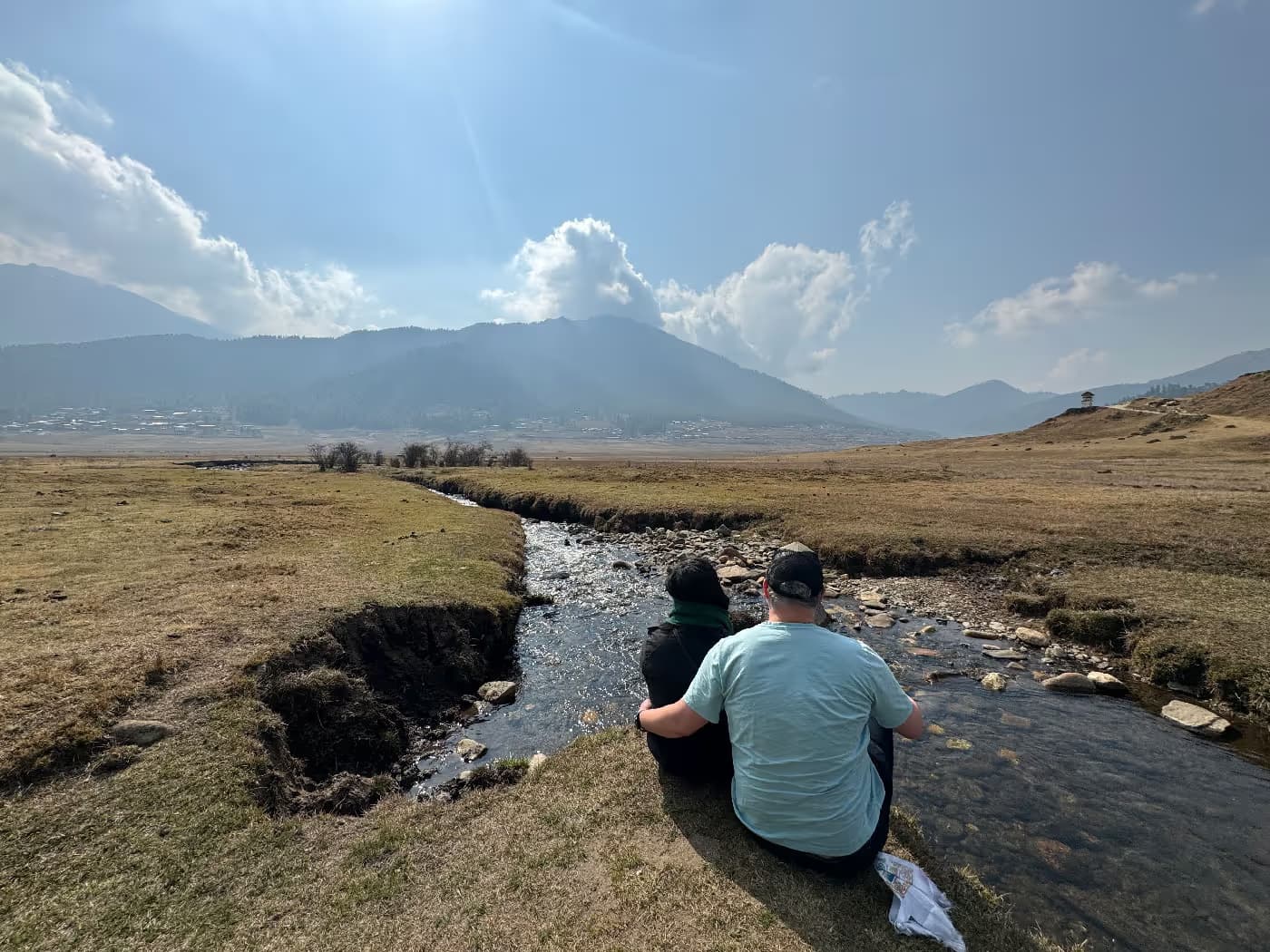 JourneyBhutan in January — the clearest skies of the year.A six-night winter journey through Bhutan in January — clearest Himalayan visibility, Punakha's warm valley, fewer travellers, and lodges by the fire.
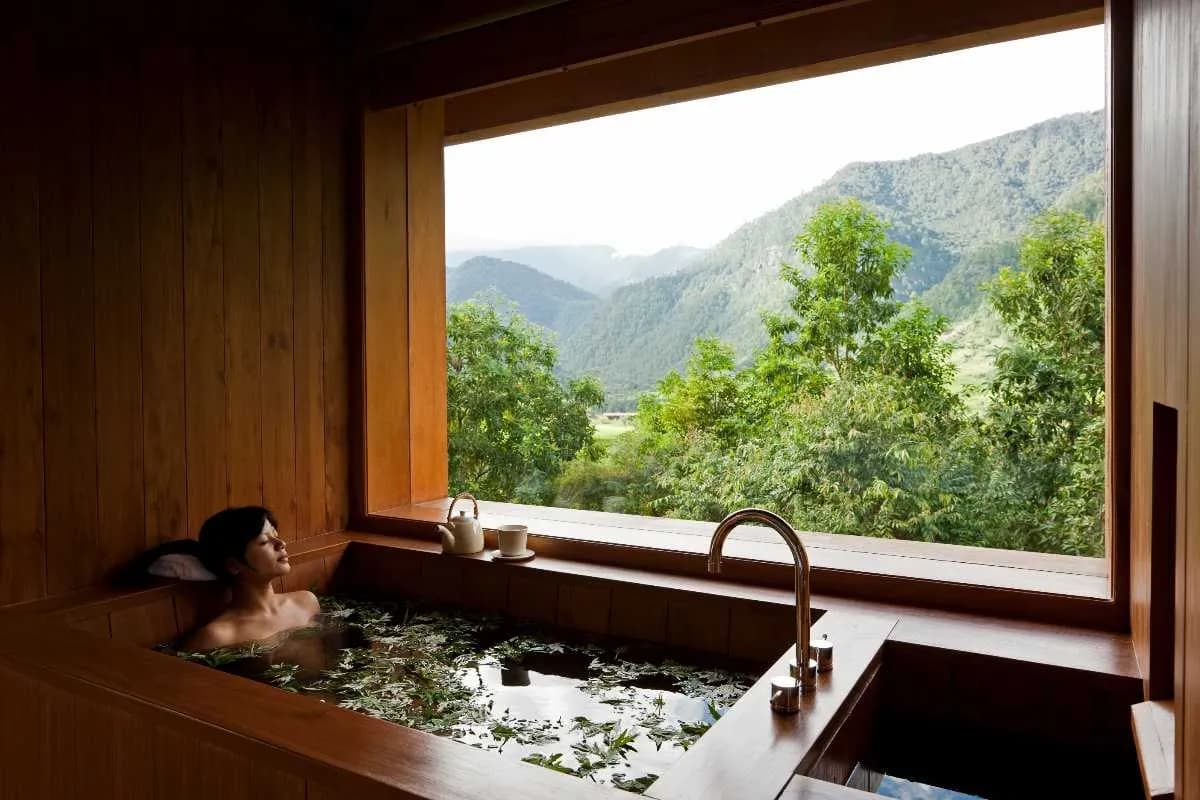 JourneySeven nights in Bhutan, on your terms.A private seven-night Bhutan honeymoon for couples flying from Singapore. Bhutanese lodges, a matched guide, transparent all-inclusive pricing.
Frequently asked
- Is the Punakha Winter Trek really accessible in December and January?
- Yes — the Punakha valley at 1,200-2,000 metres stays warm across the deep winter window. Daytime temperatures typically 15-22°C, overnight 2-8°C. The high-altitude treks (Snowman, Chomolhari, Druk Path, Dagala) are all closed in this window; the Punakha Winter Trek is the principal accessible multi-day option.
- Why is the trek classified as Easy?
- Maximum altitude 2,000m (well below the altitude-challenge threshold). Daily distances are around 14 km each on well-defined trail; the distance is what gives the trek its character. The lower altitude makes the walking comfortable even in mid-winter. Visitors travelling with older or younger walkers, or those who simply prefer the lower-altitude, find the Punakha Winter Trek a natural fit.
- What's the photographic register?
- The Punakha valley in winter is particularly photogenic — the rice fields golden after harvest, the prayer flags vivid against bright blue winter sky, the Mo Chhu and Pho Chhu confluence at its photographic peak. The deep clear-sky December-February window gives the most reliable visibility for the surrounding ridges; the broader Himalayan panorama is not visible from Punakha (the high ridges block the view), but the valley register itself is the principal subject.
- Can I do the Punakha Winter Trek with kids?
- Yes — the trek is well-suited for family groups including older children (8+). The low altitude, the moderate distances, the village stays, and the cultural-density along the route make it one of the most family-accessible multi-day options in Bhutan. Younger children may prefer to stay at the Punakha lodges and join for day-walks rather than the full multi-day trek.
- Where do I sleep on the trek?
- Days 1-2 in simple lodges or farmstays (Limukha has a community-supported farmstay arrangement). Pre- and post-trek at the Punakha premium lodges (Amankora Punakha, COMO Uma Punakha, Six Senses Punakha, Dhensa Boutique Resort).

