Bhutan on foot
Treks and day hikes, Snowman to Tiger's Nest, by duration, altitude, and difficulty.
The Bhutanese trekking landscape extends from the high-altitude expedition routes of the Lunana north through the signature multi-day treks to the half-day cultural walks of the Thimphu and Paro valleys. Below: every route, shortest to longest, plotted by duration and coloured by difficulty.
- Treks
- 15
All treks, alphabetical
1 day · 2,700 m max · moderate
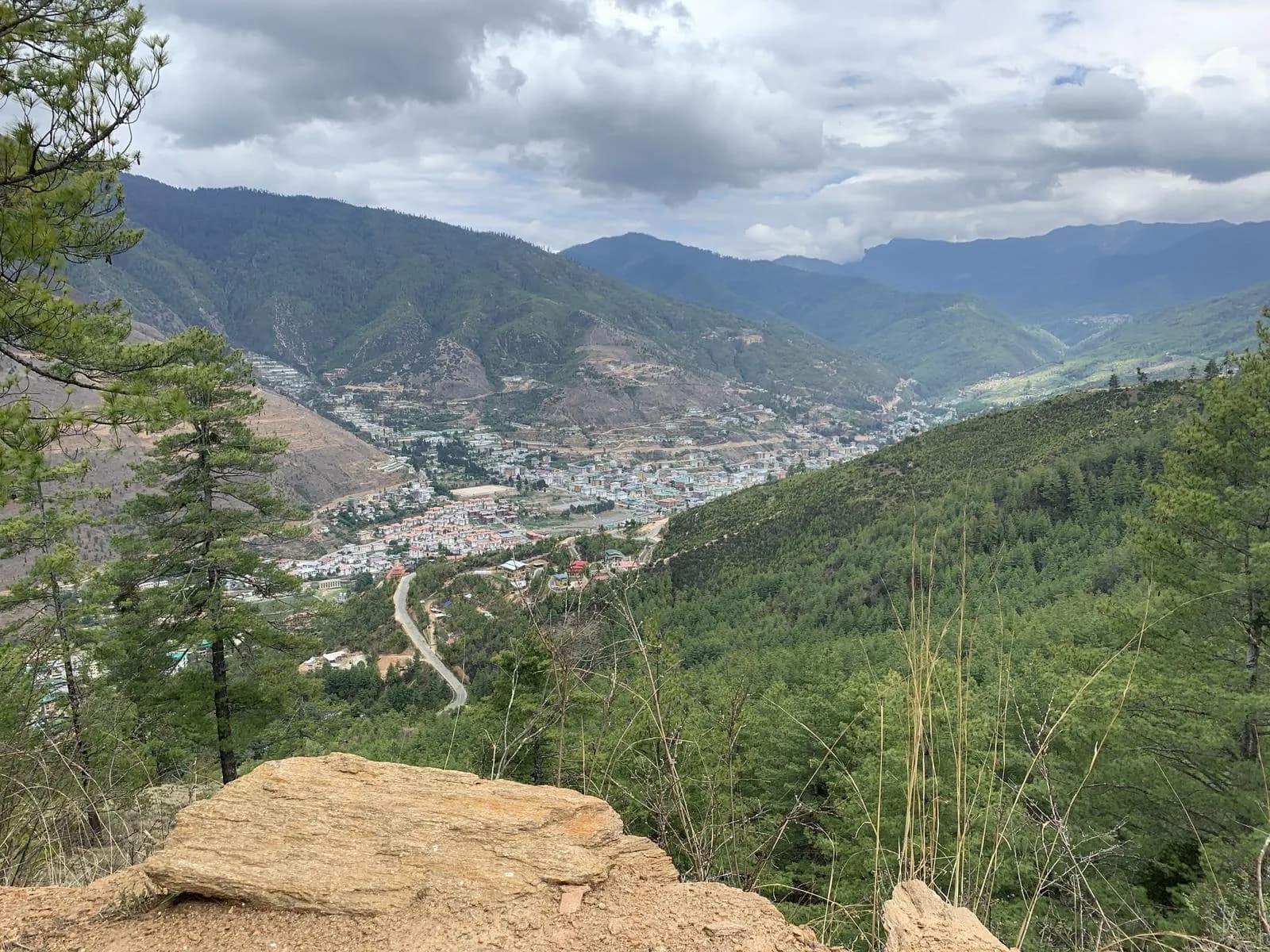
Changangkha to Buddha Dordenma Hike
The Changangkha-to-Buddha Hike connects two of the principal religious sites of Thimphu — the 12th-century Changangkha Lhakhang and the 51.5-metre [[buddha-dordenma|Buddha Dordenma]] on the Kuensel Phodrang ridge — via a 3-hour forest hike that climbs approximately 350 metres through pine and oak woodland. The walk is one of the most-rewarding Thimphu day hikes for its combination of religious depth and urban-to-forest progression.
1 day · 2,850 m max · moderate
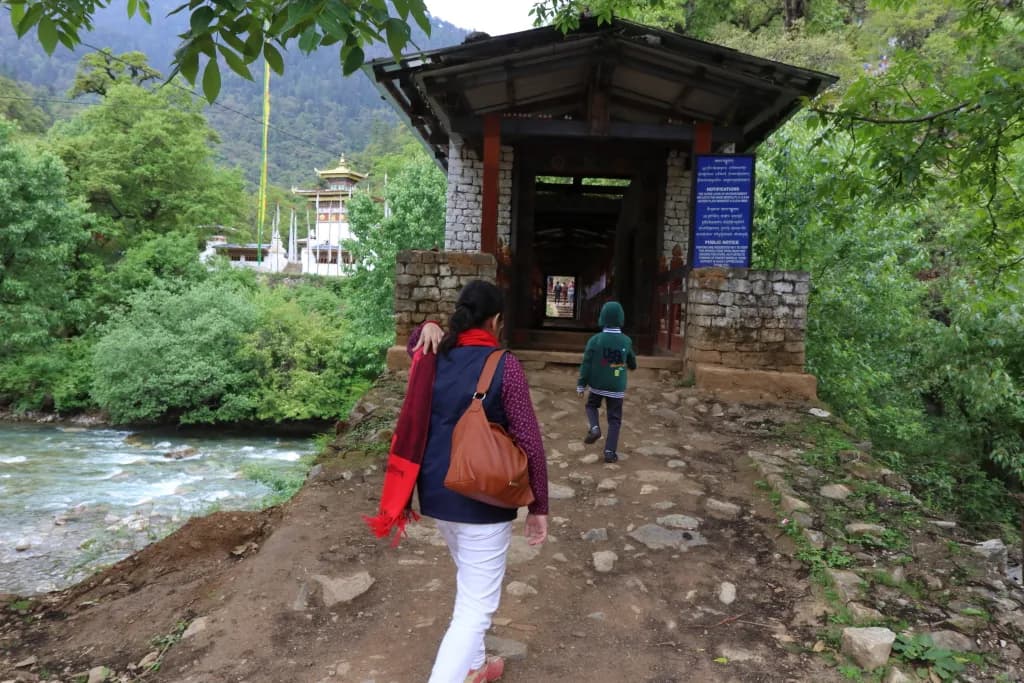
Cheri Goemba Hike
The Cheri Goemba (also Chagri Dorjeden Monastery) sits at 2,850 metres above the upper Thimphu valley, an hour's hike up from the end-of-road at Dodena. The monastery was founded in 1620 by [[zhabdrung-ngawang-namgyal|Zhabdrung Ngawang Namgyal]] — the architect of the unified Bhutanese state — making it the first Drukpa Kagyu monastery in the country. The hike is one of the principal half-day walks of any Thimphu stay.
1 day · 2,900 m max · moderate
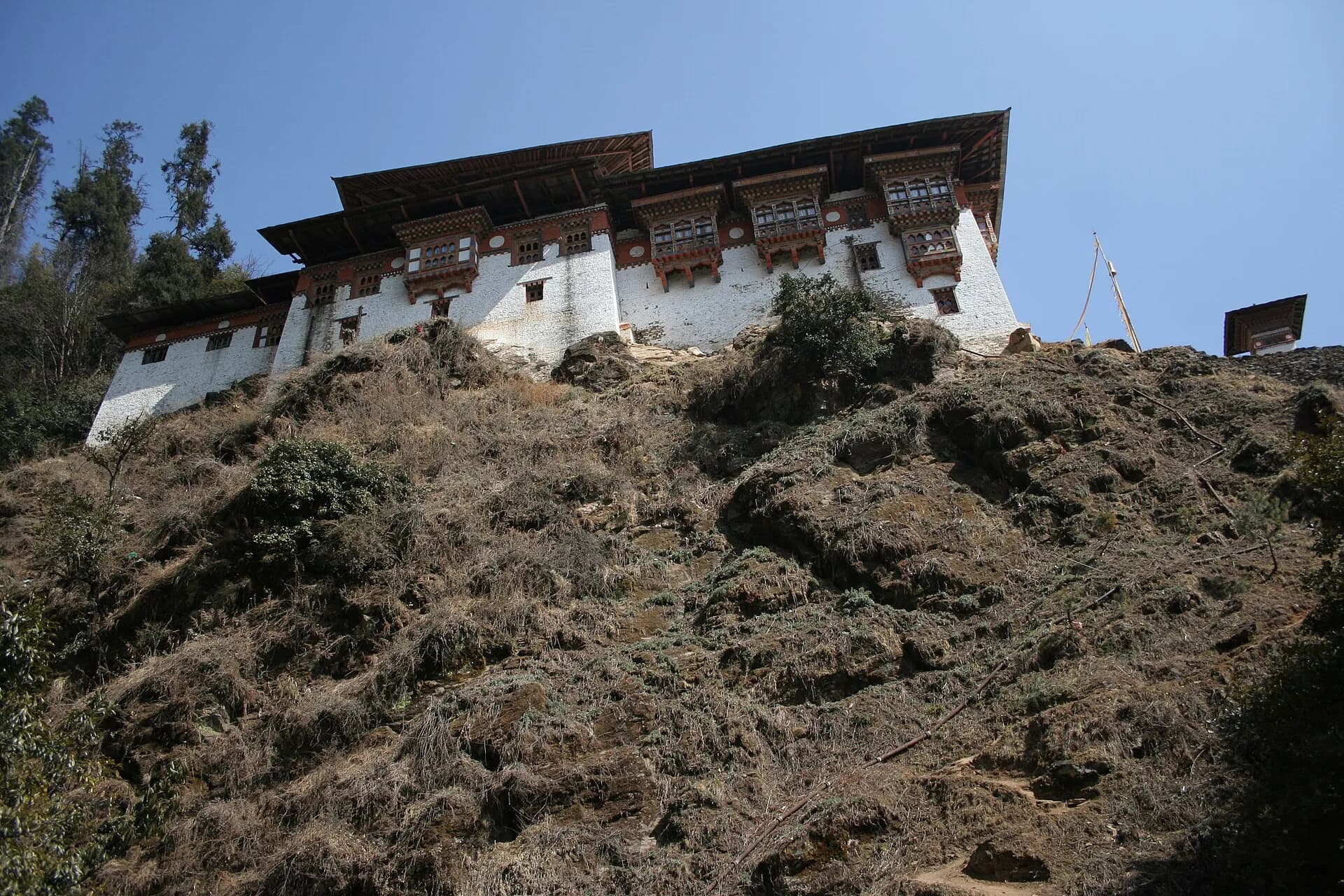
Tango Goemba Hike
Tango Goemba sits at 2,900 metres above the upper Thimphu valley, an hour's hike up from the end-of-road at Dodena. The monastery was founded in the 13th century by **Lama Gyalwa Lhanapa** and rebuilt by the **Tenzin Rabgye** (4th Druk Desi) in 1689; it is today the principal monastic university of Bhutan, where senior monks pursue the nine-year curriculum in Buddhist philosophy. The hike pairs naturally with the adjacent [[cheri-goemba-hike|Cheri Goemba]] hike for a full Thimphu monastic-day.
1 day · 4,200 m max · expedition
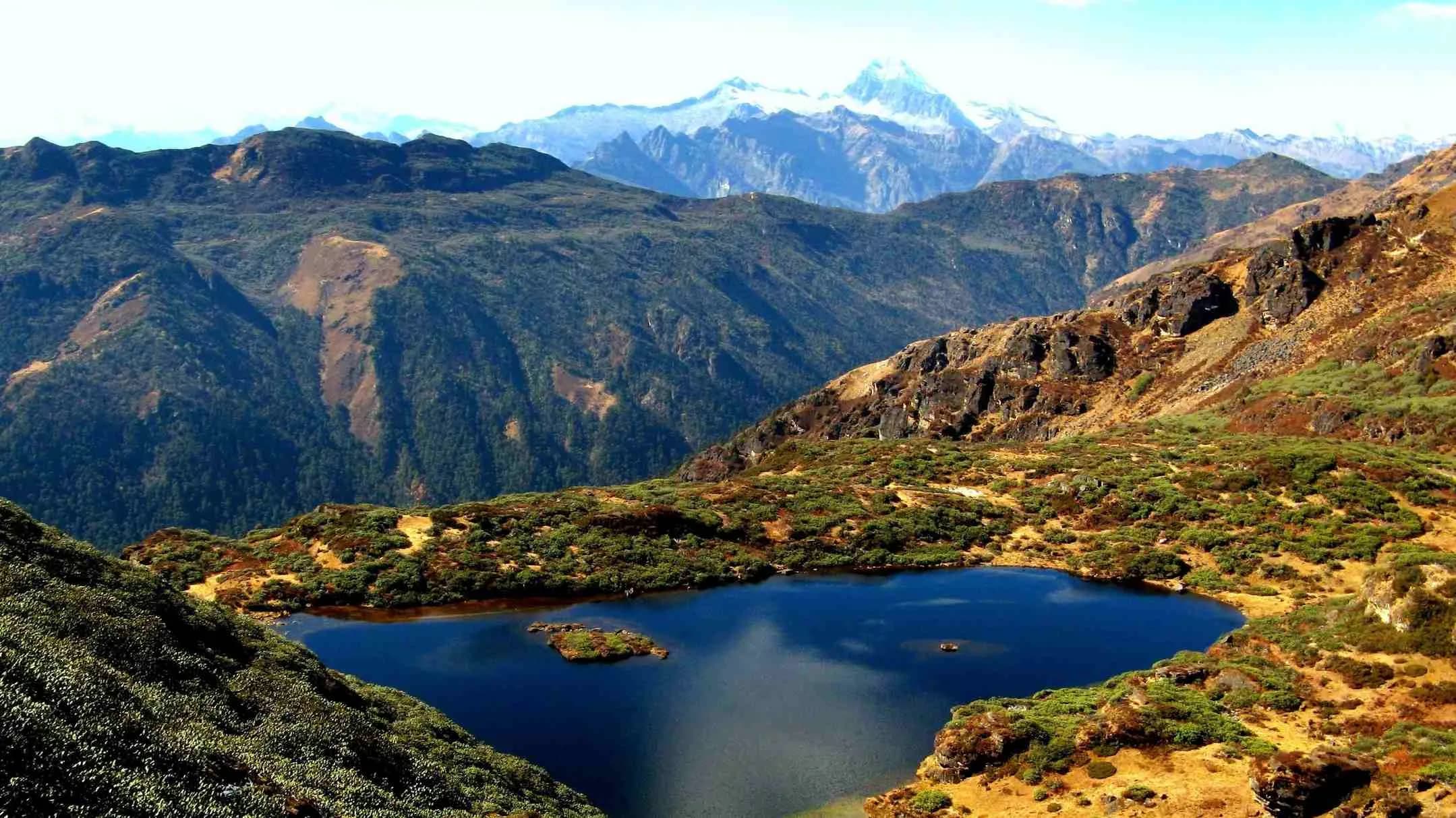
The Druk Path Run
The standard Druk Path Trek runs four walking days from the Ta Dzong above Paro to Motithang on the western edge of Thimphu. The Druk Path Run is the same 60-km route — Jele Dzong, the Jimilang Tsho lake, the Janey Tsho passage, the Phajoding ascent — compressed into a single day, and run in the reverse direction: Motithang to Paro, climbing first while legs are fresh, descending into the Paro valley at the finish. The route has been completed in this form by our operator team multiple times and is, to our knowledge, the only guided expression of the Druk Path as an adventure-sport day.
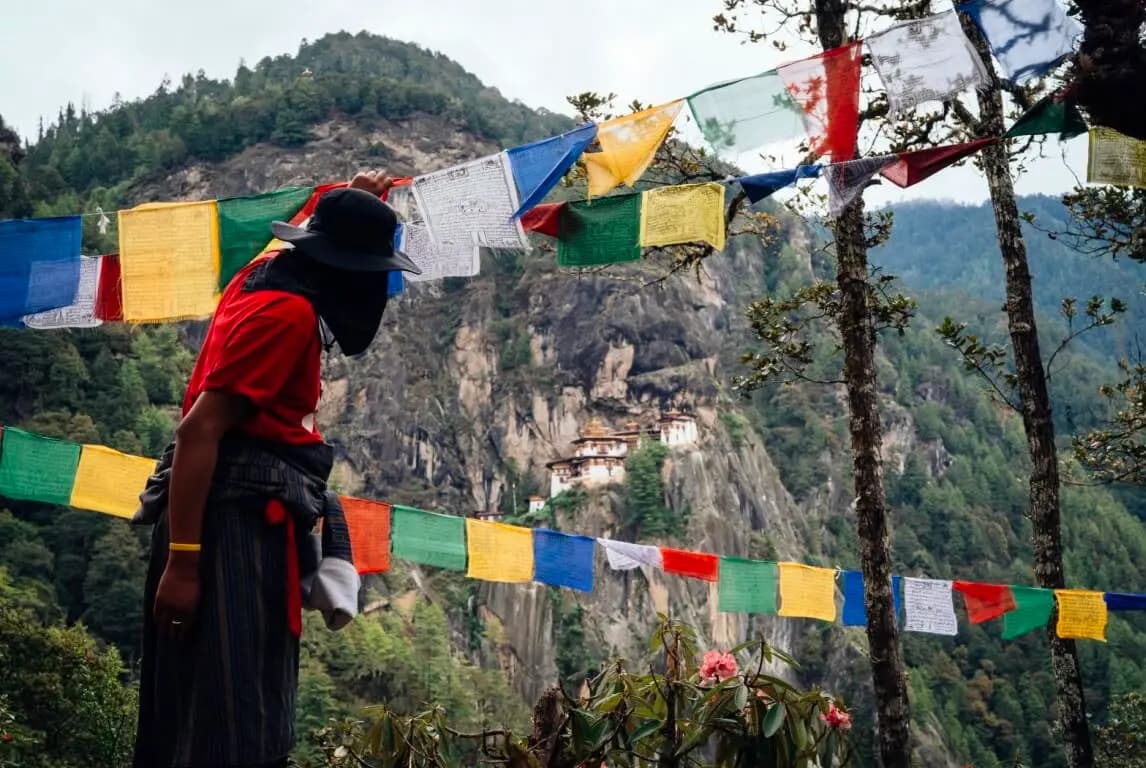
1 day · 3,120 m max · moderate
Tiger's Nest Day Hike
The Tiger's Nest day hike is the principal walking experience of any Bhutanese journey — a 4-km switchback trail from the Ramthangka trailhead (2,600 m) up to Paro Taktsang (3,120 m), the most-photographed monastery in the Himalaya. Most reasonably-fit visitors complete the round trip in 5–6 hours including time at the monastery and a lunch stop at the mid-route cafeteria.
1 day · 2,650 m max · easy
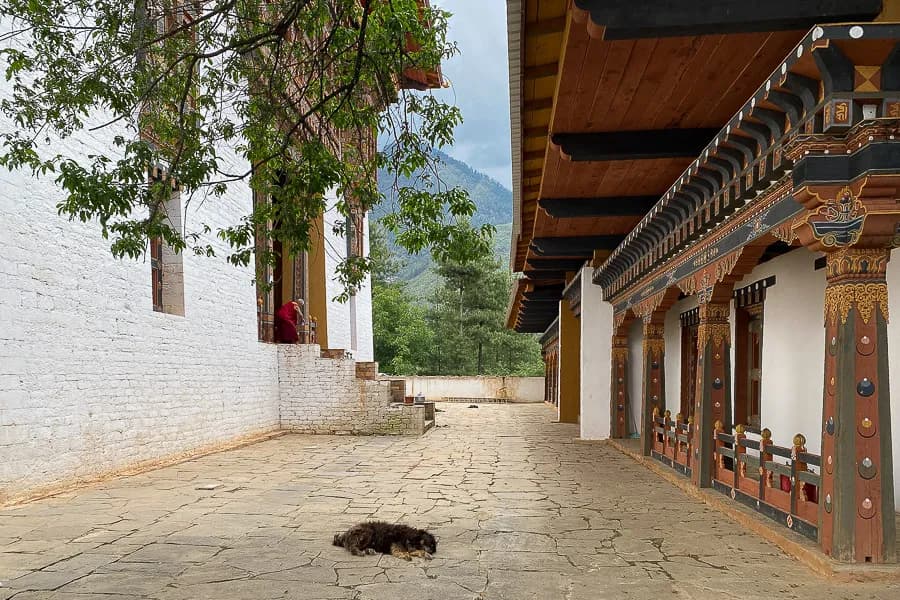
Wangditse Day Hike
The Wangditse Day Hike is one of the most-popular morning hikes around Thimphu — a 2-hour loop from the BBS Tower car-park up to Wangditse Lhakhang (2,650 metres) and back, with substantial views down across Thimphu and across to [[tashichho-dzong|Tashichho Dzong]]. Suitable for almost every visitor: moderate gradient, approximately 4 km round-trip, the principal challenge altitude rather than terrain.
3 days · 3,500 m max · moderate
Bumthang Owl Trek
The Bumthang Owl Trek is the principal accessible multi-day trek of the central Bhutanese valleys — three days from Manchugang in the Choekhor valley over the ridge to the Tang valley, named for the substantial dawn-and-dusk chorus of owls that the surrounding pine forest holds. Maximum altitude 3,500 metres; moderate difficulty; substantial pine-forest character and notable encounter with the Bumthang religious landscape.
3 days · 2,000 m max · easy
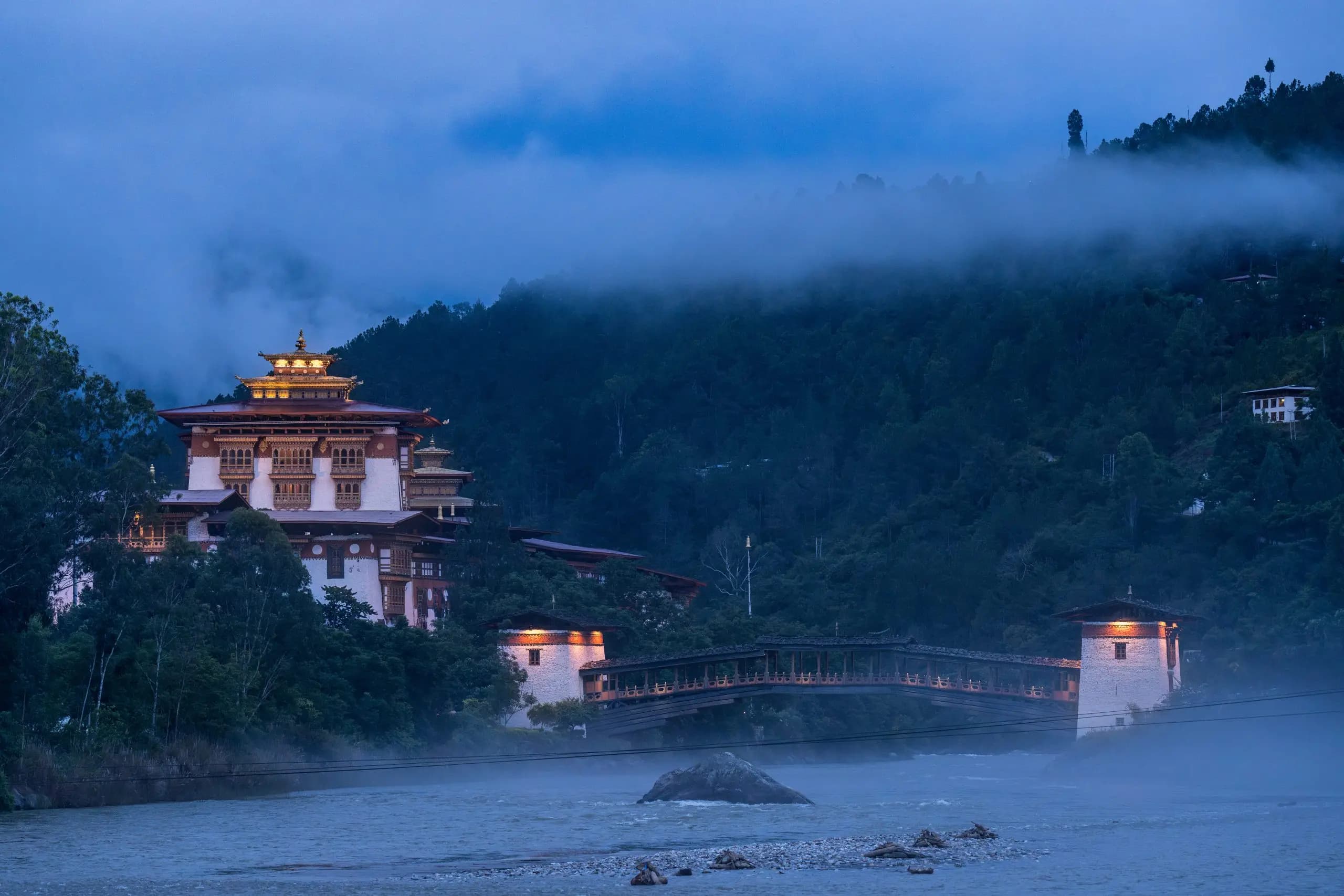
Punakha Winter Trek
The Punakha Winter Trek is the principal Bhutanese trek that operates in the deep winter window when the high-altitude routes are closed. Three days through the warm Punakha valleys at 1,200–2,000 metres — across rice fields, through pine forest, past hermitage temples and prayer-flag ridges — with the photographic register of clear winter days and the comfortable post-trek soak at the Punakha lodges.
4 days · 4,200 m max · moderate
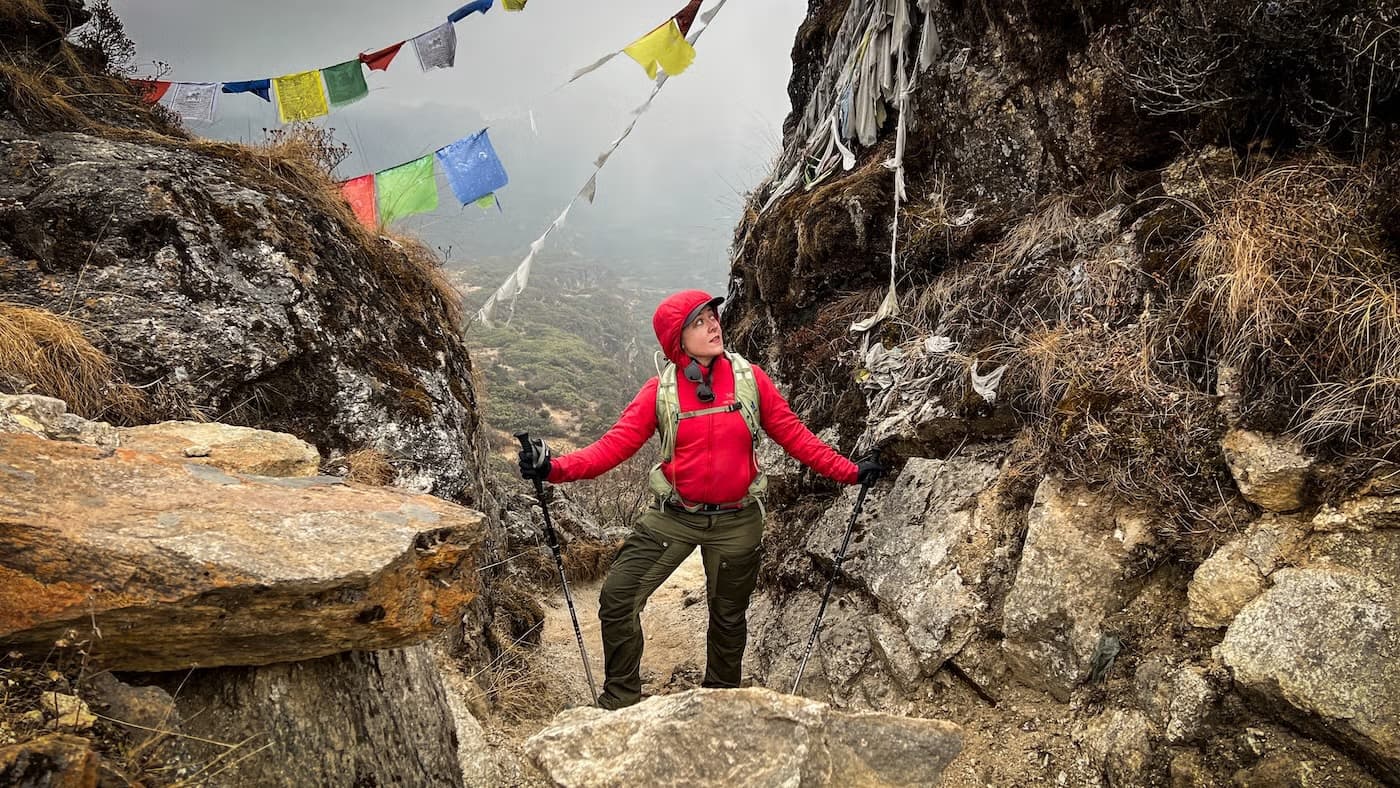
Druk Path Trek
The Druk Path Trek crosses the ridge between Paro and Thimphu in four walking days, passing three high-altitude lakes — Jimilang Tsho, Janey Tsho, and Simkota Tsho — and a substantial expanse of dwarf-rhododendron and juniper alpine meadow. The trek is the principal entry-level multi-day option for visitors who want a substantial Himalayan trekking experience without the demanding altitude or duration of the Chomolhari or Snowman routes.
5 days · 4,520 m max · moderate
Dagala Thousand Lakes Trek
The Dagala Thousand Lakes Trek crosses the high country south of Thimphu in five days — through alpine meadow, past a substantial number of high-altitude lakes (the name is poetic rather than literal; there are perhaps twenty principal lakes), to the high ridge above the Dagala valley with the eastern-Himalayan panorama. Maximum altitude 4,520 metres; moderate-to-strenuous; the principal accessible mountain-views trek of the western Bhutanese trekking landscape.
6 days · 4,900 m max · strenuous
Chomolhari Lingshi Trek
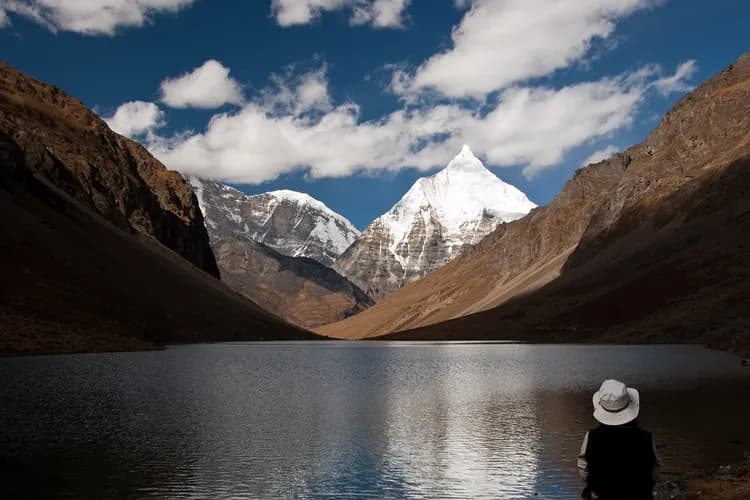
The Chomolhari Lingshi Trek (also called the Chomolhari-Lingshi-Thimphu route) is Bhutan's signature multi-day trek — six days from Shana at the head of the Paro valley (a 1-hour drive from Drukgyel Dzong on the now-motorable road), climbing to the Jangothang base camp directly beneath Chomolhari (7,326 m), continuing north across the high pasture country of Lingshi village, and exiting south over Bonte La to Barshong with vehicle pickup back to Thimphu. The trek pairs accessible difficulty with substantial Himalayan reward.
6 days · 4,150 m max · moderate
Merak-Sakteng Trek
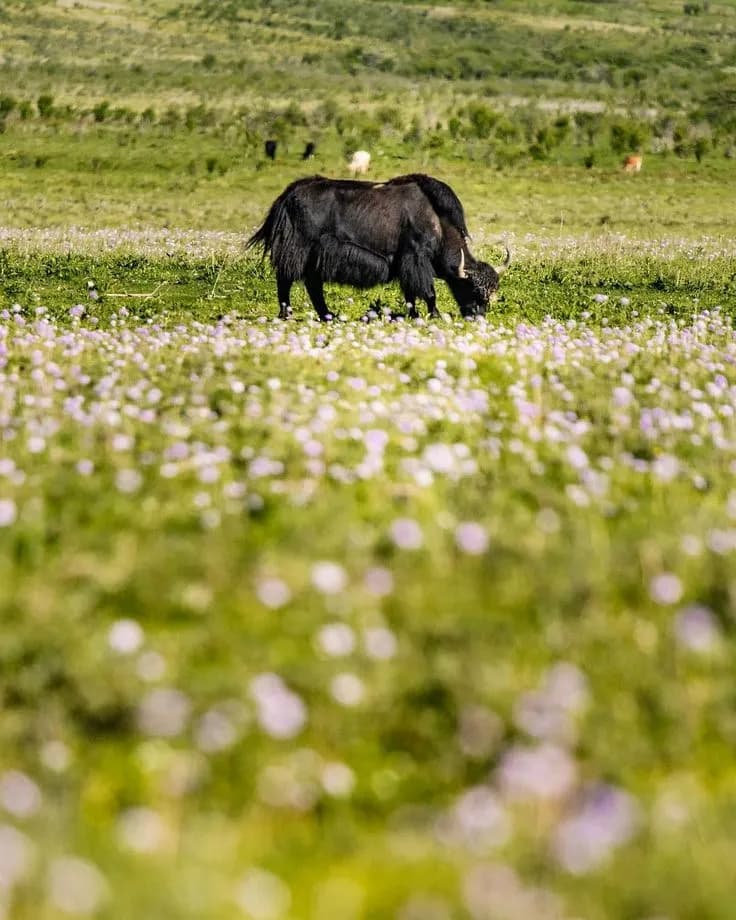
The Merak-Sakteng Trek crosses the Brokpa highland-nomad country of eastern Bhutan in six days — through the Merak and Sakteng valleys of Trashigang dzongkhag, into the Sakteng Wildlife Sanctuary, with the principal cultural-encounter experience of any Bhutanese trek. The route was closed to international visitors until 2010; the Brokpa community continues to live the semi-nomadic yak-herding life that has sustained the eastern Bhutanese highlands for centuries.
7 days · 4,890 m max · strenuous
Chomolhari Yaksa Trek
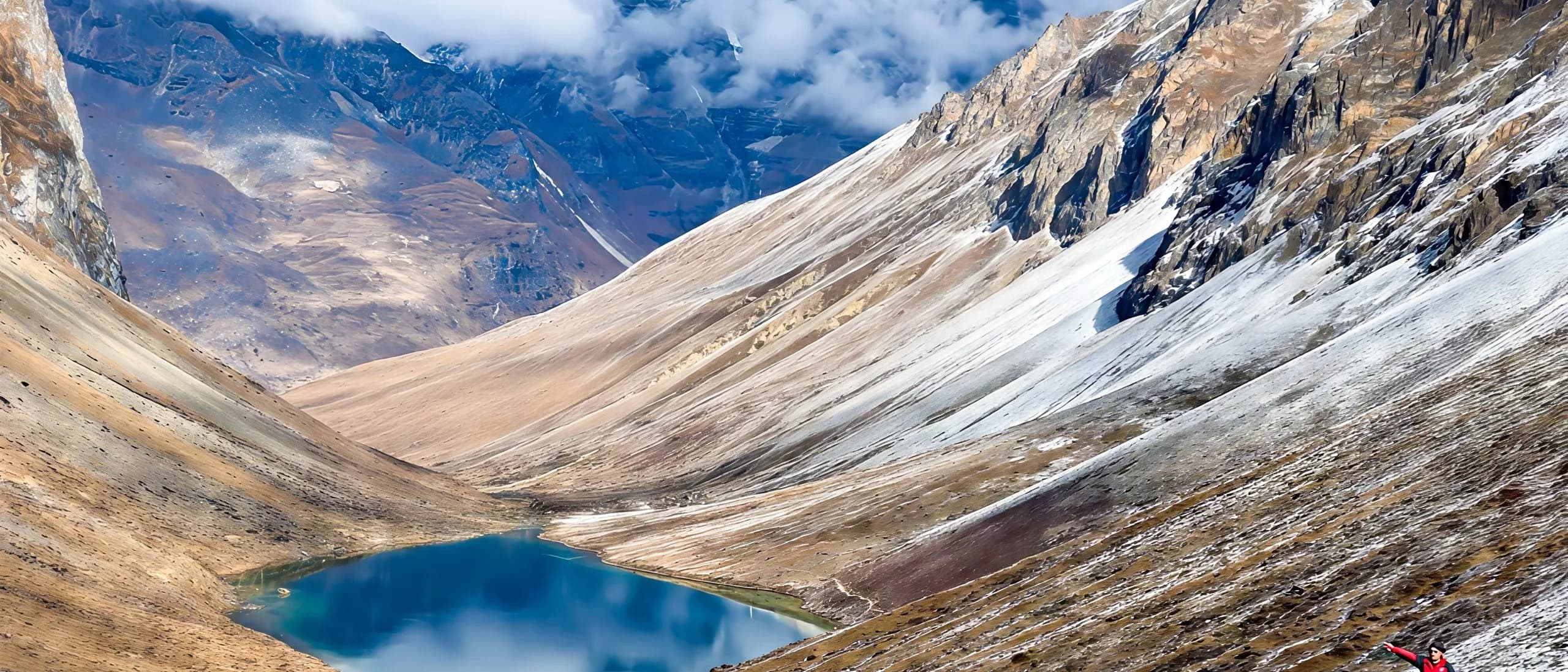
The Chomolhari Yaksa Trek (also known as the Chomolhari Circuit or Jomolhari Loop) is the seven-day circuit variant of the Chomolhari trekking family — Shana to the Jangothang base camp at 4,080 m directly beneath Chomolhari (7,326 m), then a southern loop through Soi Yaksa, Thombu Shong, and Sharna Zampa back to Paro. The full Chomolhari mountain register without the long traverse north to Lingshi or Laya.
13 days · 5,005 m max · strenuous
Laya Lingshi Trek
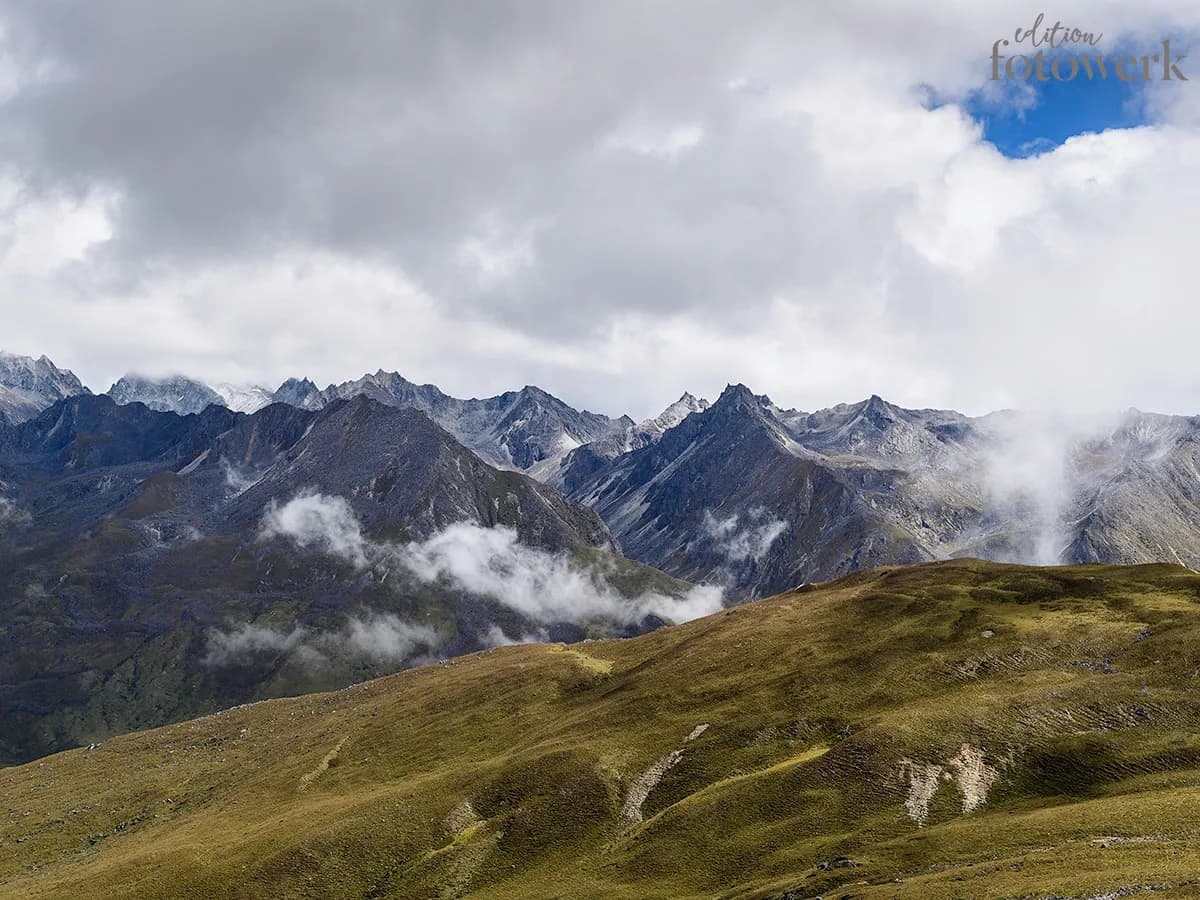
The Laya Lingshi Trek (also known as the Chomolhari-Laya-Gasa Trek) extends the Chomolhari route north through the Lingshi high country into the Layap yak-herding community, and exits via the Gasa hot springs — thirteen trekking days from Shana in the upper Paro valley (a 1-hour drive from Drukgyel Dzong on the now-motorable road) to the Gasa Tsachu hot springs. The principal Chomolhari base-camp views, the high-pasture country of Lingshi, the cultural encounter with the Layap, and the menchu hydrotherapy soak at the trek's natural conclusion.
23 days · 5,320 m max · expedition
Snowman Trek
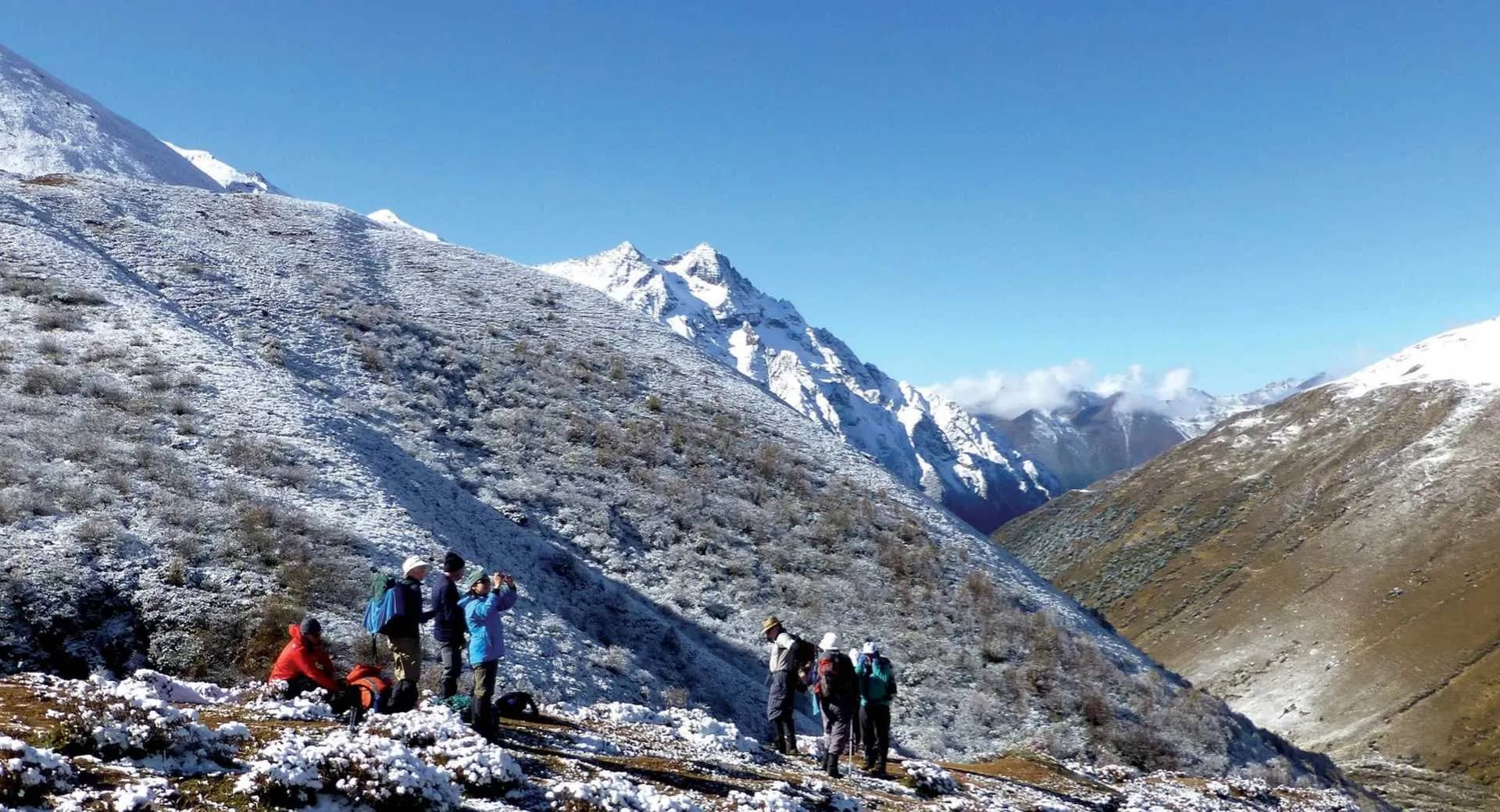
The Snowman Trek crosses the high north of Bhutan from Shana in the upper Paro valley (a 1-hour drive from Drukgyel Dzong on the now-motorable road), over eleven passes above 4,500 metres, through the glacial villages of Lunana, and out at Sephu in the Trongsa dzongkhag. Twenty-three trekking days; max altitude 5,320 metres; approximately 345 km on foot. It is held by experienced mountaineers to be one of the most-demanding treks in the broader Himalayan range, with a completion rate around 60% in any given season.

