The principal day hike of any Bhutanese trip
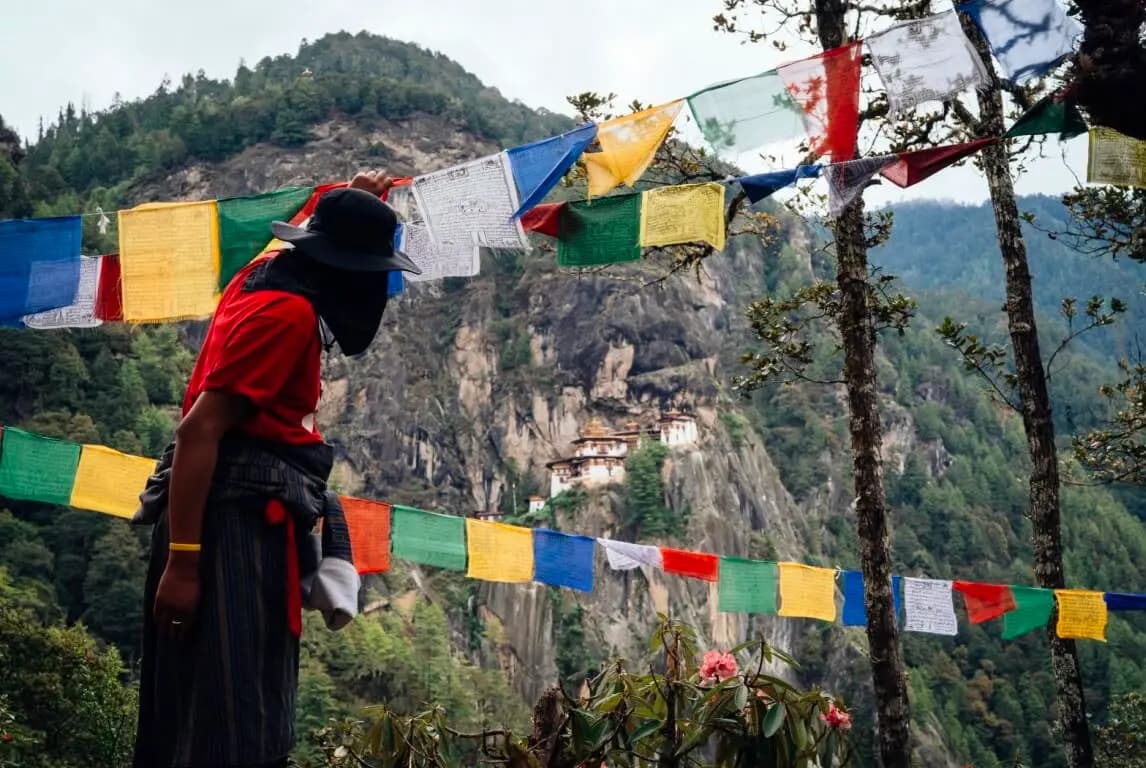
Tiger's Nest Day Hike — three hours up, two hours down, the cliff-face approach to Paro Taktsang.
The Tiger's Nest day hike is the principal walking experience of any Bhutanese journey — a 4-km switchback trail from the Ramthangka trailhead (2,600 m) up to Paro Taktsang (3,120 m), the most-photographed monastery in the Himalaya. Most reasonably-fit visitors complete the round trip in 5–6 hours including time at the monastery and a lunch stop at the mid-route cafeteria.
Also known as Paro Taktsang Hike · Taktsang Lhakhang Hike · Tiger's Lair Hike
- Duration
- 1 day
- Max altitude
- 3,120 m
- Difficulty
- moderate
- Distance
- 8 km
- Region
- Paro
- Trailhead
- Ramthangka trailhead, Paro (2,600 m)
- Trail end
- Ramthangka trailhead (out-and-back)
- Best months
- March · April · May · October · November · December · January
- Walk type
- hike
The trail
The trail begins at the Ramthangka car-park (2,600m), climbs steadily through pine and rhododendron forest on a well-maintained switchback path, reaches the mid-route Taktsang Cafeteria (2,920m) after approximately 90 minutes, continues another 60-90 minutes to the principal viewing platform across the gorge from the monastery, and finally descends and re-ascends the 200 stone steps that bridge the gorge to the monastery itself at 3,120m. Total elevation gain approximately 520 metres over 4 km of trail; the round trip is 5-6 hours including the monastery visit and a lunch stop.
The cafeteria, the platform, and the monastery
The mid-route Taktsang Cafeteria is the principal rest stop — most visitors break here for tea on the ascent or for lunch on the descent. The cafeteria sits at 2,920m on the opposite ridge to the monastery, giving the iconic across-the-gorge photograph of the cliff-face monastery. The principal viewing platform another hour above the cafeteria gives the closer-range photographic register at the same elevation as the monastery. From the platform, the trail descends approximately 50 metres into the gorge and re-ascends 200 stone steps to the monastery entrance. Inside the monastery the principal devotional focus is the original Guru Rinpoche meditation cave (the Drubkhang) — photography prohibited inside, shoes and hats removed, the protocol tradition is reverent.
Fitness, altitude, and the realistic profile
Most reasonably-fit visitors complete the round trip comfortably. The principal difficulty is altitude (3,120m at the monastery on top of having flown in from sea level), not the terrain. We build a minimum two-night Paro acclimatisation profile into every itinerary that includes the hike. Hiking poles are recommended; horses or mules are available for the lower section to the cafeteria (no animals beyond the cafeteria on conservation grounds). The hike is undertaken in any weather; we provide rain shells in spring and summer.
Day by day
- Day 1
Tiger's Nest day hike
3,120 m · 8 km · 6 h walking
Early morning start from the lodge; trailhead 09:00; cafeteria 10:30; viewing platform 12:00; monastery 13:00; back at cafeteria for lunch 14:00; trailhead 16:00. Drive back to lodge.
Before you go
- Best time of day
- Early morning start (08:00-09:00 trailhead). The first two hours of the trail are shaded by the eastern ridge; the morning light on the monastery from the viewing platform is the principal photographic moment. Afternoon visitors face stronger sun on the ascent and reduced photographic quality across the gorge.
- Gear
- Sturdy walking shoes or hiking boots (not trainers — the trail is rocky in places). Layers — the lower trail is warm, the monastery elevation is cool. Hiking poles (rentable at the trailhead). A litre of water; the cafeteria has supplementary water. Sunscreen and a hat. A camera (no flash inside the monastery).
- Horses to the cafeteria
- Horses and mules are available at the trailhead for the lower section to the cafeteria — useful for visitors who find the steep lower trail challenging. Horses are not permitted beyond the cafeteria on conservation grounds; the upper section (cafeteria to monastery and back) requires walking. The descent is always on foot.
- Dress and protocol
- Long trousers or skirts below the knee; shoulders covered. Hats and shoes removed inside the monastery. Photography prohibited inside the lhakhang (the courtyard and exterior are photographically open). The monastery is an active religious institution; the protocol tradition is reverent.
Monuments on the route
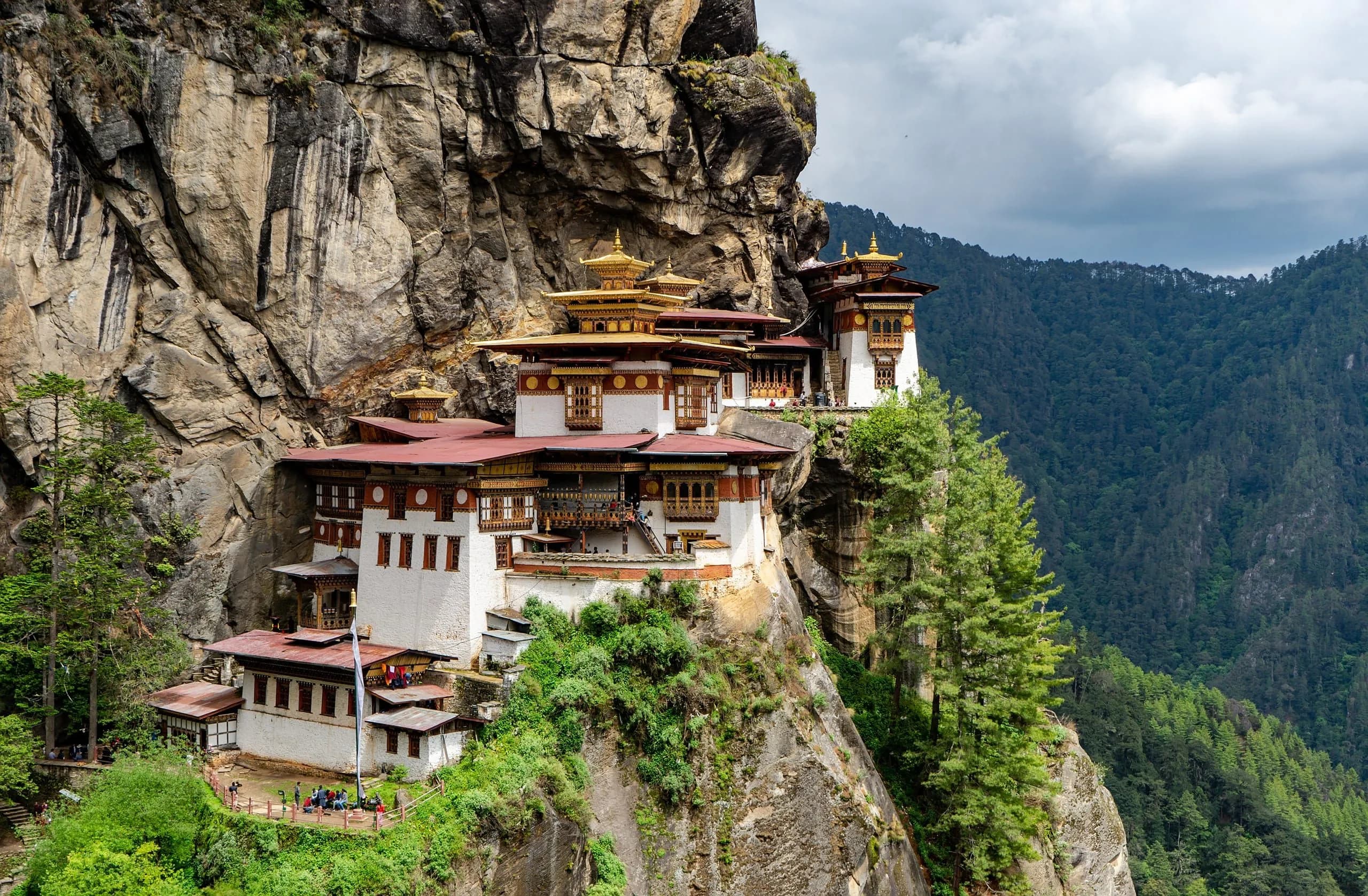 MonumentParo Taktsang — Guru Rinpoche's meditation cave, perched at 3,120 metres on the cliff above the Paro valley.Paro Taktsang (Tiger's Nest) — the founding by Guru Rinpoche, the 1692 monastery, the 2-hour hike, what to know before you visit.
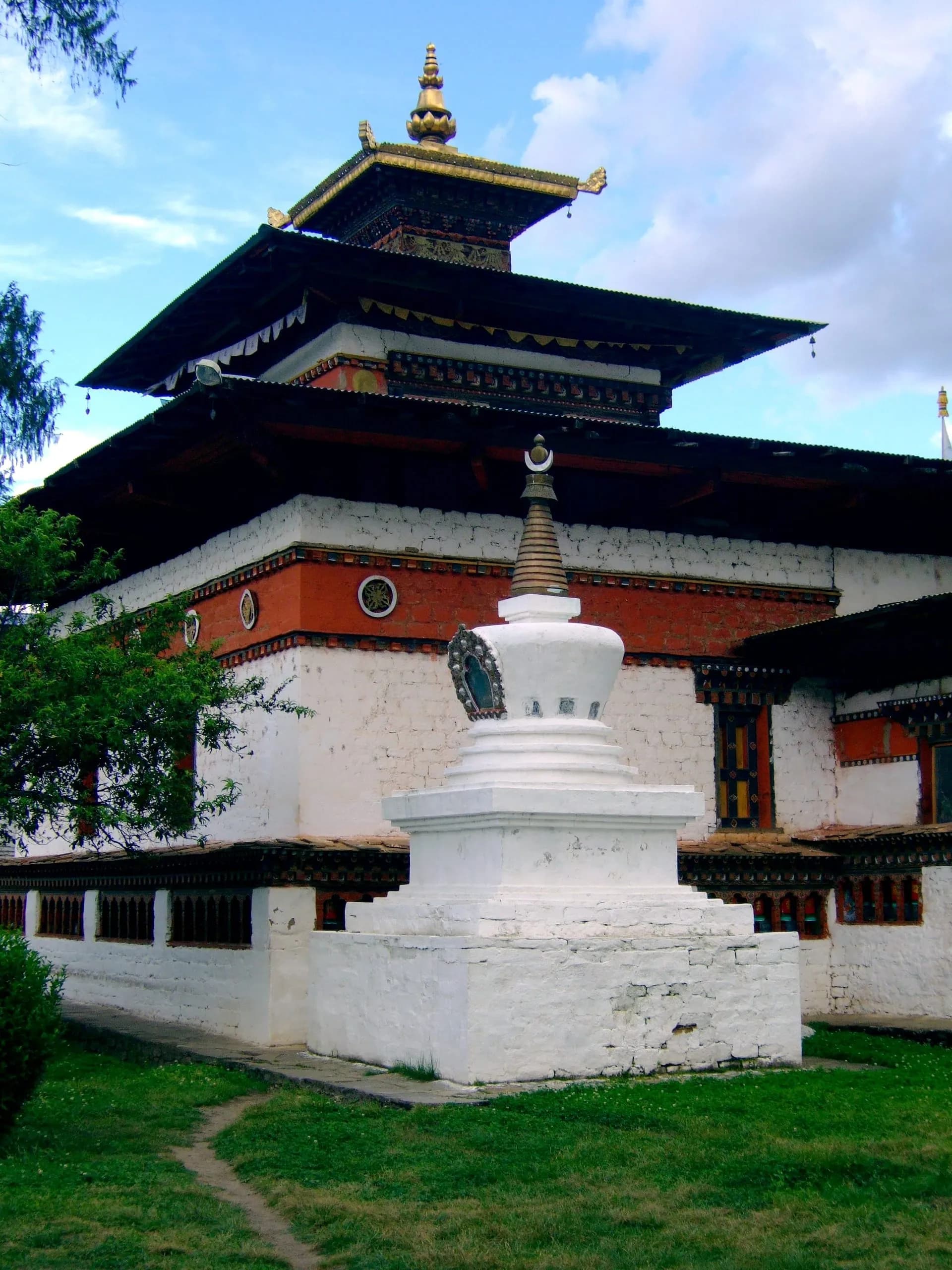 MonumentKyichu Lhakhang — founded by Songtsen Gampo in 659 CE, the oldest temple in Bhutan.Kyichu Lhakhang — the 7th-century temple of Paro, one of 108 Songtsen Gampo founded across the Himalaya. History, visiting.
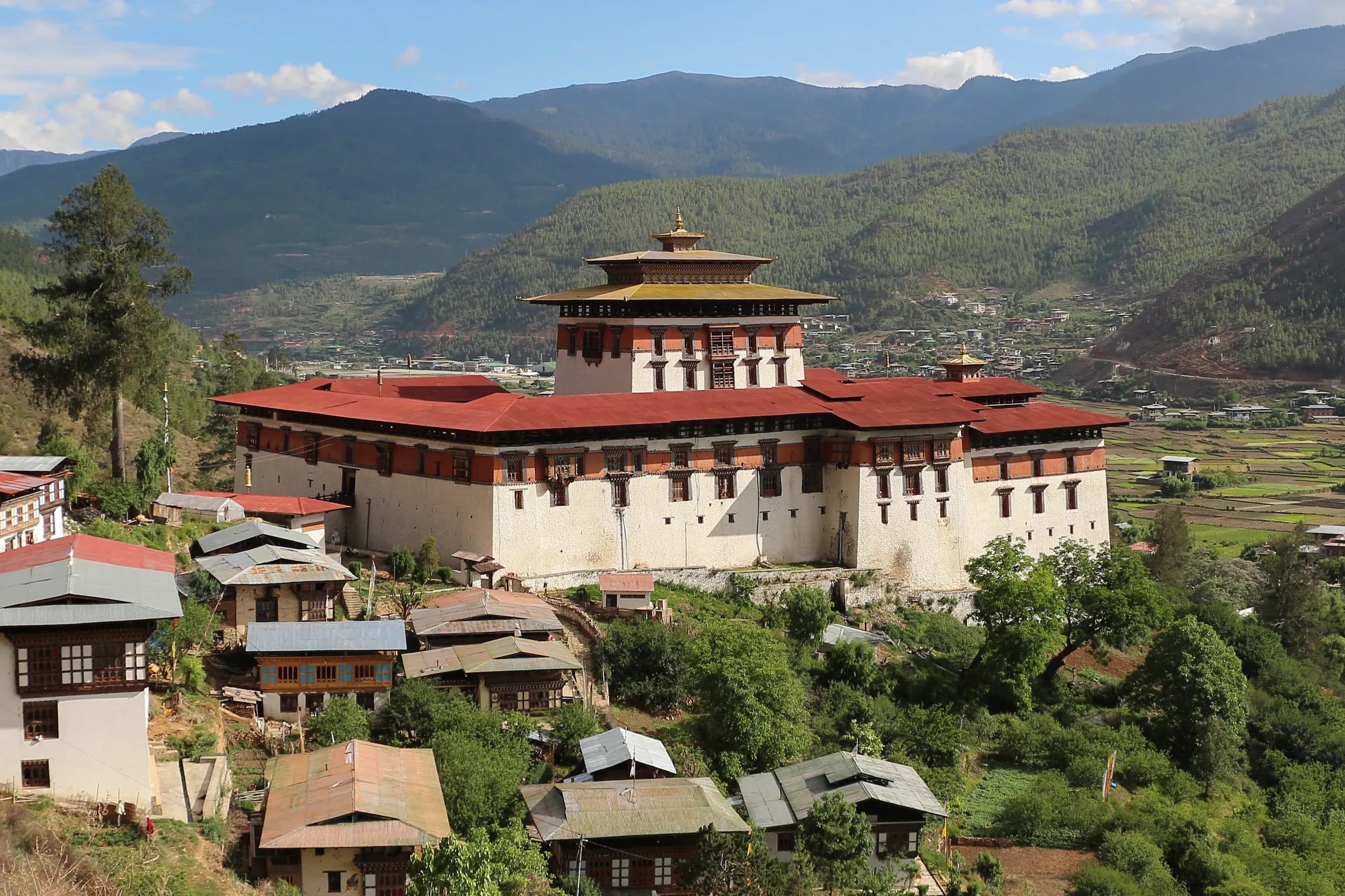 MonumentRinpung Dzong — 'the fortress on a heap of jewels,' the architectural masterpiece of the Paro valley.Rinpung Dzong (Paro Dzong) — the heap of jewels, founded 1644. History, architecture, visiting, the Paro Tshechu venue.
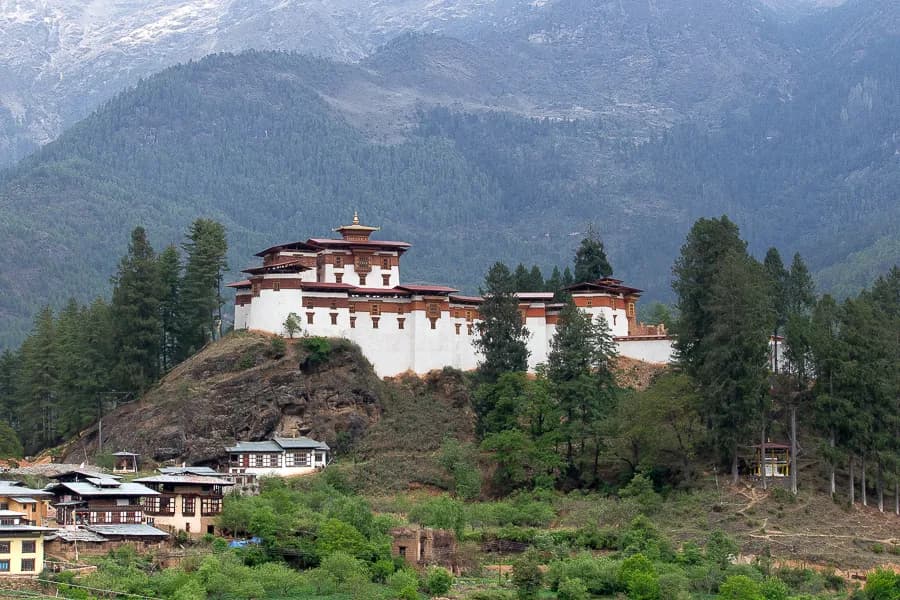 MonumentDrukgyel Dzong — the 1649 victory fortress, ruined by fire in 1951, under restoration since 2016.Drukgyel Dzong — the 1649 Bhutanese victory fortress, ruined by fire 1951, under restoration. The Chomolhari panorama and visiting.
Festivals nearby
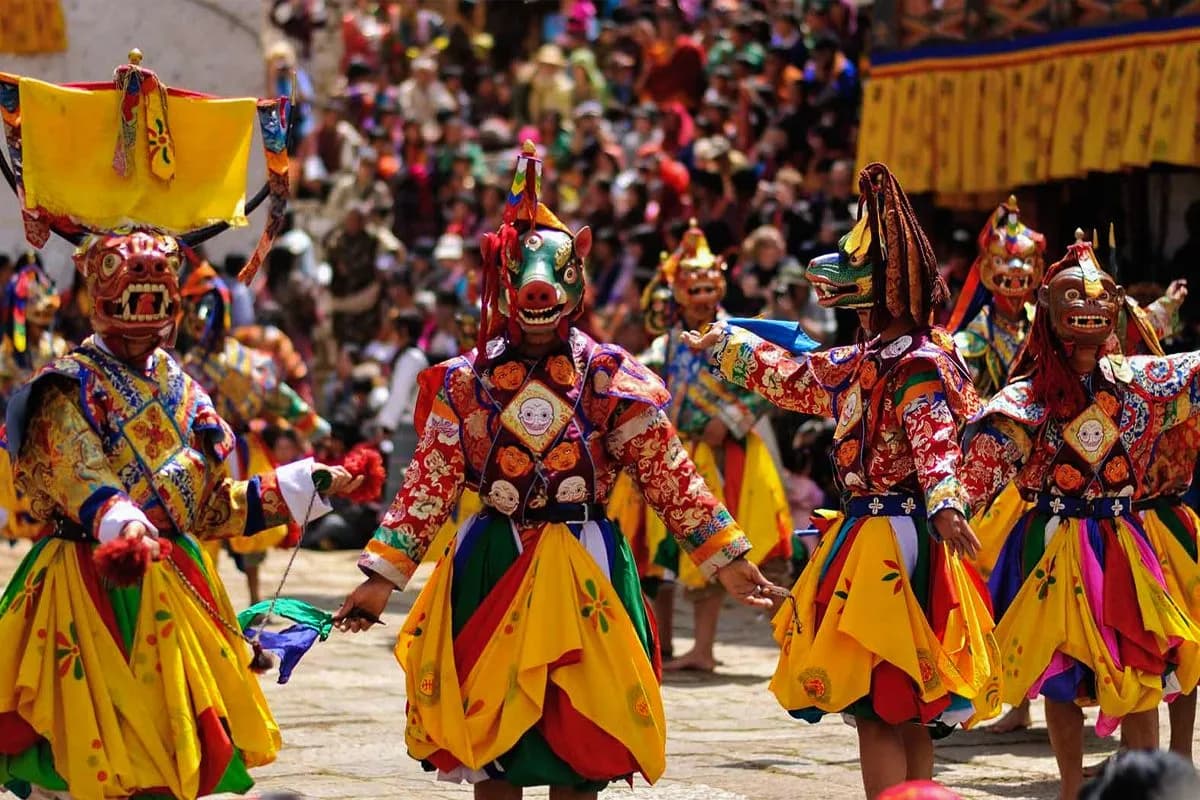
Journeys around this hike
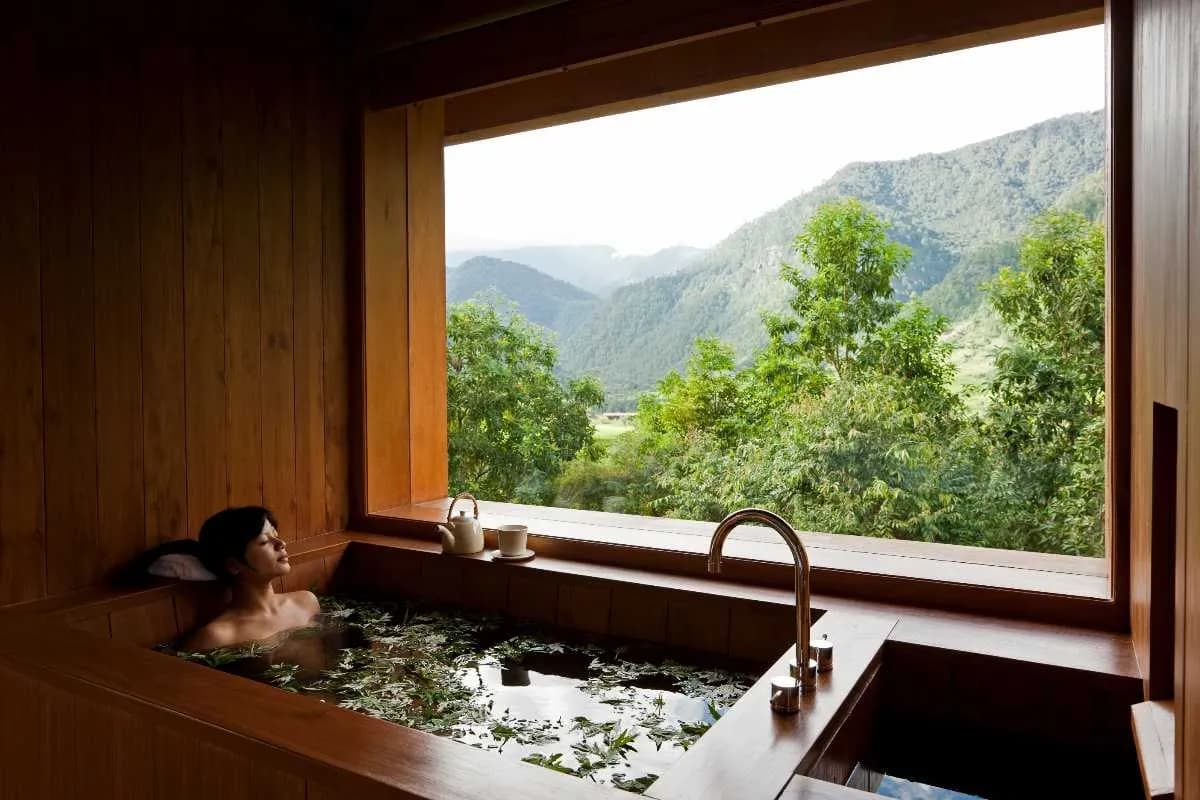 JourneySeven nights in Bhutan, on your terms.A private seven-night Bhutan honeymoon for couples flying from Singapore. Bhutanese lodges, a matched guide, transparent all-inclusive pricing.
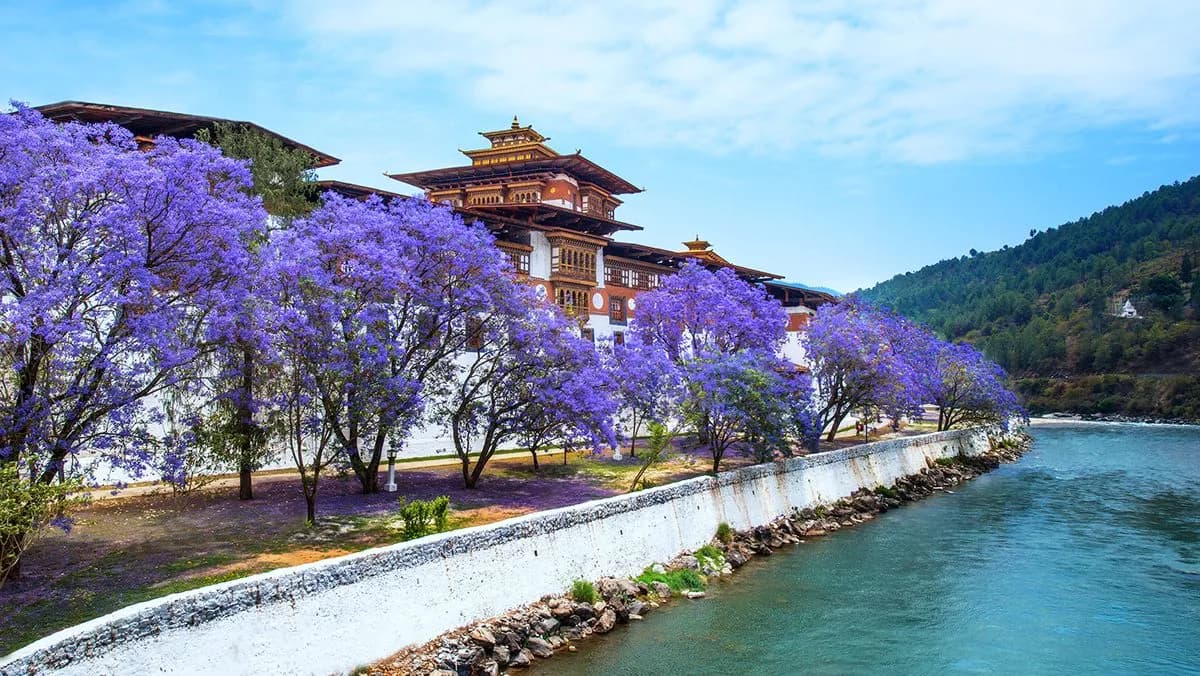 JourneyCherry blossoms over the Pa Chhu — April in Bhutan.A seven-night Bhutan journey in April — cherry blossom and rhododendron on Bhutan, Paro Tshechu if dates align, transparent pricing.
- JourneyNine nights for the photographer's spring — cherry blossom, rhododendron, the Paro thongdrel at dawn.A nine-night Bhutan photography journey in the spring window — cherry blossom, rhododendron, the Paro Tshechu thongdrel unfurling at dawn at Rinpung Dzong.
Journeys that visit Tiger's Nest Day Hike
Frequently asked
- How fit do I need to be?
- Reasonably fit. The trail is moderate gradient on well-maintained switchback path; most visitors complete the round trip in 5-6 hours. The principal challenge is altitude (3,120m at the monastery) on top of having flown in from sea level. We build a minimum 2-night Paro acclimatisation profile before the hike.
- Can I ride a horse?
- Horses and mules are available at the trailhead for the lower section to the mid-route cafeteria. The upper section (cafeteria to monastery, approximately 90 minutes uphill) requires walking — no animals are permitted beyond the cafeteria on conservation grounds. The descent is always on foot.
- Is it possible to see Tiger's Nest without doing the full hike?
- The monastery is visible from multiple points across the Paro valley below — the Kyichu Lhakhang viewpoint and the road up to Drukgyel Dzong give the principal lower-valley views. For visitors who cannot hike, your guide will brief you on the best valley-floor vantage points. However the hike itself is the principal experience; we recommend it for any visitor in reasonable health.
- What's the weather like on the hike?
- Variable. October-April is the principal hiking season — clear, cool, generally dry. May catches the spring window with substantial rhododendron bloom on the lower trail. June-September is monsoon (rain probable, trail can be muddy). The monastery itself is open year-round; only severe weather closes the upper trail.
- Should I plan the hike for early or late in the trip?
- Late. Most itineraries end with the Tiger's Nest hike, after the visitor has had several days at altitude to acclimatise. Starting the trip with the hike — before acclimatisation — is the principal source of altitude-related discomfort and slower-than-expected hiking times.

