A Bhutanese contemporary cultural figure
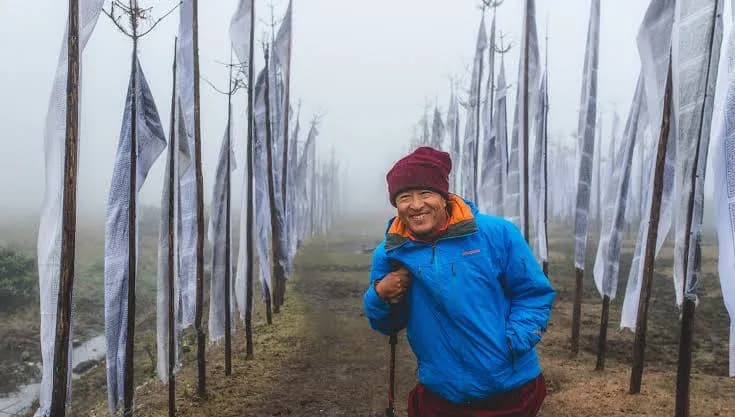
Dzongsar Jamyang Khyentse Rinpoche — the contemporary Bhutanese lama, filmmaker, and author.
Dzongsar Jamyang Khyentse Rinpoche (also known as Khyentse Norbu) is one of the more-distinctive contemporary Bhutanese cultural figures — a senior Vajrayana-Buddhist lama in the Nyingma and Sakya traditions, an internationally-acclaimed filmmaker (director of The Cup, Travellers and Magicians, and other films), the author of Buddhist works for the contemporary international audience (What Makes You Not a Buddhist among others), and the founder of multiple Bhutanese cultural-and-religious institutions. Born in 1961, he is a bridge figure between the traditional Bhutanese religious register and the contemporary international cultural register.
Also known as Khyentse Norbu · Dzongsar Khyentse Rinpoche · DJKR
Born 1961
- Full name
- Dzongsar Jamyang Khyentse Rinpoche
- Honorific
- Rinpoche
- Affiliation
- Nyingma / Sakya / Khyentse lineage
- Register
- contemporary cultural
His life and religious training
Dzongsar Jamyang Khyentse Rinpoche was born in 1961 in Bhutan, the eldest son of the Nyingma lama Thinley Norbu Rinpoche and the grandson of His Holiness Dudjom Rinpoche (one of the principal Nyingma masters of the 20th century). He was recognised in his early years as the principal incarnation of the real 19th-century Nyingma master Jamyang Khyentse Wangpo — one of the most-significant tulku recognitions of the contemporary Bhutanese-Tibetan tradition. His religious training included meaningful study at the principal monastic establishments of the Nyingma, Sakya, and Kagyu traditions across Bhutan, India, and Nepal; he holds the principal religious authority within the contemporary Khyentse lineage and presides over multiple major monasteries and dharma centres internationally.
The filmmaker
Rinpoche's filmmaking career is one of the principal contemporary Bhutanese international cultural achievements. The Cup (1999) — his debut feature, the story of young Tibetan-Bhutanese monks attempting to watch the 1998 FIFA World Cup final at their serious monastery; international acclaim including Cannes selection, the principal entry-point of contemporary Bhutanese cinema to the international audience. Travellers and Magicians (2003) — his second feature, the principal contemporary Bhutanese film, shot entirely in Bhutan with Bhutanese cast and locations; the cultural-and-philosophical narrative is one of the more-distinctive contemporary Asian films. Vara: A Blessing (2013) — the Indian-classical-dance feature, the South Asian cultural. Hema Hema: Sing Me a Song While I Wait (2016) — the contemporary-Bhutanese psychological-philosophical feature. Rinpoche's filmmaking sits at the intersection of Vajrayana-Buddhist content and contemporary international cinema; the films are widely regarded as one of the more-significant contemporary international religious-cinema bodies of work.
The institutional tradition
Rinpoche is the founder and patron of multiple Bhutanese cultural-and-religious institutions: the considerable 84000 translation project — the principal contemporary Tibetan-Buddhist canonical translation initiative, translating the Kangyur and Tengyur into significant English over the multi-decade project. The Khyentse Foundation — the international Buddhist education and translation foundation, principal contributions to Buddhist scholarly and educational establishments across the world. Bhutanese monastic establishments — including notable monasteries and shedras (monastic colleges) in Bhutan and the broader region. The contemporary cultural scene — Rinpoche is one of the more-notable contemporary public-intellectual presences from Bhutan, with engagement on the principal contemporary religious-cultural questions internationally.
Others in this story
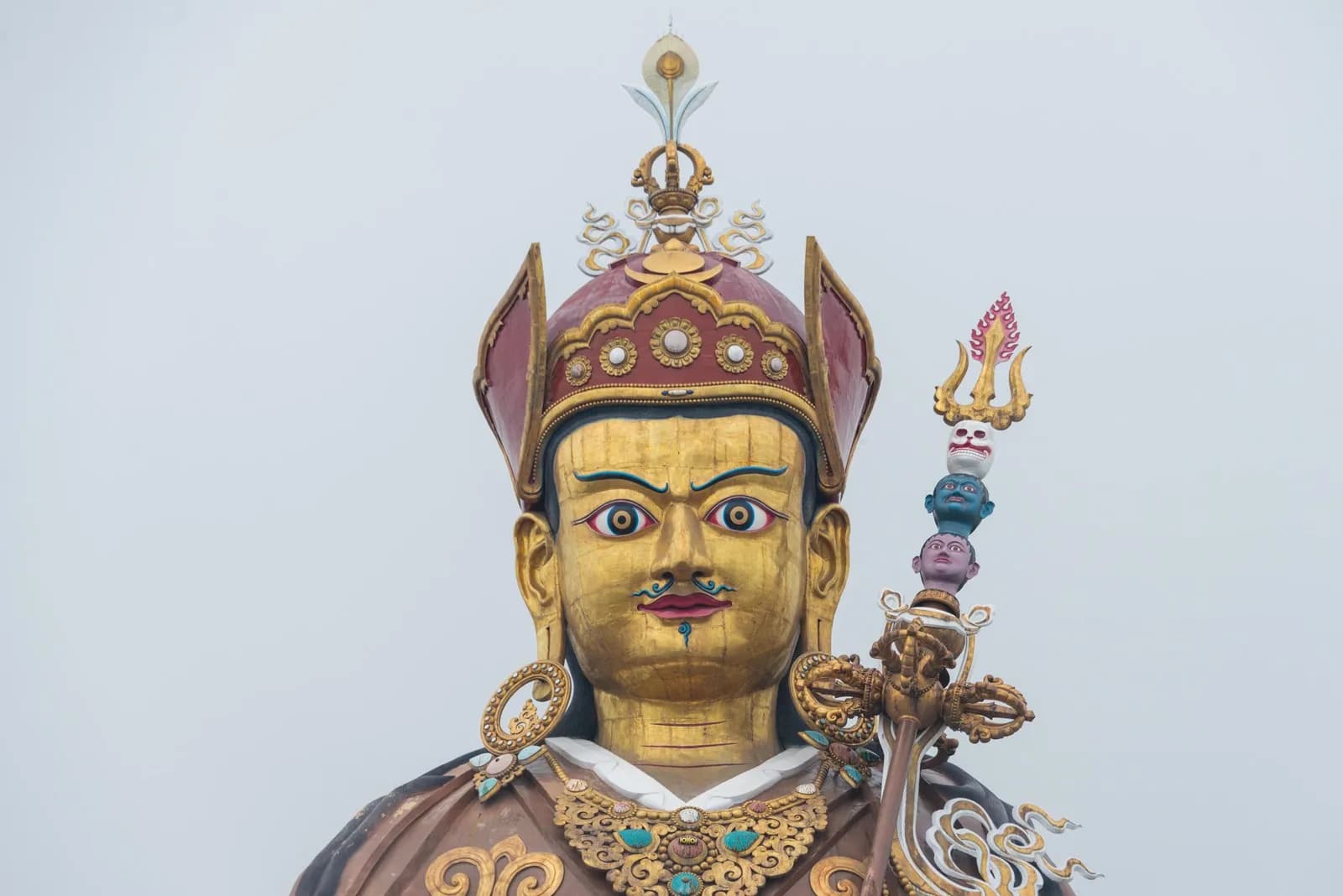 PersonGuru Rinpoche — Padmasambhava, the 8th-century Vajrayana master, the second Buddha of Bhutan.Guru Rinpoche — Padmasambhava, the 8th-century Vajrayana master, the principal religious figure of Bhutan. The eight manifestations, the principal sacred sites.
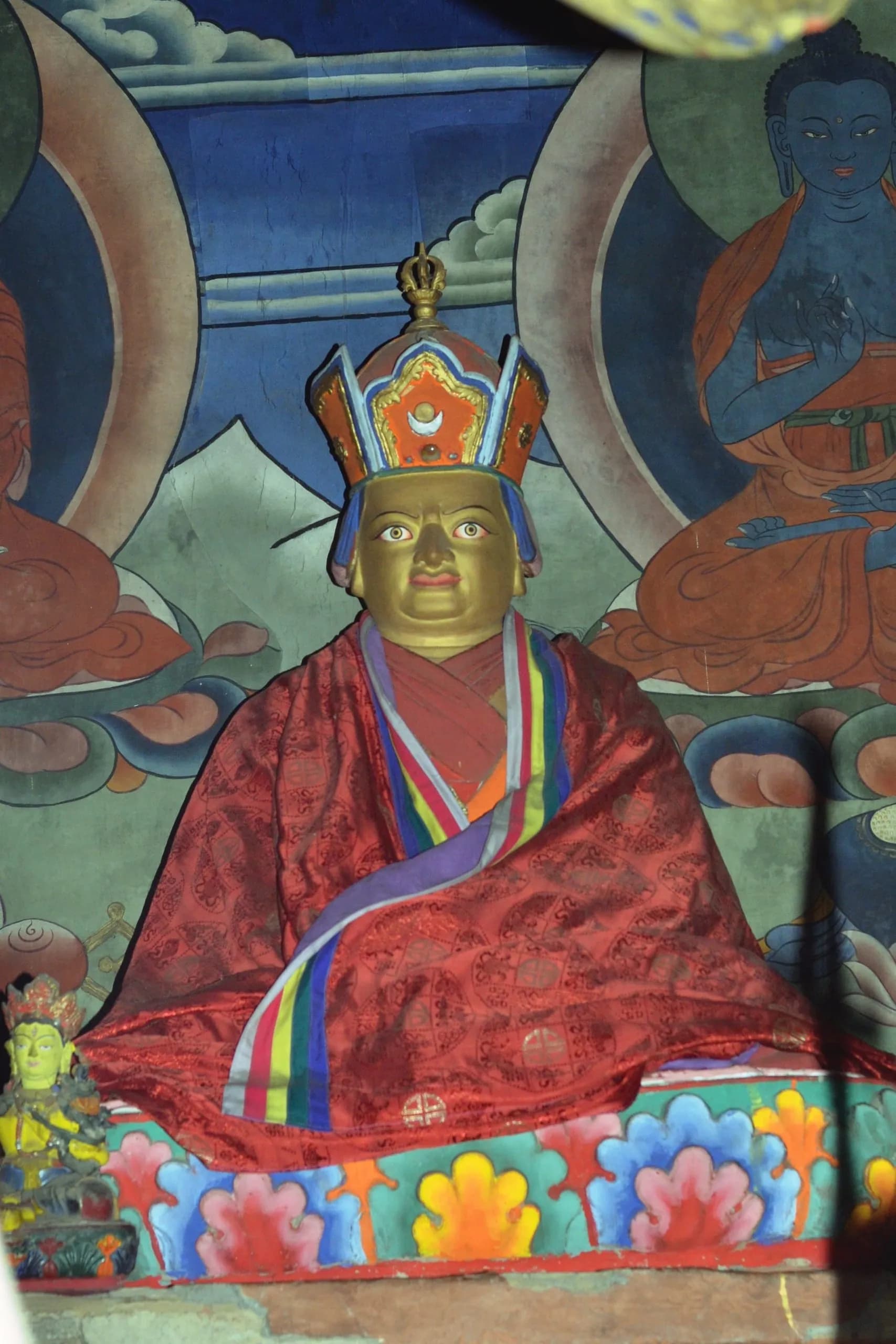 PersonPema Lingpa (1450-1521) — the great Bhutanese treasure-revealer, the principal terton of Bumthang.Pema Lingpa (1450-1521) — the great Bhutanese terton (treasure-revealer) in the Nyingma tradition. The Mebar Tsho miracle, Tamshing Lhakhang, the three reincarnation lines.
Journeys that touch this
 JourneyThe signature-tier Bhutan journey — private knowledgeable guide, the most considered lodge curation, helicopter or charter between valleys, exclusive-use arrangements where the season allows.The signature-tier Bhutan journey. Private knowledgeable guide, the most considered lodges, helicopter or PC-24 charter, exclusive-use arrangements. By invitation, from USD 14,000.
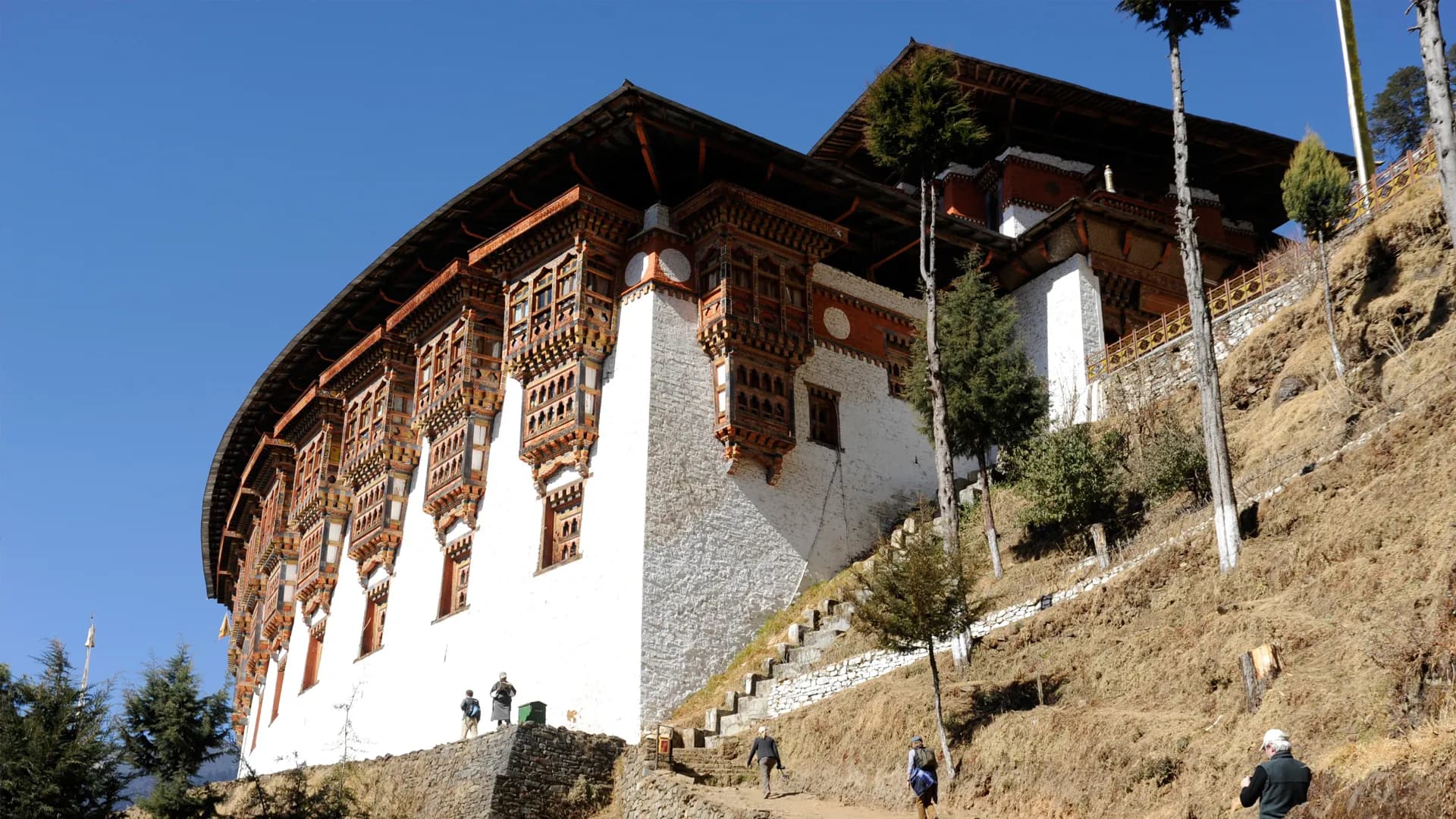 JourneyTen nights for the Buddhist pilgrim — the principal sites, with monastic context.A ten-night Bhutan Buddhist pilgrimage for Asian-Buddhist travellers. Monastic context; matched monastic-trained guide; Bumthang religious circuit.
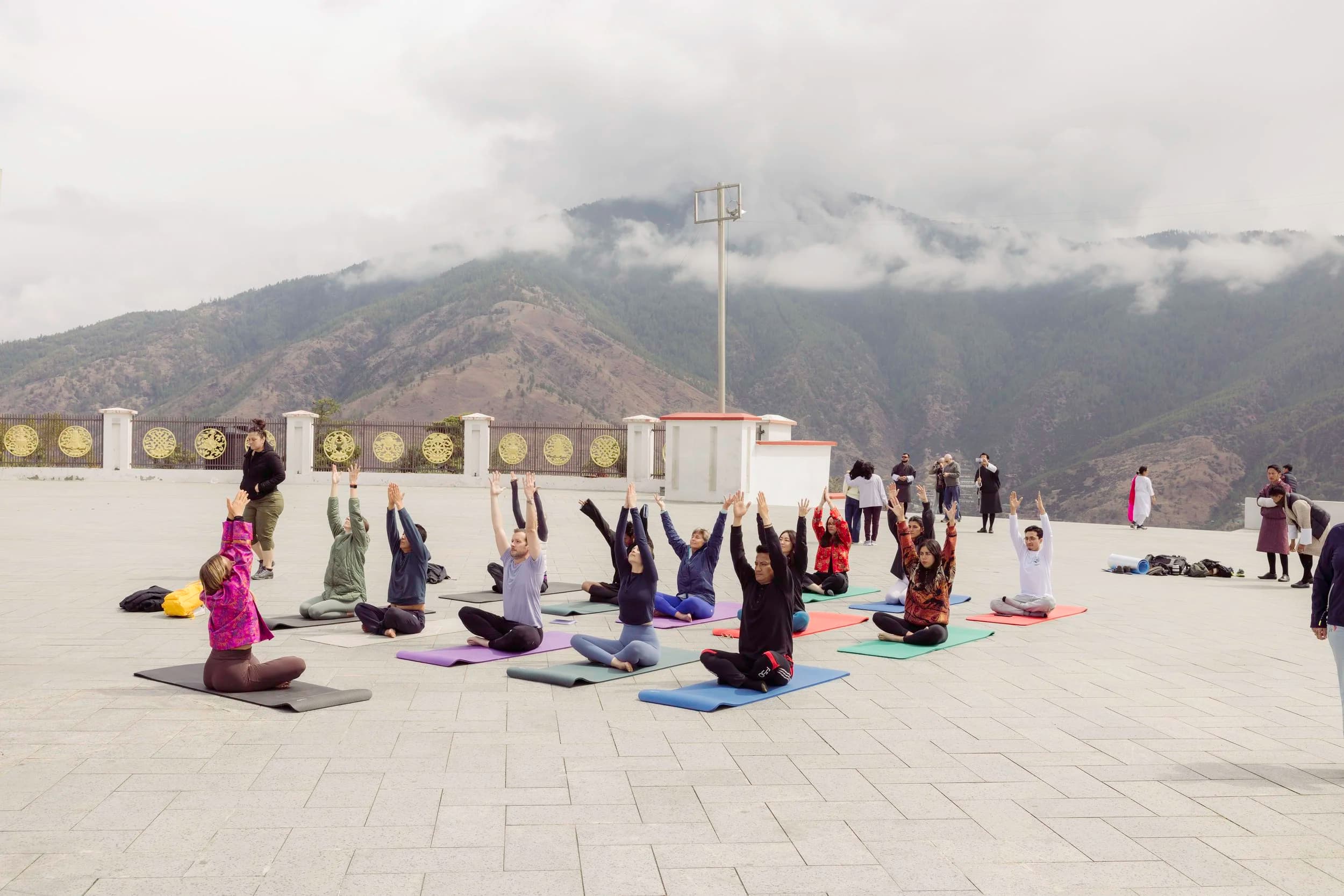 JourneySeven nights with a monastic guide, in the still season.A seven-night Bhutan meditation retreat through Clear-Sky Bhutan (Dec–Feb). Daily sittings with a monastic-trained guide, hot stone baths, no festival noise.
Frequently asked
- Can I watch Rinpoche's films?
- Yes — The Cup and Travellers and Magicians are widely available internationally on the principal streaming platforms and home-video registers. Travellers and Magicians in particular is the principal contemporary Bhutanese film and is widely regarded as essential viewing for visitors with serious cultural interest. The matched guide briefs visitors on the pre-trip viewing register where relevant.
- Can I attend a Rinpoche teaching while in Bhutan?
- Possible but rare. Rinpoche's substantial international teaching schedule means he is most often outside Bhutan; Bhutanese teaching events do occur but are not regularly scheduled for the international-visitor calendar. The matched guide knows the public teaching schedule and briefs visitors where relevant.
- What is the Khyentse lineage?
- The Khyentse lineage is one of the principal contemporary Tibetan-Buddhist transmission lineages, originating with the substantial 19th-century master Jamyang Khyentse Wangpo. The substantial contemporary Khyentse incarnations include Dzongsar Jamyang Khyentse Rinpoche (the principal Sakya-Nyingma incarnation), Dilgo Khyentse Rinpoche (the substantial 20th-century Nyingma master, now deceased), and others. The lineage operates across the international Tibetan-Buddhist register with presence in Bhutan, India, Nepal, and worldwide.

