A Bhutanese dzongkhag
Samdrup Jongkhar — the south-eastern dzongkhag, the Bhutan-India border crossing for eastern Bhutan.
Samdrup Jongkhar is Bhutan's south-eastern dzongkhag — the principal eastern Bhutan-India border-crossing point at Samdrup Jongkhar town, opposite Darranga (Assam, India) on the lowland border. The dzongkhag is the eastern counterpart to Phuentsholing in the south-west (the principal western border crossing); the eastern road from Samdrup Jongkhar north to the principal eastern Bhutanese dzongkhags (Trashigang, Mongar, Bumthang) is the principal alternative routing for visitors with eastern-Bhutan focus. The dzongkhag itself is principally a transit-and-commerce anchor rather than a visitor destination.
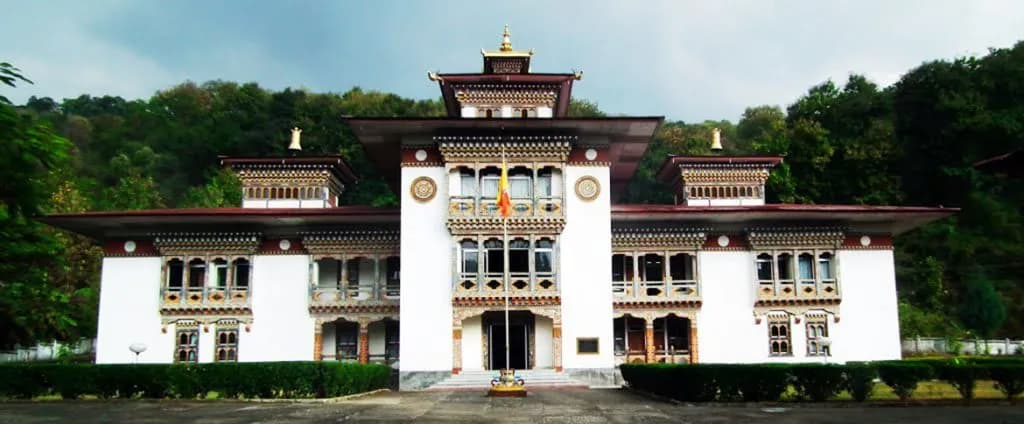
- District
- Samdrup Jongkhar
- Altitude
- 220 m
- Kind
- dzongkhag
- Coordinates
- 26.801, 91.505
- Also known as
- Samdrup Jongkhar Dzongkhag
The Bhutan-India border crossing
Samdrup Jongkhar town sits at the southern-Bhutanese subtropical lowlands at approximately 220m elevation, on the principal Bhutan-India border opposite Darranga (Assam, India). The substantial Samdrup Jongkhar-Darranga crossing is the principal eastern Bhutan-India border-crossing point — operating in the similar to Phuentsholing-Jaigaon in the south-west (the principal western crossing). Indian-passport-holders can cross at Samdrup Jongkhar with standard border-crossing procedures; non-Indian-passport international visitors cannot use the Samdrup Jongkhar crossing (the principal land borders are restricted to Indian-passport-holders, as elsewhere). The border crossing operates within the broader Bhutan-India bilateral framework — see Bhutan-India relations.
The eastern-Bhutan road route
The substantial Samdrup Jongkhar-Trashigang road is the principal alternative routing for visitors with eastern-Bhutan focus. The road climbs from the lowland border (220m) up through the eastern Bhutanese hills to Trashigang town (1,100m) — approximately 5-6 hours' drive. For Indian-passport-holders entering Bhutan at Samdrup Jongkhar, the direct eastern routing to the principal eastern dzongkhags (Trashigang, Mongar, Lhuentse, Trashiyangtse, Bumthang) is the alternative to the cross-country drive from Phuentsholing through the western and central dzongkhags. For non-Indian-passport international visitors, the eastern routing requires the domestic-flight tradition (Paro to Yongphula) since the land border is not viable — see the Mongar entry for the eastern access framework.
What a visitor encounters
Samdrup Jongkhar itself is principally a transit-and-commerce town rather than a cultural destination. The substantial subtropical-lowland setting is distinct from the high-Himalayan terrain that international visitors typically encounter elsewhere in Bhutan; the vegetation, climate, and architectural tradition are southern-Bhutanese rather than the principal western-Bhutanese. Cultural visits — substantial limited; the principal cultural-and-monumental Bhutanese tradition operates principally in the western and eastern circuits rather than at Samdrup Jongkhar. Practical use — the transit-and-border-crossing function for Indian-passport-holders, the regional commerce anchor for the principal south-eastern Bhutanese. The matched guide briefs visitors on the principal practical use where the trip routing passes through Samdrup Jongkhar.
Visiting
- Access — the southern border
- Samdrup Jongkhar is accessed by road from the Indian side (Darranga, Assam) at the principal border crossing, or from the Bhutanese side via the Samdrup Jongkhar-Trashigang road from the north. For non-Indian-passport international visitors, the border crossing is not viable; international visitors fly into Paro on the principal international flights.
- Where to stay
- Standard government-rated hotels in Samdrup Jongkhar town. No premium-tier lodgings as of 2026. Most visitors do not overnight at Samdrup Jongkhar unless the border-crossing tradition requires it.
- Best window
- October-March for the principal lowland weather. The subtropical climate makes the June-September monsoon period wet at the lowland elevations; the winter-and-spring registers (October-March) are the more workable visiting windows.
Where to go next
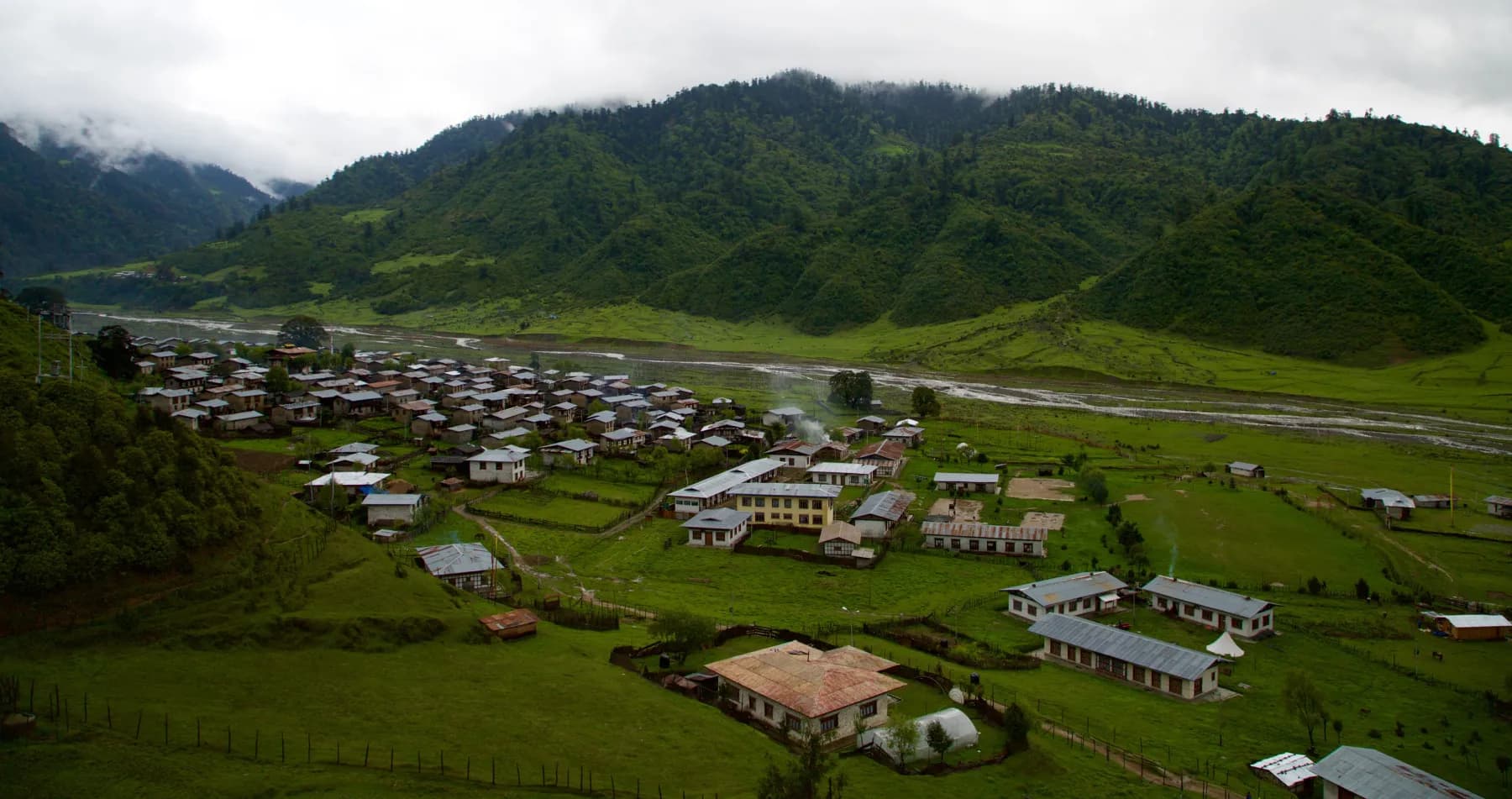 PlaceTrashigang — the easternmost Bhutanese dzongkhag, the gateway to Sakteng, the eastern cultural anchor.Trashigang — the easternmost Bhutanese dzongkhag. Trashigang Dzong above the Drangme Chhu confluence. Gateway to Sakteng. The eastern cultural anchor.
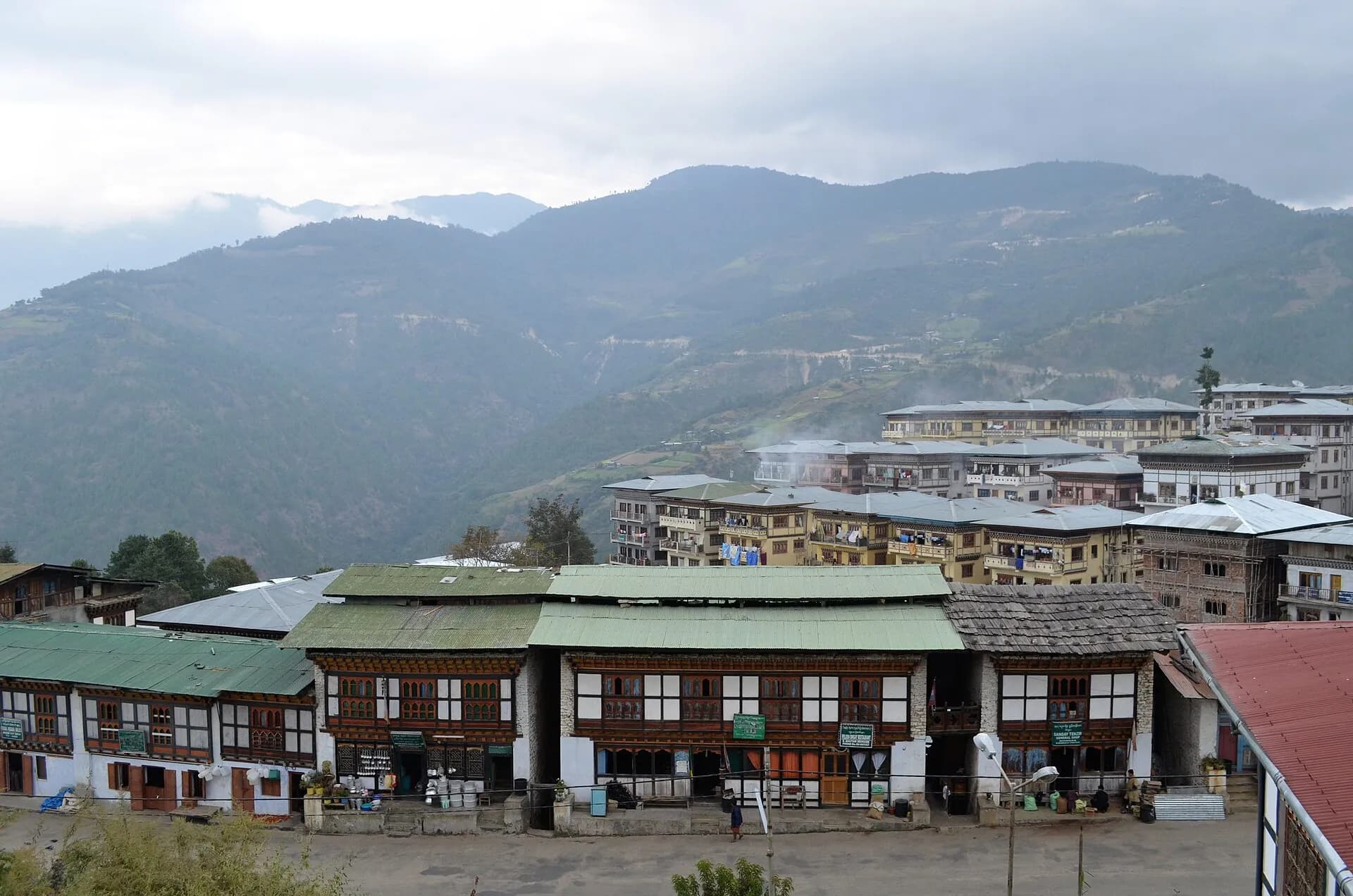 PlaceMongar — the eastern circuit anchor, the gateway to Lhuentse and Trashigang, the Yongkola birding corridor.Mongar — the eastern circuit anchor. Gateway to Lhuentse, Trashigang, Trashiyangtse, Royal Manas. The Yongkola birding corridor. Mongar Dzong (1930).
Journeys through here
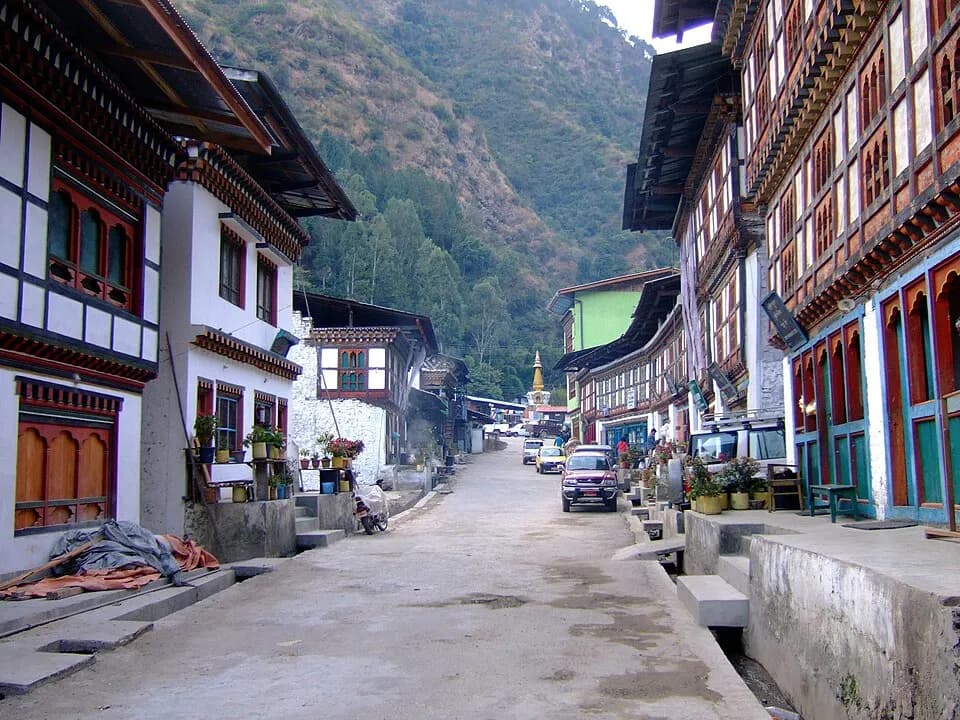
Journeys that visit Samdrup Jongkhar
Frequently asked
- Should international visitors plan time in Samdrup Jongkhar?
- Typically no. The dzongkhag operates principally as a transit-and-border-crossing anchor; the cultural-and-monumental context is more limited than the principal western and eastern Bhutanese circuits. For non-Indian-passport international visitors, the land border is not viable (international visitors fly into Paro); the Samdrup Jongkhar visit is essentially not part of the typical international-visitor itinerary.
- Can Indian visitors enter Bhutan at Samdrup Jongkhar?
- Yes. The substantial Samdrup Jongkhar-Darranga crossing operates as the principal eastern Bhutan-India border-crossing point for Indian-passport-holders. The standard Indian-visitor-to-Bhutan procedures apply (the Nu 1,200 per night SDF for Indian visitors, the Indian-passport entry permit register). The matched guide arranges the border-crossing logistics where the trip routing uses Samdrup Jongkhar.
- How does Samdrup Jongkhar compare to Phuentsholing?
- Two principal Bhutan-India border crossings serving different regional access patterns. Phuentsholing (south-west, opposite Jaigaon in West Bengal) — the principal western crossing, serving the Thimphu-and-western-circuit access for Indian visitors. Samdrup Jongkhar (south-east, opposite Darranga in Assam) — the principal eastern crossing, serving the eastern-circuit access for Indian visitors. Both operate similarly; the choice depends on the visitor's Indian-origin region and the Bhutanese itinerary focus.

