A Bhutanese dzongkhag
Trashigang — the easternmost Bhutanese dzongkhag, the gateway to Sakteng, the eastern cultural anchor.
Trashigang is the easternmost of the substantial Bhutanese dzongkhags — the cultural-and-commercial anchor of far-eastern Bhutan, the gateway to Sakteng (the eastern semi-nomadic Brokpa community), and the principal base from which the eastern Bhutanese circuit operates. Trashigang Dzong sits dramatically on a spur above the confluence of the Drangme Chhu and the Gamri Chhu; the dzongkhag is the foundation of eastern Bhutanese cultural distinctiveness.
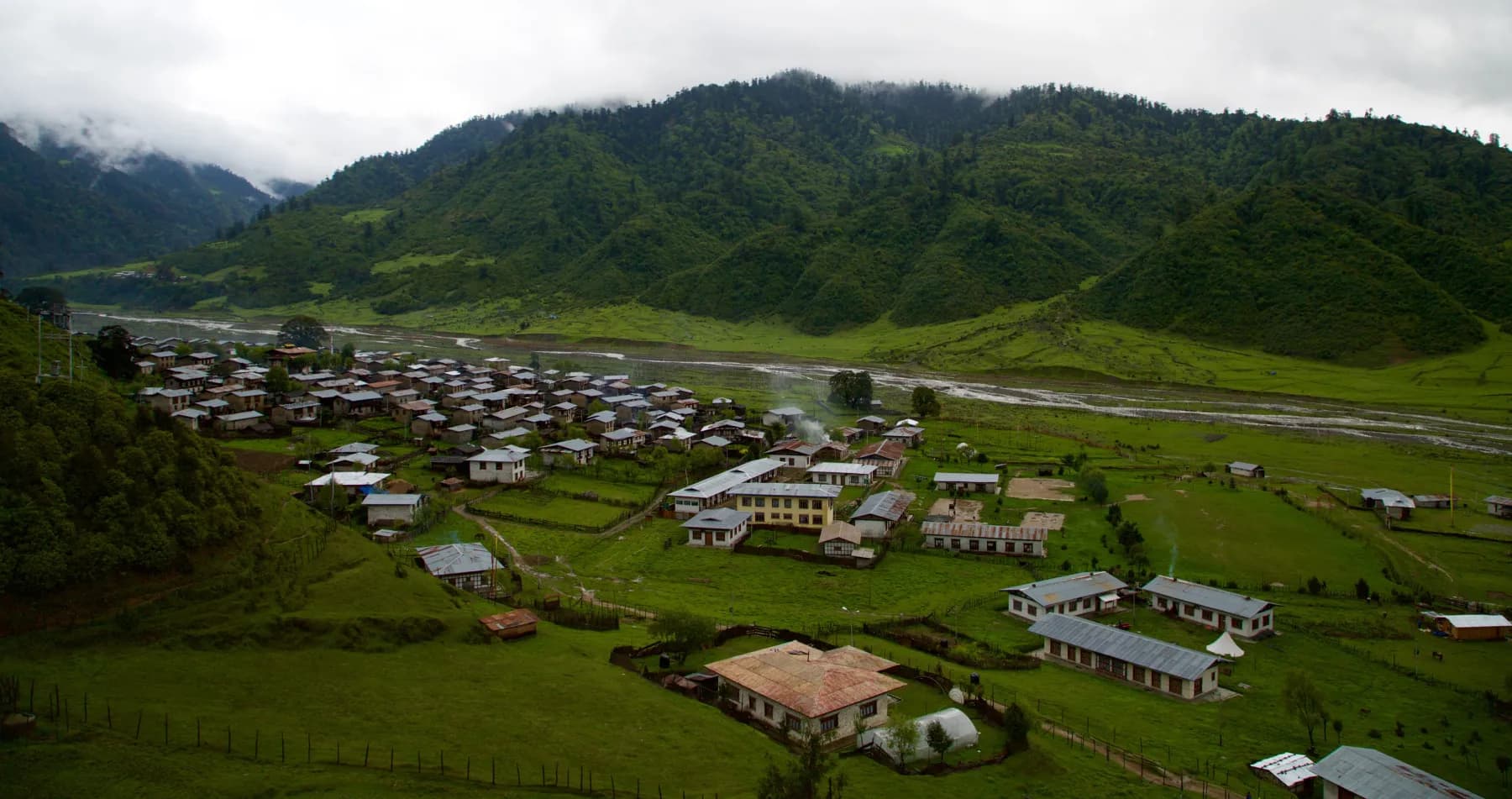
- District
- Trashigang
- Altitude
- 1,100 m
- Kind
- dzongkhag
- Coordinates
- 27.333, 91.533
- Also known as
- Trashigang Dzongkhag
Trashigang Dzong — the spur fortress
Trashigang Dzong sits dramatically on a high spur above the confluence of the Drangme Chhu (the principal eastern river) and the Gamri Chhu, at approximately 1,100m elevation. The dzong was founded in 1659 by the Trongsa Penlop Minjur Tempa under the Zhabdrung's broader institutional consolidation — the eastern anchor of the dzong-administration framework that the Zhabdrung established across the country. The dzong houses both the dzongkhag administrative offices and the regional monk body; the architectural is the classic Bhutanese dzong tradition (the sloping battered walls, the central utse, the elaborate wooden window frames). The approach drive — the road climbs up to the dzong from the valley floor — reveals the architecture progressively; the dzong is among the more dramatically-sited in the country. Visitor access during standard hours; the matched guide arranges.
The gateway to Sakteng
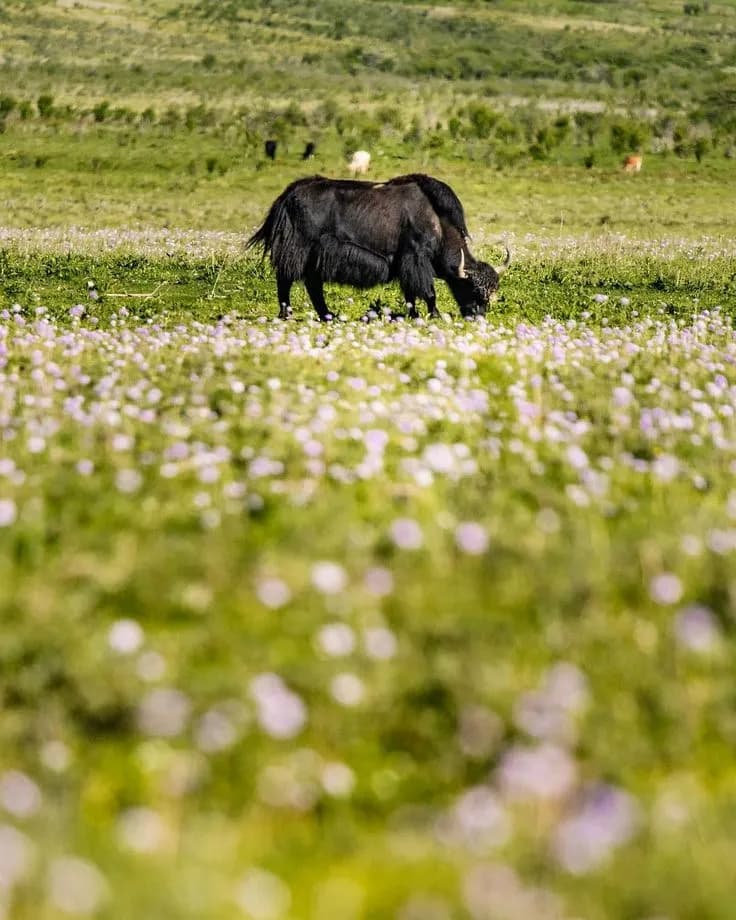
Sakteng Wildlife Sanctuary in the eastern Trashigang dzongkhag is the principal home of the Brokpa community — the semi-nomadic yak-herding people of eastern Bhutan, distinct from the western-Bhutanese cultural. The Brokpa maintain their own language (Brokkat), their own dress (the distinctive black-yak-hair robe, the conical bamboo hats, the elaborate silver jewellery), and the yak-herding economy that has sustained the eastern highland communities for centuries. The Merak-Sakteng trek is the principal access route — a 5-7 day route through the Brokpa villages of Merak and Sakteng, with deep cultural-and-natural content across the route. See the Merak-Sakteng trek for the route framework. The Brokpa cultural tradition is distinct from the western-Bhutanese; visitors with serious cultural interest find the trek deeply rewarding.
The eastern cultural register
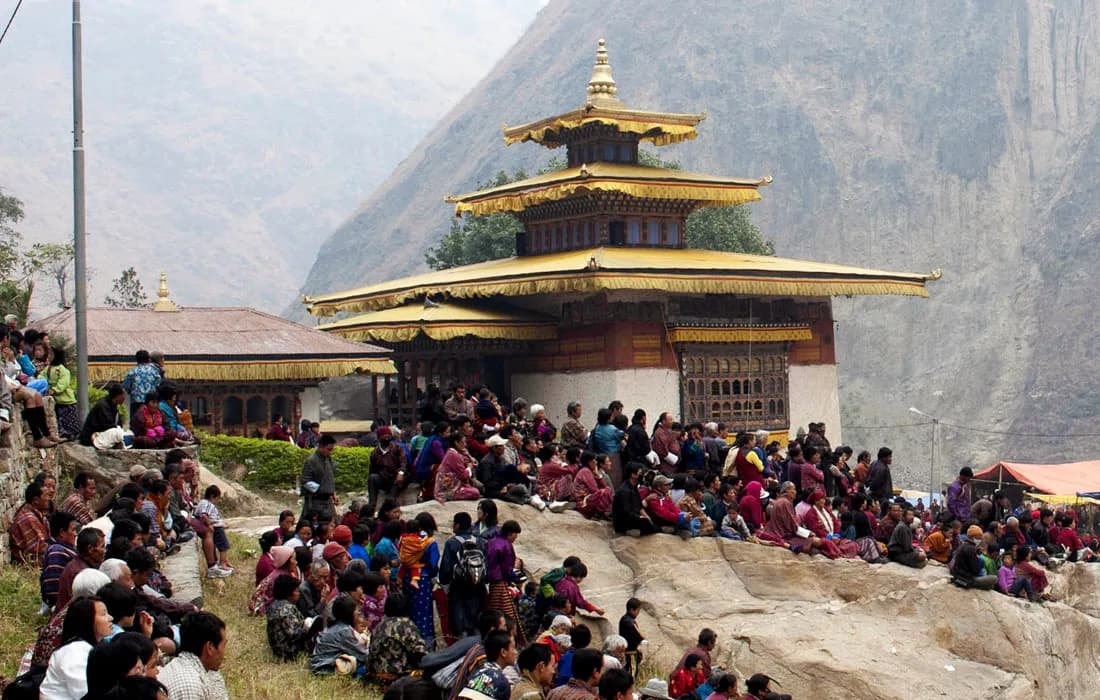
Trashigang is the cultural-and-commercial anchor of far-eastern Bhutan. The dzongkhag's distinctive features include: The Sharchop population — the principal eastern Bhutanese ethnic group, with their own language (Tshangla, distinct from western Dzongkha), their own architectural-and-decorative, and the eastern weaving tradition (different from the Lhuentse silk-brocade kishuthara tradition but substantial in its own right). The eastern festival register — the Trashigang Tshechu in November-December is one of the more-distinctive eastern tshechus; the Gom Kora Tshechu at the principal Guru Rinpoche site east of Trashigang is the annual eastern Drukpa-and-Nyingma pilgrimage. The eastern commerce register — Trashigang town is the principal commercial centre for the eastern dzongkhags, with active markets and the eastern-Bhutanese tradition of contemporary cultural life.
Visiting
- Access — domestic flight or long road
- Trashigang is accessible by domestic flight (Paro to Yongphula airport, then a 2-3 hour road transfer to Trashigang town) or by the long road journey from Paro (2-3 days with overnights at Bumthang and Mongar). For visitors with eastern-Bhutan focus, the domestic flight option saves substantial time. The matched guide handles the routing.
- Where to stay
- Standard government-rated hotels in Trashigang town. No premium-tier lodgings as of 2026 — the most-comfortable options are Druk Deothjung Resort and the older Lingkhar Lodge, both standard-tier. For visitors who want the heritage-and-cultural, the matched guide can arrange a homestay in one of the Trashigang villages.
- Best window
- October-May for the eastern routes. June-September monsoon affects road conditions across the eastern circuit substantially. The Trashigang Tshechu (November-December) and the Gom Kora Tshechu (spring) are the principal cultural-festival windows. The Merak-Sakteng trek window is March-May and September-November.
Walks from here
When the valley gathers
Where to go next
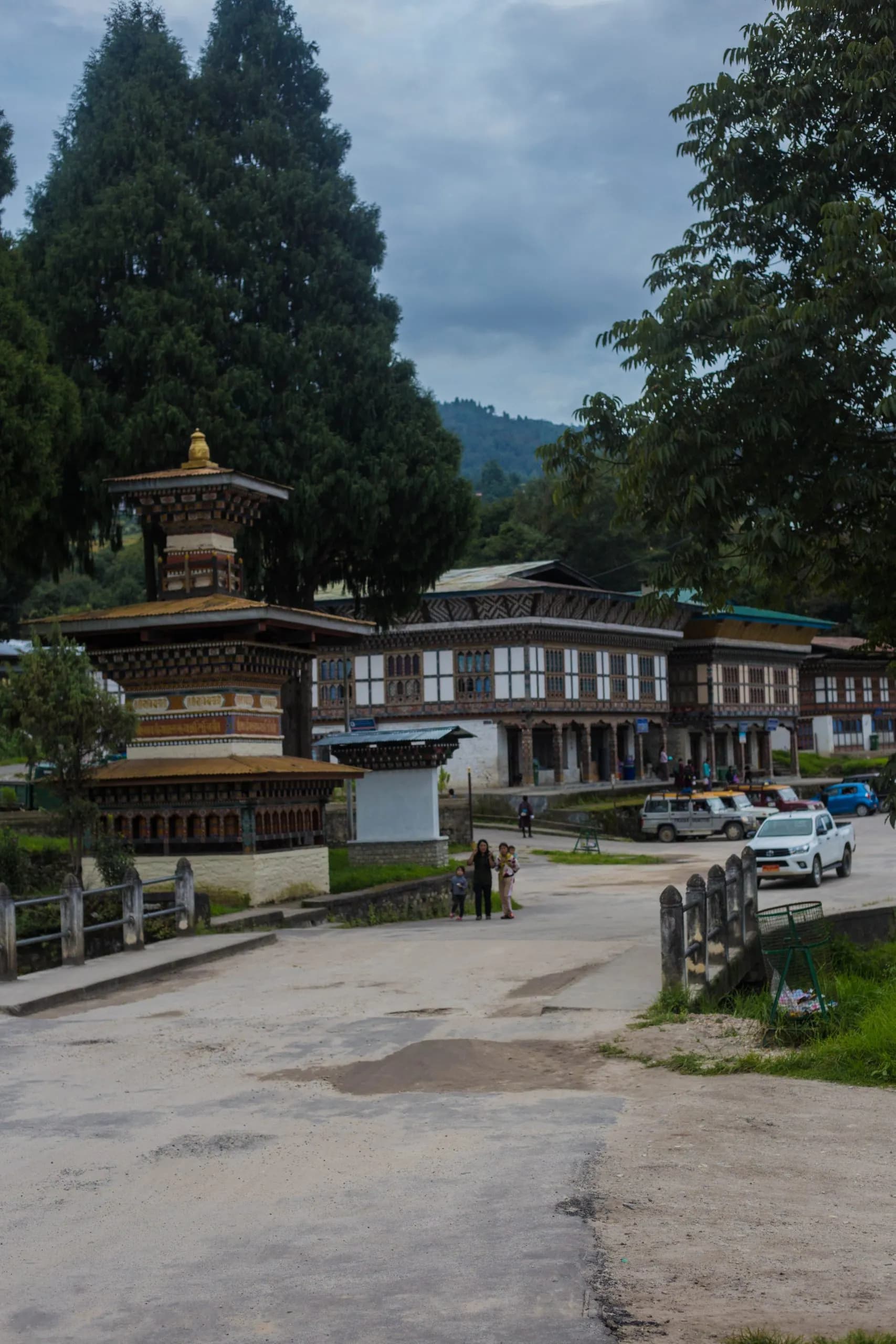
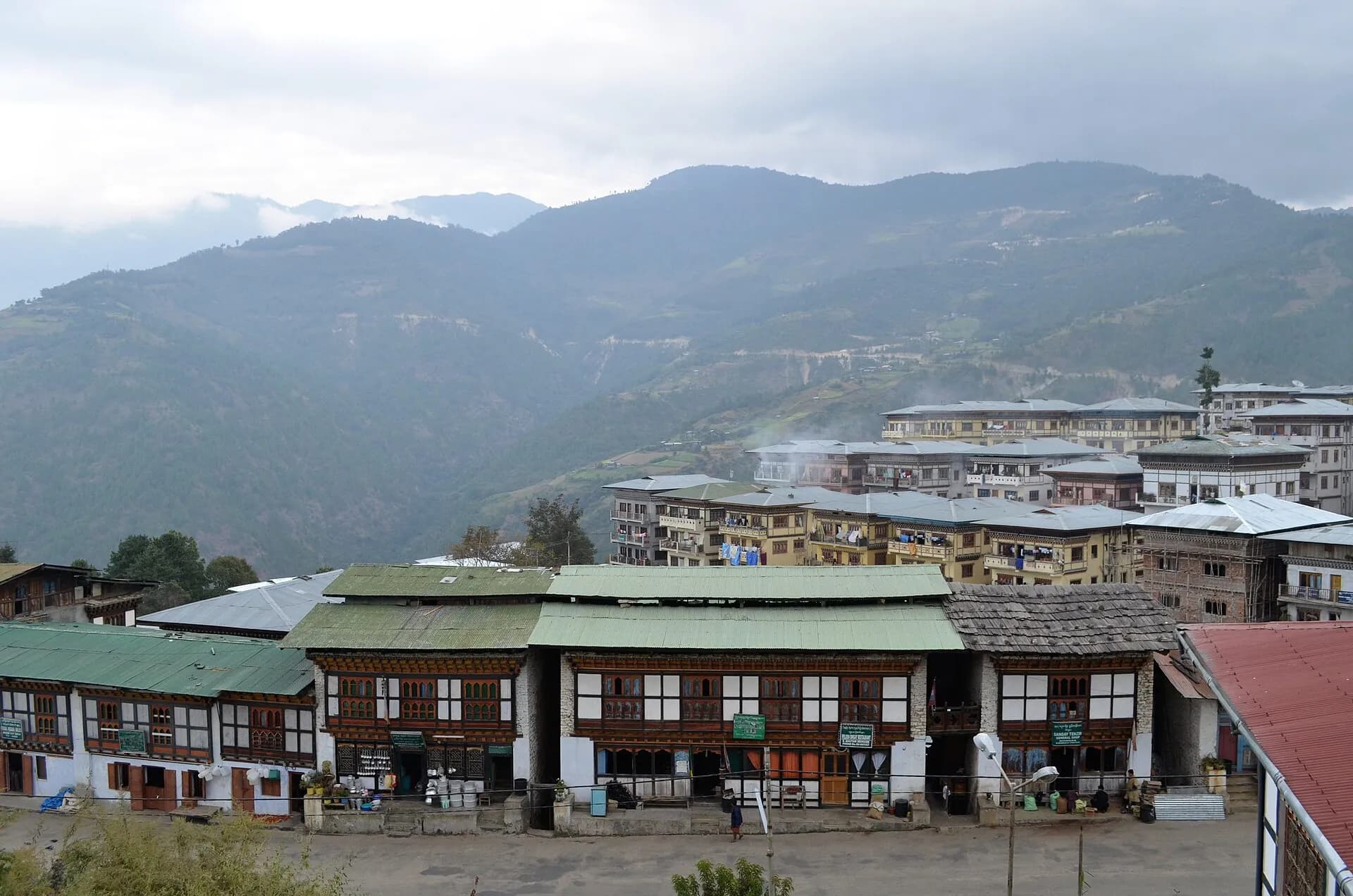 PlaceMongar — the eastern circuit anchor, the gateway to Lhuentse and Trashigang, the Yongkola birding corridor.Mongar — the eastern circuit anchor. Gateway to Lhuentse, Trashigang, Trashiyangtse, Royal Manas. The Yongkola birding corridor. Mongar Dzong (1930).
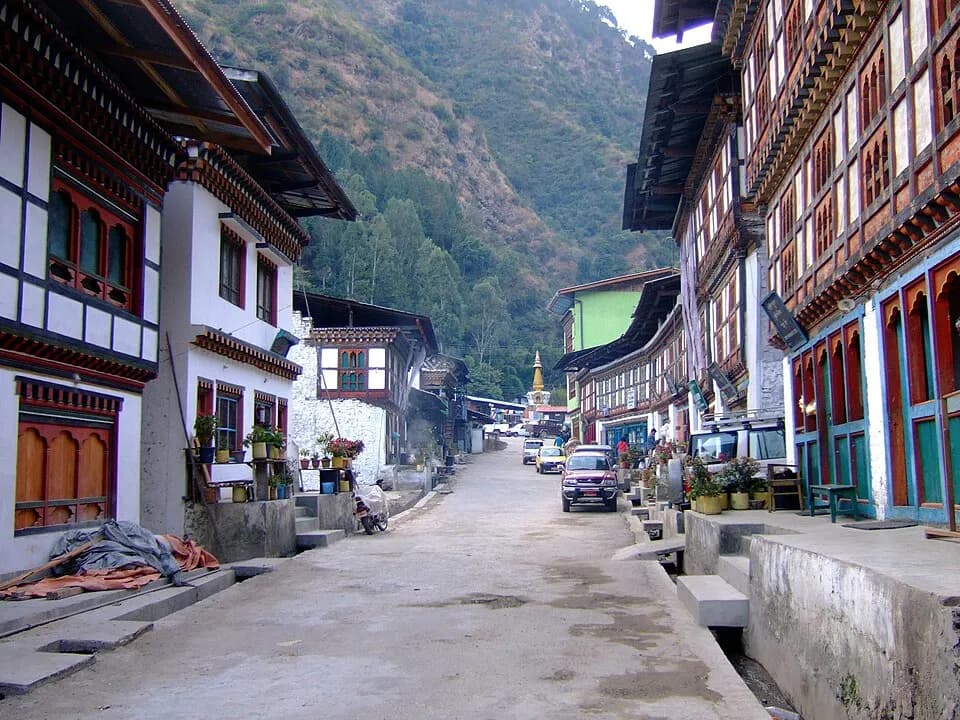
 PlaceTrashiyangtse — the northern eastern dzongkhag, the Chorten Kora pilgrimage, the Bumdeling crane wintering site.Trashiyangtse — the northern eastern Bhutanese dzongkhag. Chorten Kora pilgrimage. Bumdeling Wildlife Sanctuary crane wintering. Woodturning and traditional paper craft.
Journeys through here
Journeys that visit Trashigang
Frequently asked
- Is Trashigang worth the long journey?
- For visitors with eastern-Bhutan cultural interest, yes — Trashigang is the cultural-and-commercial anchor of the far east and provides access to Sakteng (one of the most-distinctive cultural registers in the country). For general cultural visitors with limited time, the long journey from Paro may not justify itself; the matched guide briefs honestly on the trade-off.
- Can I trek to Sakteng?
- Yes. The Merak-Sakteng trek is a 5-7 day route through the principal Brokpa villages. The trek requires moderate fitness and substantial elevation tolerance (the route reaches 4,000m+ at the principal passes). The matched guide arranges the trek with a knowledgeable Bhutanese trek leader and the full logistical support. See the Merak-Sakteng trek entry.
- What is the difference between western and eastern Bhutanese cultural register?
- Substantial. Western Bhutan operates principally on the Dzongkha-language-and-Drukpa-Kagyu tradition that contemporary international visitors encounter at Paro, Thimphu, Punakha. Eastern Bhutan operates principally on the Tshangla-language-and-Sharchop, with distinctive features in architecture, dress, festival calendar, weaving tradition, and broader cultural. The far-eastern dzongkhags add the Brokpa cultural register (Sakteng, Merak) and the eastern pilgrimage register (Gom Kora). Visitors with serious cultural interest find the eastern register meaningfully distinct from the principal western circuit.

