A Bhutanese environmental commitment
Carbon-negative Bhutan — one of three carbon-negative countries in the world, the constitutional 60% forest cover.
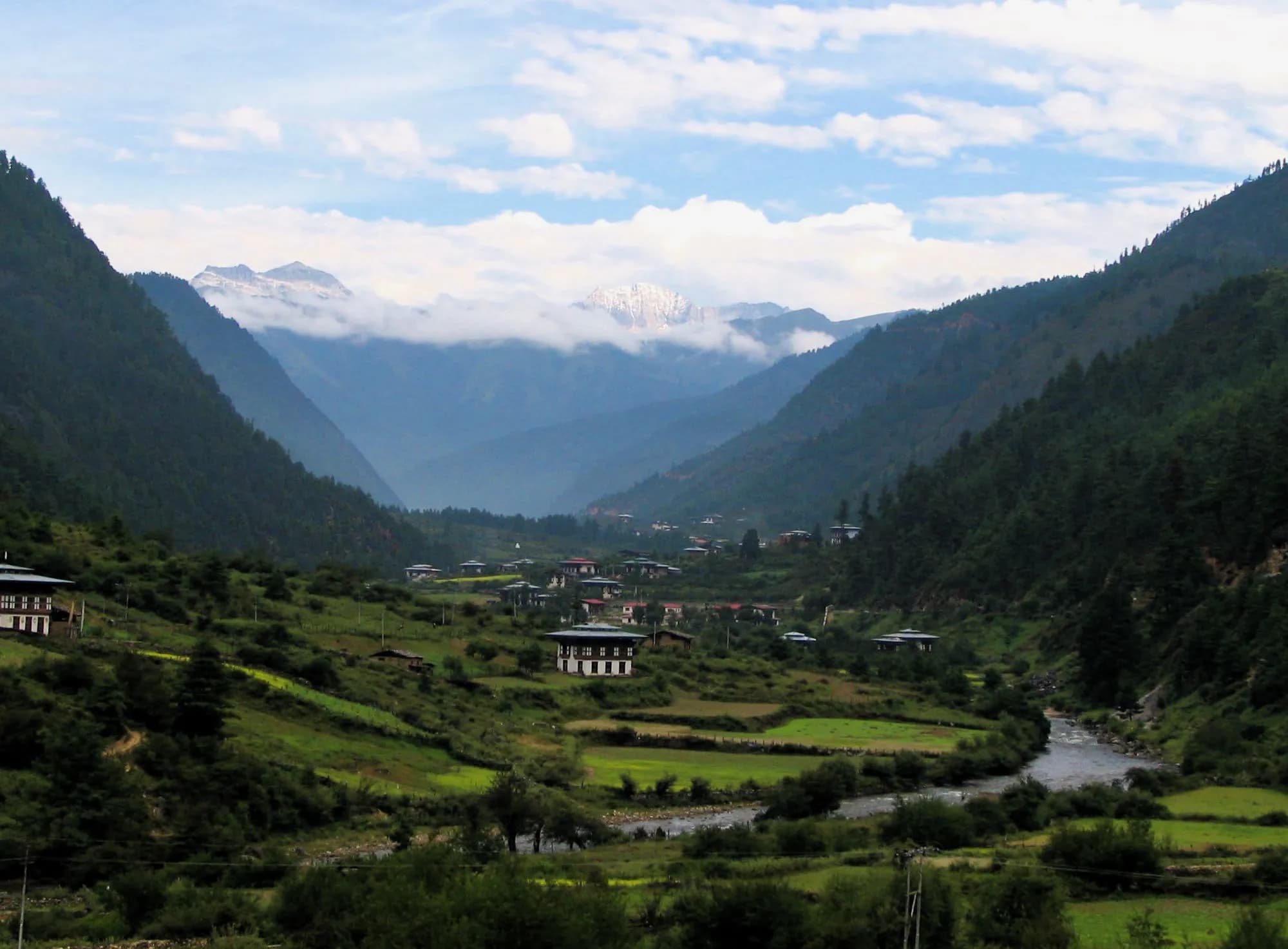
Bhutan is one of three carbon-negative countries in the world (alongside Suriname and Panama) — the country absorbs more carbon dioxide than it emits, a function of the constitutional 60% minimum forest cover (Article 5 of the 2008 Constitution), the hydropower-based energy system, the small industrial base, and the conservation infrastructure that protects over 50% of the country's territory. The carbon-negative status is the most-distinctive feature of Bhutan's international environmental; His Majesty the Fourth Druk Gyalpo articulated the underlying philosophy decades before the contemporary climate framing made it internationally visible.
- Register
- institution
- Also known as
- Carbon-negative country, Bhutan environment, Bhutan climate
In short
Bhutan is one of three carbon-negative countries in the world (alongside Suriname and Panama) — absorbs more CO2 than it emits. Constitutional 60% minimum forest cover (Article 5, 2008 Constitution). Hydropower-based energy. Over 50% of territory under protected-area designation.
What carbon-negative means in practice
Bhutan emits approximately 2.2 million tonnes of CO2 per year (a function of the small industrial base, the hydropower-based energy system, and the limited road-transport register) while the country's forest cover absorbs approximately 6 million tonnes annually. The net is approximately negative 3.8 million tonnes — Bhutan is a net carbon sink. The carbon-negative status was in place before the contemporary international climate framing made it visible; the 2017 Tobgay TED talk ('This country isn't just carbon neutral — it's carbon negative') brought the Bhutanese position to international attention. The figure depends on the forest-cover and emissions accounting; Bhutan's continued commitment to maintaining the constitutional forest cover supports the durability of the net-negative position.
The constitutional framework
Article 5 of the 2008 Constitution mandates a minimum of 60% forest cover in perpetuity. The article reads (in part): 'A minimum of sixty per cent of Bhutan's total land shall be maintained under forest cover for all time.' The current forest cover sits at approximately 71% of total land area, exceeding the constitutional minimum; the buffer accommodates limited development without breaching the constitutional commitment. Article 9 enshrines Gross National Happiness as the state's guiding development principle, with environmental-and-conservation programmes integrated throughout. The protected-area network covers over 50% of total land area — five national parks (Royal Manas, Jigme Dorji, Wangchuck Centennial, Phrumshengla, Bumdeling, Sakteng Wildlife Sanctuary), four wildlife sanctuaries, and biological corridors linking them. The combined constitutional-and-policy framework is one of the more-distinctive environmental governance registers in contemporary Asia. See Bhutanese democracy and GNH for the broader framework.
The conservation register
The protected-area network is administered by the Department of Forests and Park Services within the Ministry of Agriculture and Forests; visitor access to the principal parks (Royal Manas, Jigme Dorji, Sakteng) is regulated through the matched guide. The wildlife register includes the snow leopard (substantial alpine populations), the takin (the country's national animal, highland populations), the white-bellied heron (critically endangered, Bhutan holds a proportion of the global population), the rufous-necked hornbill and tragopan populations. See the Bhutan birding experience for the avian. The community-forestry register — Bhutanese villages operate community-managed forest plots under the national regulatory framework; the principal example of how the constitutional commitment operates at the local level. The matched guide arranges visits to the conservation establishments for visitors with serious environmental interest.
The principal international recognitions
Two principal international recognitions anchor Bhutan's environmental leadership. The United Nations Environment Programme (UNEP) 'Champion of the Earth' award, presented to His Majesty the Fourth Druk Gyalpo in 2005 — the principal United Nations environmental honour, recognising His Majesty's lifelong commitment to the constitutional environmental framework and the conservation programme. The Paul Getty Conservation Award, presented to His Majesty by the World Wildlife Fund on 17 October 2006 — the principal international conservation award, recognising the Bhutanese protected-area network and the broader forest-cover commitment. Both recognitions are part of the formal record at the Royal Heritage Museum at Trongsa Ta Dzong; the matched guide briefs visitors on the international-recognition register where the conversation calls for it. The 2017 TED talk by then-Prime Minister Tshering Tobgay ('This country isn't just carbon neutral — it's carbon negative') brought the Bhutanese position to broader international visibility, building on the institutional recognitions of the previous decade.
The hydropower-and-energy register
Bhutan's energy system is hydropower-based — over 99% of electricity generation from major hydropower projects on the principal Himalayan river systems. The hydropower-export register to India is the principal export-revenue source (see Bhutan-India relations) and provides cross-border carbon-displacement benefit (each unit of Indian thermal generation that Bhutanese hydropower displaces removes substantial CO2 from the regional emissions register). The domestic-transport tradition operates principally on petrol-and-diesel imported from India; electric vehicle adoption is increasing under royal-government programmes. The Bhutan EV register — His Majesty the Fifth Druk Gyalpo drives a Tesla — is the principal contemporary signal on the low-carbon-transport transition.
Related ideas
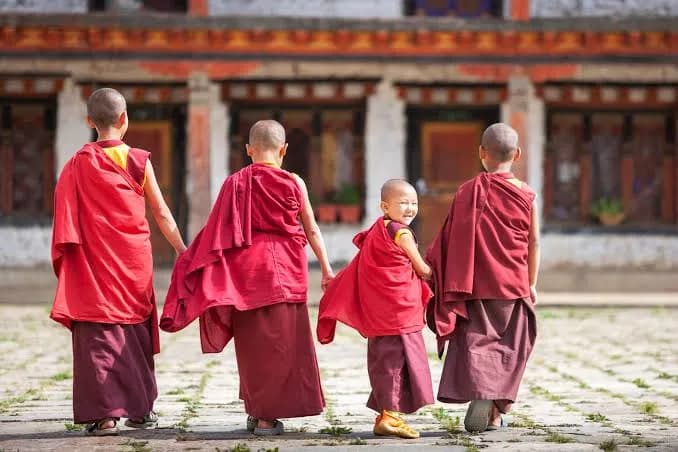 ThemeGross National Happiness — the framework that shapes the country a visitor encounters.Gross National Happiness — the Bhutanese development philosophy articulated by the Fourth Druk Gyalpo at His 1974 coronation as the first of nine guiding goals. Four pillars, nine measurement domains, constitutional grounding.
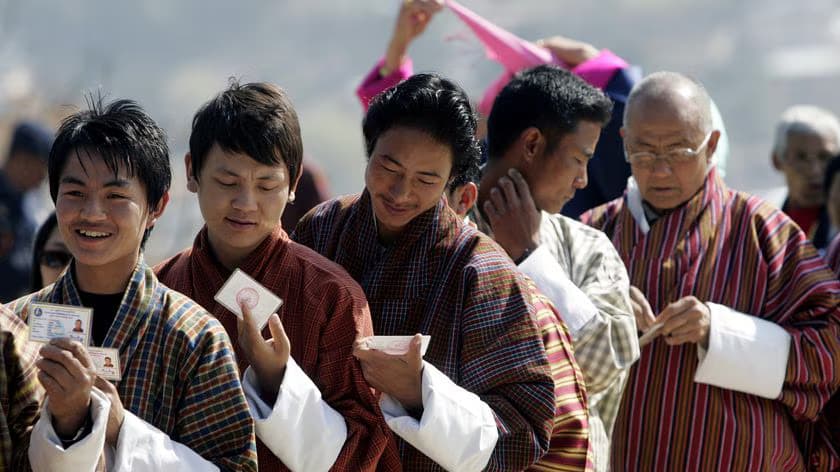 ThemeBhutanese democracy — the constitutional monarchy, the 2008 transition, the contemporary state.Bhutanese democracy — the constitutional monarchy, the 2008 transition, the National Assembly, the political party landscape. A distinctive Asian democracy.
Where to see it
Journeys built around it
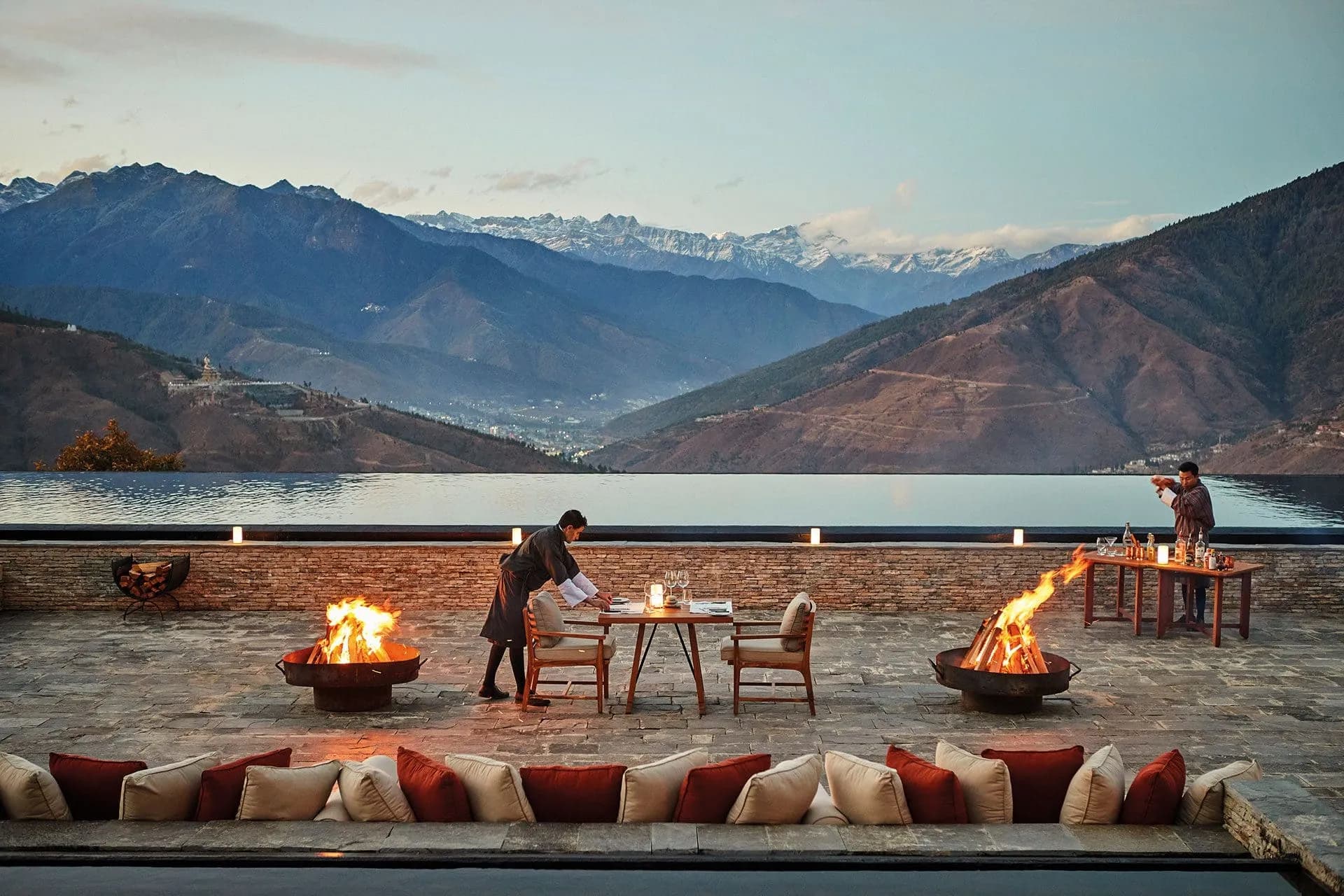 JourneyThe signature-tier Bhutan journey — private knowledgeable guide, the most considered lodge curation, helicopter or charter between valleys, exclusive-use arrangements where the season allows.The signature-tier Bhutan journey. Private knowledgeable guide, the most considered lodges, helicopter or PC-24 charter, exclusive-use arrangements. By invitation, from USD 14,000.
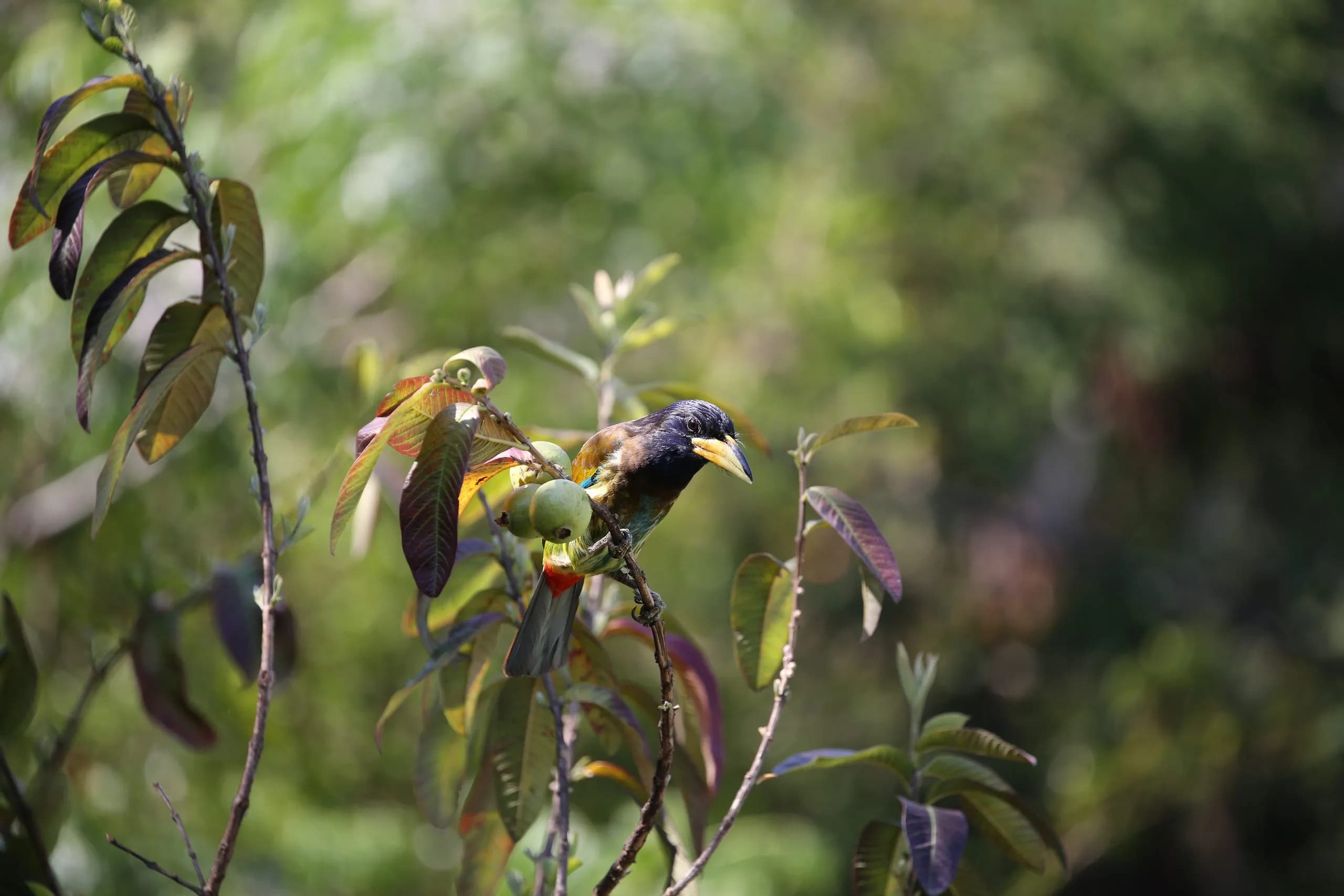 JourneyEight nights for the country's principal endemics — cranes at Phobjikha, the heron on the Punatsangchhu, the hornbills in the broadleaf belt.An eight-night Bhutan birding journey targeting the principal endemics — black-necked cranes at Phobjikha, white-bellied heron, hornbills, the beautiful nuthatch.
Frequently asked
- Is Bhutan really carbon-negative?
- Yes — Bhutan emits approximately 2.2 million tonnes of CO2 per year while the forest cover absorbs approximately 6 million tonnes annually. The net is approximately negative 3.8 million tonnes, making Bhutan one of three carbon-negative countries in the world (alongside Suriname and Panama). The figure depends on the forest-cover and emissions accounting; the constitutional 60% minimum forest cover provides substantial durability to the net-negative position.
- How does Bhutan maintain the forest cover?
- Constitutionally — Article 5 of the 2008 Constitution mandates a minimum of 60% forest cover in perpetuity. The current cover (approximately 71%) exceeds the constitutional minimum; the buffer accommodates limited development. The protected-area network (over 50% of total territory) reinforces the framework. Community-forestry programmes and Royal Government administration support the broader.
- Can I see the wildlife in Bhutan?
- Yes, depending on the species. Bird species — access through the established birding sites (Phobjikha for cranes, Yongkola for the mid-elevation, Royal Manas for the subtropical). See the Bhutan birding experience. Large mammals — access through the protected-area network with the matched guide; takin (the national animal) is most-reliably seen at the Motithang Takin Preserve in Thimphu. Snow leopard, tiger, and the rarer mammals are essentially only visible to committed-wildlife-visitor itineraries.

