A Bhutanese monastery
Cheri Goemba — the mountain monastery where Zhabdrung Ngawang Namgyal established the first monk body of Bhutan in 1620.
Cheri Goemba — Chagri Dorjeden — sits high on a forested hillside at the northern head of the Thimphu valley, reached by a walk up from the valley floor across a covered bridge over the rushing Thimphu Chhu. It was here, in 1620, that Zhabdrung Ngawang Namgyal established the first organised monastic community of Bhutan — the seed of the central monk body that endures to this day. A working retreat monastery still, where monks undertake the traditional three-year meditation, Cheri rewards the visitor who is willing to climb with one of the most serene and historically resonant settings within reach of the capital.
Also known as Chagri Dorjeden · Cheri Monastery · Chagri Goemba
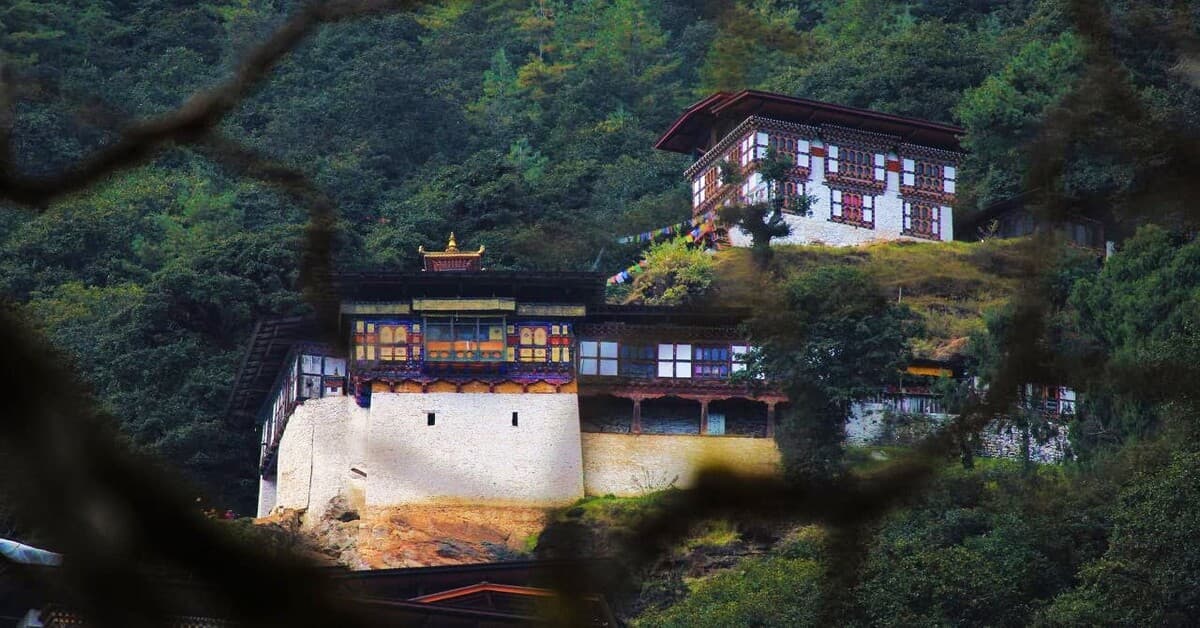
- Location
- Northern head of the Thimphu valley, near Dodena, Thimphu
- Founded
- 1620
- Founder
- Zhabdrung Ngawang Namgyal
- Elevation
- 2,850 m
- Kind
- monastery
The birthplace of the monk body
Cheri's place in Bhutanese history is foundational: in 1620, four years after his arrival in the country, Zhabdrung Ngawang Namgyal established here the first organised monastic community in Bhutan — a body of monks gathered under a single discipline, the institutional seed from which the Zhung Dratshang, the central monk body that still anchors the religious life of the state, would grow. The silver chorten within the monastery is held to contain the remains of the Zhabdrung's father. To stand at Cheri is to stand at the beginning of the monastic order that fills the dzongs and lhakhangs a visitor sees across the whole country — the institution given its first form on this hillside.
A working retreat
Cheri has never become a monument; it remains a living retreat monastery, and one of the principal places in Bhutan where monks undertake the traditional three-year, three-month meditation retreat in seclusion. This gives the goemba its particular atmosphere of deep quiet — a place where serious practice is carried on out of sight, and where the visitor is a respectful guest in a working spiritual community rather than a sightseer in a gallery. The walk up, the forest, the river below, and the knowledge of the retreatants in their cells combine into one of the more contemplative half-days available from Thimphu.
The walk up
Cheri is reached on foot. The road up the Thimphu valley ends near Dodena, where a traditional covered cantilever bridge crosses the Thimphu Chhu; from there a path climbs through forest to the monastery — roughly 45 minutes to an hour of steady uphill, gaining a few hundred metres. The walk is part of the experience, the city falling away into birdsong and pine as the path climbs. Langur monkeys are often seen in the trees, and the river runs loud below. The effort is modest but real, and it earns a setting the road-served sites cannot match.
Visiting
- Getting there
- Drive to the head of the Thimphu valley near Dodena (about 45 minutes from the city), where the road ends at the covered bridge. From there it is a 45–60 minute walk up through forest to the monastery. The matched guide arranges the drive and walks up with the visitor.
- The walk
- A steady forest climb of roughly 45–60 minutes, gaining a few hundred metres — moderate, on a clear path, suitable for anyone in reasonable walking condition. Sturdy shoes and water are enough; allow 2.5–3 hours for the round walk and the monastery visit. Cheri pairs naturally with Tango, the monastery across the valley, for visitors who want a full day of the two retreat monasteries.
- Dress and protocol
- Standard monastery protocol — shoulders and knees covered, shoes and hats removed before the shrines, no photography inside. Because Cheri is an active retreat, the register is especially quiet; visitors keep to the areas the guide indicates and do not disturb the monks at practice.
- Best time to visit
- Spring through autumn (March–November) is the reliable window; winter is walkable but cold at the monastery's elevation. Clear mornings give the finest light on the climb and the valley.
Journeys featuring this site
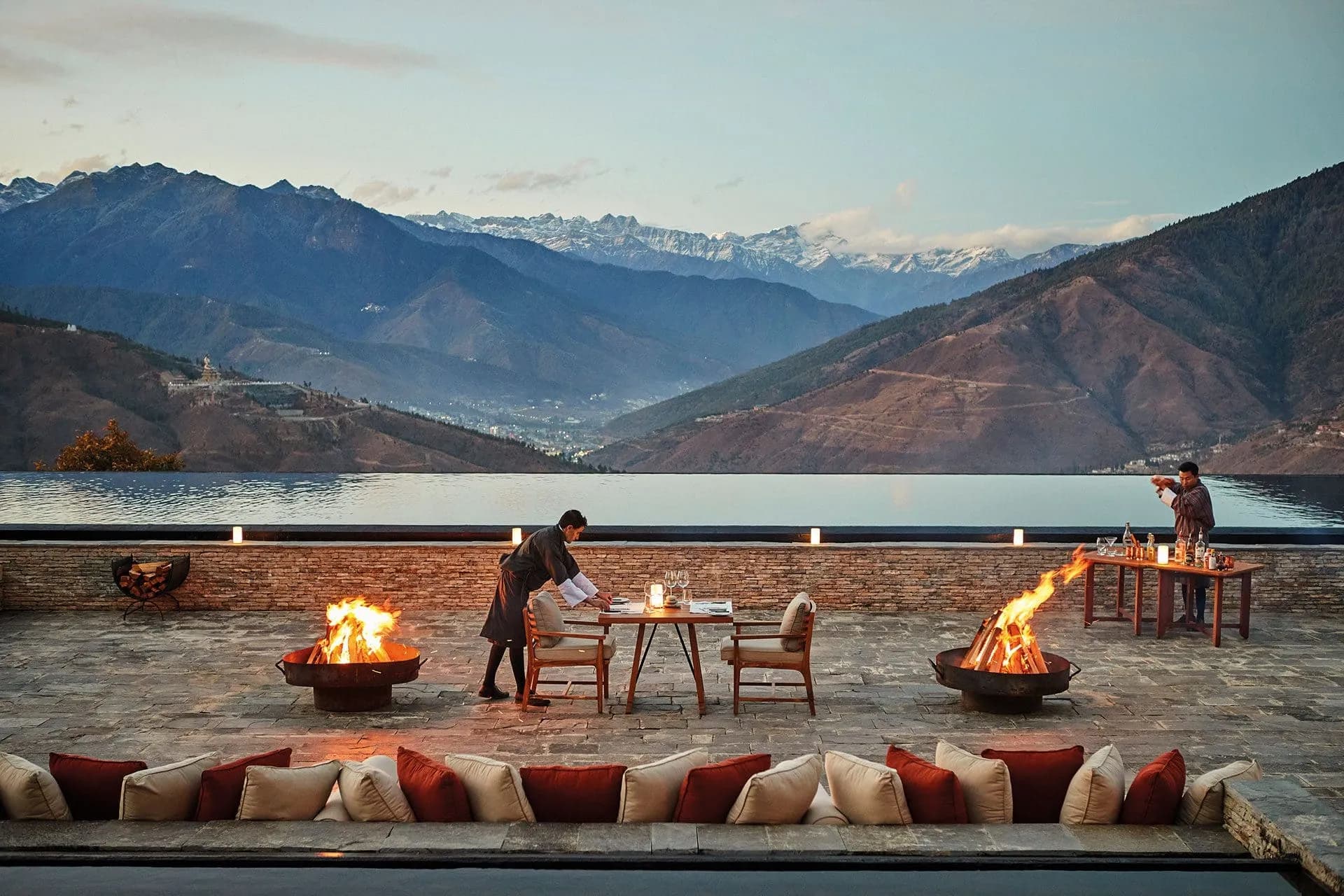 JourneyThe signature-tier Bhutan journey — private knowledgeable guide, the most considered lodge curation, helicopter or charter between valleys, exclusive-use arrangements where the season allows.The signature-tier Bhutan journey. Private knowledgeable guide, the most considered lodges, helicopter or PC-24 charter, exclusive-use arrangements. By invitation, from USD 14,000.
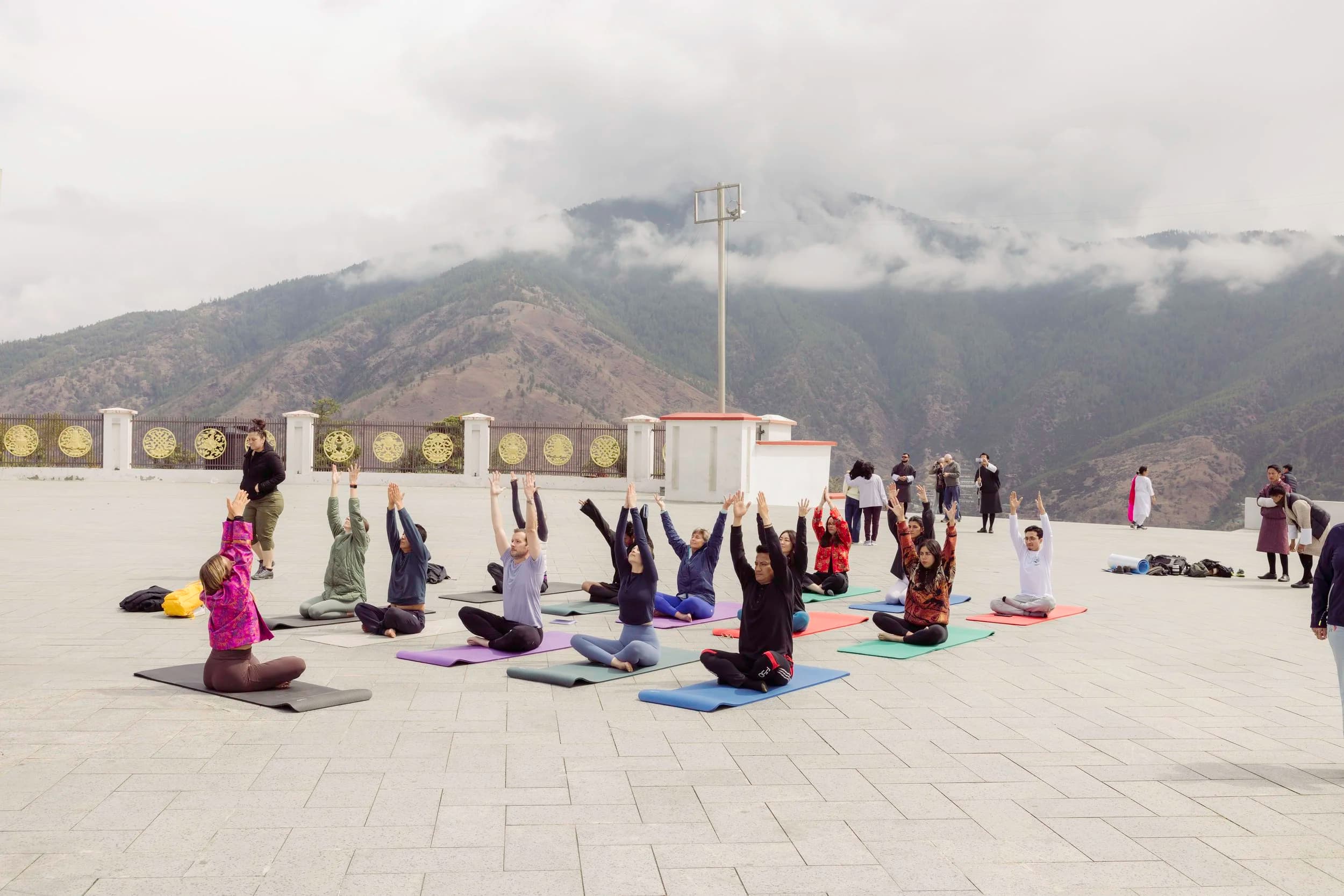 JourneySeven nights with a monastic guide, in the still season.A seven-night Bhutan meditation retreat through Clear-Sky Bhutan (Dec–Feb). Daily sittings with a monastic-trained guide, hot stone baths, no festival noise.
Journeys that visit Cheri Goemba
Frequently asked
- Why is Cheri Goemba historically important?
- Because Zhabdrung Ngawang Namgyal founded Bhutan's first organised monastic community here in 1620 — the institutional seed of the central monk body (the Zhung Dratshang) that still anchors the country's religious life. The dzongs and lhakhangs full of monks that a visitor sees across Bhutan all descend from the order first gathered on this hillside.
- How hard is the walk to Cheri?
- A steady forest climb of about 45–60 minutes from the road end near Dodena, gaining a few hundred metres — moderate, on a clear path, fine for anyone in reasonable walking condition. The return is downhill. Allow 2.5–3 hours for the round trip and the monastery visit.
- Can Cheri and Tango be combined?
- Yes — the two retreat monasteries sit on opposite sides of the upper Thimphu valley and are often done together as a full day for visitors who want the contemplative, walk-in pair. Each is a climb of roughly an hour; a fit and willing party can do both, with the matched guide pacing the day.

