A Bhutanese religious figure
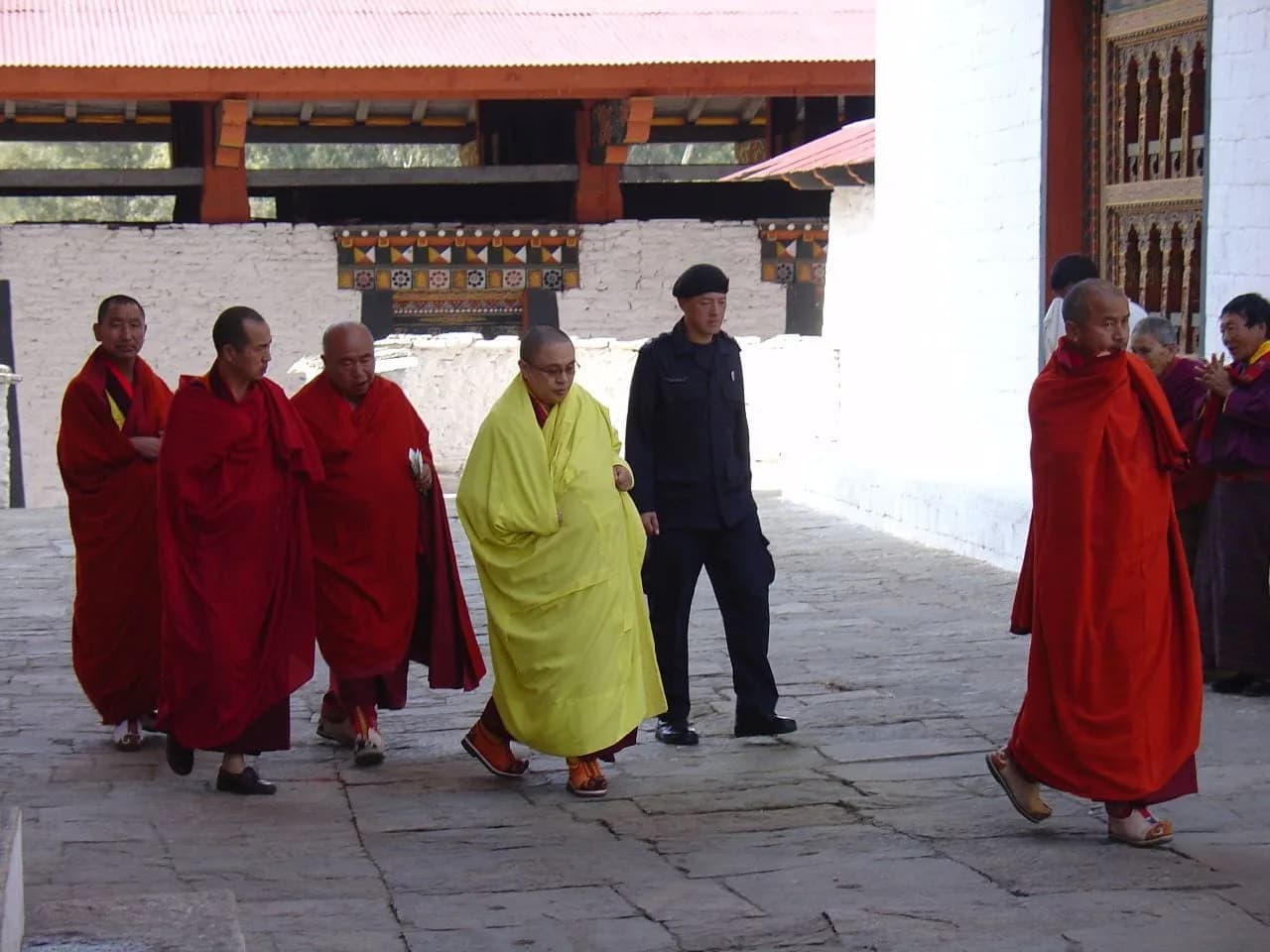
His Holiness the 70th Je Khenpo Trulku Jigme Choedra — the Chief Abbot of the Zhung Dratshang and the principal religious figure of contemporary Bhutan.
His Holiness the Je Khenpo is the Chief Abbot of the Zhung Dratshang (the central monk body of Bhutan) and the principal religious figure of the country — the religious counterpart of His Majesty the Druk Gyalpo in the contemporary Choesi institutional framework. The current Je Khenpo, His Holiness the 70th Je Khenpo Trulku Jigme Choedra (in office since 1996), heads the Bhutanese central monastic institution; the office is one of the most-revered in the country and is the principal Drukpa Kagyu institutional leadership role.
Also known as The Je Khenpo · Chief Abbot of Bhutan · Trulku Jigme Choedra
Born 1955
- Full name
- His Holiness the 70th Je Khenpo Trulku Jigme Choedra
- Honorific
- His Holiness the Je Khenpo
- Affiliation
- Drukpa Kagyu / Zhung Dratshang
- Register
- religious
The office of the Je Khenpo
The Je Khenpo is the Chief Abbot of the Zhung Dratshang — the central monk body of Bhutan, the principal Drukpa Kagyu institutional establishment that the Zhabdrung Ngawang Namgyal founded in the 17th century. The office is held for life or until voluntary retirement. The Je Khenpo presides over the Zhung Dratshang's principal religious functions: the major state-religious ceremonies, the principal tshechu festivals at the dzongs that the Je Khenpo personally attends, the consecration of the principal monasteries and religious sites, and the principal religious-and-cultural counterpart to the head-of-state functions that His Majesty the Druk Gyalpo performs. The Je Khenpo is one of the most-revered figures in contemporary Bhutan; the office is the principal religious leadership role within the dominant Drukpa Kagyu institutional. See Drukpa Kagyu and Vajrayana Buddhism for the broader institutional context.
The current Je Khenpo
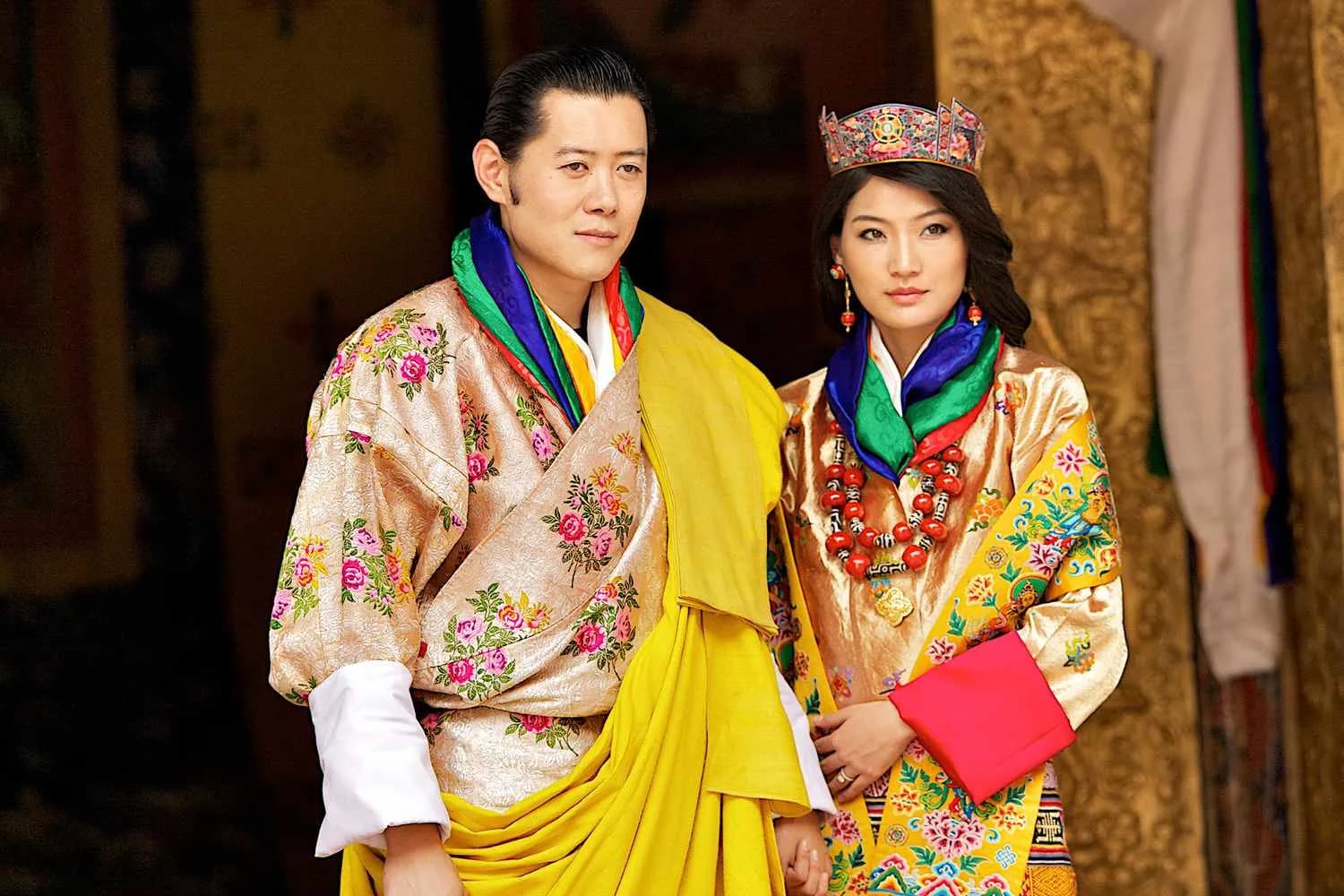
His Holiness the 70th Je Khenpo Trulku Jigme Choedra has held the office since 1996 — one of the longer tenures in the office's history. The 70th Je Khenpo was recognised as a high-ranking tulku (incarnate lama) in his early years and trained in the Drukpa Kagyu monastic curriculum at the principal Bhutanese monasteries; his elevation to the Je Khenpo office in 1996 reflected the senior monastic recognition of his religious accomplishments. The 70th Je Khenpo has been a presence across the principal cultural and religious moments of contemporary Bhutan — the state-religious functions of the late-Fourth-Druk-Gyalpo era, the 2008 democratic-transition framework, the 2011 Royal Wedding, the annual tshechu cycle. The matched guide briefs visitors on the contemporary Je Khenpo's principal religious activities where relevant.
The Zhung Dratshang institutional tradition
The Je Khenpo heads the Zhung Dratshang — the central monk body of Bhutan, headquartered at Tashichho Dzong (Thimphu) in summer and Punakha Dzong in winter, following the seasonal migration that the Zhabdrung established. The Zhung Dratshang operates the principal central monastic establishments and oversees the regional monk bodies (Rabdeys) at the dzongs across the country. The institutional framework — established by the Zhabdrung in the 17th century — has operated continuously through the 1907 transition to the Wangchuck monarchy and the 2008 transition to constitutional democracy. The Zhung Dratshang and the Je Khenpo are funded through the Royal Government within the constitutional framework; the religious-state tradition operates within the cultural-and-religious continuity that the Bhutanese institutional framework provides.
Where a visitor encounters the Je Khenpo today
At the principal tshechu festivals — the Je Khenpo personally presides over the principal tshechu ceremonies at Tashichho Dzong (Thimphu Tshechu) and Punakha Dzong (Punakha Drubchen and Tshechu), among others. At state-religious events — major institutional consecrations, the principal annual religious-festival opening events. At the principal dzongs — when in residence at Tashichho Dzong (summer) or Punakha Dzong (winter), the Je Khenpo's presence is part of the institutional. Most international visitors do not directly encounter the Je Khenpo (the office is one of formal religious authority, public engagement is principally through the principal state-religious events); visitors with serious religious interest may attend the principal tshechu ceremonies where the Je Khenpo presides.
Others in this story
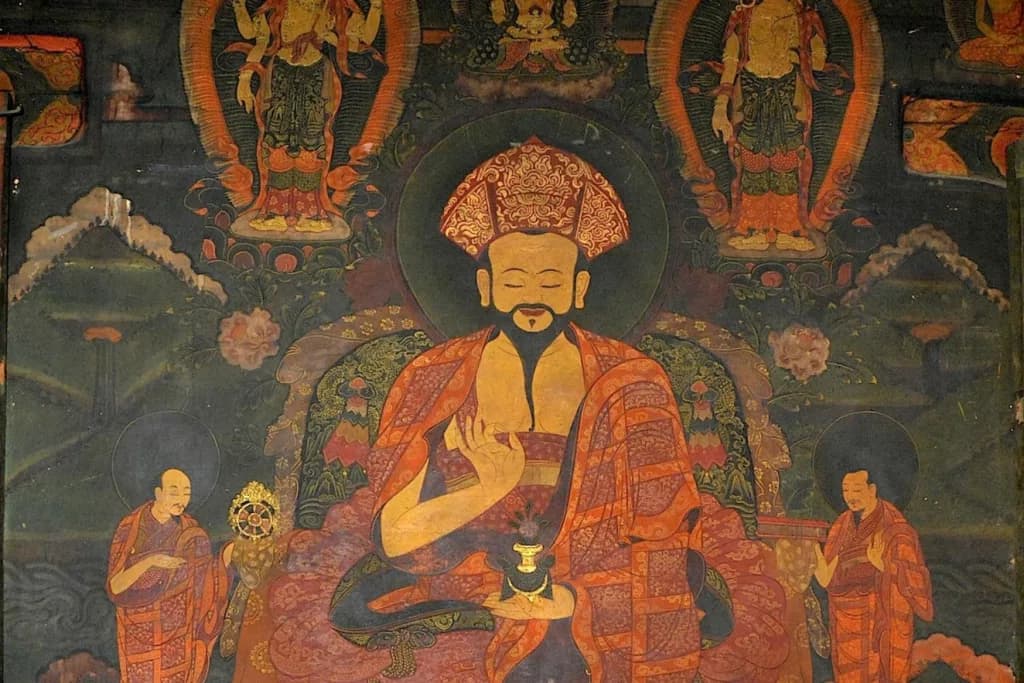 PersonThe Zhabdrung Ngawang Namgyal — the 17th-century unifier of Bhutan, the founder of the modern Bhutanese state.The Zhabdrung Ngawang Namgyal (1594-1651) — the founder of unified Bhutan. The 17th-century Drukpa Kagyu lama who built the dzong system and repulsed Tibetan invasions.
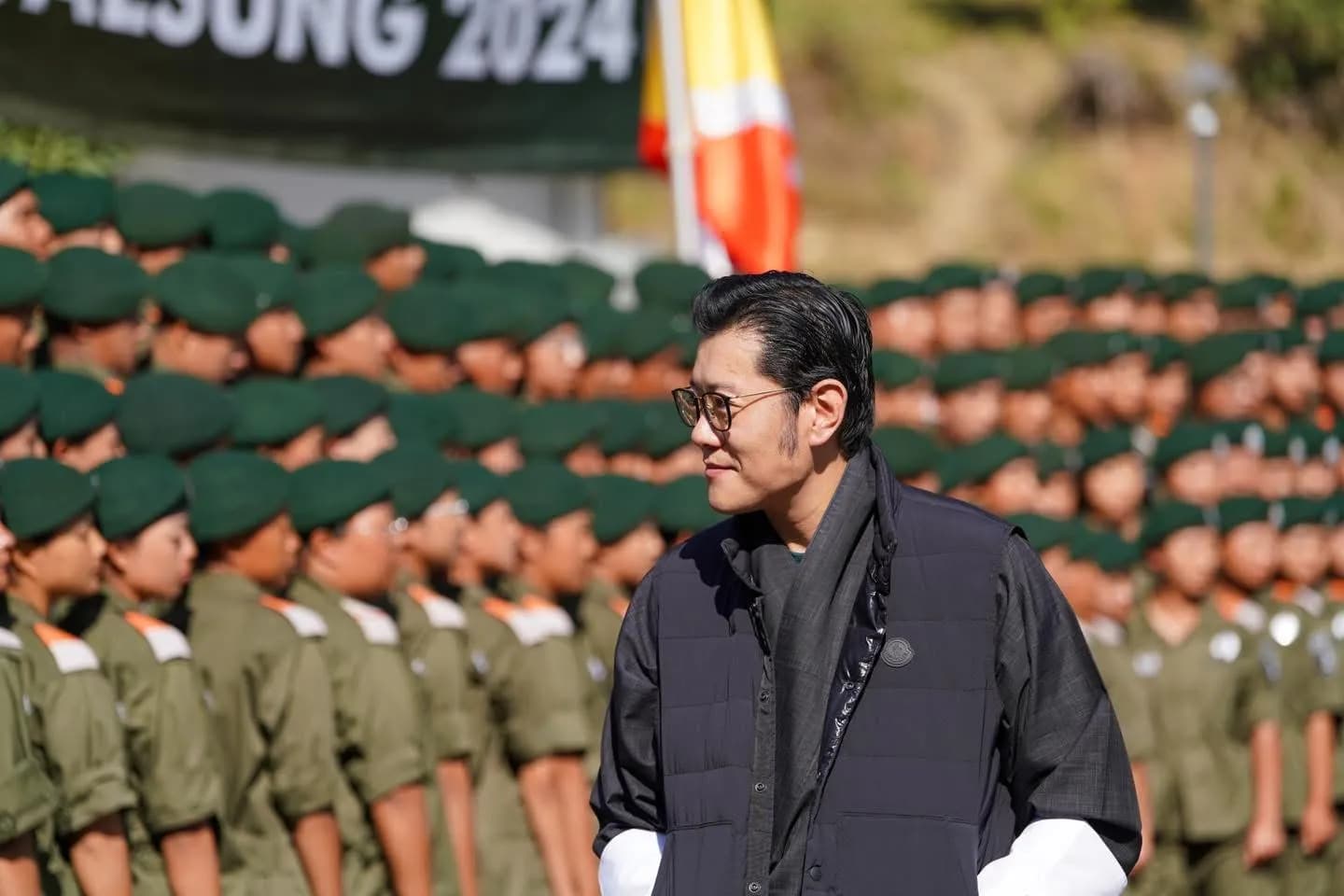 PersonHis Majesty Jigme Khesar Namgyel Wangchuck — the Fifth Druk Gyalpo of Bhutan.His Majesty Jigme Khesar Namgyel Wangchuck — the Fifth Druk Gyalpo, ascended 2006, crowned 2008. The current King of Bhutan. Married Her Majesty Jetsun Pema 2011.
What they built
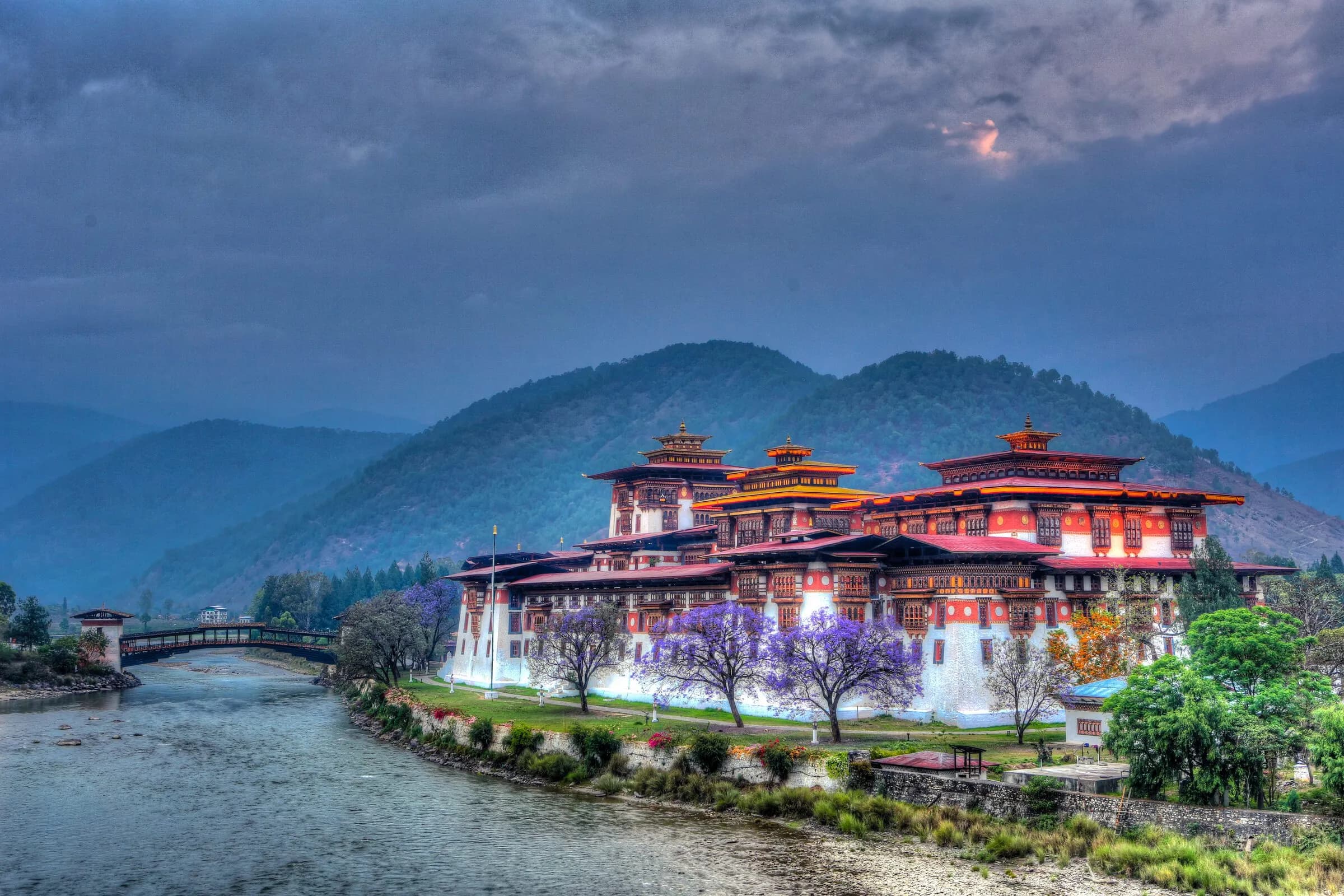 MonumentPunakha Dzong — Pungtang Dechen Phodrang, founded 1638 at the confluence of the father and mother rivers.Punakha Dzong — the Palace of Great Happiness, founded 1638. The history, the architecture, what to expect on a visit.
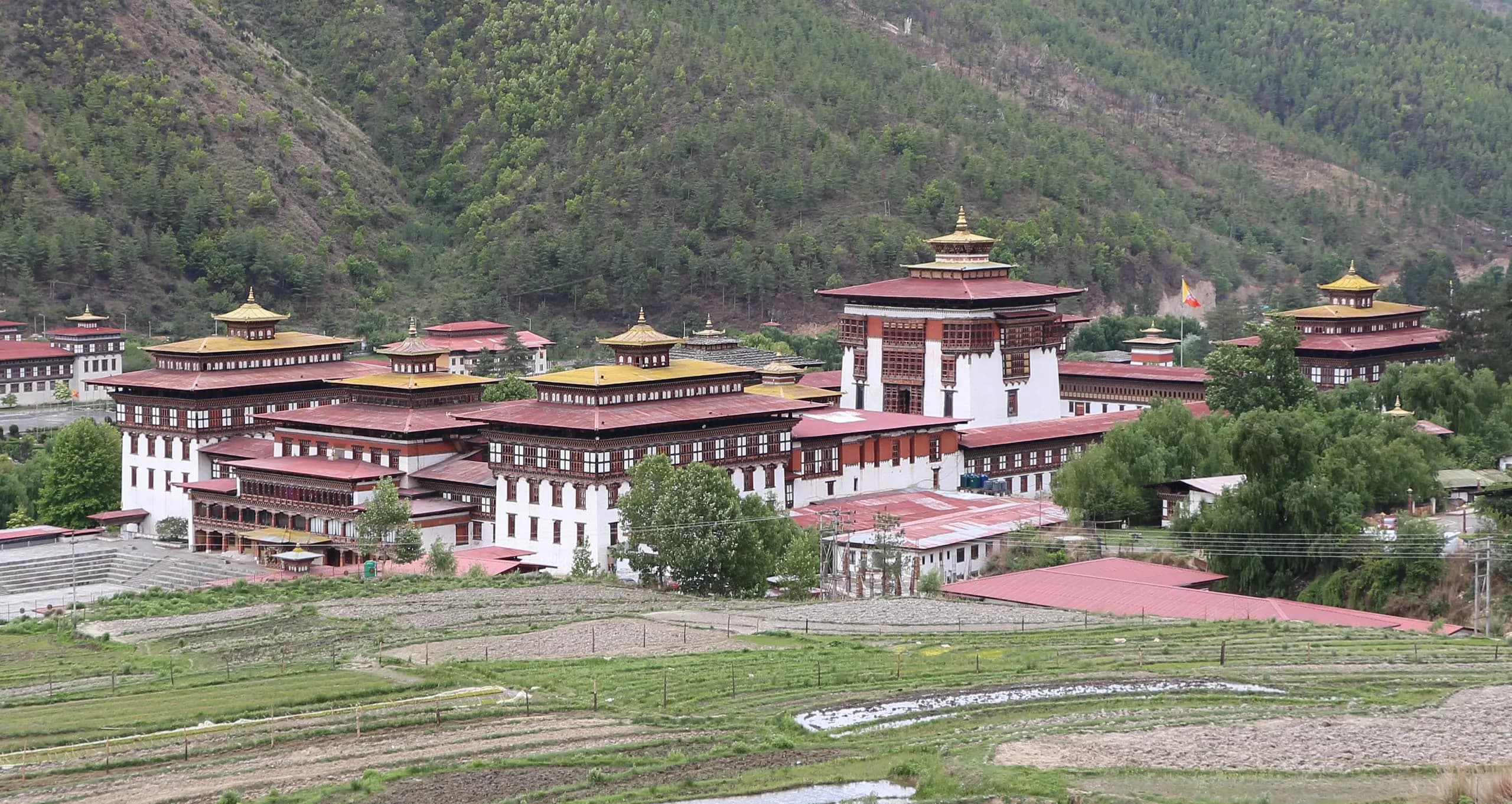 MonumentTashichho Dzong — the fortress of the auspicious religion, at the heart of Thimphu.Tashichho Dzong — the seat of Bhutan's central government and Je Khenpo summer residence in Thimphu. History, architecture, visiting.
What happened
Journeys that touch this
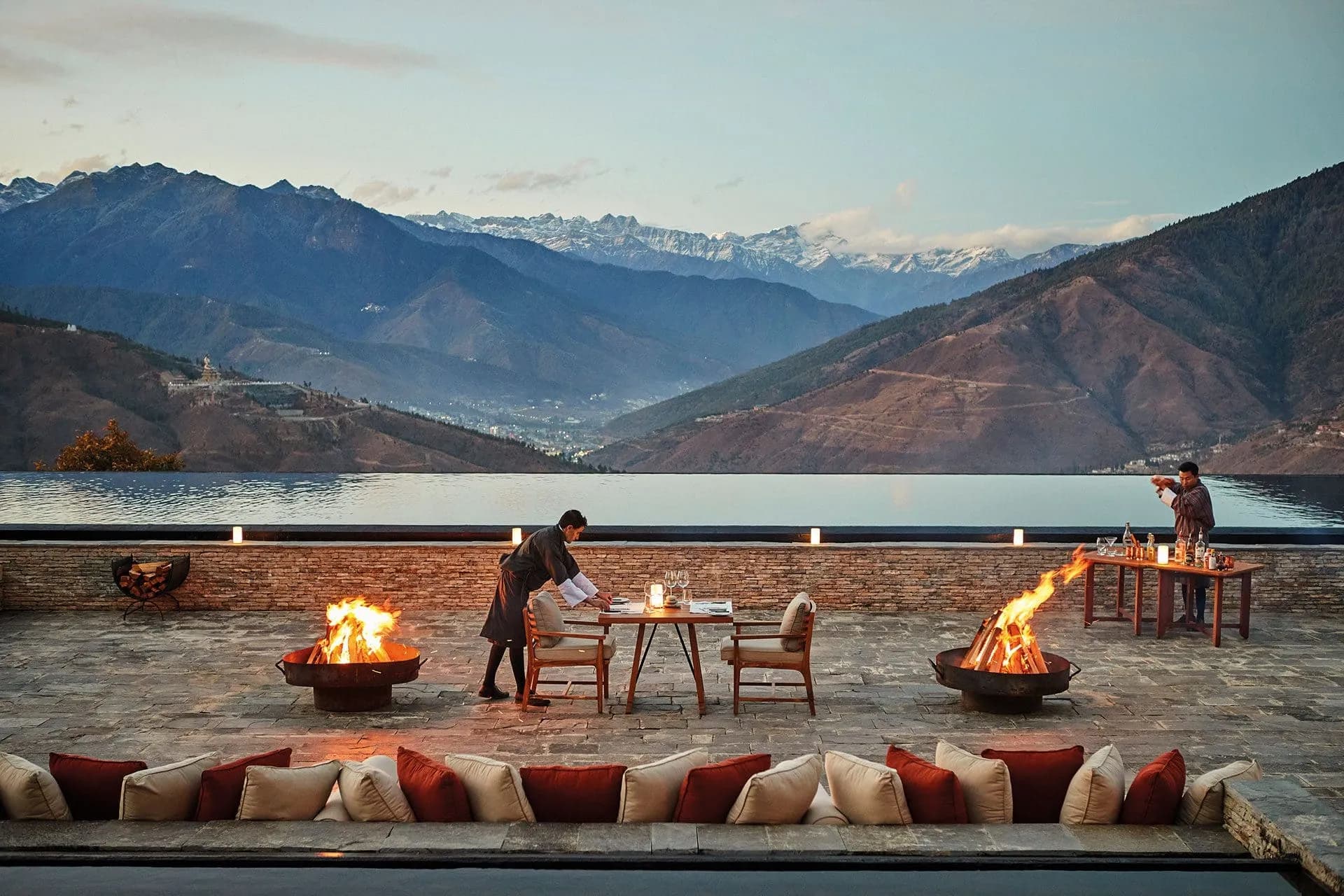 JourneyThe signature-tier Bhutan journey — private knowledgeable guide, the most considered lodge curation, helicopter or charter between valleys, exclusive-use arrangements where the season allows.The signature-tier Bhutan journey. Private knowledgeable guide, the most considered lodges, helicopter or PC-24 charter, exclusive-use arrangements. By invitation, from USD 14,000.
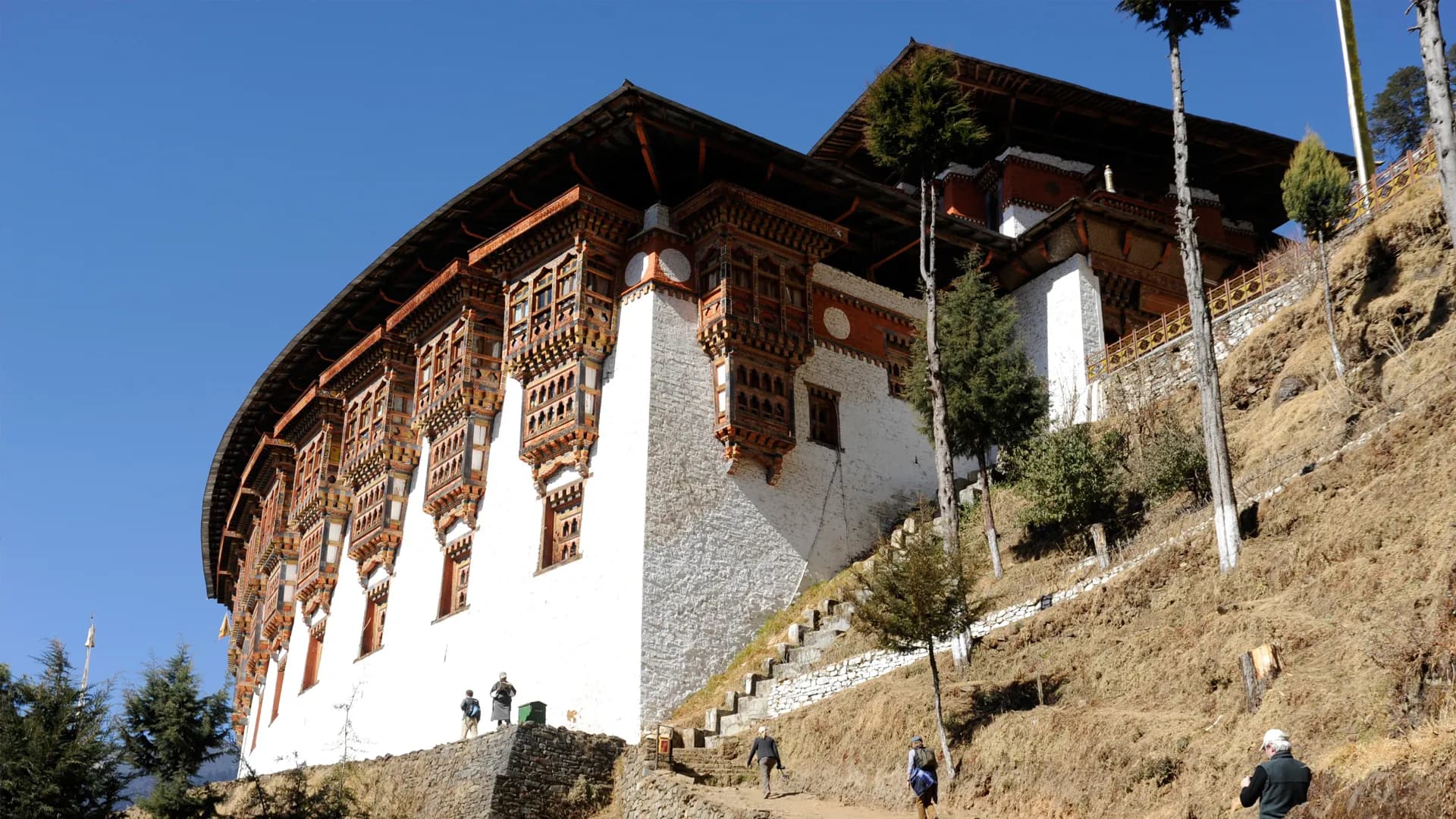 JourneyTen nights for the Buddhist pilgrim — the principal sites, with monastic context.A ten-night Bhutan Buddhist pilgrimage for Asian-Buddhist travellers. Monastic context; matched monastic-trained guide; Bumthang religious circuit.
 JourneyA nine-night Bhutan Buddhist journey for travellers from Thailand, Japan, and Korea — the Vajrayana tradition read comparatively against your own school, the principal monasteries, the knowledgeable monastic-trained matched guide.A nine-night Bhutan Buddhist journey for Thai, Japanese, and Korean travellers. Comparative Vajrayana / Theravada / Tendai / Zen / Seon. Knowledgeable monastic-trained guide.
Frequently asked
- What is the relationship between the Je Khenpo and the Druk Gyalpo?
- The Je Khenpo (Chief Abbot) and the Druk Gyalpo (King) are the two principal heads of state in the Bhutanese Choesi institutional framework — the religious-and-secular dual-government tradition that the Zhabdrung established in the 17th century. In the contemporary constitutional framework, the Druk Gyalpo is the head of state with secular institutional authority; the Je Khenpo is the principal religious head with authority over the Zhung Dratshang central monk body. Both offices operate within the broader institutional framework with mutual respect; the principal state-religious events typically include both registers.
- Can I meet the Je Khenpo during my trip?
- Essentially no — arranged audiences with the Je Khenpo are not available to international visitors. Visitors may see the Je Khenpo at the principal tshechu festivals or major state-religious events; the encounter is observational rather than personal. The matched guide knows the Je Khenpo's public schedule and briefs visitors where relevant.
- How is the Je Khenpo selected?
- Through the Bhutanese senior monastic council process. The position is held for life or until voluntary retirement; on succession, the senior monastic council identifies the most-suitable candidate from among the principal incarnate-lama and senior-monastic figures available. The principal qualifications are substantial religious-training accomplishment, recognised tulku status, and the institutional standing within the Drukpa Kagyu. The process operates independently within the religious institutional framework.

