A Bhutanese dzongkhag
Zhemgang — the south-central wild dzongkhag, the principal access to Royal Manas National Park.
Zhemgang is the south-central Bhutanese dzongkhag — one of the wildest and most-forested regions of the country, the principal access route to Royal Manas National Park (the principal Bhutanese subtropical-lowland protected area), and the home of the most Bhutanese broadleaf-forest. The dzongkhag is principally accessed for visitors with serious wildlife, birding, or wilderness interest; the dzongkhag-and-cultural context is less developed than the principal western and central Bhutanese circuits. The Royal Manas access alone makes Zhemgang one of the more rewarding dzongkhags for serious conservation-interested visitors.
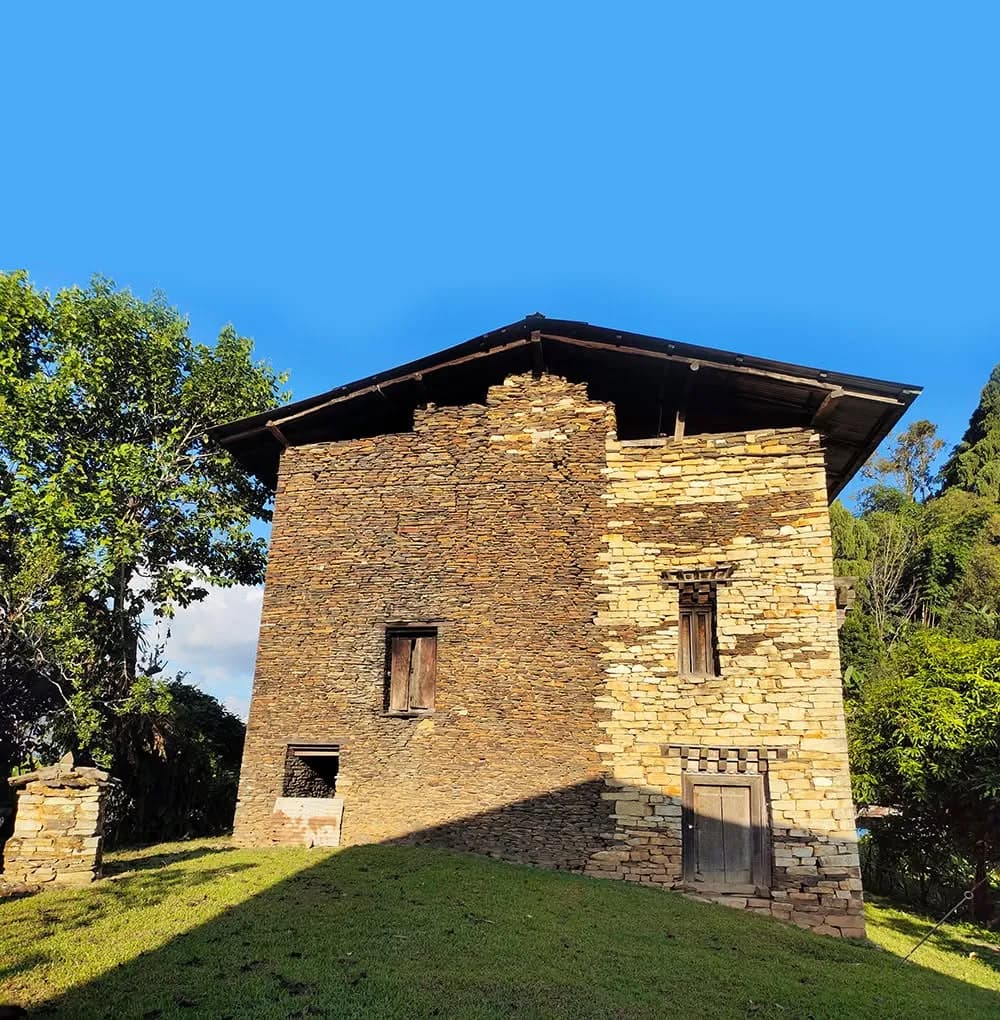
- District
- Zhemgang
- Altitude
- 1,900 m
- Kind
- dzongkhag
- Coordinates
- 27.217, 90.650
- Also known as
- Zhemgang Dzongkhag
Royal Manas National Park
Royal Manas National Park in the southern Zhemgang dzongkhag (also extending into the principal Sarpang and Pemagatshel dzongkhags) is the principal Bhutanese subtropical-lowland protected area — covering approximately 1,057 km² across the Bhutan-India border with India's Manas Tiger Reserve to the south. The subtropical broadleaf forest supports Bengal tiger populations (small but documented), substantial Asian elephant populations, the rufous-necked hornbill and great hornbill populations, the gaur (Indian bison) populations, the principal capped langur and assam macaque populations, and the broader wildlife. Access is principally through the guided-tourism route from Tingtibi (the Zhemgang lowland gateway) and onward into the park interior; the matched guide arranges the Royal Manas access for visitors with serious wildlife interest. See the birding experience for the avifauna register.
The broadleaf forest
Zhemgang's broadleaf forest is one of the more distinctive features of the dzongkhag. The mid-elevation forests (typically 1,500-2,500m across the dzongkhag's principal forested zones) support subtropical-and-temperate broadleaf species — the oak, magnolia, rhododendron, and the principal mid-elevation hardwood. The forest cover across Zhemgang is among the highest in the country; the conservation-and-protected-area system operates across approximately 50%+ of the dzongkhag's territory. The natural-forest experience that visitors encounter in Zhemgang is one of the more wilderness registers in contemporary Bhutan.
The cultural register
Zhemgang's cultural tradition is more modest than the principal western and central Bhutanese dzongkhags. The dzongkhag administration operates at Zhemgang town; the Zhemgang Dzong is the modest administrative-and-religious centre. The Khengkha-language register — the Khengpa (Khengkha-speaking) community of the central Zhemgang and adjoining Bumthang region operates within the broader Bhutanese national framework with distinctive linguistic-and-cultural features. The matched guide briefs visitors on the cultural-and-linguistic context where relevant; the cultural depth typically operates as a secondary register to the principal wildlife-and-wilderness interest that visitors typically have in the dzongkhag.
Visiting
- Access — via the central road network
- Zhemgang is accessed by road from the principal east-west road via the Tingtibi turn-off (approximately 3-4 hours from Trongsa, or 2-3 hours from Wangdue Phodrang via the Pele La crossing). The Tingtibi-Zhemgang and onward to Royal Manas requires substantial-vehicle-and-guide registers for the wildlife-tourism focus. The matched guide arranges the routing.
- Where to stay
- Standard government-rated hotels in Zhemgang town and Tingtibi. The Royal Manas eco-camp register provides the wildlife-tourism accommodation at the park interior. No premium-tier lodgings as of 2026 in the dzongkhag itself; visitors typically combine the Zhemgang-and-Manas visit with more-developed lodging at adjacent dzongkhags (Trongsa, Bumthang) for the broader trip framework.
- Best window
- October-April for the principal lowland; the Royal Manas wildlife-viewing window is principally November-April (the dry season when the broadleaf forest is substantially more open for wildlife observation). The June-September monsoon period makes the lowland access wet-and-difficult; wildlife observation is difficult during the wet season.
Where to go next
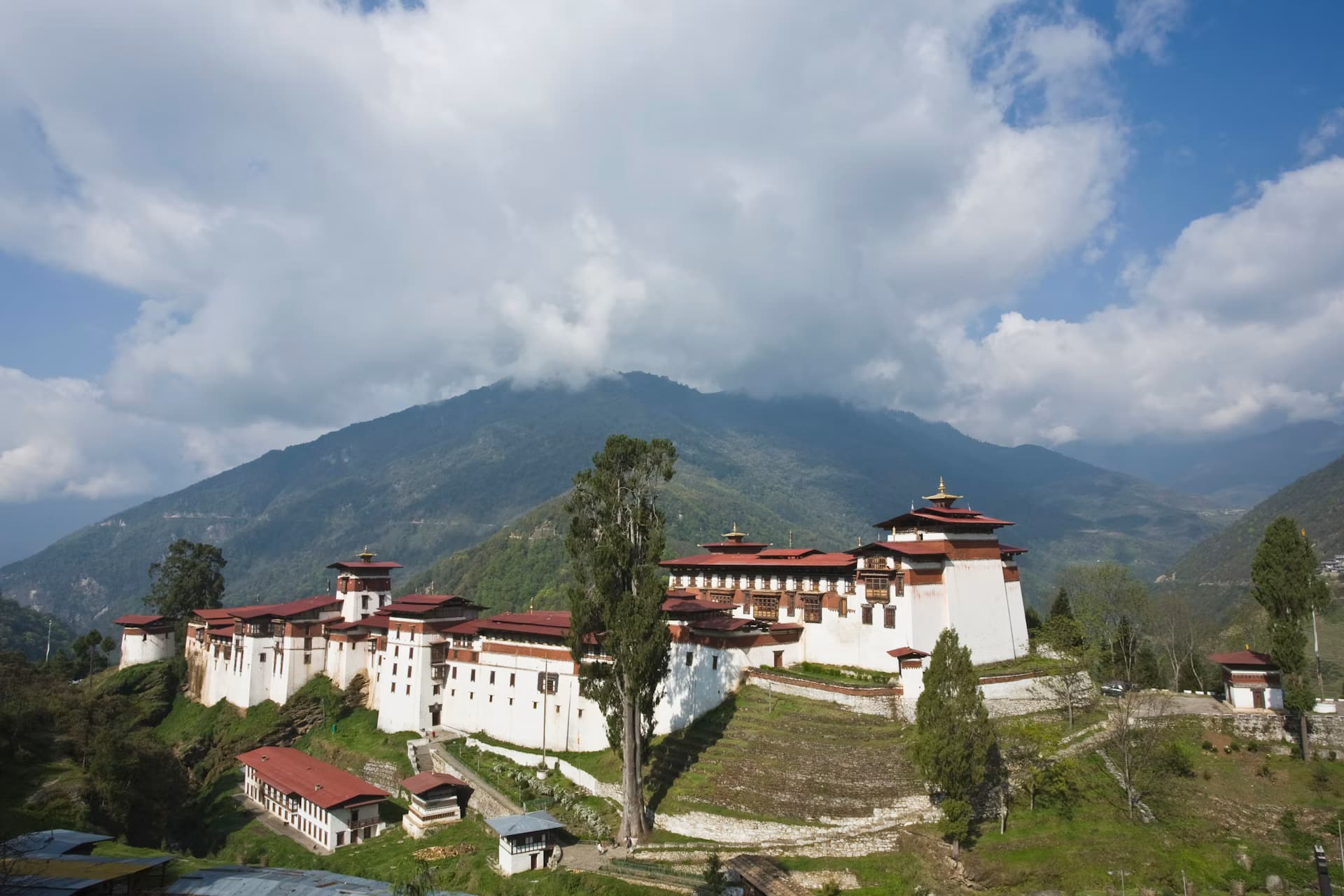
Journeys through here
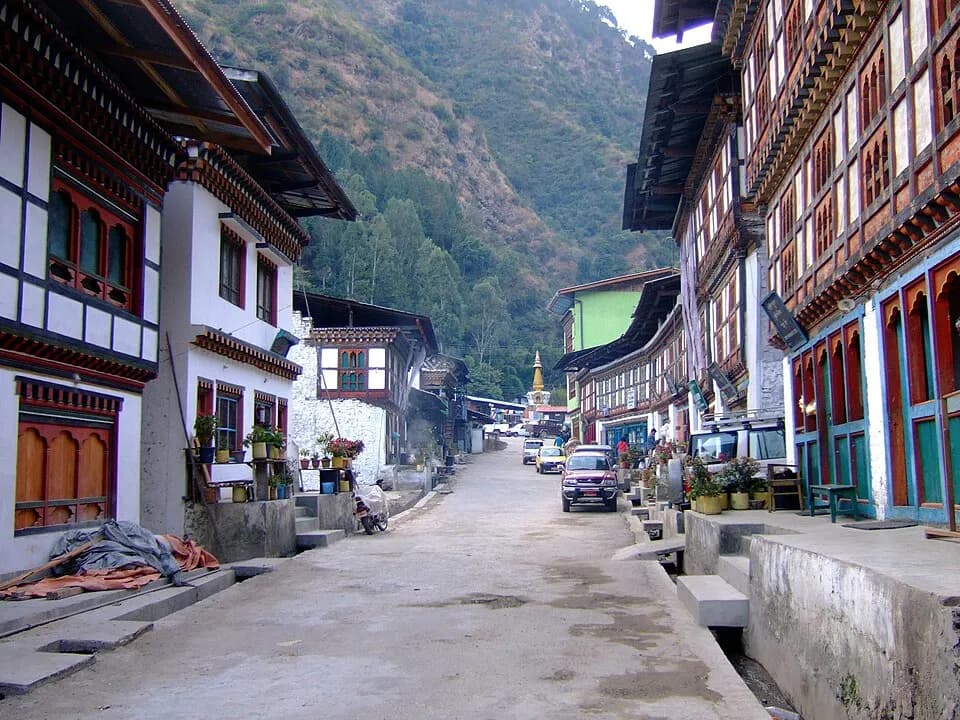 JourneyFourteen nights from Paro to Guwahati — the country as a single arc.A fourteen-night Bhutan east-to-west circuit exiting via Samdrup Jongkhar and Guwahati. The full eastern dzongkhags, the quieter half of the country.
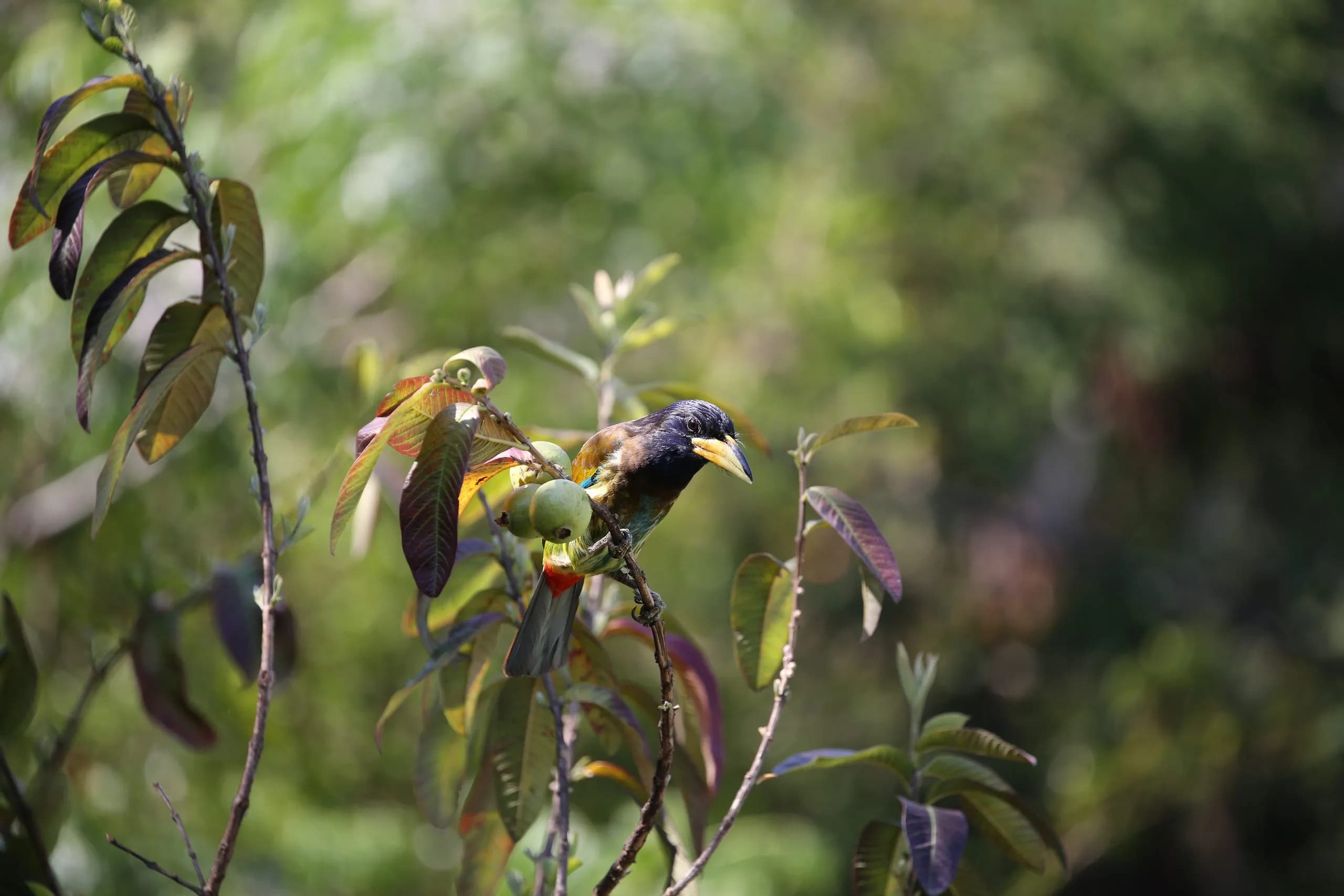 JourneyEight nights for the country's principal endemics — cranes at Phobjikha, the heron on the Punatsangchhu, the hornbills in the broadleaf belt.An eight-night Bhutan birding journey targeting the principal endemics — black-necked cranes at Phobjikha, white-bellied heron, hornbills, the beautiful nuthatch.
Frequently asked
- Can I see tigers in Bhutan?
- Possible but unlikely. Royal Manas National Park in southern Zhemgang holds the principal documented Bhutanese tiger population — the substantial 2014-2015 national tiger survey confirmed approximately 103 individual tigers across the principal Bhutanese tiger habitats. Visitor sightings remain rare given the dense broadleaf-forest cover and the low tiger density; committed wildlife-tourism itineraries (5-7+ day Royal Manas focus) provide the principal sighting probability. Most visitors come for the broader Royal Manas wildlife register (substantial elephants, gaur, langur, hornbill, birding) rather than the tiger-specific focus. See the carbon-negative Bhutan theme for the broader conservation framework.
- Is Zhemgang worth a detour?
- For visitors with serious wildlife, birding, or wilderness interest, yes — Zhemgang's Royal Manas access is the principal Bhutanese subtropical-lowland wildlife register and is essential for the conservation-focused itinerary. For general cultural visitors focused on the western and central Bhutanese circuits, Zhemgang is essentially off the typical itinerary; the matched guide briefs honestly on the trade-off.
- Can I cross into the Indian Manas Tiger Reserve from Bhutan?
- No — the Bhutan-India border is not open for cross-border tourism transit in this region. Visitors who want to visit both the Bhutanese Royal Manas and the Indian Manas Tiger Reserve must do so as separate trip components with separate entry through the principal Bhutanese and Indian visa-and-permit registers. The border closure between the two parks reflects the broader Bhutan-India border-management framework.

