A Bhutanese foundational event
The Zhabdrung Ngawang Namgyal's Arrival in Bhutan — 1616, the foundational moment of the unified Bhutanese state.
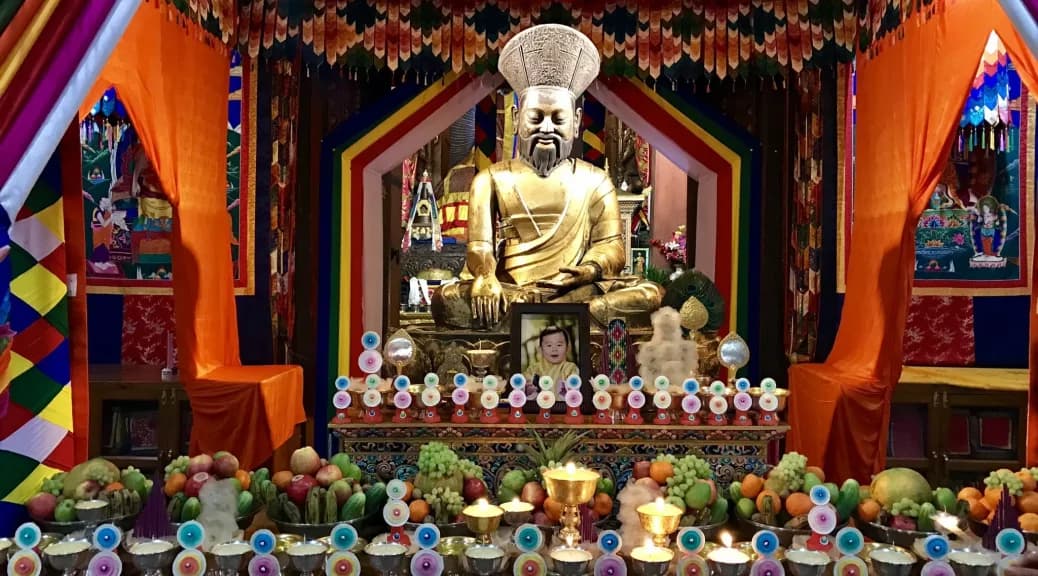
In 1616, Ngawang Namgyal — the 17th hierarch of the Drukpa Kagyu Ralung lineage — arrived in Bhutan from Tibet, fleeing the sectarian conflict at his ancestral seat of Ralung Monastery. His arrival is the foundational moment of the unified Bhutanese state: across the subsequent four decades he consolidated the principal Bhutanese valleys under unified institutional control, built the foundational dzongs that would house the new institutional framework, repelled multiple Tibetan invasions, codified the Bhutanese legal-and-administrative system, and established the Choesi dual-government framework that has operated continuously from his 17th-century institutional consolidation through the contemporary constitutional-democracy era.
1616 · Western Bhutan (entry through the Paro region)
- Year
- 1616
- Place
- Western Bhutan (entry through the Paro region)
- Register
- state event
- Also known as
- Zhabdrung's Arrival, Bhutan Unification, 1616 Zhabdrung
The arrival and the political context
Ngawang Namgyal arrived in Bhutan in 1616 fleeing the sectarian conflict at his ancestral seat of Ralung Monastery in southern Tibet. As the 17th hierarch of the Drukpa Kagyu Ralung lineage and the recognised incarnation of Tsangpa Gyare (the 12th-century Drukpa Kagyu founder), Ngawang Namgyal had been at the centre of a succession dispute over the Ralung throne; the rival claimant (a younger competing tulku candidate) had secured backing from the principal Gelug authorities in Tibet (the school of the Dalai Lama and the central-Tibetan political authority). Facing the Gelug-backed pressure, Ngawang Namgyal travelled south across the Himalayan range to Bhutan — where his Drukpa Kagyu lineage had been established four centuries earlier by Phajo Drukgom Zhigpo (see the Phajo Drukgom Zhigpo entry) and where multiple significant Drukpa-affiliated communities welcomed his arrival. His arrival is conventionally dated to 1616, with the preliminary consolidation of his authority across the western Bhutanese valleys completed across the subsequent years.
The institutional consolidation
Across the four decades from 1616 to his death in approximately 1651 (the date is disputed and the death-concealment tradition operated in the Bhutanese tradition; see the Zhabdrung entry for the detailed context), the Zhabdrung undertook the institutional-consolidation work that established the unified Bhutanese state. The dzong-construction programme — the foundational dzongs at Punakha (1637), Tashichho (Thimphu, originally 1641; rebuilt several times), Paro Rinpung (1646), Wangdue Phodrang (1638), and other principal sites were built across his lifetime as both defensive fortifications and institutional anchors. The legal-and-administrative framework — the Kathrim (Bhutanese legal code) was codified under his authority; the dzongkhag administrative framework was established. The military consolidation — five Tibetan invasions across his lifetime were repelled; the Bhutan-Tibet border was defensively established. The Choesi framework — the dual-government system separating the religious authority (the Je Khenpo) from the secular authority (the Druk Desi) under the Zhabdrung's overall framework was institutionalised.
What this means for the contemporary visitor
The 17th-century Zhabdrung consolidation is the foundational institutional framework that contemporary Bhutan operates within. The principal dzongs that international visitors encounter — Punakha Dzong, Tashichho Dzong, Paro Rinpung Dzong, Wangdue Phodrang Dzong, Trongsa Dzong — are all the Zhabdrung-era foundations (with subsequent restoration, but the institutional sites are the Zhabdrung's). The substantial Choesi institutional framework — the Je Khenpo and the secular government — operates today within the 2008 constitutional-democracy framework but maintains the Zhabdrung-era institutional continuity. The substantial cultural-and-religious tradition that contemporary Bhutan operates within — the Drukpa Kagyu institutional anchor, the dzong-administration framework, the Bhutanese legal-and-administrative tradition — all trace back to the 1616 arrival and the subsequent four decades of consolidation.
Who was there
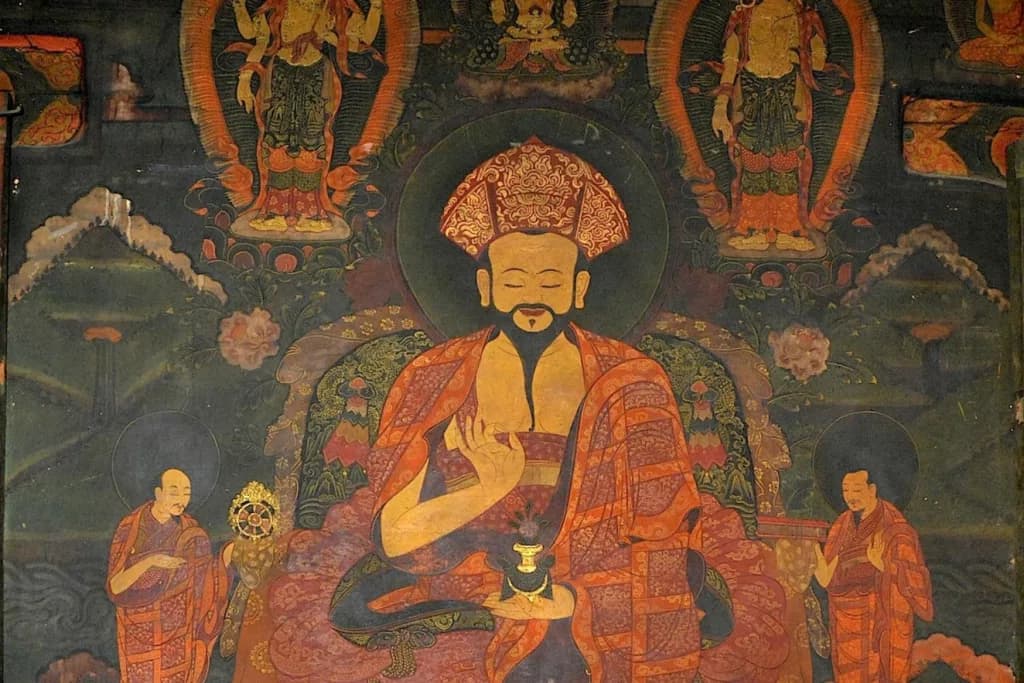 PersonThe Zhabdrung Ngawang Namgyal — the 17th-century unifier of Bhutan, the founder of the modern Bhutanese state.The Zhabdrung Ngawang Namgyal (1594-1651) — the founder of unified Bhutan. The 17th-century Drukpa Kagyu lama who built the dzong system and repulsed Tibetan invasions.
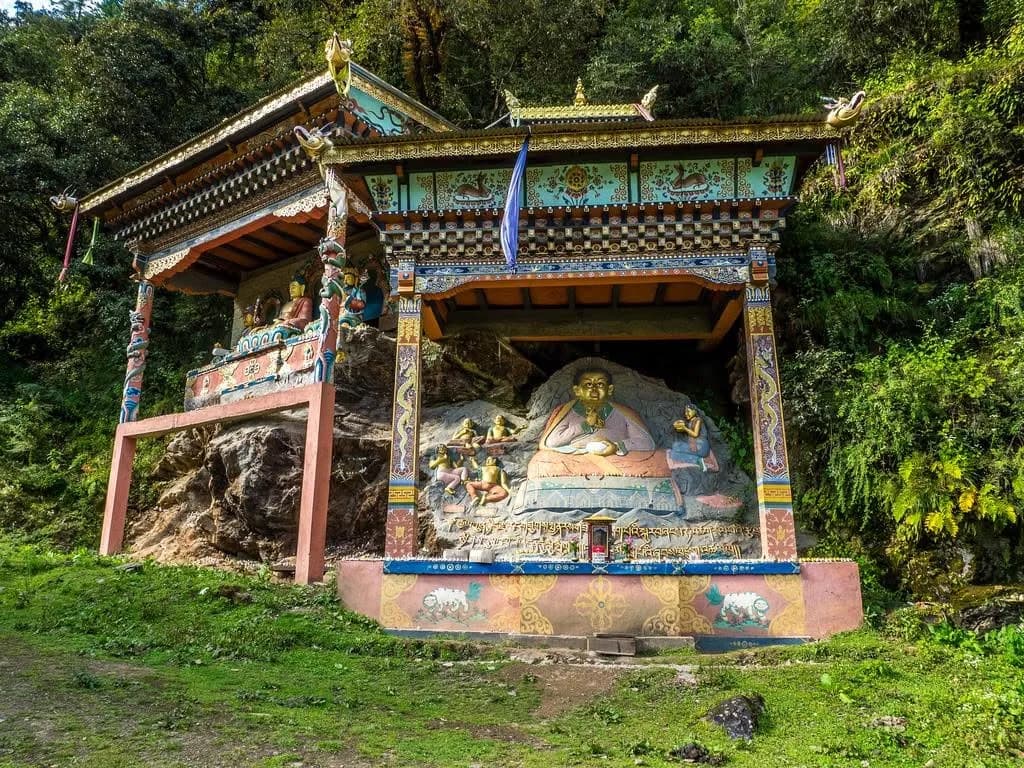 PersonPhajo Drukgom Zhigpo — the 13th-century lama who brought the Drukpa Kagyu tradition to Bhutan.Phajo Drukgom Zhigpo — the 13th-century lama who brought the Drukpa Kagyu to Bhutan. Founded Tango and Cheri Goembas above Thimphu. The foundational religious figure.
Where it stands now
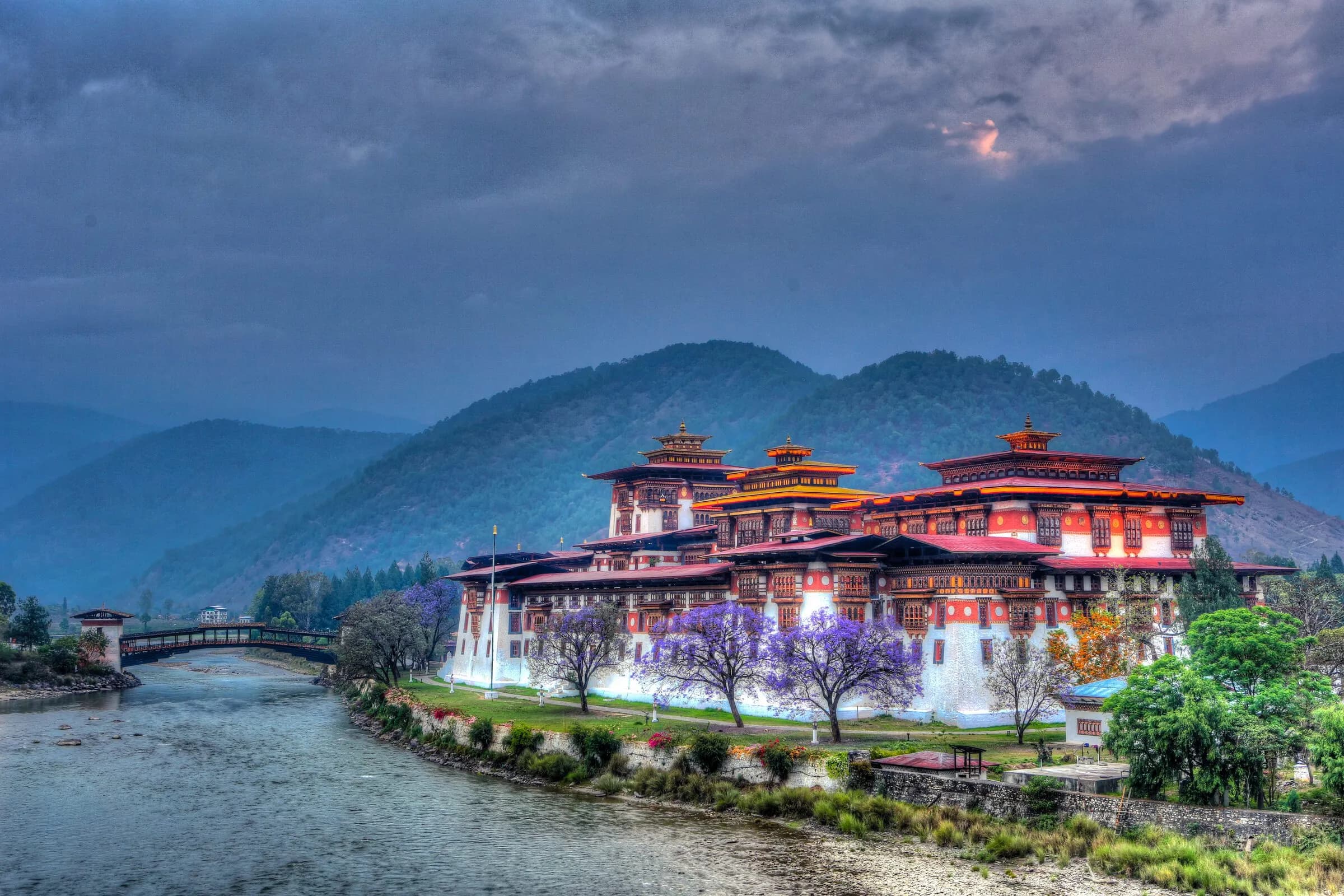 MonumentPunakha Dzong — Pungtang Dechen Phodrang, founded 1638 at the confluence of the father and mother rivers.Punakha Dzong — the Palace of Great Happiness, founded 1638. The history, the architecture, what to expect on a visit.
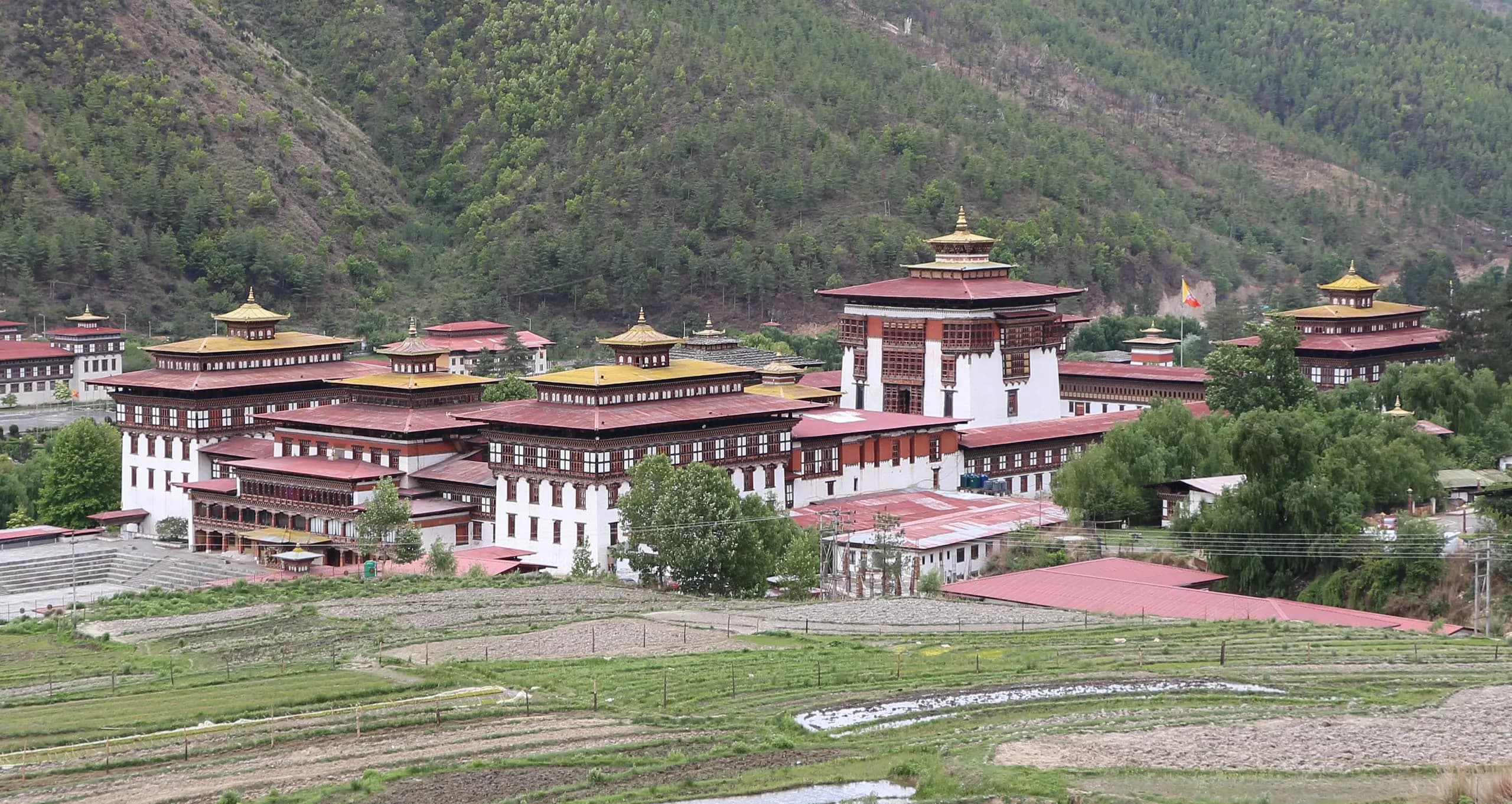 MonumentTashichho Dzong — the fortress of the auspicious religion, at the heart of Thimphu.Tashichho Dzong — the seat of Bhutan's central government and Je Khenpo summer residence in Thimphu. History, architecture, visiting.
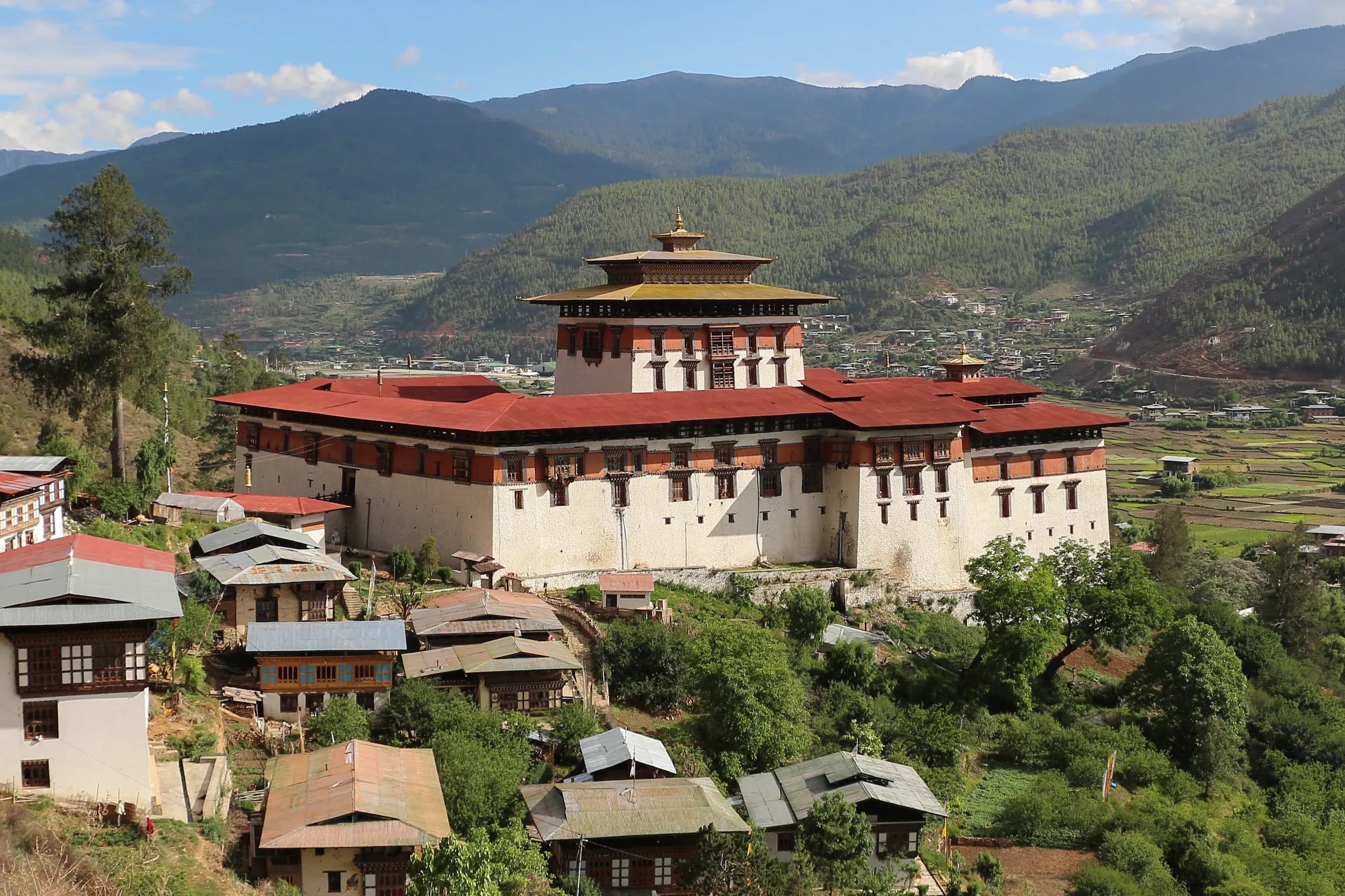 MonumentRinpung Dzong — 'the fortress on a heap of jewels,' the architectural masterpiece of the Paro valley.Rinpung Dzong (Paro Dzong) — the heap of jewels, founded 1644. History, architecture, visiting, the Paro Tshechu venue.
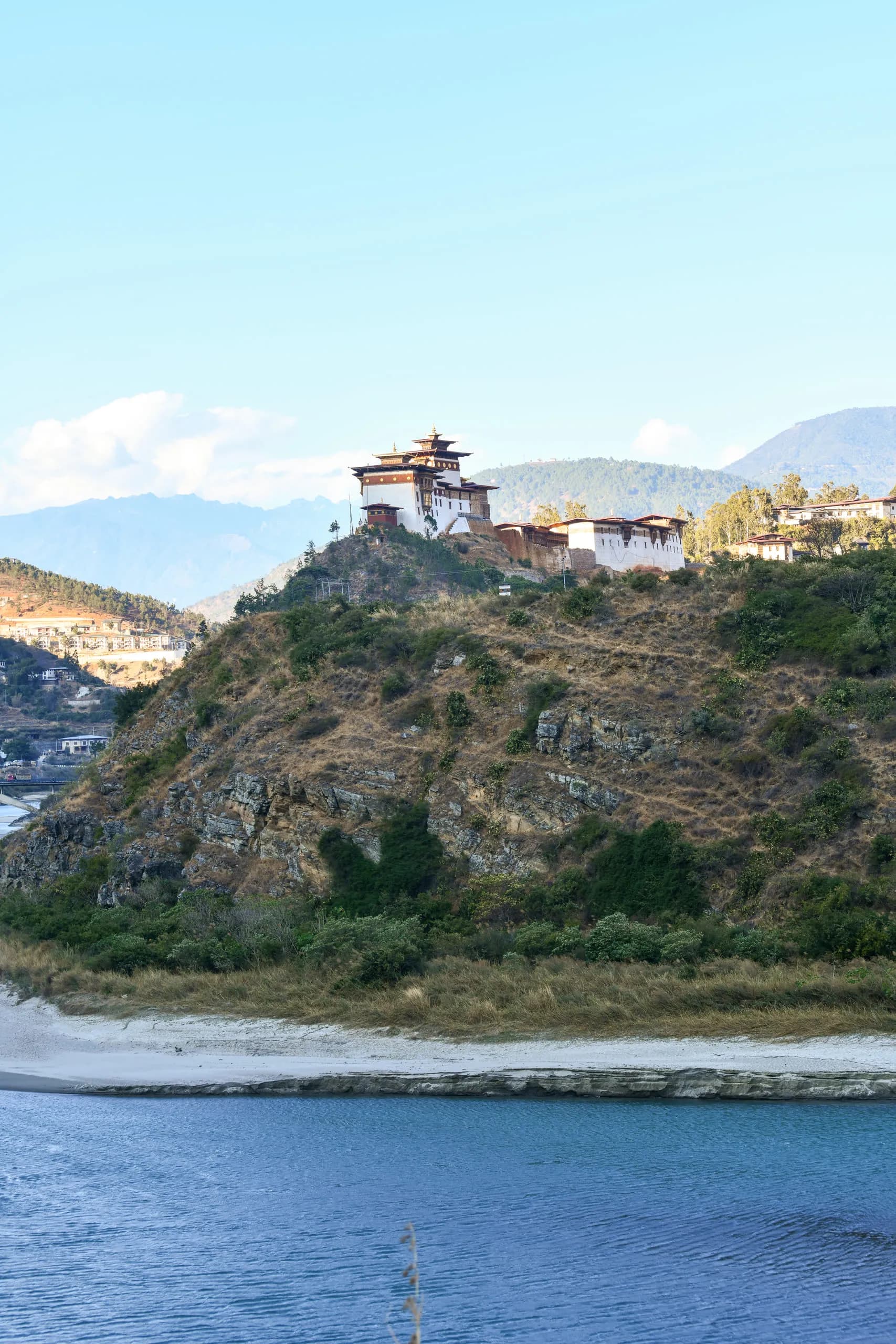 MonumentWangdue Phodrang Dzong — founded 1638, burned 2012, reopened in 2022 after a decade-long royal restoration.Wangdue Phodrang Dzong — founded 1638, burned 2012, rebuilt and reopened 11 November 2022. The history, the restoration, visiting.
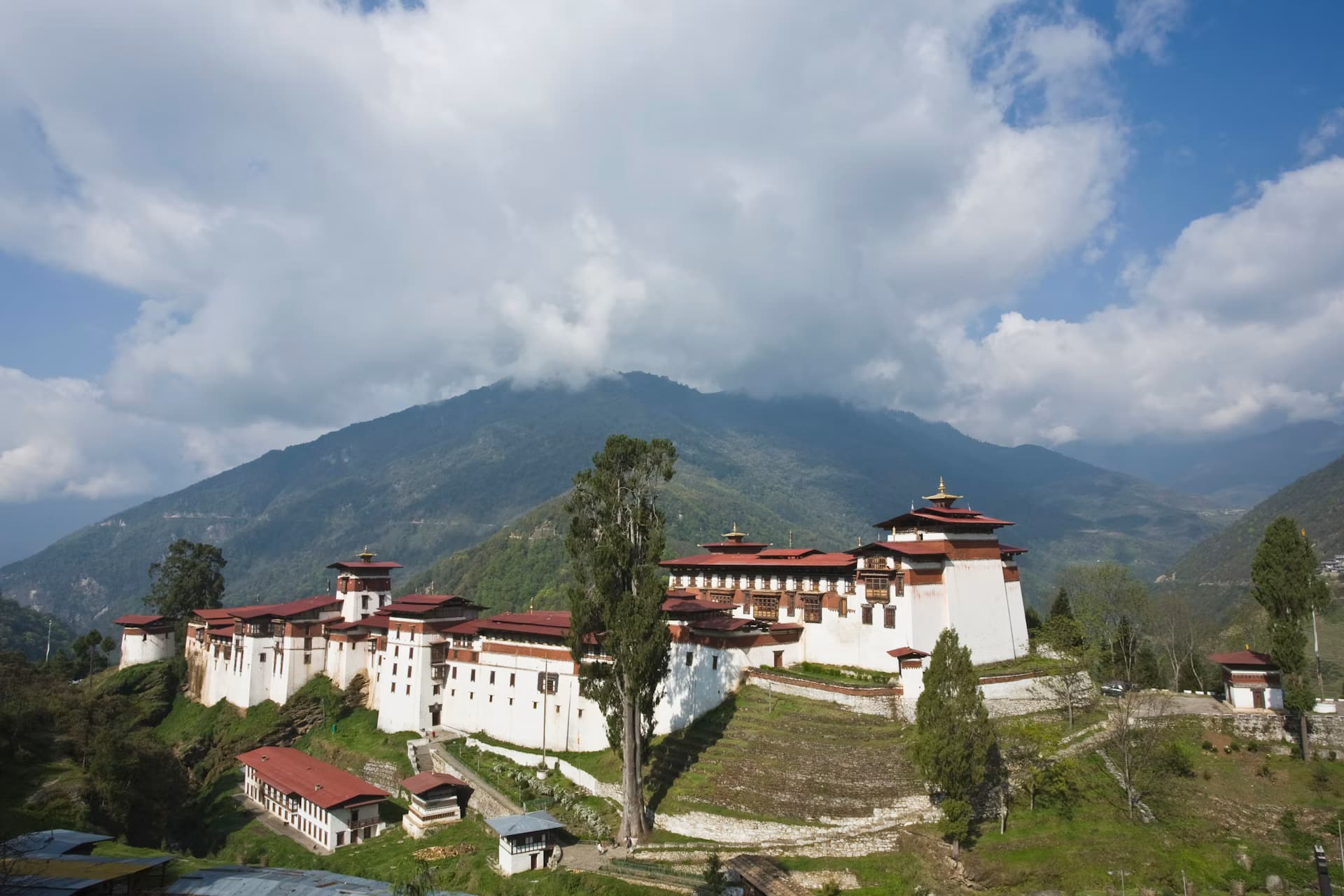 MonumentTrongsa Dzong — the largest dzong in Bhutan, on the high ridge above the Mangde Chhu gorge.Trongsa Dzong — the ancestral seat of the Wangchuck dynasty, the largest dzong in Bhutan. History, the Royal History Museum, visiting.
The wider idea
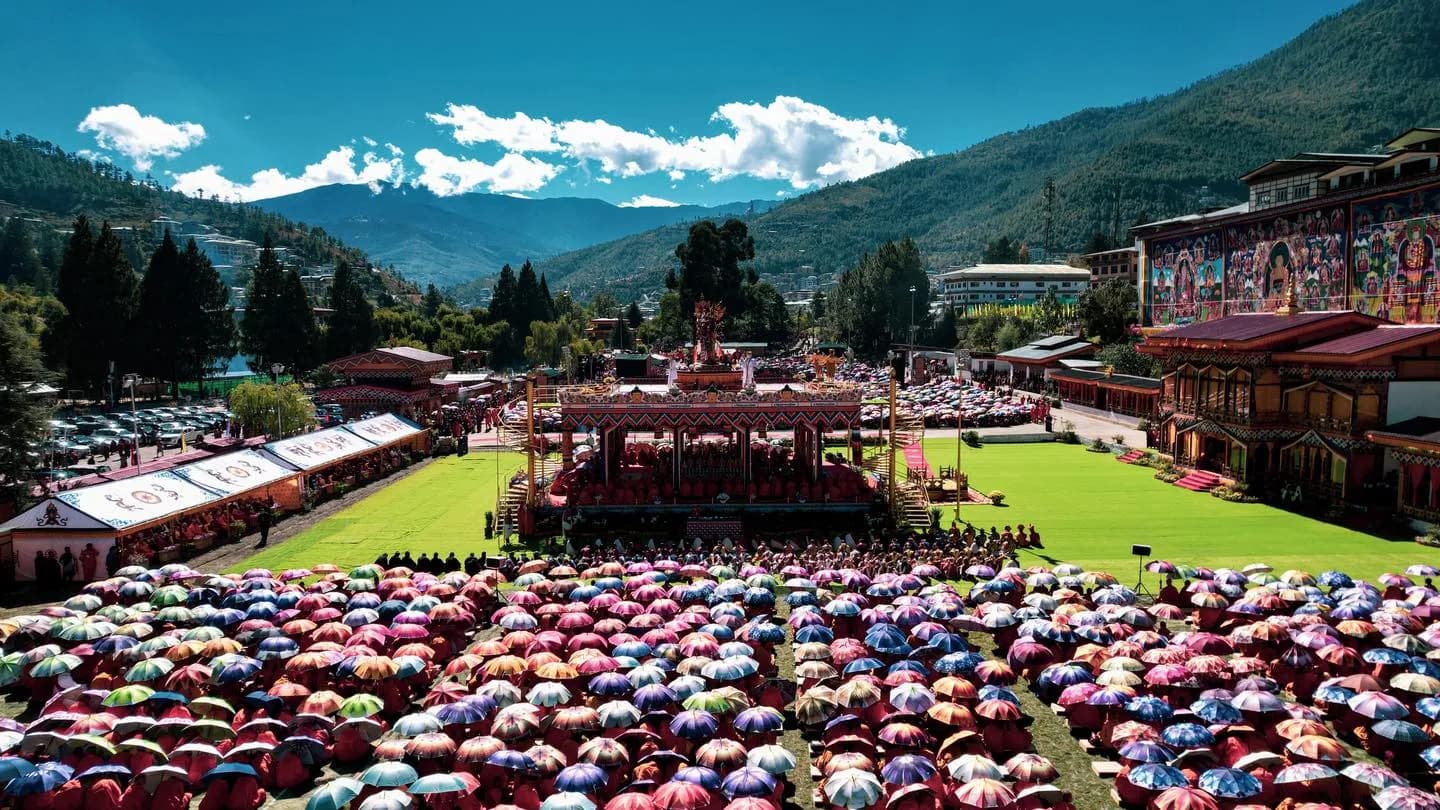 ThemeThe Drukpa Kagyu — the principal Buddhist tradition of Bhutan, the state-religious institutional tradition.The Drukpa Kagyu — the principal Buddhist tradition of Bhutan. State-religious institutional. The Zhabdrung's lineage, the Zhung Dratshang's home tradition.
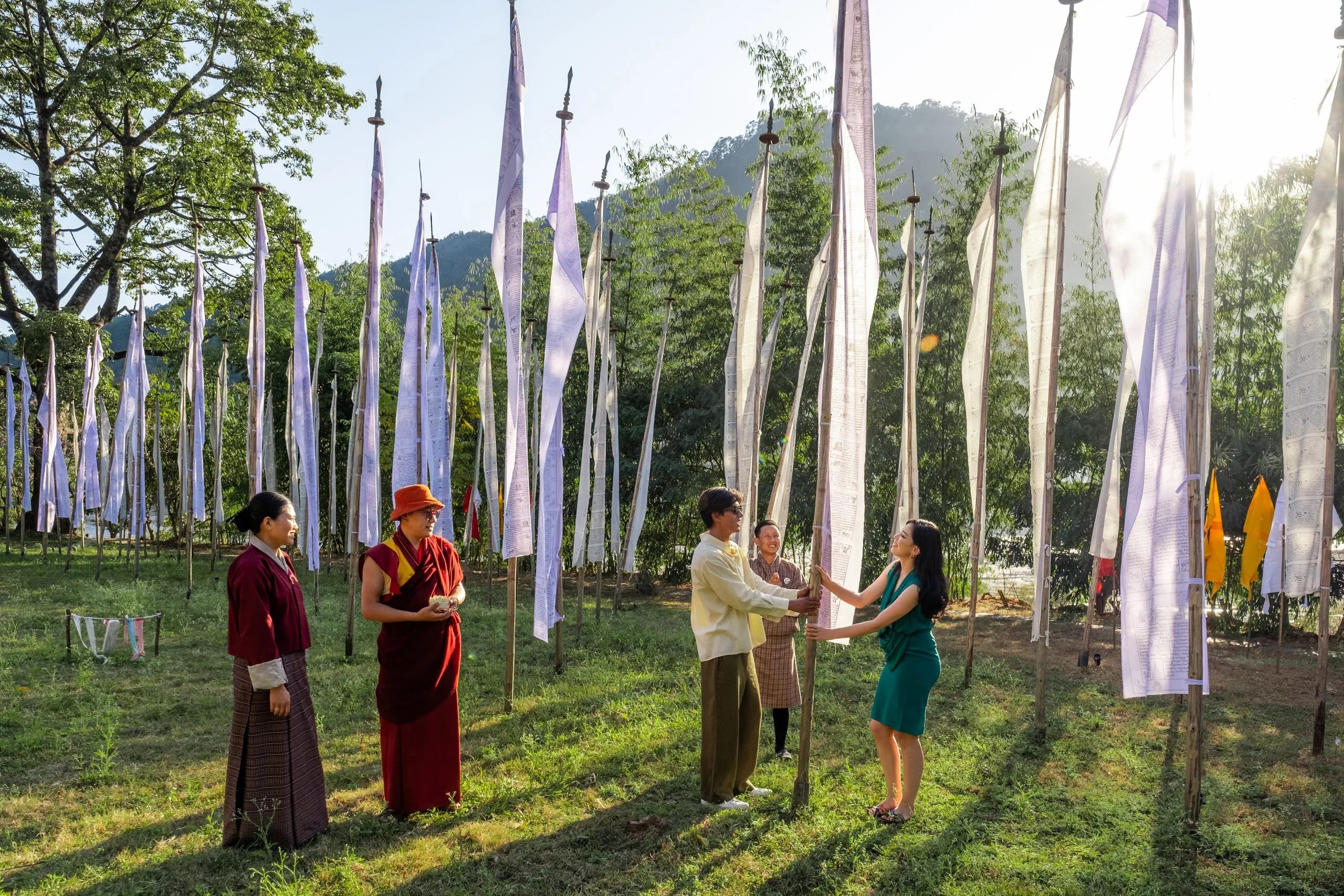 ThemeVajrayana Buddhism — the substance of every dzong, every monastery, every tshechu.Vajrayana Buddhism — the branch of Buddhism that shapes Bhutanese religious life. Drukpa Kagyu, Nyingma, Guru Rinpoche; mantra, mandala, deity yoga.
- ThemeThe Wangchuck dynasty — the hereditary monarchy of Bhutan since 17 December 1907.The Wangchuck dynasty — the hereditary monarchy of Bhutan since 17 December 1907. Five reigning monarchs across five generations. The contemporary state's institutional spine.
Journeys that touch this
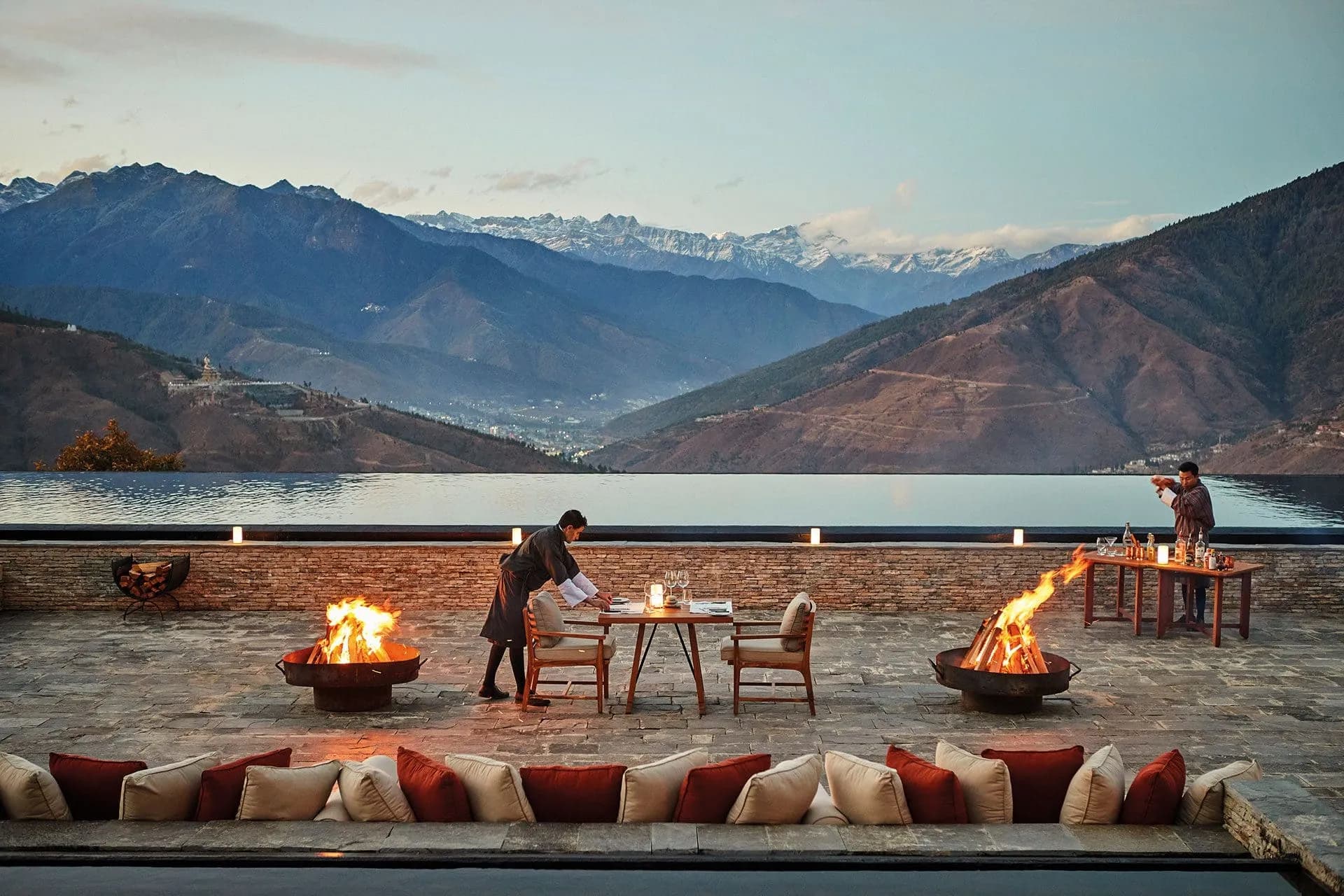 JourneyThe signature-tier Bhutan journey — private knowledgeable guide, the most considered lodge curation, helicopter or charter between valleys, exclusive-use arrangements where the season allows.The signature-tier Bhutan journey. Private knowledgeable guide, the most considered lodges, helicopter or PC-24 charter, exclusive-use arrangements. By invitation, from USD 14,000.
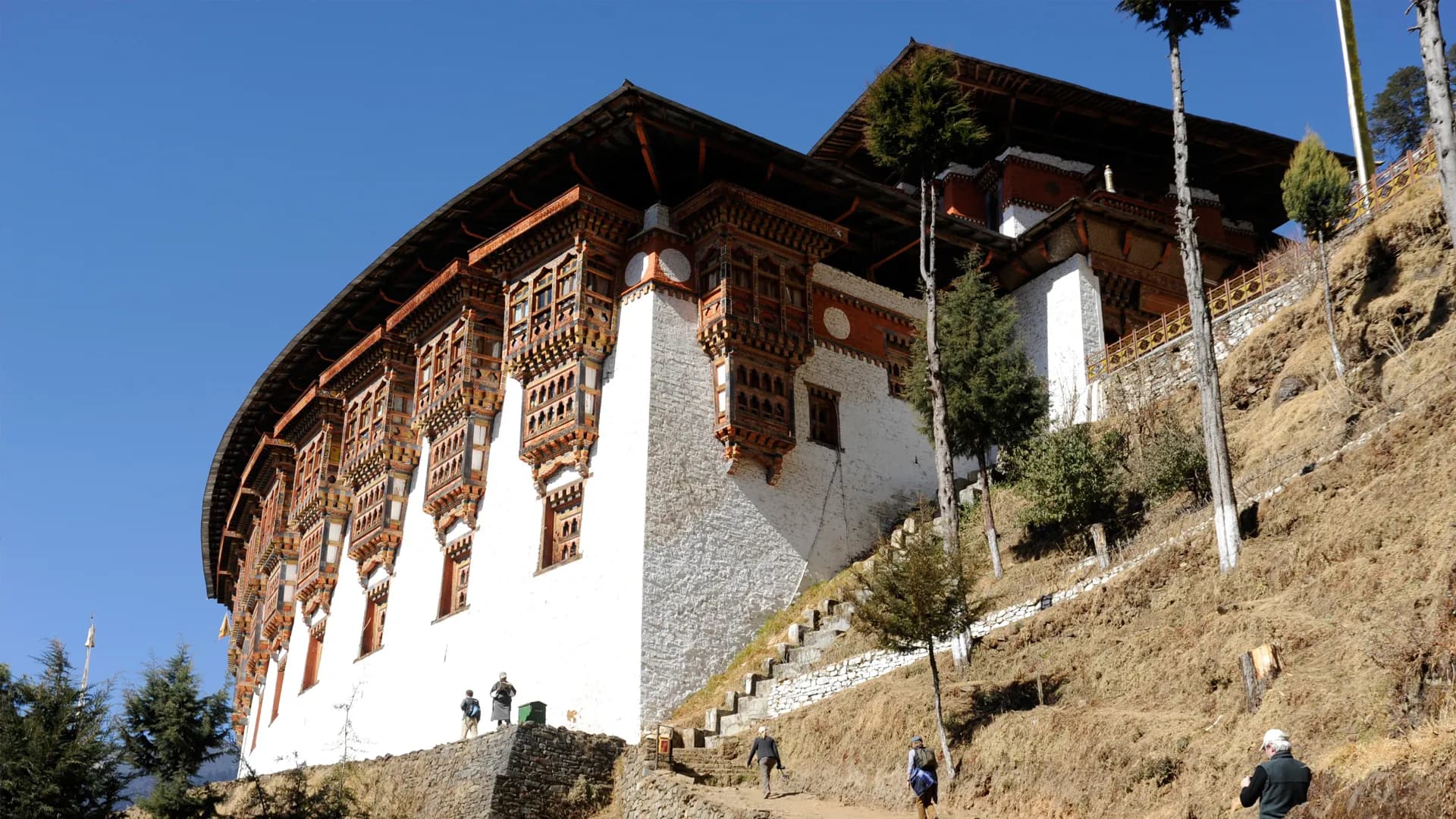 JourneyTen nights for the Buddhist pilgrim — the principal sites, with monastic context.A ten-night Bhutan Buddhist pilgrimage for Asian-Buddhist travellers. Monastic context; matched monastic-trained guide; Bumthang religious circuit.
Frequently asked
- Was Bhutan unified before the Zhabdrung's arrival?
- No — the pre-Zhabdrung Bhutanese political landscape was fragmented across multiple substantial valley-level lay and religious authorities. The Drukpa Kagyu tradition that Phajo Drukgom Zhigpo had brought to Bhutan in the 13th century had developed substantial community presence across multiple valleys but had not unified the country institutionally. The Zhabdrung's substantial four-decade consolidation work — institutionally, militarily, religiously, legally — is what produced the unified Bhutanese state that has operated continuously since.
- How did the Zhabdrung repel the Tibetan invasions?
- Through the combination of dzong-fortification (the dzongs operating as defensive strongholds), military leadership (the Zhabdrung was regarded as a military strategist), and substantial religious-protective framework (the principal Bhutanese tradition holds that the Zhabdrung invoked the protective deities to defeat the invading forces). Five Tibetan invasions across his lifetime were repelled; the military-and-religious-victory tradition is part of the Zhabdrung cultural-and-historical narrative.
- Where can I see the Zhabdrung's foundational sites today?
- Throughout western and central Bhutan. Punakha Dzong — the principal Zhabdrung institutional foundation, the historical winter capital, the principal Zhabdrung relics. Tashichho Dzong — the contemporary summer capital, the Zhabdrung institutional continuation. Paro Rinpung Dzong — the Zhabdrung foundation at Paro. Wangdue Phodrang Dzong — the principal substantial Zhabdrung dzong (currently in the closing phase of restoration after the 2012 fire). Trongsa Dzong — the central-Bhutanese Zhabdrung foundation. Each provides substantial access to the foundational Zhabdrung-era institutional. See the Zhabdrung entry for the broader context.

