A Bhutanese natural feature
Bhutanese mountains — the principal 7,000m+ peaks, the closed-summit tradition, the trekking-and-pilgrimage context.
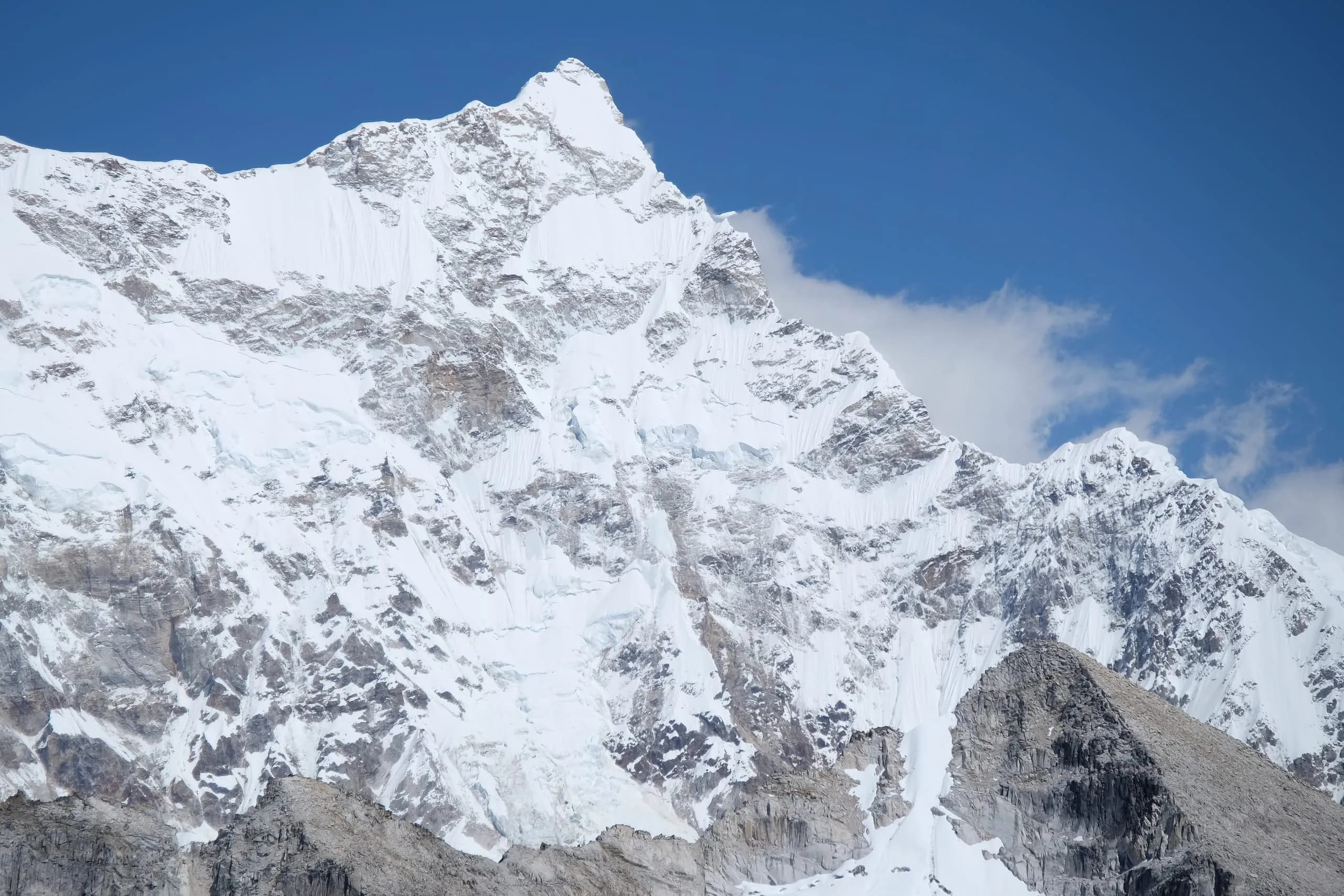
Bhutan's principal mountains sit on the northern border with Tibet — substantial 7,000m+ peaks across the Eastern Himalaya including Gangkhar Puensum (7,570m, the highest peak in Bhutan and the highest unclimbed mountain in the world), Jhomolhari (7,326m, the sacred mountain), Jichu Drake (6,989m), Masagang (7,158m), Tsendagang (7,300m), and Kula Kangri (7,538m, on the Bhutan-China border). The closed-summit tradition — Bhutanese law prohibits climbing above 6,000m since 2003 (and effectively all major peaks since 1994) — preserves the sacred character of the principal peaks. Visitors access the mountains through trekking, photography from the principal viewpoints, and pilgrimage at the foothill religious sites.
- Register
- tradition
- Also known as
- Bhutan Himalayas, Bhutanese Eastern Himalaya, Bhutan peaks
In short
Bhutan's principal mountains include Gangkhar Puensum (7,570m, the highest unclimbed peak in the world), Jhomolhari (7,326m), Jichu Drake (6,989m), Masagang (7,158m), Kula Kangri (7,538m). All major peaks closed to climbing since 1994 (with the 2003 6,000m+ ban formalising the tradition). Sacred-peak register preserved.
The principal peaks
Bhutan's substantial 7,000m+ peaks sit on the northern border with Tibet across the Eastern Himalayan range. Gangkhar Puensum (7,570m, sometimes 7,541m in older sources) — the highest peak in Bhutan and the highest unclimbed mountain in the world; sits in the Wangchuck Centennial National Park on the northern Bumthang border. Jhomolhari (also Chomolhari, 7,326m) — the principal sacred mountain, on the Bhutan-Tibet border in the Paro/Haa region; the goddess Jomo Lhari (whence the name) is held to reside on the peak. Kula Kangri (7,538m) — on the Bhutan-China border in the far north; the second-highest peak in Bhutan. Jichu Drake (6,989m) — adjacent to Jhomolhari, the principal companion peak; widely photographed from the Jhomolhari trek viewpoints. Masagang (7,158m) — to the east of Jhomolhari in the Lingshi region. Tsendagang (7,300m) and Tarigang (7,300m) — the eastern peaks visible from Dochu La on clear winter mornings.
The closed-summit tradition
Bhutanese law prohibits climbing above 6,000m since 2003 (and effectively all major peaks since 1994 when commercial mountaineering was largely suspended). The framework reflects the Bhutanese cultural-religious tradition — the principal peaks are held to be the residences of protective deities, and physical summiting is held to disturb the spiritual integrity of the peak. Gangkhar Puensum has never been successfully climbed; several international expeditions attempted the summit before the 1994 climbing suspension; the peak's status as the highest unclimbed mountain in the world reflects the Bhutanese protective register rather than any technical difficulty (Gangkhar Puensum is technically less demanding than several lower climbed Himalayan peaks). Jhomolhari has been summited a small number of times historically (the principal climbs in the 1930s and 1970s) but is now closed; the sacred-mountain tradition makes Jhomolhari one of the more strictly-protected peaks. The closed-summit tradition is one of the more-distinctive features of the Bhutanese environmental-and-religious framework; few other countries maintain this register at the level of explicit legal prohibition.
How visitors access the mountains
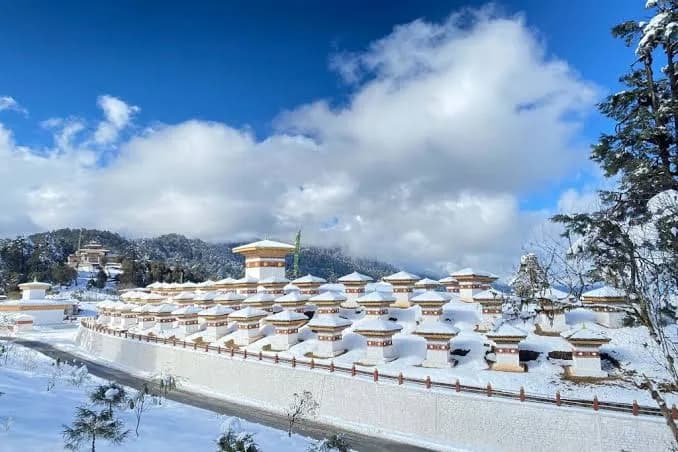
Trekking is the principal access route — see the Chomolhari Lingshi trek, the Chomolhari Yaksa trek, the Laya Lingshi trek, and the Snowman Trek for the principal routes that approach the peaks from the south. The trek viewpoints typically reach 4,500-5,500m altitude with views of the principal peaks; the trekker accesses the foothill base-camp register without summiting. Road-and-viewpoint access — Dochu La (3,100m, on the Thimphu-Punakha road) provides the principal road-accessible Himalayan panorama on clear winter mornings; Chele La (3,810m, on the Paro-Haa road) provides the closest road access to Jhomolhari; Pele La (3,420m) and other passes provide views toward the central and eastern peaks. See the Dochu La entry. Helicopter access — Royal Bhutan Helicopter Services arranges premium-tier scenic flights to the principal peak-viewing positions for visitors with serious interest and the budget; typically USD 5,000-10,000 for the scenic flight. The matched guide arranges all three registers as appropriate to the visitor's interest and itinerary.
The sacred-mountain register
Each of the principal Bhutanese peaks operates within a sacred-mountain register in the Bhutanese cultural tradition. Jhomolhari is the residence of the goddess Jomo Lhari; the principal Bhutanese-Tibetan tradition holds substantial protective-deity content for the peak. Gangkhar Puensum is held to be inhabited by multiple protective deities; the closed-summit tradition reflects this sacred status. Jichu Drake and the principal eastern peaks have their own protective-deity associations. The principal foothill religious sites — Jangothang (the principal Jhomolhari trek base camp, with views of Jhomolhari and Jichu Drake), the chortens at the trek high-pass points, the principal sacred lakes (Tshophu, Tsho Lhamo) — operate within the broader sacred-mountain. The matched guide briefs visitors on the cultural-and-religious context throughout the trekking experience.
Related ideas
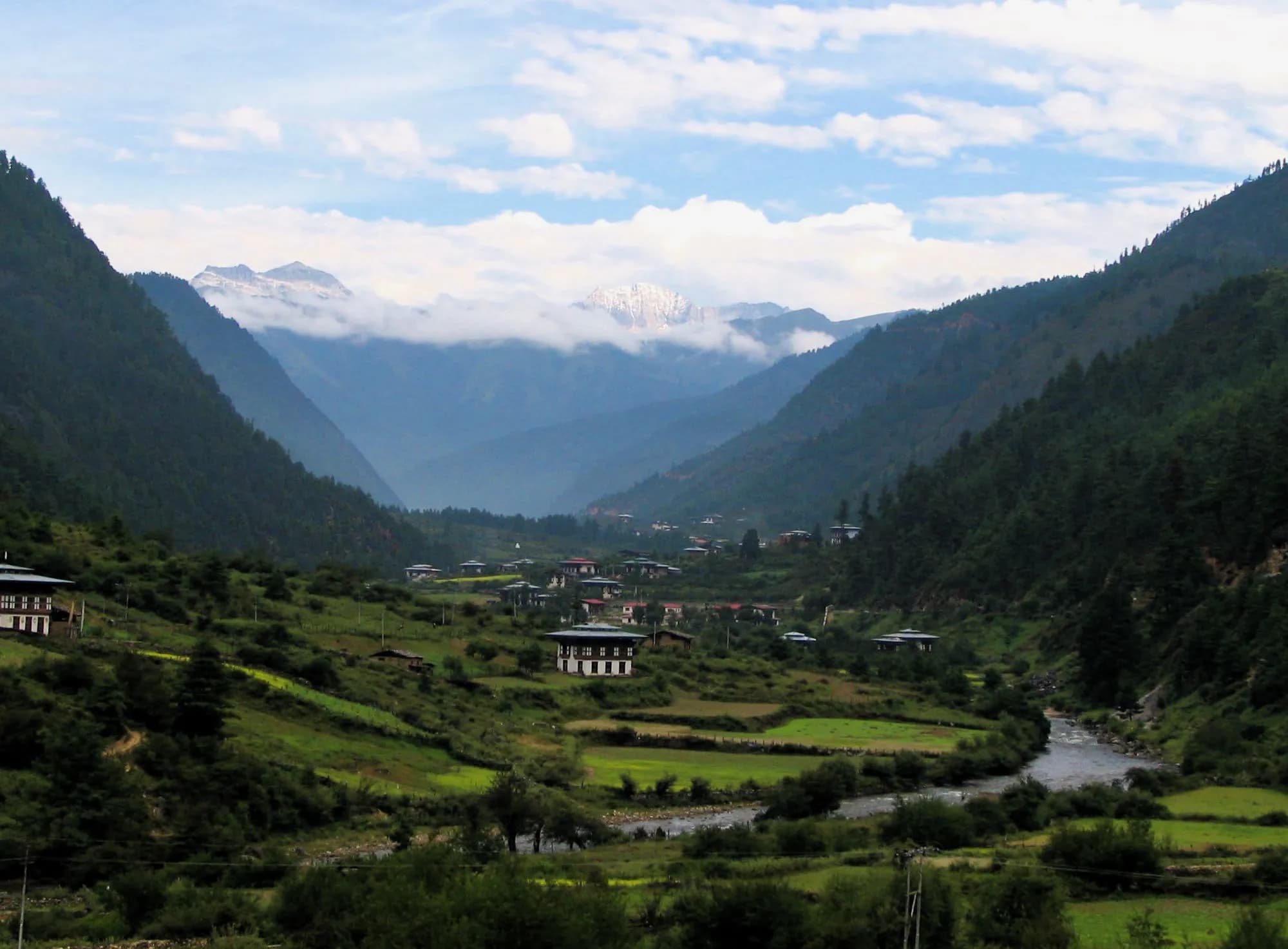 ThemeCarbon-negative Bhutan — one of three carbon-negative countries in the world, the constitutional 60% forest cover.Carbon-negative Bhutan — one of three carbon-negative countries in the world. Constitutional 60% forest cover. The hydropower-and-conservation framework.
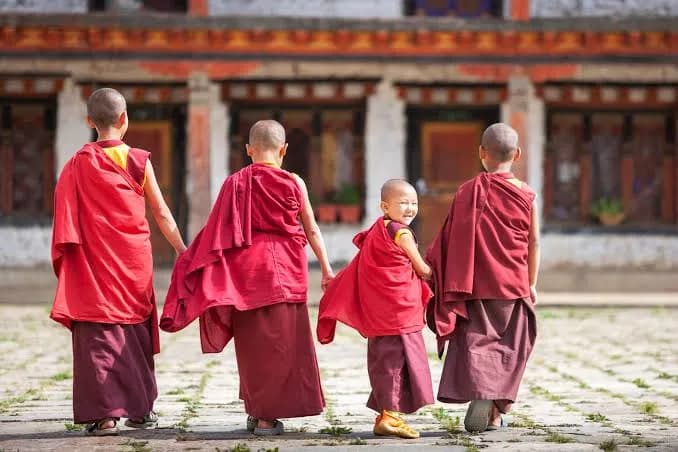 ThemeGross National Happiness — the framework that shapes the country a visitor encounters.Gross National Happiness — the Bhutanese development philosophy articulated by the Fourth Druk Gyalpo at His 1974 coronation as the first of nine guiding goals. Four pillars, nine measurement domains, constitutional grounding.
Where to see it
Journeys built around it
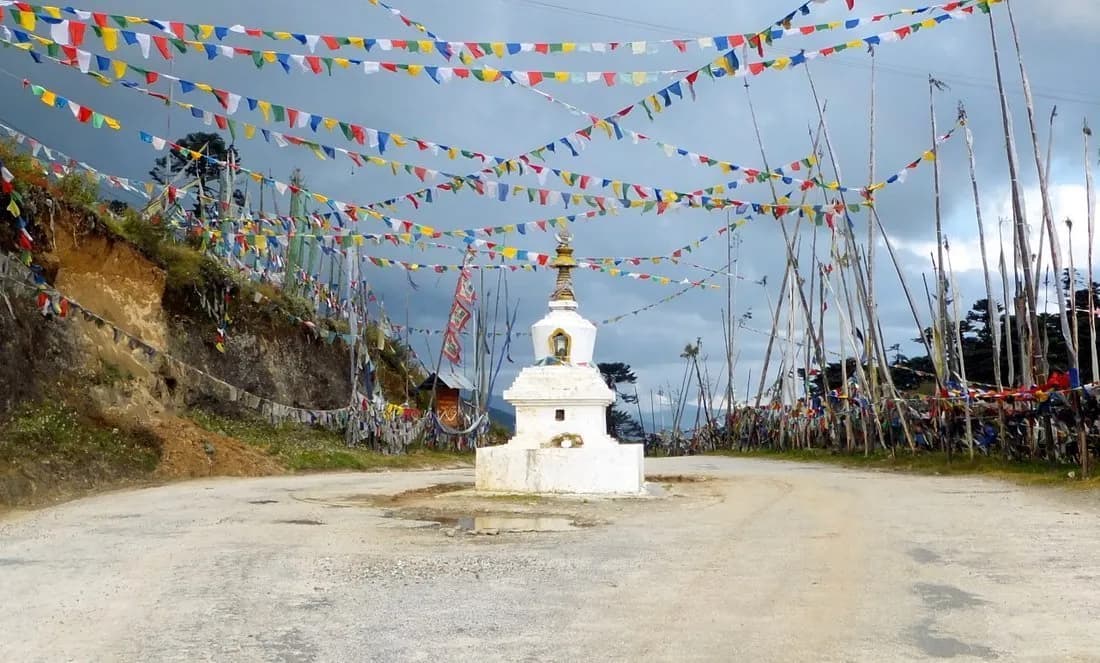 JourneyOctober light, Bhutan, a week.A seven-night Bhutan photography journey in October — Bhutan, golden-hour access at Punakha Dzong, a tripod-friendly guide, and transparent pricing.
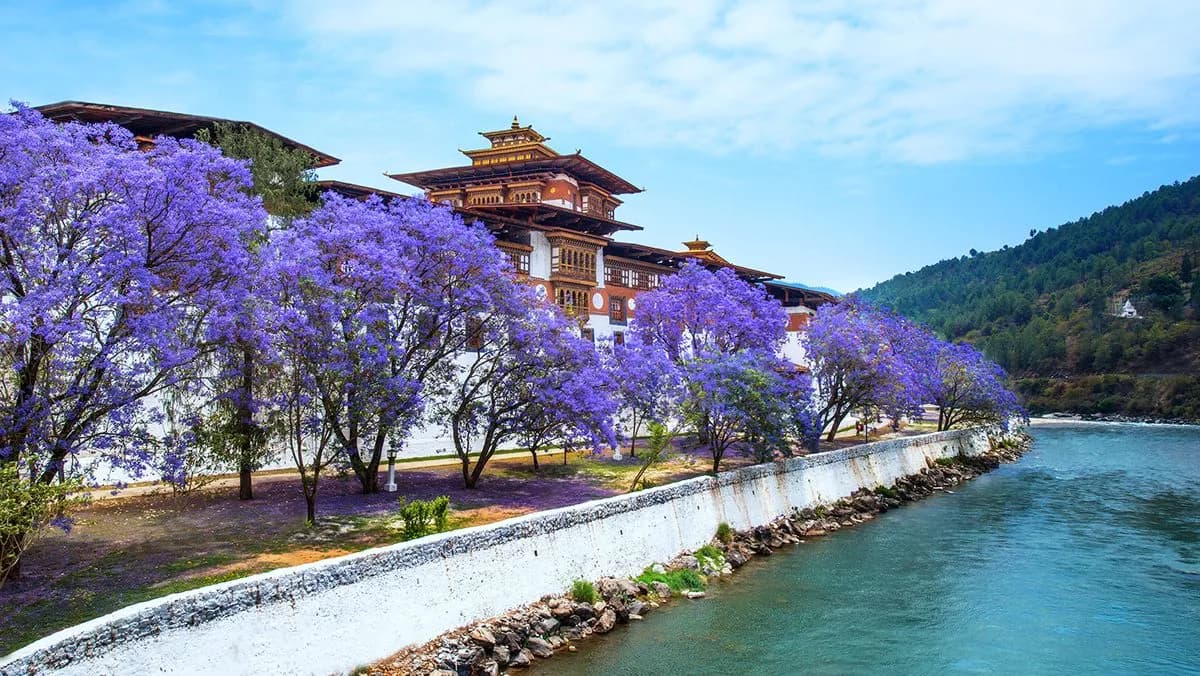 JourneyNine nights for the photographer's spring — cherry blossom, rhododendron, the Paro thongdrel at dawn.A nine-night Bhutan photography journey in the spring window — cherry blossom, rhododendron, the Paro Tshechu thongdrel unfurling at dawn at Rinpung Dzong.
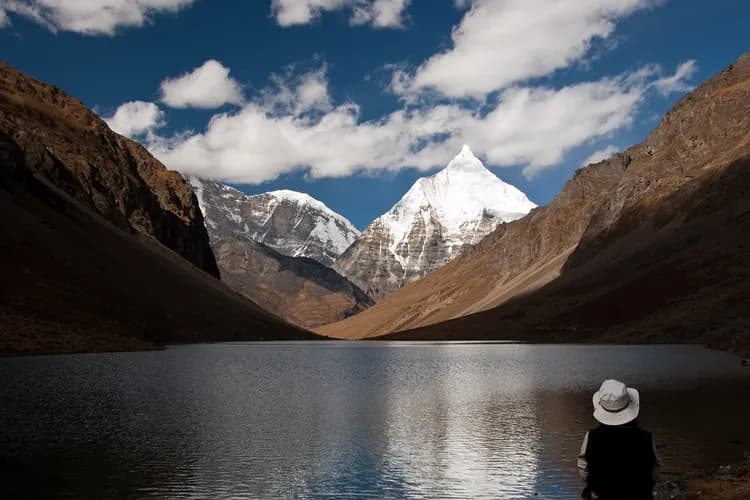 JourneyThe Chomolhari Base Camp trek, paced for the autumn window.A fourteen-night Bhutan Chomolhari Trek itinerary in the autumn clear-sky window. Five days at altitude, premium lodges either side, named trekking guides.
Frequently asked
- Why has Gangkhar Puensum never been climbed?
- Bhutanese law prohibits climbing above 6,000m since 2003 (and effectively all major peaks since 1994). The closed-summit tradition reflects the Bhutanese cultural-religious tradition that holds the principal peaks as the residences of protective deities; physical summiting is held to disturb the spiritual integrity of the peak. Gangkhar Puensum had been attempted by several international expeditions before the 1994 climbing suspension; the peak is technically less demanding than several lower climbed Himalayan peaks, so the unclimbed status reflects the Bhutanese protective framework rather than any technical impossibility.
- Can I climb any mountain in Bhutan?
- Not the principal peaks. The 2003 law prohibits climbing above 6,000m; lower peaks may be technically permissible but the Bhutanese tradition is to discourage all summiting. The principal mountain-access registers are trekking (which approaches the foothill base-camp positions without summiting) and viewpoint photography. Visitors who want a Himalayan summiting experience typically choose Nepal (which permits and commercialises the principal 8,000m peaks) or India (which permits more limited summiting in Sikkim and Garhwal); Bhutan's closed-summit tradition is one of the more-distinctive features of the country's environmental and religious framework.
- What is the best way to see the principal peaks?
- Dochu La on a clear winter morning (December-February typically gives the most reliable visibility) for the road-accessible panorama including Chomolhari, Masagang, Tsendagang, and (on exceptional days) Gangkhar Puensum. The Chomolhari Lingshi trek for the sustained close-up views of Jhomolhari and Jichu Drake. Royal Bhutan Helicopter Services scenic flights for premium-tier visitors wanting comprehensive multi-peak views in a single half-day. The matched guide briefs on the principal options and arranges according to the visitor's time, fitness, and budget.

