Planning your Bhutan journey
Bhutan altitude — the principal health consideration for any visitor, comfortably manageable with preparation.
Bhutan's altitude range is substantial: 200 metres in the southern foothills, 2,200 metres in Paro (the airport), 2,300 metres in Thimphu, 3,000 metres in Phobjikha, 4,200 metres on the high trekking passes. For most visitors Bhutan is comfortably manageable with a 2-night Paro acclimatisation; high-altitude trekkers need a more profile. Our concierge tracks altitude exposure across every itinerary and adjusts pace where helpful.
- Register
- health
The short answer
Bhutan (Paro 2,200m, Thimphu 2,300m, Punakha 1,200m) is comfortable for most visitors with a 2-night arrival acclimatisation in Paro. Tiger's Nest at 3,120m is the principal day-hike altitude. Phobjikha at 3,000m is the highest commonly-visited valley. High-altitude treks reach 4,200-5,300m and need 3-5 night pre-trek acclimatisation. Diamox is optional for the cultural circuit and recommended for any trek above 4,000m. Our concierge tracks each itinerary's altitude profile.
The altitude profile of Bhutan
Paro Airport (PBH) sits at 2,235 metres — the visitor's first altitude exposure on arrival. Thimphu is at 2,300 metres; Punakha is substantially lower at 1,200 metres (warm, comfortable); Phobjikha sits at 3,000 metres (cold, the principal high-altitude valley on the standard circuit). [[paro-taktsang|Tiger's Nest]] sits at 3,120 metres — the principal day-hike altitude for most visitors. Dochu La pass is 3,100 metres (a drive-through stop). The high-altitude treks reach progressively higher: Druk Path tops out at 4,200m; Chomolhari at 4,900m; Snowman at 5,320m. Altitude tolerance varies substantially by individual; prior altitude experience is the principal predictor of how well a visitor will adapt.
Acclimatisation principles
The standard altitude-medicine principles apply in Bhutan as elsewhere: ascend slowly (no more than 500-1,000 metres of sleeping altitude gain per day above 3,000m); acclimatise at moderate altitude before going high (a 2-3 night stay in Paro/Thimphu before any high-altitude trek); stay hydrated (3-4 litres per day at altitude); avoid alcohol for the first 48 hours at altitude; eat carbohydrate-rich food (the body works harder for energy at altitude). For Bhutan, Day 1 at Paro is the acclimatisation day — light walking in the valley, no high-elevation hike, early sleep. For visitors flying in from sea level, a 2-night Paro stay before the Tiger's Nest hike is the standard profile.
Symptoms to watch for
Mild acute mountain sickness (AMS) symptoms are common above 2,500 metres: headache, mild nausea, sleep disruption, slight breathlessness on exertion. These typically resolve within 24-48 hours as the body adjusts and don't preclude continuing the itinerary at a moderate pace. Significant symptoms — severe headache that doesn't respond to ibuprofen, persistent vomiting, breathlessness at rest, confusion, ataxia (loss of coordination), persistent dry cough — are signs of higher-grade AMS and require descent. Your guide carries a pulse oximeter and monitors the visitor's oxygen saturation throughout any high-altitude itinerary. Saturation below 85% at rest is a flag; below 80% is a descent indication.
Diamox and altitude medication
Acetazolamide (Diamox) is the standard altitude-prophylaxis medication. The protocol: 125-250 mg twice daily, starting 24 hours before significant altitude gain and continuing through the highest-altitude exposure. For Bhutan alone, Diamox is optional — most visitors complete Paro, Thimphu, Punakha, and Tiger's Nest without prophylactic medication. For Phobjikha (3,000m+), Diamox is worth considering for visitors with prior altitude difficulty. For any high-altitude trek above 4,000m, Diamox is recommended — we discuss with the visitor and their physician before the trek. Side effects include tingling in fingers and lips (common, mild), increased urination (common), occasional altered taste of carbonated drinks. Contraindications include sulfa allergy and certain kidney conditions — consult your physician.
High-altitude trekking — the preparation
Trekkers planning Druk Path (max 4,200m), Chomolhari (4,900m), Chomolhari-Laya-Gasa (5,005m), or Snowman (5,320m) need substantial pre-trek altitude preparation. Pre-trek acclimatisation profile: 3 nights in Paro (2,200m), 1-2 days of moderate hiking in the Paro valley before the trek begins, sometimes a pre-trek night at the Bumthang lodges (2,600m). The trek itself includes built-in acclimatisation rest days (Day 3 at Jangothang for Chomolhari, Day 10 at Laya and Day 17 at Thanza for Snowman). Our trek leaders carry pulse oximeters and monitor the trekker's oxygen saturation each morning and evening; descent decisions are made on the basis of objective data rather than visitor stoicism. Helicopter evacuation is available from the high routes in clear weather; the cost (~USD 5,000-15,000 depending on location) is typically covered by trekking insurance.
How we adjust for individual altitude tolerance
Altitude tolerance varies substantially between individuals — prior altitude experience, age, fitness, hydration, and unrelated medical conditions all matter. Our concierge requests altitude-history information at the proposal stage (have you been above 3,000m before; did you experience any altitude difficulty; do you have any relevant medical conditions). Where there is reason to expect difficulty — first-time altitude exposure, prior altitude problems, age 70+, certain cardiopulmonary conditions — we adjust the itinerary's altitude profile (longer Paro acclimatisation, skip Phobjikha, choose lower-altitude lodge tiers) and discuss the adjustments with the visitor's physician where useful. The cultural circuit is comfortable for almost every visitor with the right pacing; we have hosted visitors in their 80s who completed Bhutan comfortably.
Practical
- Paro Airport elevation
- 2,235 m
- Thimphu elevation
- 2,300 m
- Punakha elevation
- 1,200 m (lowest commonly-visited valley)
- Phobjikha elevation
- 3,000 m (highest standard valley)
- Tiger's Nest monastery
- 3,120 m (principal day-hike altitude)
- Bhutan acclimatisation
- 2 nights Paro on arrival
- High-altitude trek acclimatisation
- 3-5 nights pre-trek + built-in rest days
- Diamox dosing
- 125-250 mg twice daily, starting 24h before altitude gain
- Pulse oximeter monitoring
- Carried by guides on all high-altitude itineraries
Walks it mentions
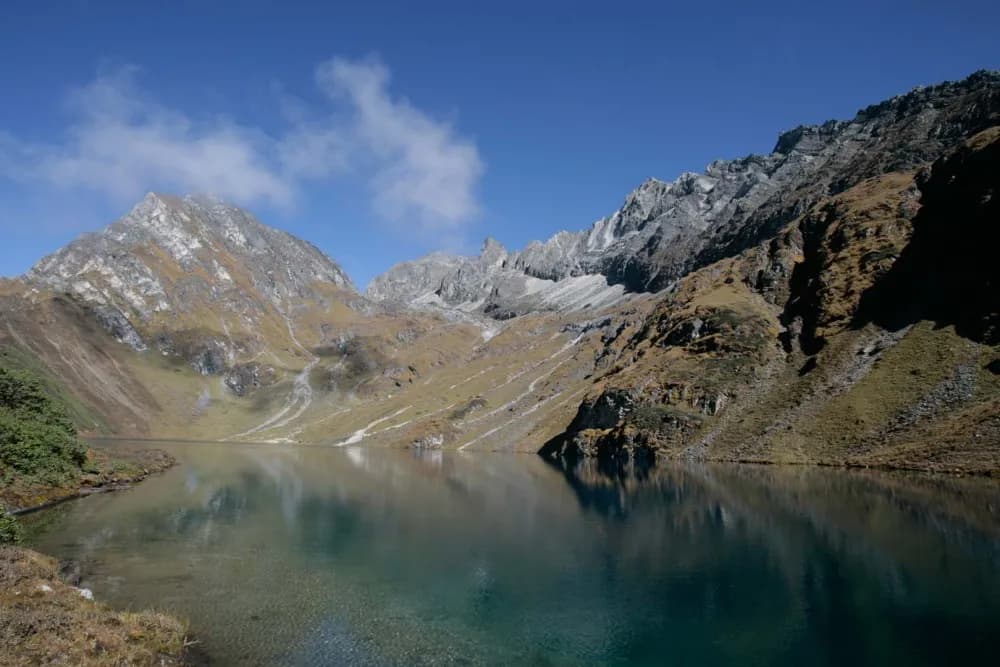
 TrekDruk Path Trek — four days, Paro to Thimphu over the ridge, the alpine-lake landscape and the substantial first taste of Bhutanese trekking.Druk Path Trek — four days from Paro to Thimphu over the ridge, three high-altitude lakes (Jimilang Tsho, Janey Tsho, Simkota Tsho), max altitude ~4,200 m.
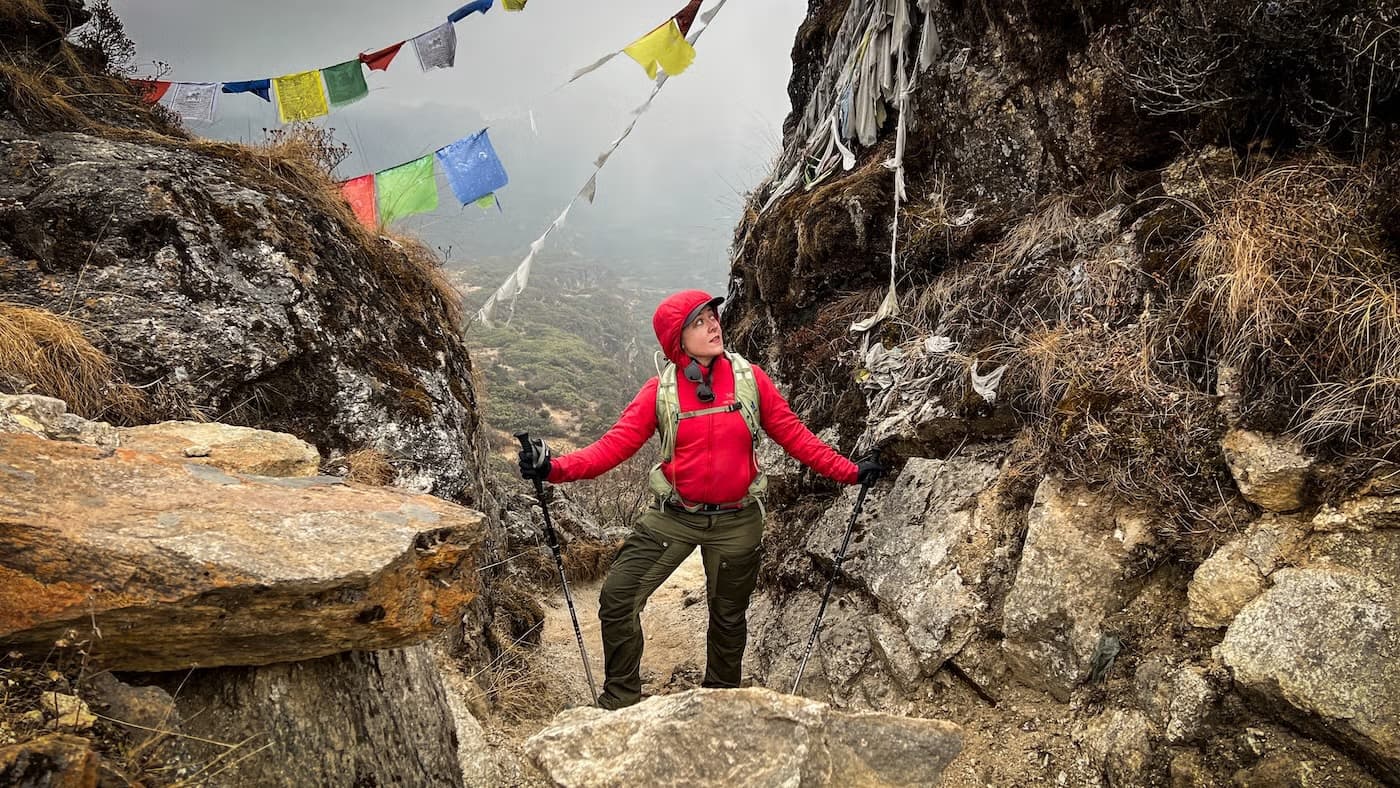
 TrekChomolhari Lingshi Trek — six days, max altitude 4,900 m at Bonte La, the principal direct view of Chomolhari (7,326 m).Chomolhari Lingshi Trek — six days at 2,900–4,900 m, the principal view of Chomolhari, the high pasture country of Lingshi. Paro to Thimphu via Lingshi.
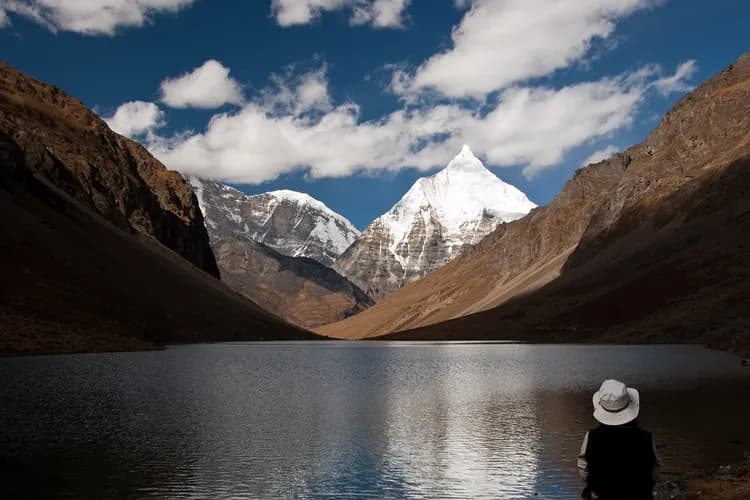
 TrekSnowman Trek — 23 days across the Lunana glaciers, eleven high passes, the high-altitude expedition the Bhutanese tradition still calls a pilgrimage.Snowman Trek — 23 trekking days, ~345 km, 5,320m max altitude, eleven Himalayan passes across the high north of Bhutan. Route, season, preparation.
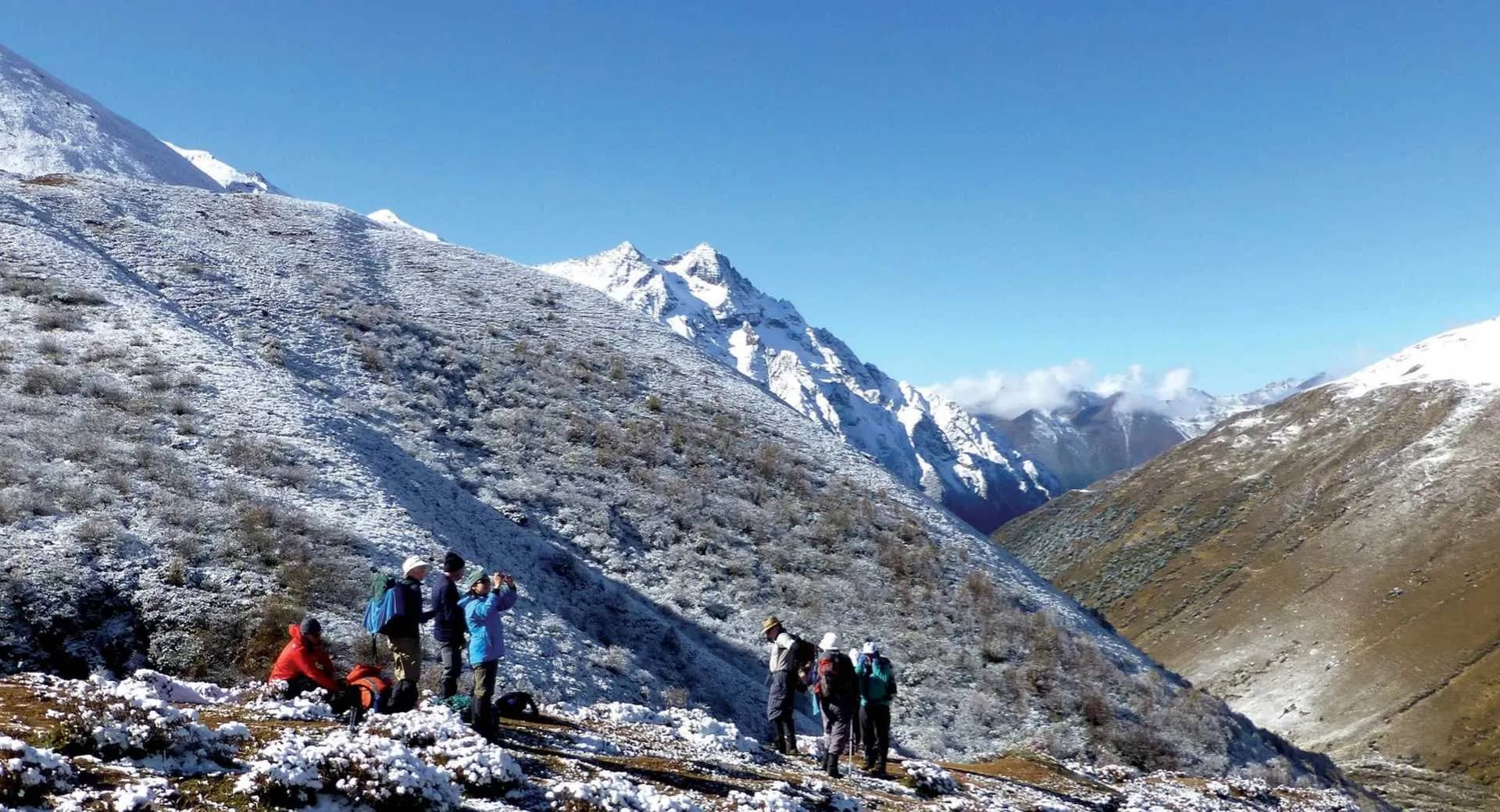
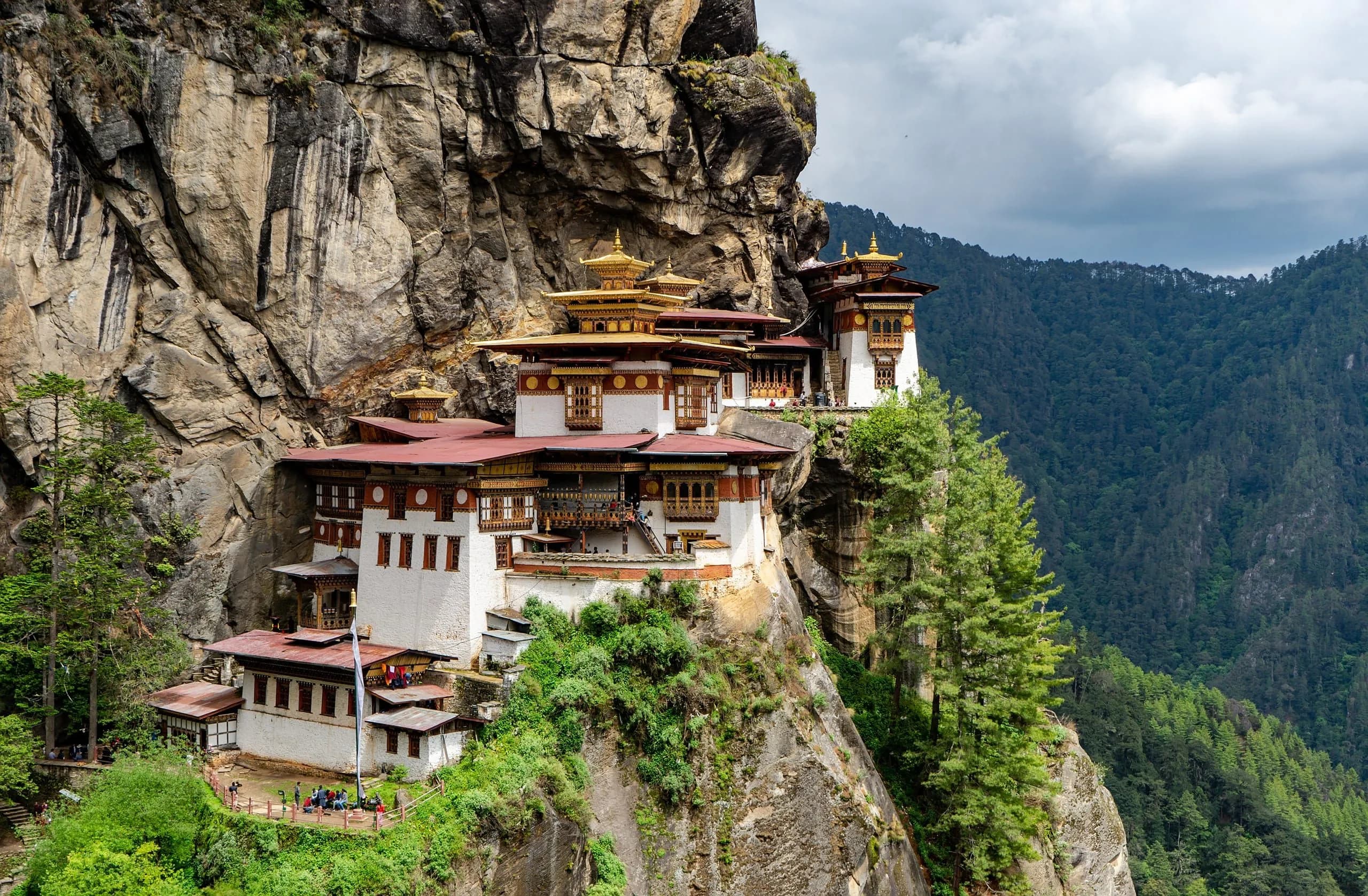
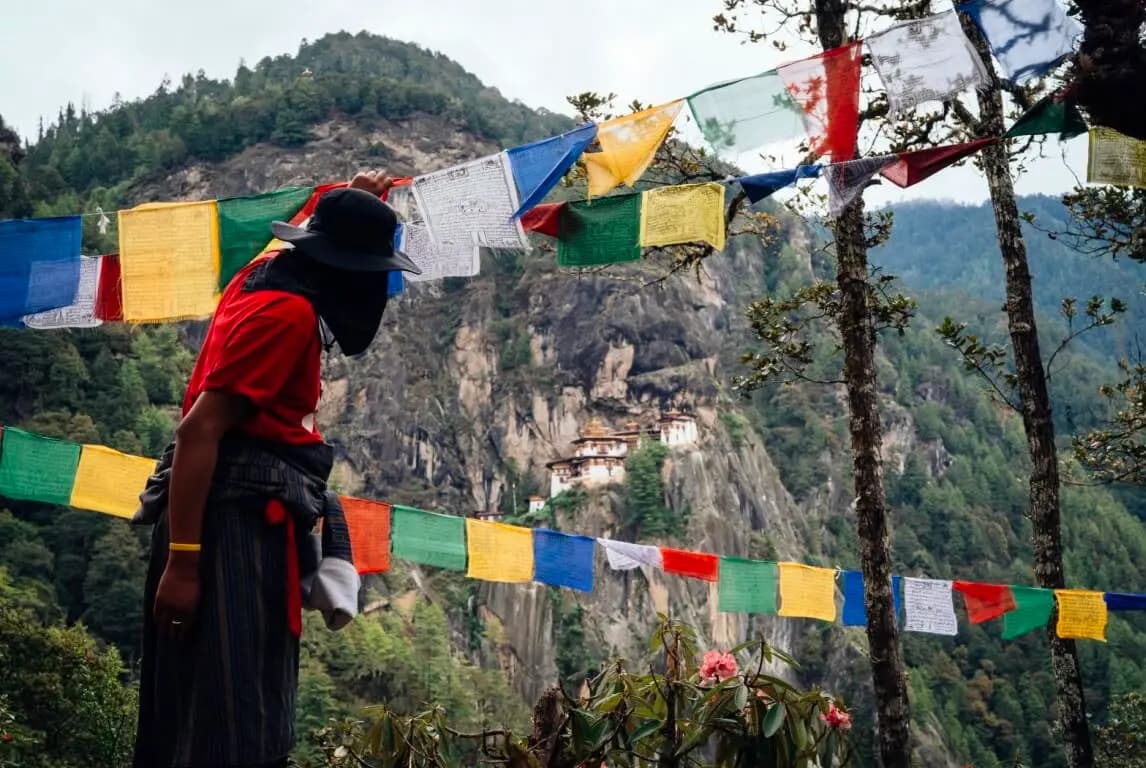 TrekTiger's Nest Day Hike — three hours up, two hours down, the cliff-face approach to Paro Taktsang.Tiger's Nest day hike — the route, the cafeteria stop, what to know. Three hours up, two hours down, 520m elevation gain. Trailhead, fitness, gear.
Places it mentions
Journeys it informs
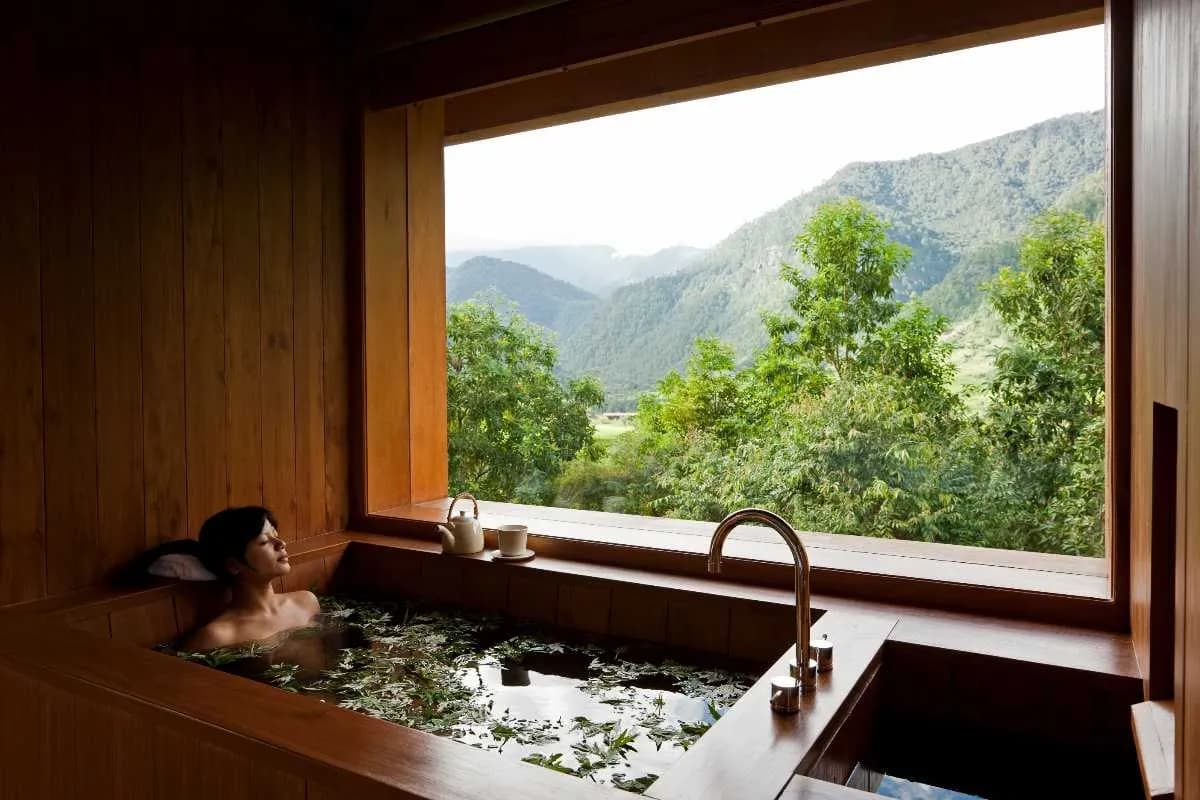 JourneySeven nights in Bhutan, on your terms.A private seven-night Bhutan honeymoon for couples flying from Singapore. Bhutanese lodges, a matched guide, transparent all-inclusive pricing.
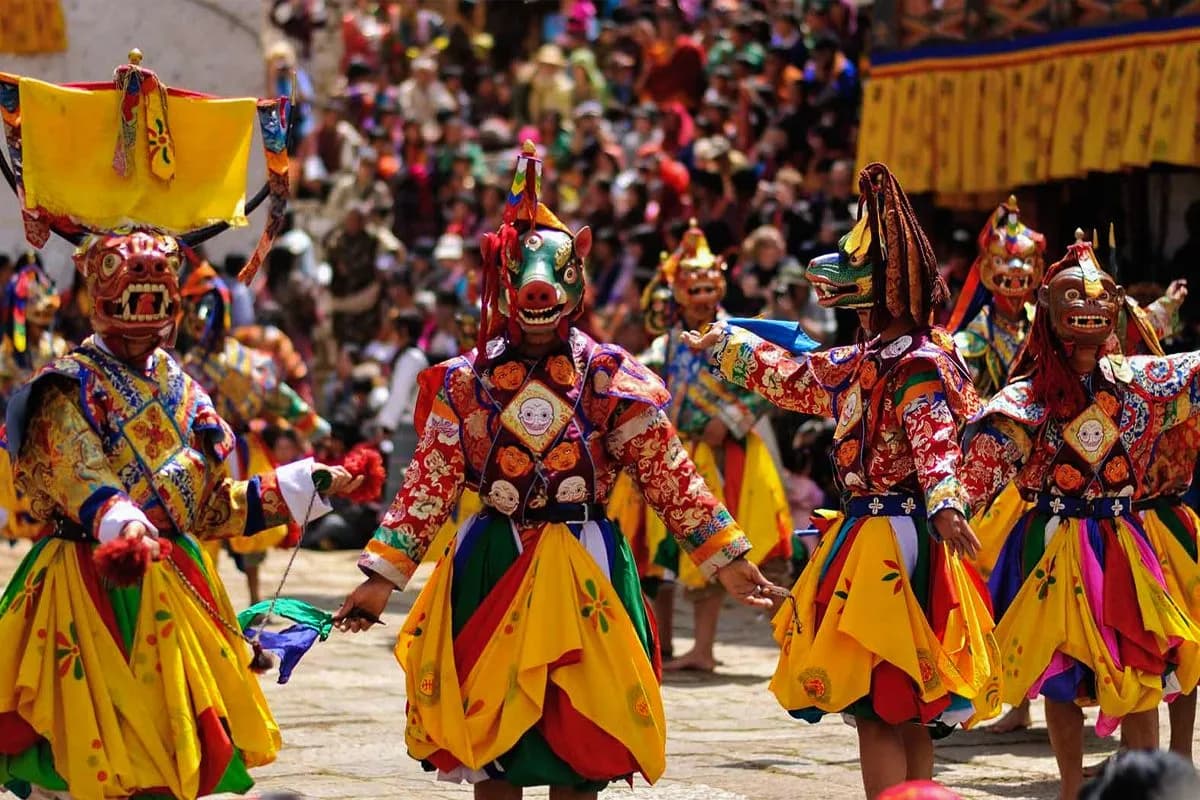 JourneyThimphu Tshechu, read properly.A seven-night Bhutan journey timed to Thimphu Tshechu in autumn — second-tier seating, a culturally fluent guide, Bhutanese lodges.
Frequently asked
- Will I get altitude sickness in Bhutan?
- Mild AMS symptoms (headache, mild nausea, sleep disruption) are common above 2,500 metres and affect approximately 25-50% of visitors arriving from sea level on the first day. These typically resolve within 24-48 hours as the body adjusts. Significant AMS is uncommon in Bhutan (Paro 2,200m, Thimphu 2,300m, Punakha 1,200m) and more common on the high-altitude treks. We build a 2-night Paro acclimatisation into every itinerary to manage the first-day exposure.
- Should I take Diamox?
- Diamox is optional for the standard Bhutan (most visitors complete without). It is worth considering for Phobjikha (3,000m) if you've had prior altitude difficulty. It is recommended for any high-altitude trek above 4,000m. Discuss with your physician before the trip; we share the typical Bhutanese altitude profile with your doctor on request.
- What if I get sick at altitude?
- Mild symptoms — your guide manages with ibuprofen, hydration, slower pace. Significant symptoms — your guide assesses with the pulse oximeter and recommends descent to lower altitude (Punakha at 1,200m is the standard descent destination from Bhutan). The cultural circuit gives many descent options. The high-altitude treks have helicopter-evacuation contingency for severe cases. Trekking insurance with high-altitude coverage is mandatory for any trek above 3,000m.
- Can children handle the altitude?
- Yes, with the same acclimatisation discipline as adults. Bhutan is comfortable for children 7+ with a 2-night Paro acclimatisation. The Tiger's Nest hike (3,120m) is suitable for children 8+ with reasonable fitness. The high-altitude treks (above 4,000m) we recommend 16+. See our Bhutan with children guide for the broader detail.
- Will my prior altitude experience help?
- Yes — prior altitude experience is the principal predictor of how well a visitor will adapt to Bhutanese altitudes. Trekkers who have completed Everest Base Camp (5,360m), the Annapurna Circuit (5,416m at Thorong La), or comparable Himalayan / Andean / Alaskan routes will find the Bhutanese cultural circuit unremarkable and the high-altitude treks manageable. First-time altitude visitors should expect more first-day adjustment.
- How does your team track altitude conditions?
- Our concierge tracks each itinerary's altitude profile (sleeping altitudes, day-hike altitudes, pace of ascent) and adjusts where helpful. On treks, your trek leader carries a pulse oximeter and monitors oxygen saturation each morning and evening; the data informs the descent decision if symptoms develop. We update our altitude protocols against the most-current altitude-medicine guidance.

